Sword of Vengeance (2015) on Netflix
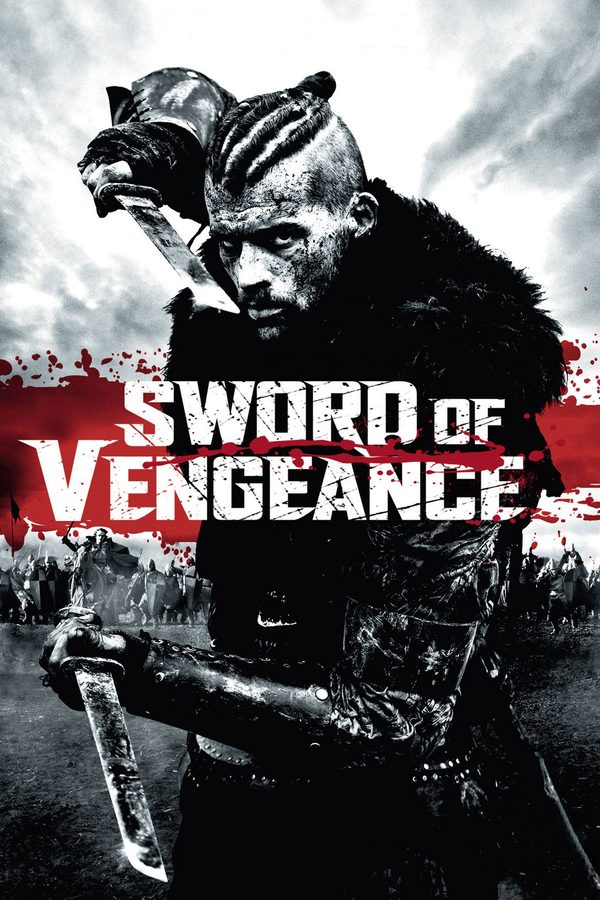
After years of slavery, a Norman prince returns as Shadow Walker. Anna and her exiled Saxon farmers join his fight against Earl Durant, the uncle who killed his father.
- Netflix3.2/5
- IMDb4.4/102,686 votes
- Rotten Tomatoes13%
Trailer

Plot summary
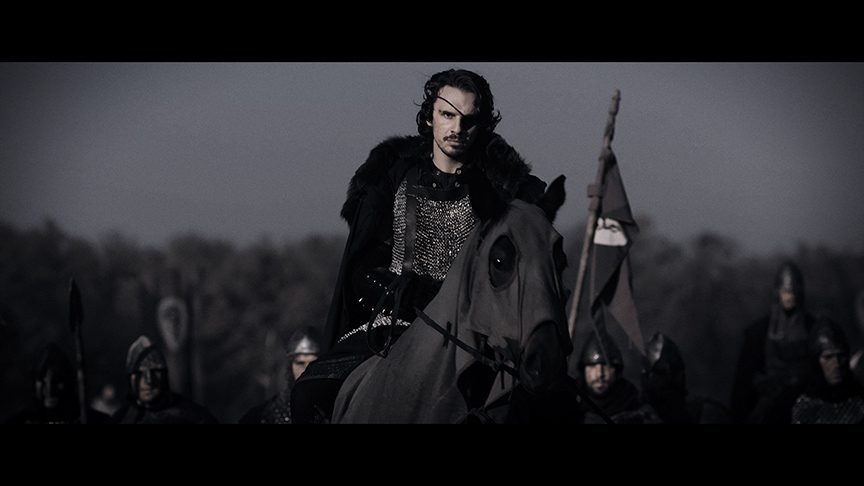
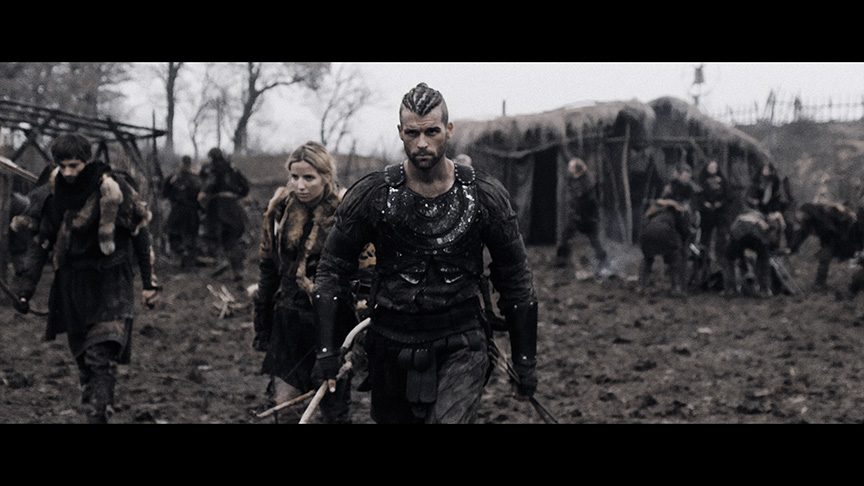
In northern England around 1089, twenty years after the Harrowing, a man who was once a slave comes back to his father's lands and calls himself Shadow Walker. The Harrowing was the campaign William the Conqueror ordered to put down rebellions in the north. Durant holds the earldom there as a despot, with his sons Lord Artus and Lord Romain at his side. Shadow Walker bands together with Anglo-Saxon farmers in exile who are led by Anna. Durant is the uncle who killed Shadow Walker's father and took the earldom that should have passed to his nephew, and the quarrel between the men will be decided through battle.
Cast


Did you know?!Facts and trivia about Sword of Vengeance (2015)
Can contain spoilers, watch the movie first.
- The opening sequence was shot in the crew's first two days together: actors who could not ride, horses that would not stand still, actors going into hyperthermia, prosthetic limbs that refused to come apart, stunts repeatable only three or four times, blood that would not squirt, and a crane move that kept breaking down.
- Director Jim Weedon said he lost half a stone, seven pounds, during the first four weeks of the shoot, a five-to-six-day week in harsh weather wading through mud, and it later snowed.
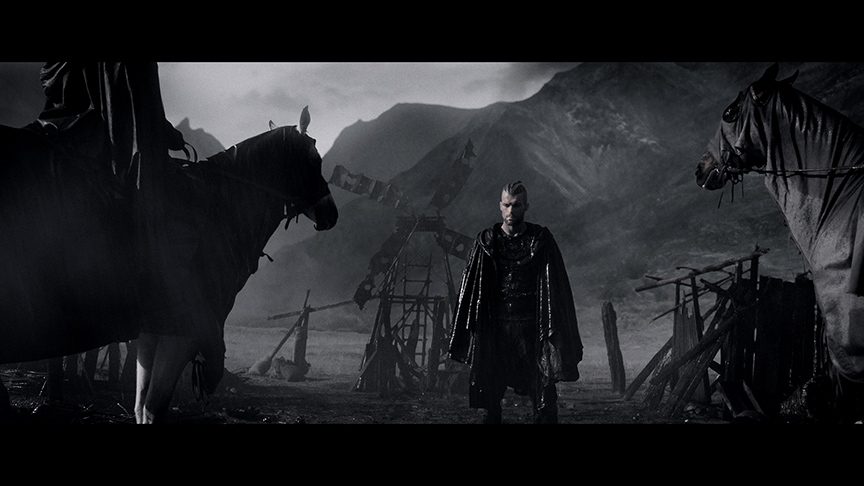
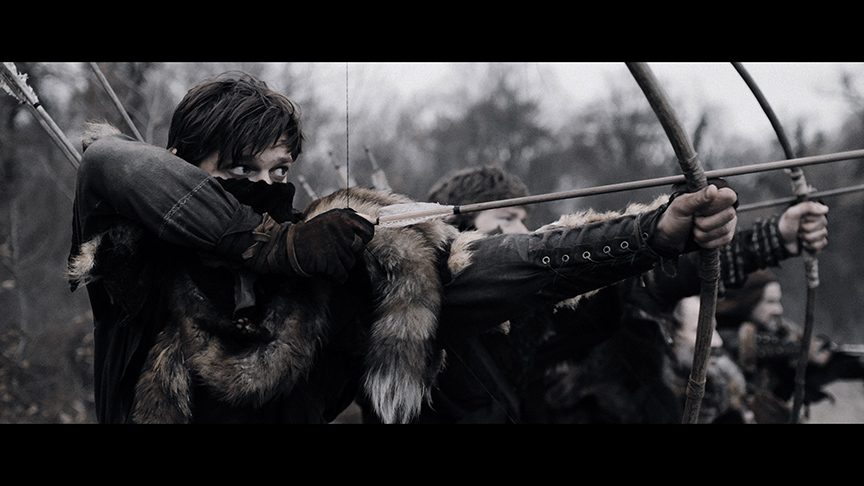
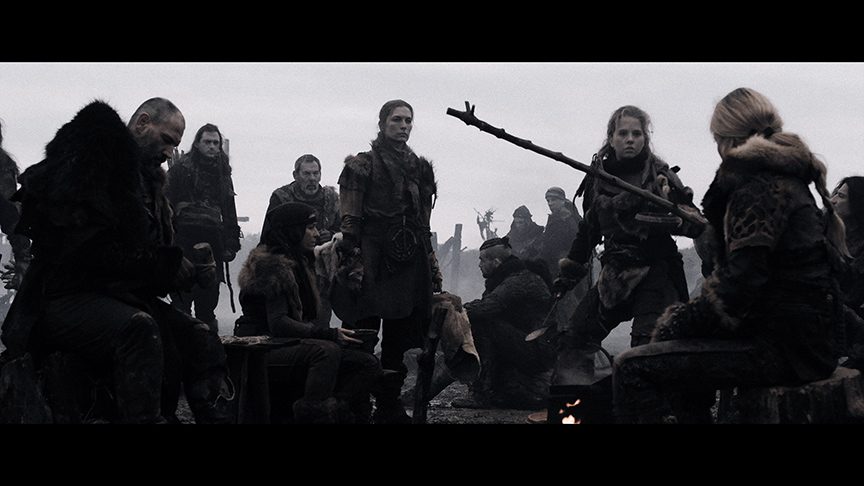
- Weedon graded the film with what he called a "bleach bypass approach" to get very little color into it, and had the wardrobe designed in muted blues, greys and black, the only real color coming from the heroes' fur.
- The samurai-film influence shows most in the sword-fight choreography: for Weedon, medieval sword fights often became tedious and clumsy, while samurai films with their shorter swords gave faster, more action-oriented sequences.
- Writer Julian Unthank and Weedon stripped the dialogue back to a minimum, as was used in spaghetti westerns, and made the hero an antihero rather than a man who saves the day.