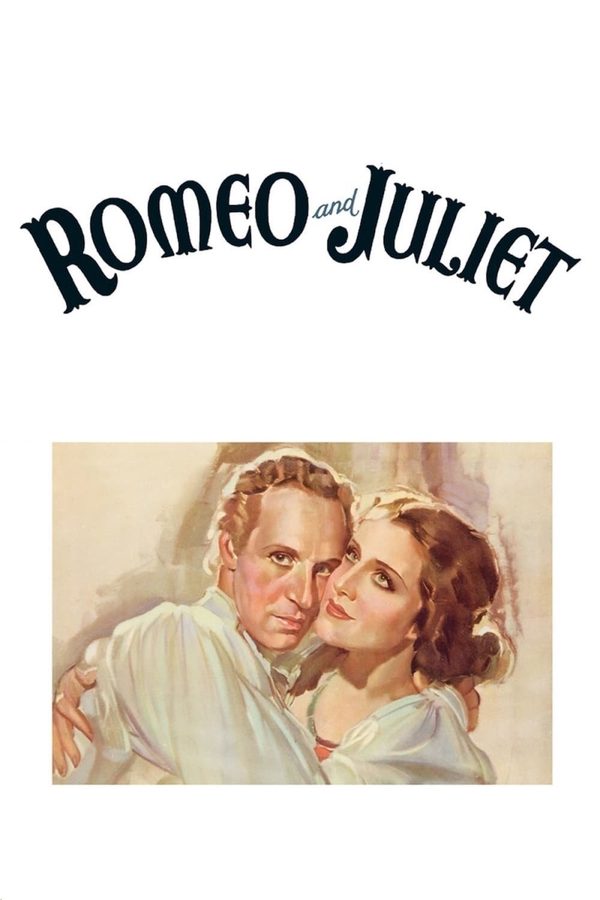
Romeo and Juliet (1936) on Netflix
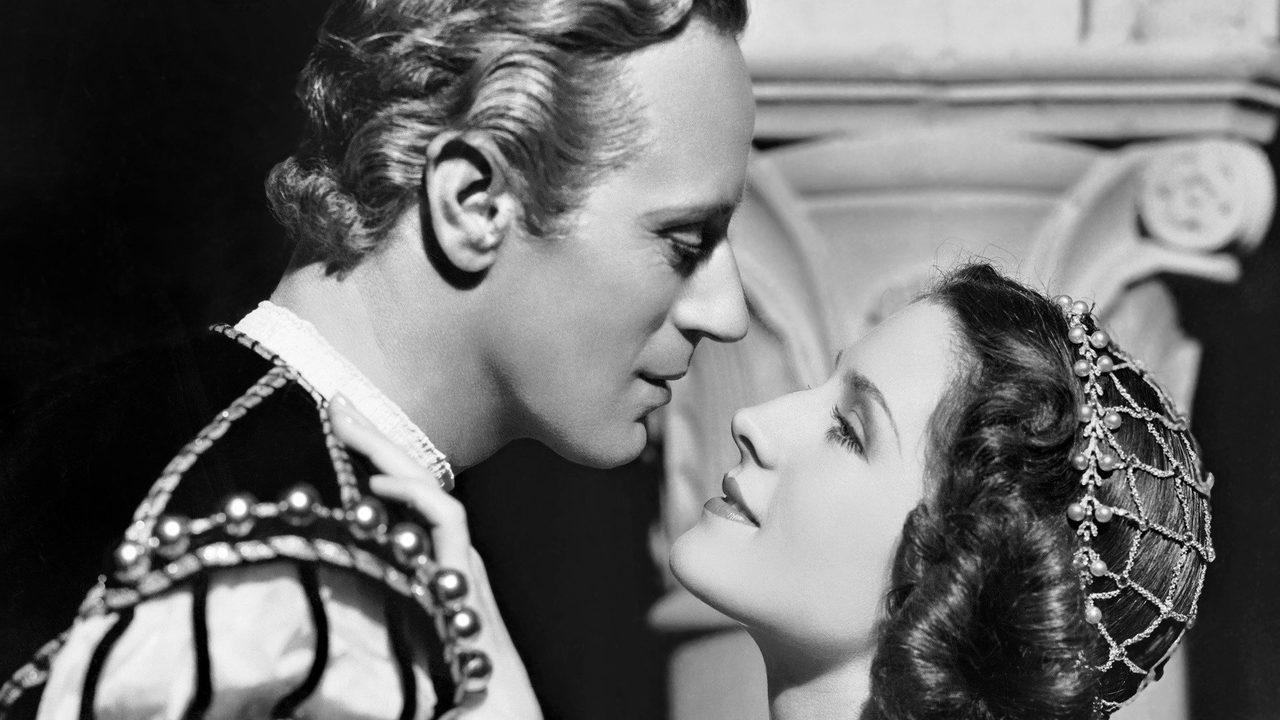
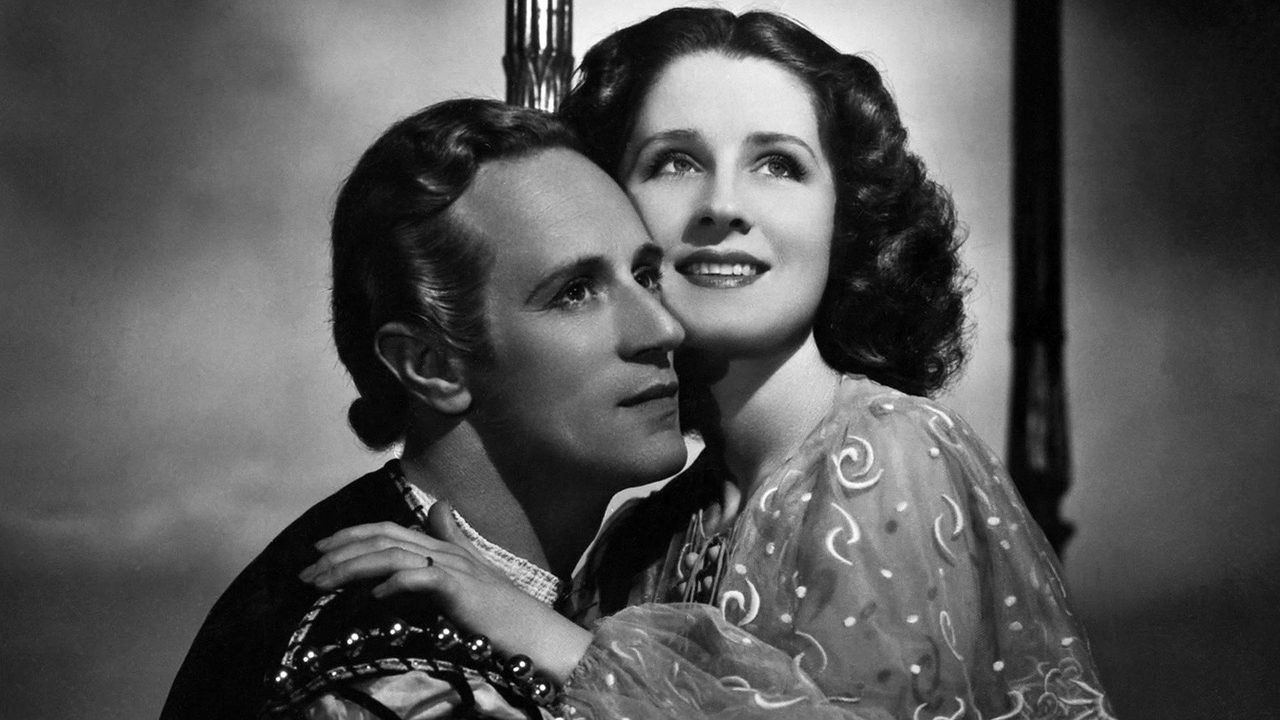
Two noble houses of Verona, the Montagues and the Capulets, have feuded for generations. Romeo Montague and Juliet Capulet meet at a masquerade ball and fall in love.
- Netflix3.6/5
- IMDb6.4/102,457 votes
- Rotten Tomatoes78%
Trailer
Plot summary
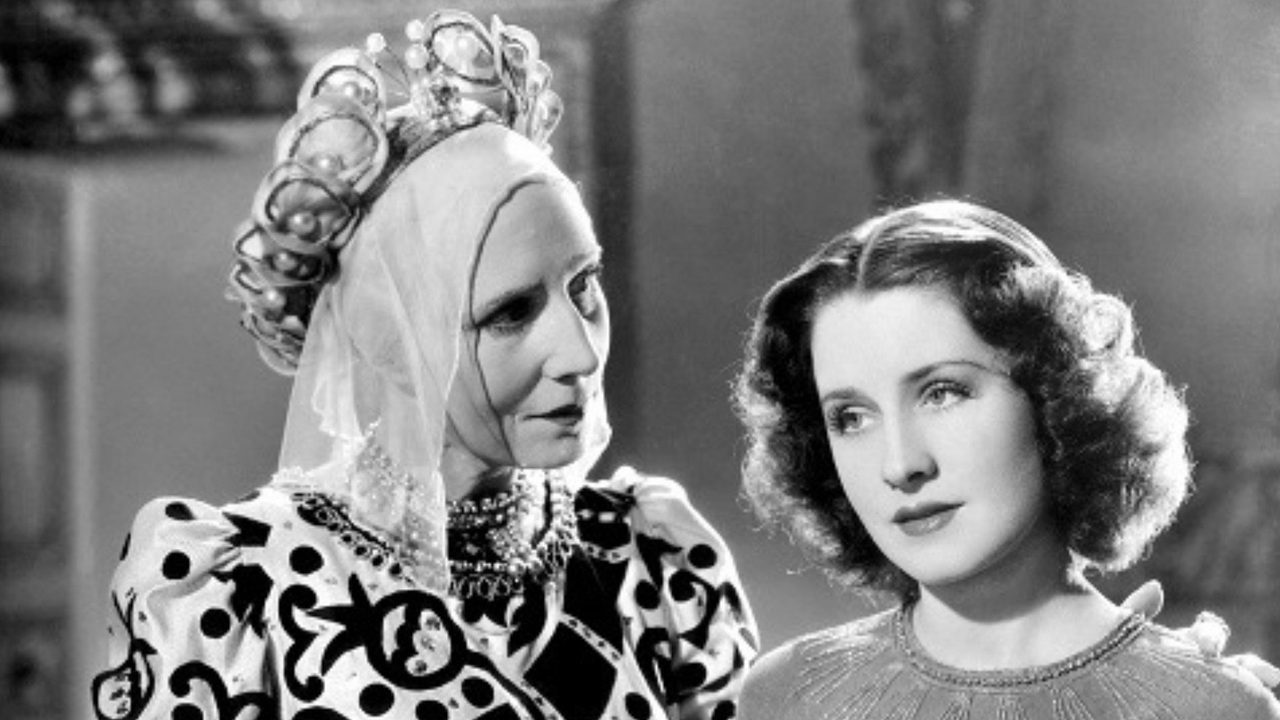
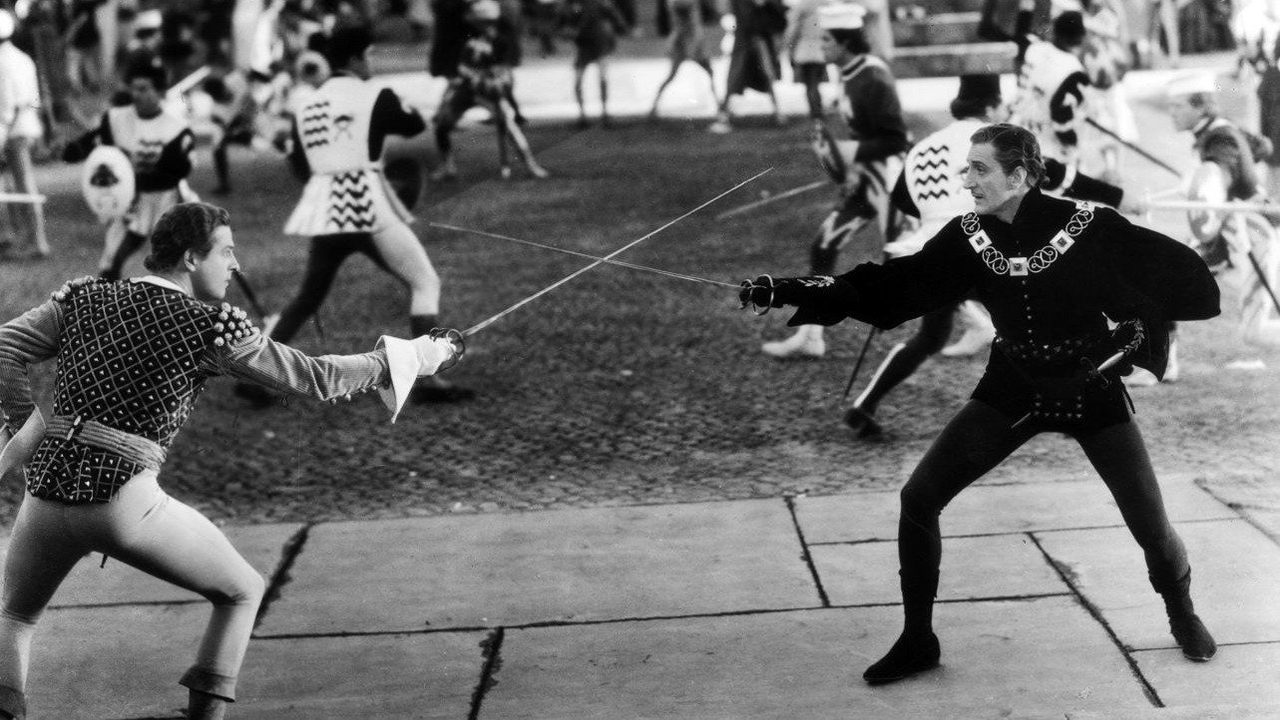
Romeo Montague and Juliet Capulet come from Verona's two feuding noble houses, the Montagues and the Capulets. They meet at a masquerade ball and fall in love, and at that ball Rosaline rebuffs Romeo. Juliet's nurse and Friar Laurence help the pair marry in secret, and the two hope the marriage might end the feud between their families. Neither family knows of it, and brawls between the houses continue in the streets.
Cast


Did you know?!Facts and trivia about Romeo and Juliet (1936)
Can contain spoilers, watch the movie first.
- Irving Thalberg, the MGM producer and husband of star Norma Shearer, died aged 37 on the night of the film's Los Angeles premiere at the Carthay Circle Theatre. Publicist Frank Whitbeck dropped the usual radio interviews and simply announced the grief-stricken stars as they arrived.
- Irving Thalberg pushed MGM for five years to film Romeo and Juliet against the resistance of studio head Louis B. Mayer, who believed audiences found Shakespeare over their heads. Mayer gave in only when Jack L. Warner announced his own Shakespeare film, A Midsummer Night's Dream.
- Moviegoers found the film too "arty" and stayed away, as they had from Warner's A Midsummer Night's Dream the previous year; the result led Hollywood to abandon the Bard for over a decade.
- Leslie Howard shot a roll of 16mm color Kodachrome during the opening exterior sequence, with himself and Reginald Denny in costume while the crew set up. The footage later appeared in the 2016 documentary Leslie Howard: The Man Who Gave a Damn.
- Herbert Stothart built the score on Tchaikovsky's Fantasy Overture "Romeo and Juliet" and the stately Pavane from Peter Warlock's Capriol Suite, and neither source is credited.
- Researchers were sent to Verona to take photographs for the designers, paintings by Botticelli, Bellini, Carpaccio and Gozzoli were studied for visual inspiration, and two academics, John Tucker Murray of Harvard and William Strunk Jr. of Cornell, were flown to the set and told to criticize it freely.
- Basil Rathbone, who had played Romeo in the 1934 Broadway revival with Katharine Cornell as Juliet, was the only actor from that production to appear in the film, switching to Tybalt. In that revival, Tybalt had been played by nineteen-year-old Orson Welles.
- The shoot ran six months and the budget reached $2 million, making the film MGM's most expensive sound film up to that time.