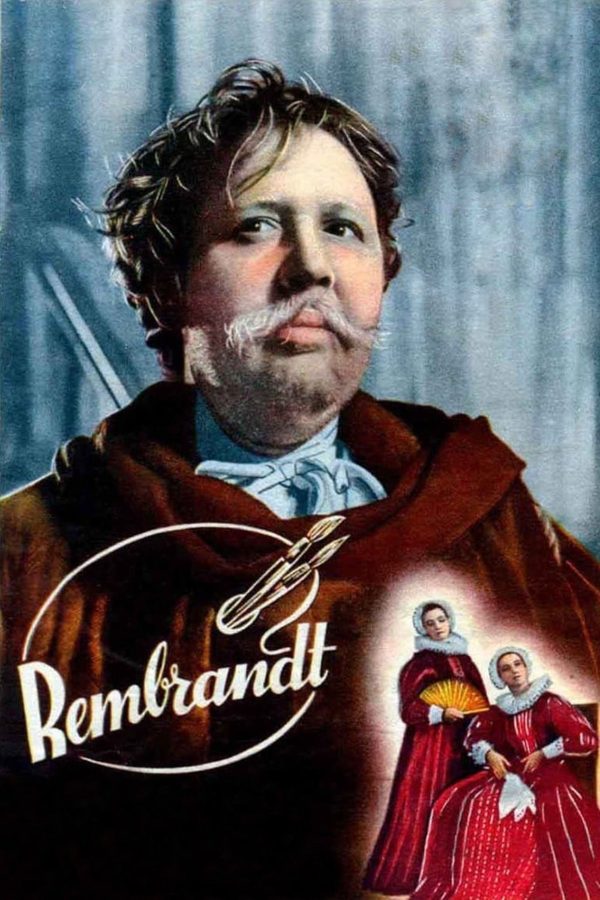
Rembrandt (1936) on Netflix
Rembrandt van Rijn, at the height of his fame, loses his wife Saskia to illness. The militia that commissioned his group portrait is furious at the work, and his apprentices walk out.
- Netflix3.6/5
- IMDb7.0/102,247 votes
- Rotten Tomatoes75%
Trailer

Plot summary
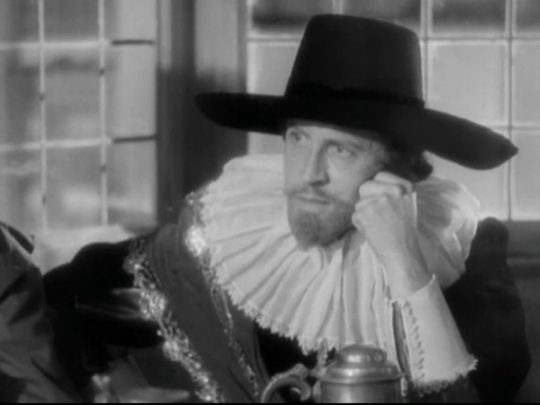
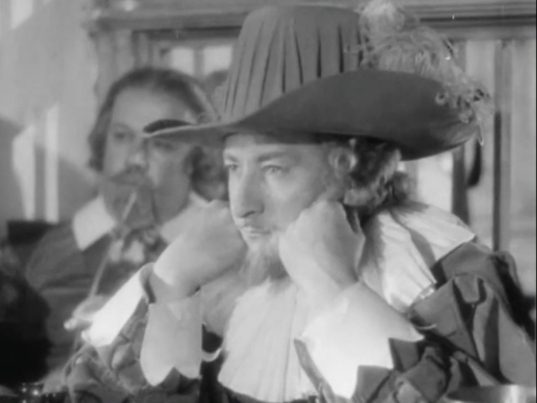
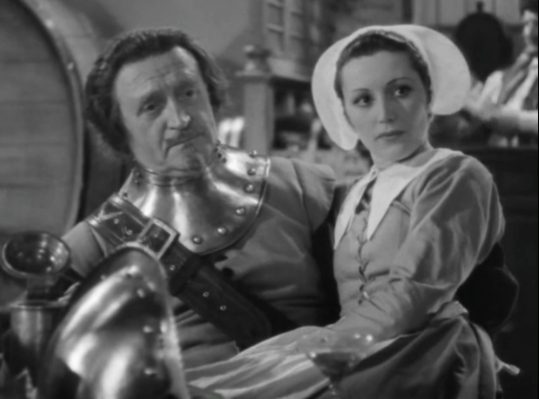
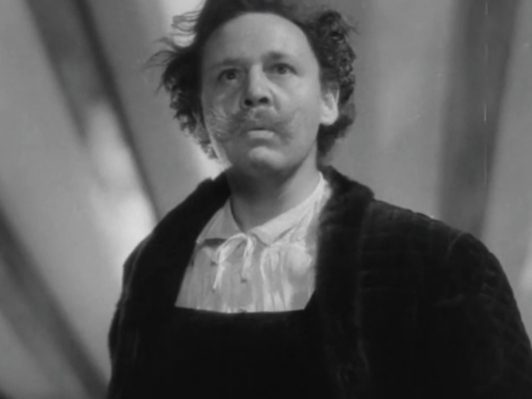
In mid-17th-century Amsterdam, Rembrandt van Rijn is at the height of his fame. A long illness takes his wife Saskia, his great love and the only model he used, and in his grief he paints her one last time. The city's civic militia had commissioned a group portrait from him shortly before her death. At its unveiling the militiamen do not recognize themselves as the respectable gentlemen they are, and they are furious, threatening not to pay. His apprentices leave, and Rembrandt drinks with Geertje, Saskia's maid, who shares his attraction.
Cast

- John Bryningas Titus
- Sam Liveseyas Auctioneer


Did you know?!Facts and trivia about Rembrandt (1936)
Can contain spoilers, watch the movie first.
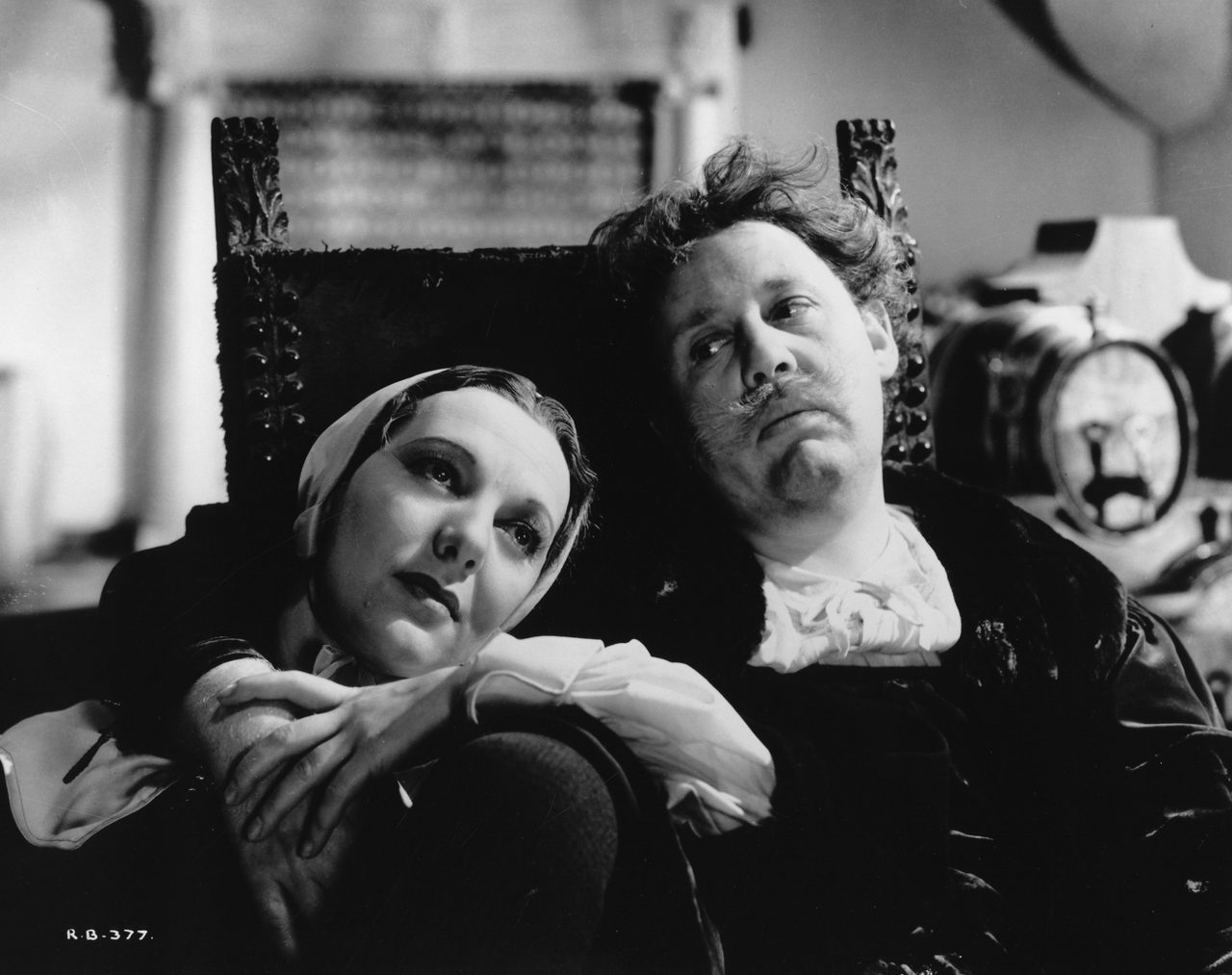
- Gertrude Lawrence's gossip and ribald stories on the Rembrandt set clashed with Charles Laughton's efforts to concentrate on his part, so Laughton had soundproof screens put around the set. Alexander Korda's perceived neglect of Laughton in favour of Lawrence caused a rift between actor and director that was never repaired.
- Elsa Lanchester, Charles Laughton's wife, wrote in her autobiography that Gertrude Lawrence "despised films so much that she wouldn't even attempt to learn the words", and wrote her lines on the large white cuffs of her costumes or on the back of a chair.
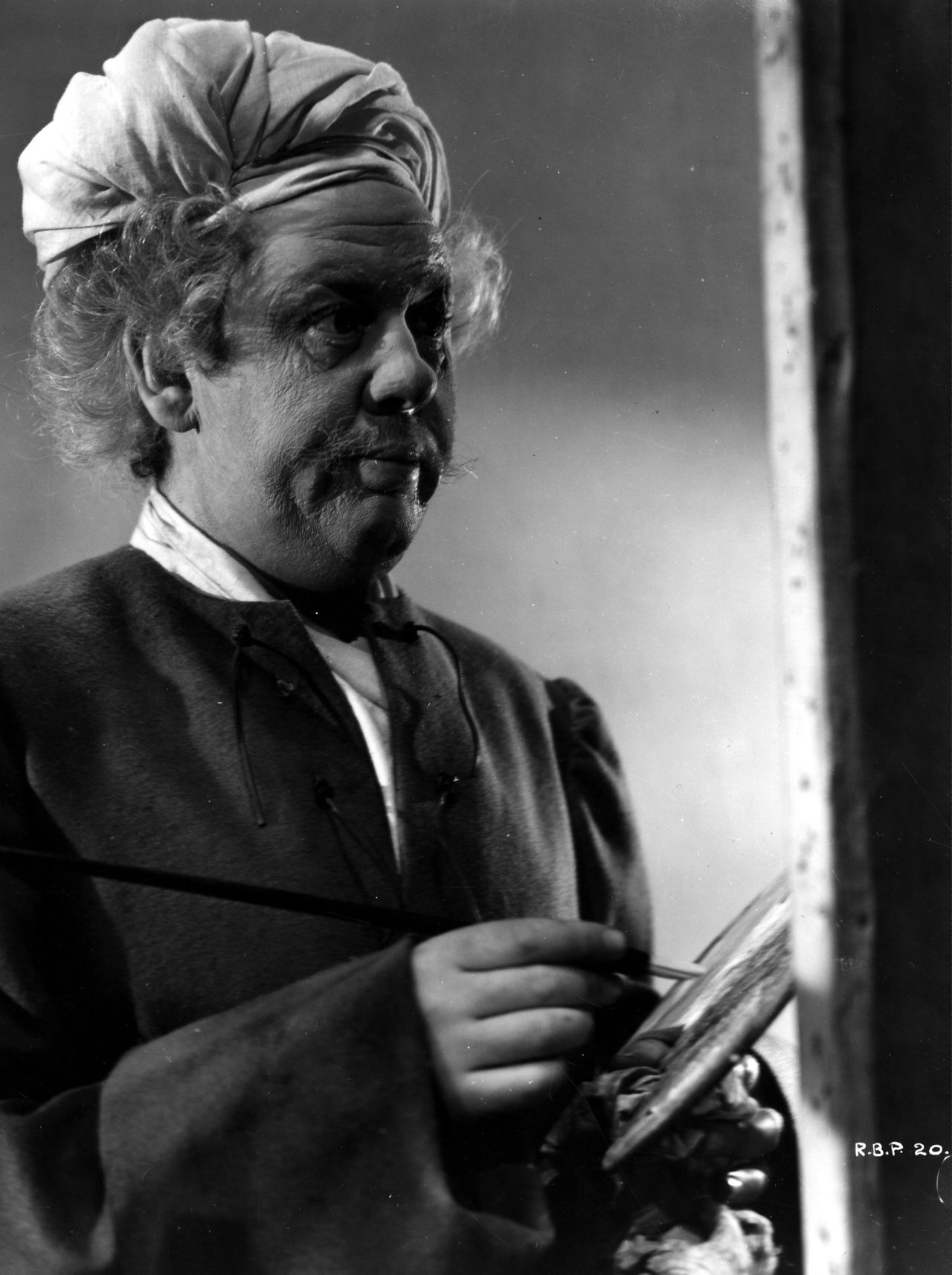
- Korda and Laughton decided the camera should show Laughton painting at an easel but never show the brush touching the canvas, after considering and rejecting the idea of putting real Rembrandt paintings on screen, which would have reminded audiences that Laughton was not a painter.
- Charles Laughton had set designer Vincent Korda and costume designer John Armstrong teach him how to create the illusion of painting, and he visited Holland several times before shooting, going to every museum that held Rembrandt paintings.