Red Desert (1964) on Netflix
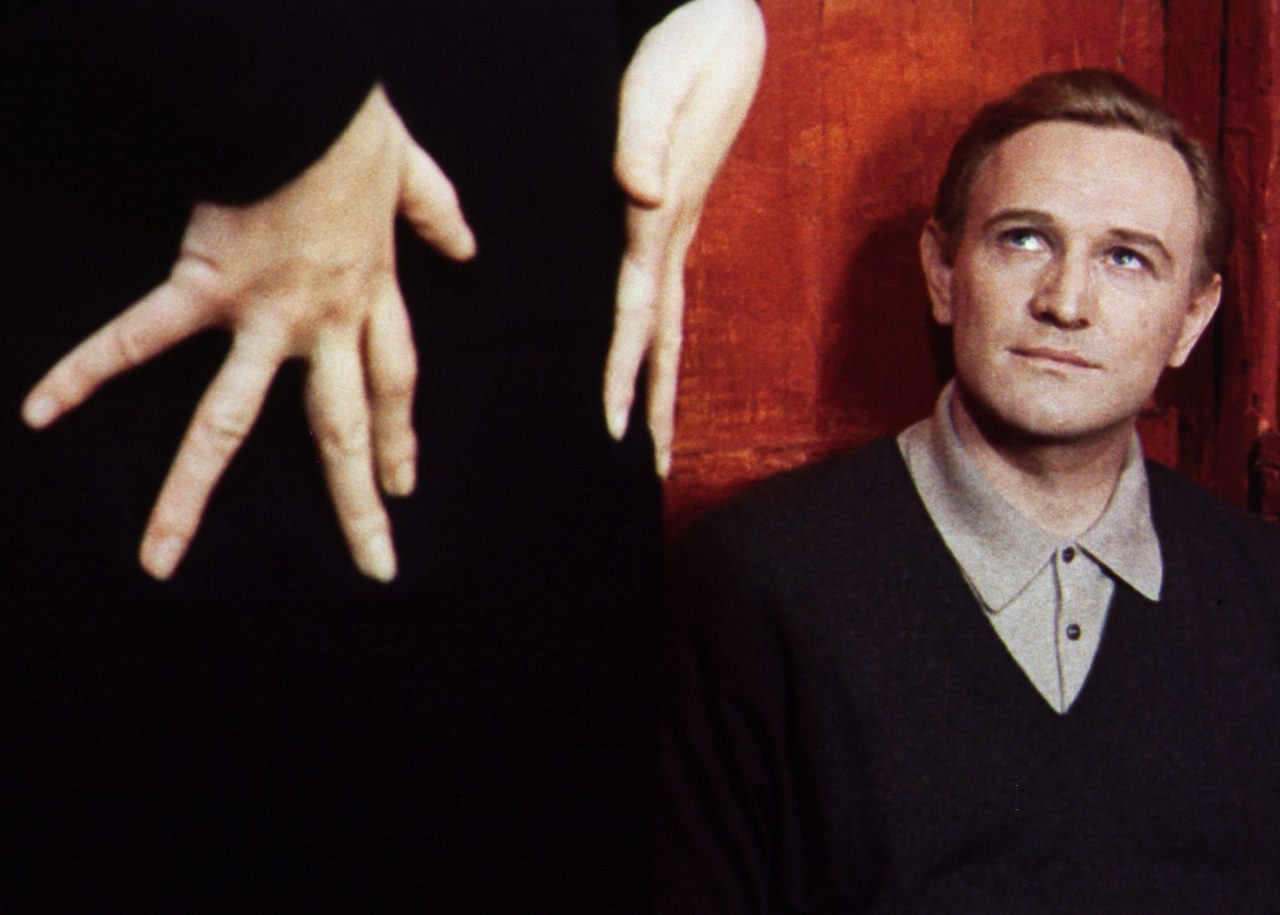
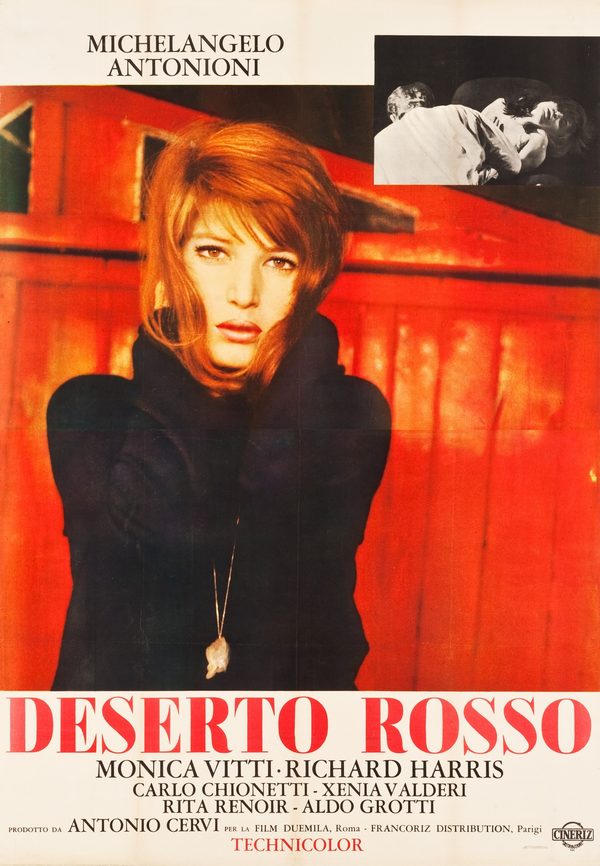
Giuliana, the wife of Ugo, manager of a Ravenna petrochemical plant, is mentally unwell after a car accident. She meets Corrado, an engineer recruiting workers for a factory in Patagonia.
- Netflix3.5/5
- IMDb7.4/1019,532 votes
- Rotten Tomatoes94%
Trailer

Plot summary
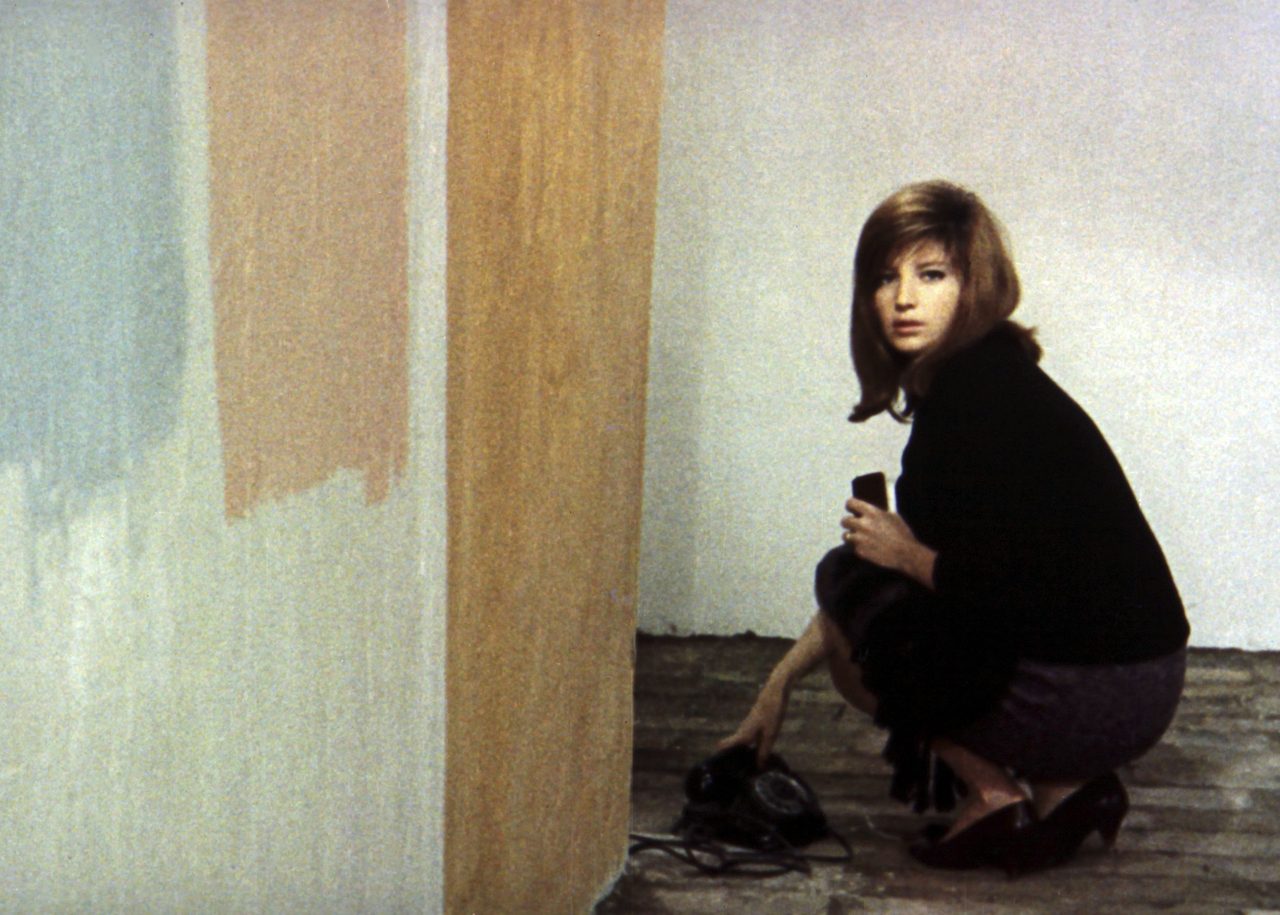
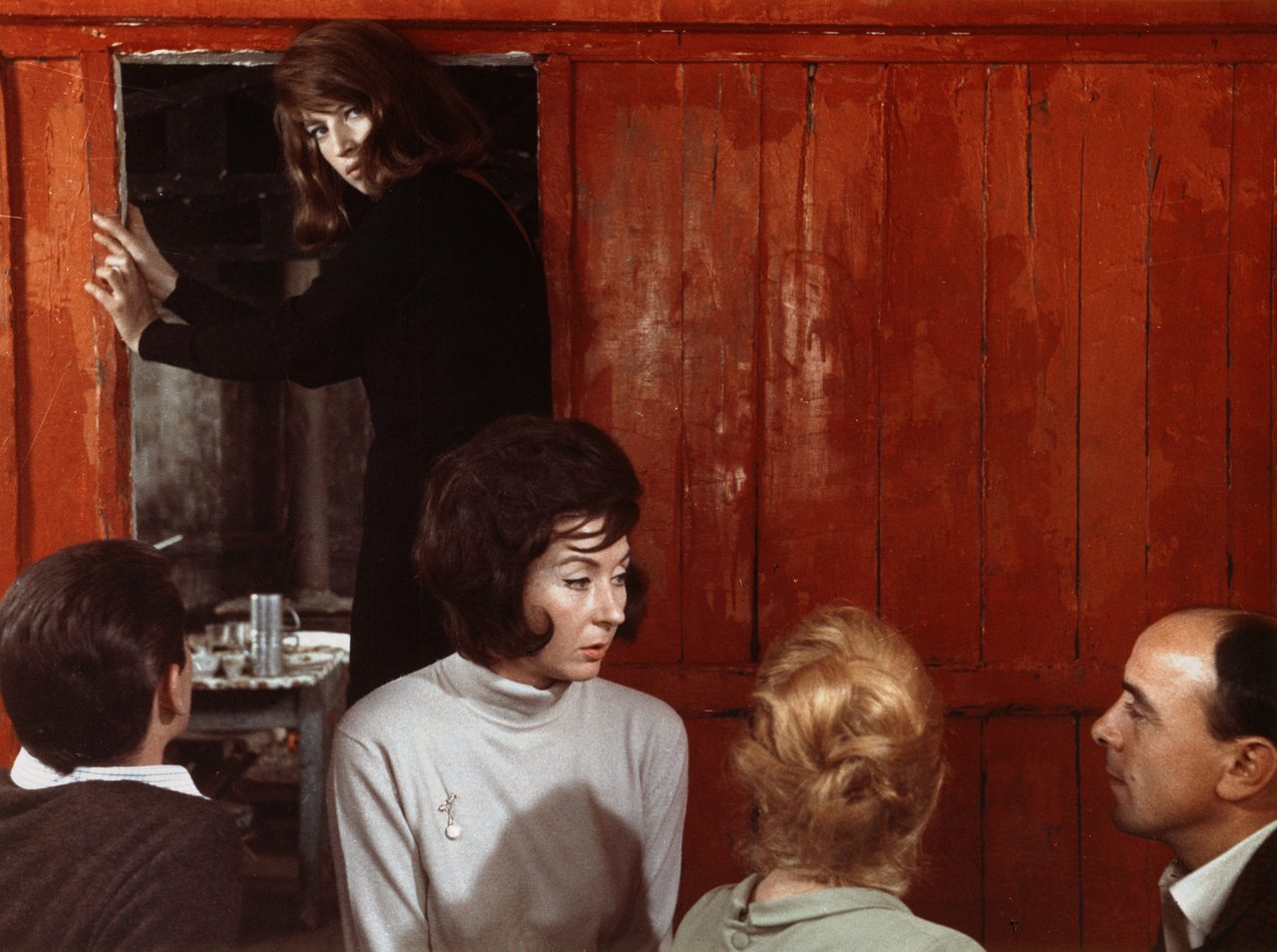
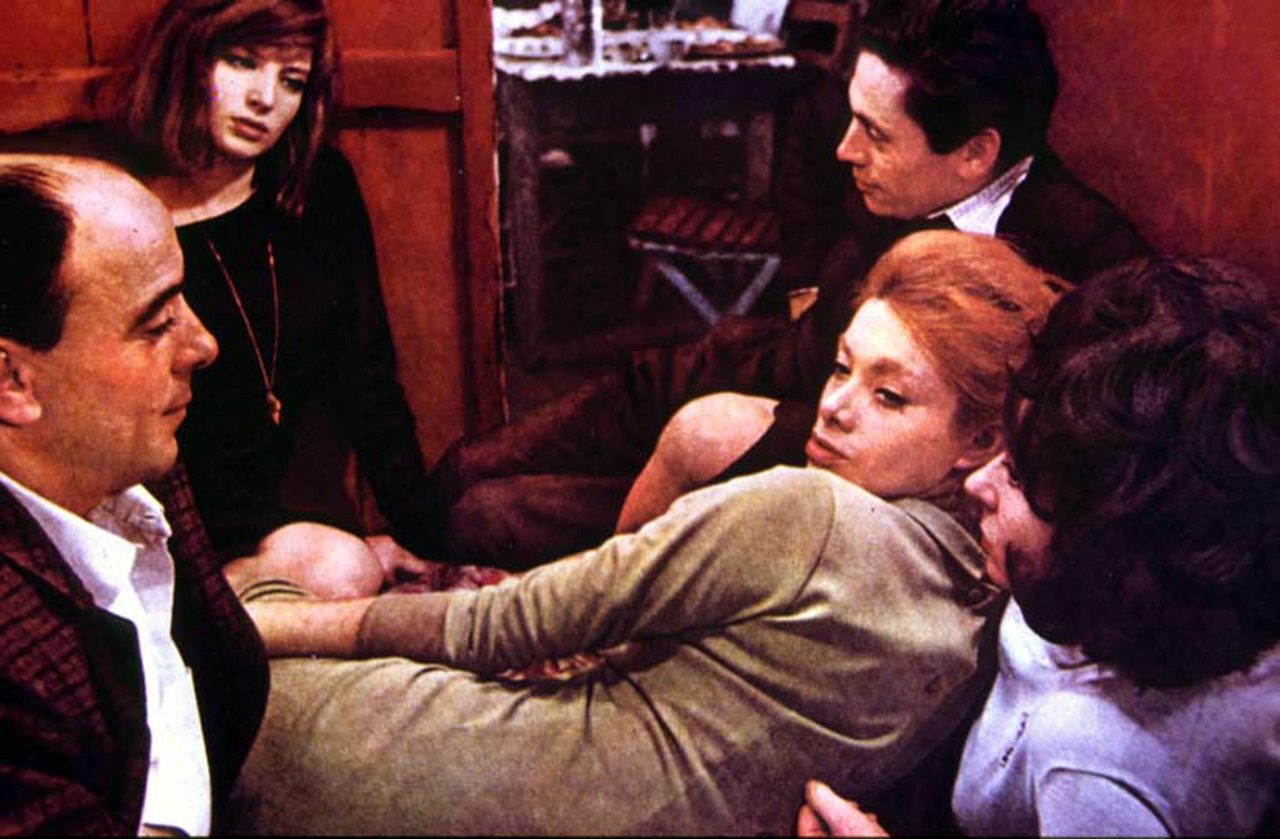
Striking workers stand outside the Ravenna petrochemical plant managed by Ugo, who is speaking there with Corrado, a visitor gathering men for a factory in Patagonia, Argentina. Giuliana, Ugo's wife, arrives with her son Valerio, and Ugo introduces her to Corrado. Ugo later explains that a car accident left her physically unharmed but mentally unwell. That night she is agitated by a dream of sinking into quicksand, and Ugo cannot calm her or grasp what she is going through. Corrado comes to the empty shop she intends to open and talks about his own restless life. She goes with him to Ferrara on a recruiting trip and speaks of her time in a hospital, where she met a young woman whose doctors had told her to seek something to love.
Cast


- Carlo Chionettias Ugo


- Lili Rheimsas Telescope operator's wife
- Aldo Grottias Max
- Valerio Bartoleschias Valerio - Giuliana's son
- Emanuela Pala Carbonias Girl in fable
- Giuliano Missirinias Radio telescope operator
- Bruno Borghi
- Beppe Conti


Did you know?!Facts and trivia about Red Desert (1964)
Can contain spoilers, watch the movie first.
- David Hemmings wrote in his autobiography that Richard Harris repeatedly clashed with Michelangelo Antonioni while filming, apparently over Antonioni's English and his oblique direction, and after a physical altercation Harris was fired and his scenes finished by a body double. Harris also took LSD for the first time and was caught climbing into the Trevi Fountain.
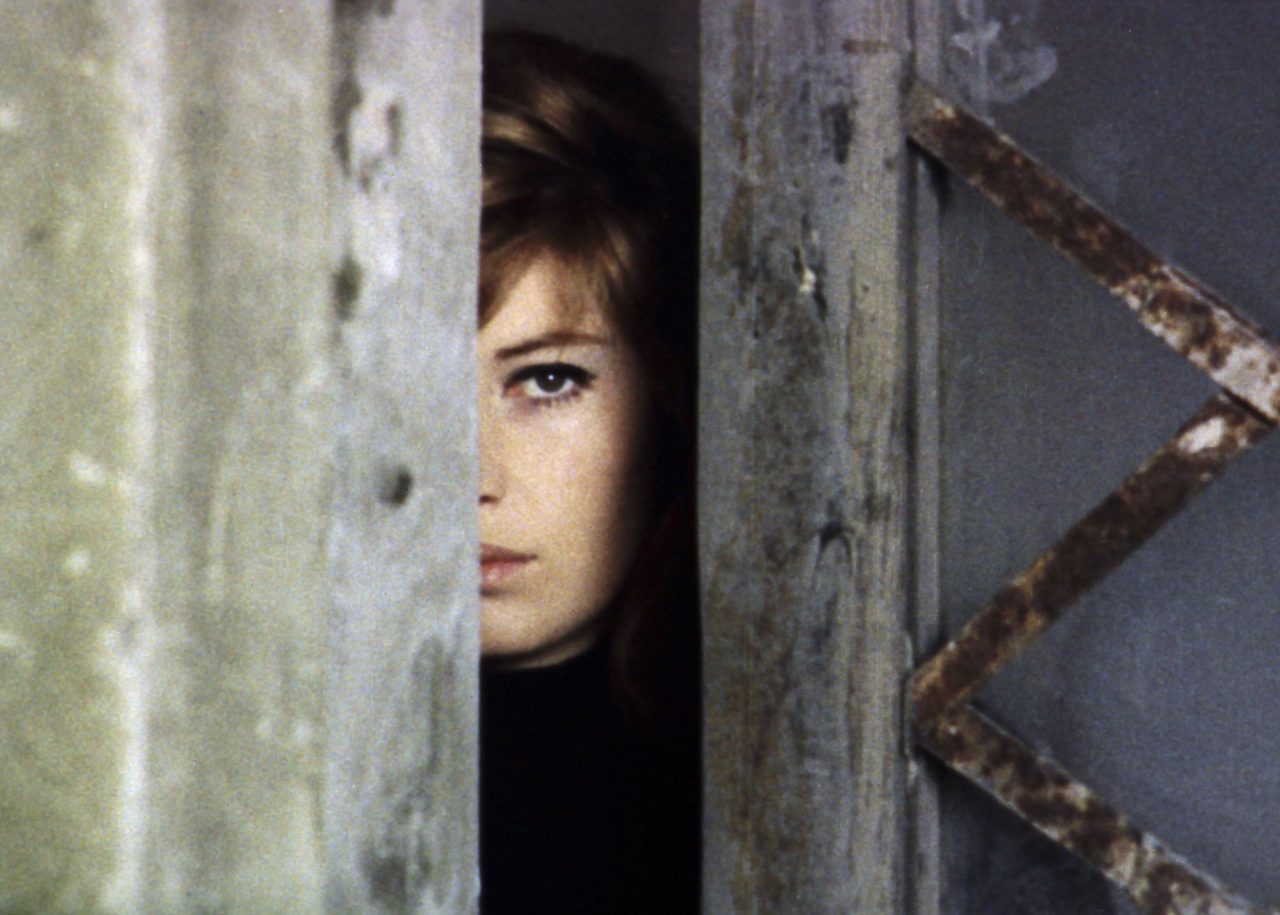
- Red Desert was Michelangelo Antonioni's first colour film; he had trees and grass painted white or grey so the landscape matched the painterly look he wanted.
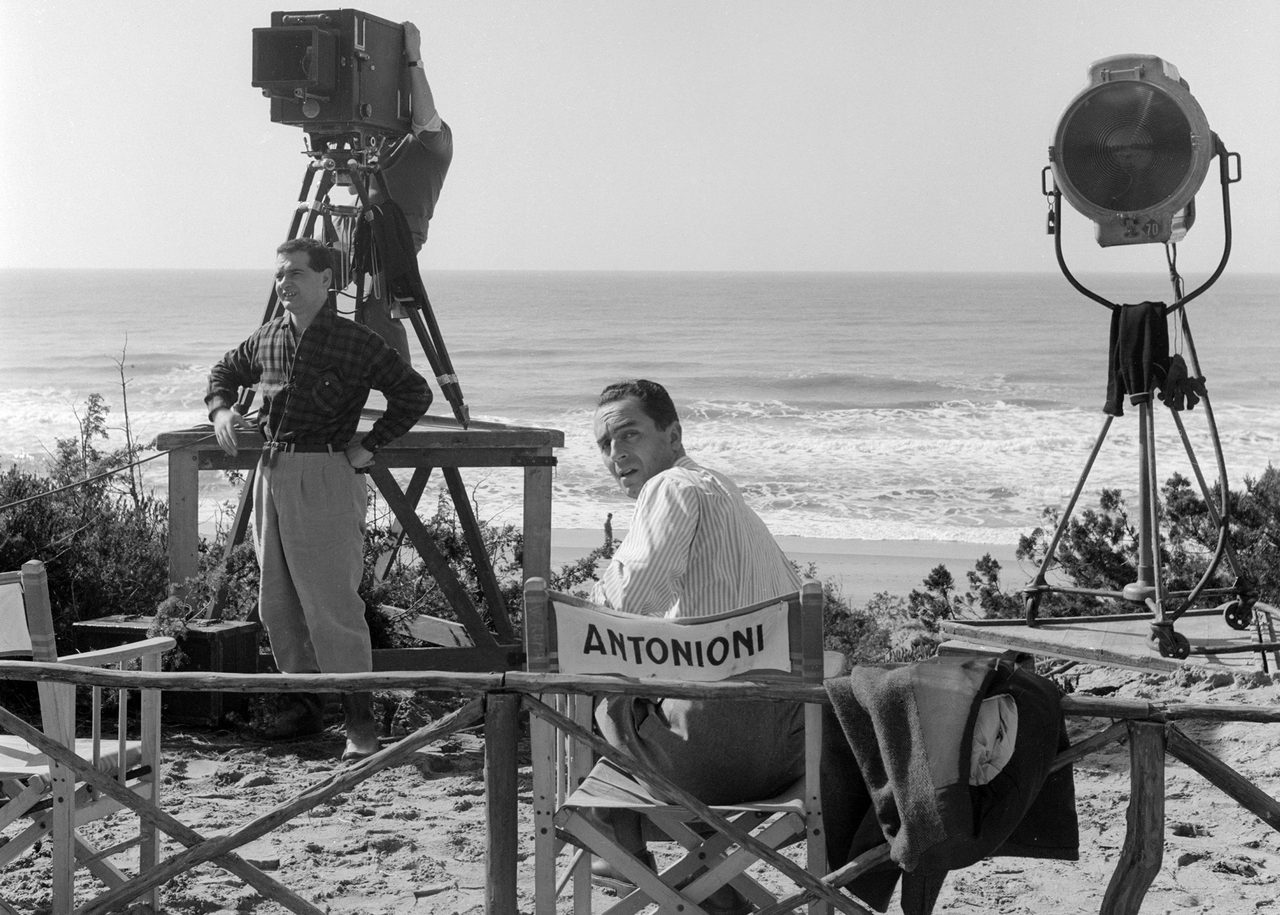
- Antonioni used telephoto and zoom lenses extensively, even when actors stood close to the camera, to flatten people and objects against each other and convey a sense of psychological oppression.