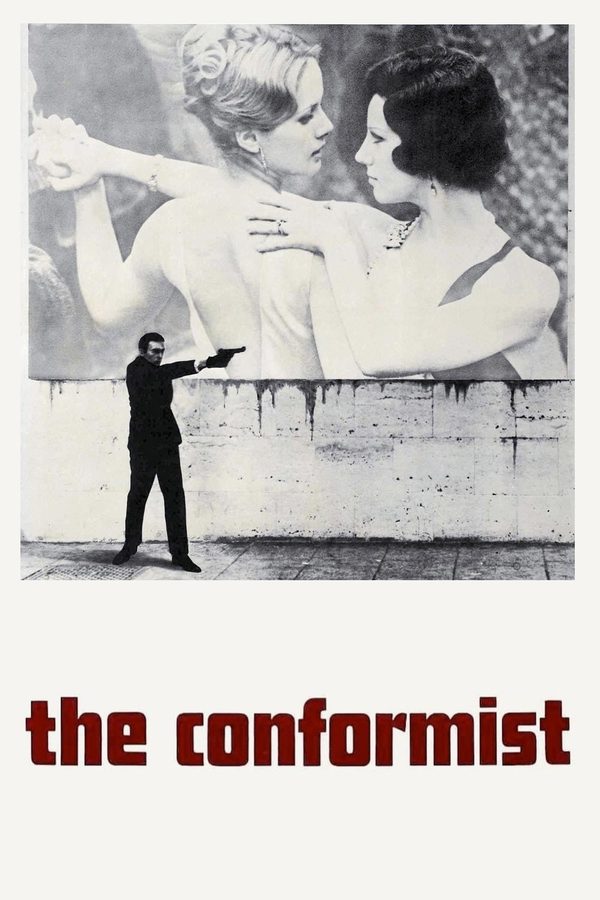
The Conformist (1970) on Netflix
In 1938, Marcello Clerici joins Mussolini's secret police and marries Giulia. Their Paris honeymoon is cover: his bosses want him to kill Luca Quadri, the anti-Fascist professor who taught him.
- Netflix3.7/5
- IMDb7.9/1039,742 votes
- Rotten Tomatoes98%
Trailer

Plot summary
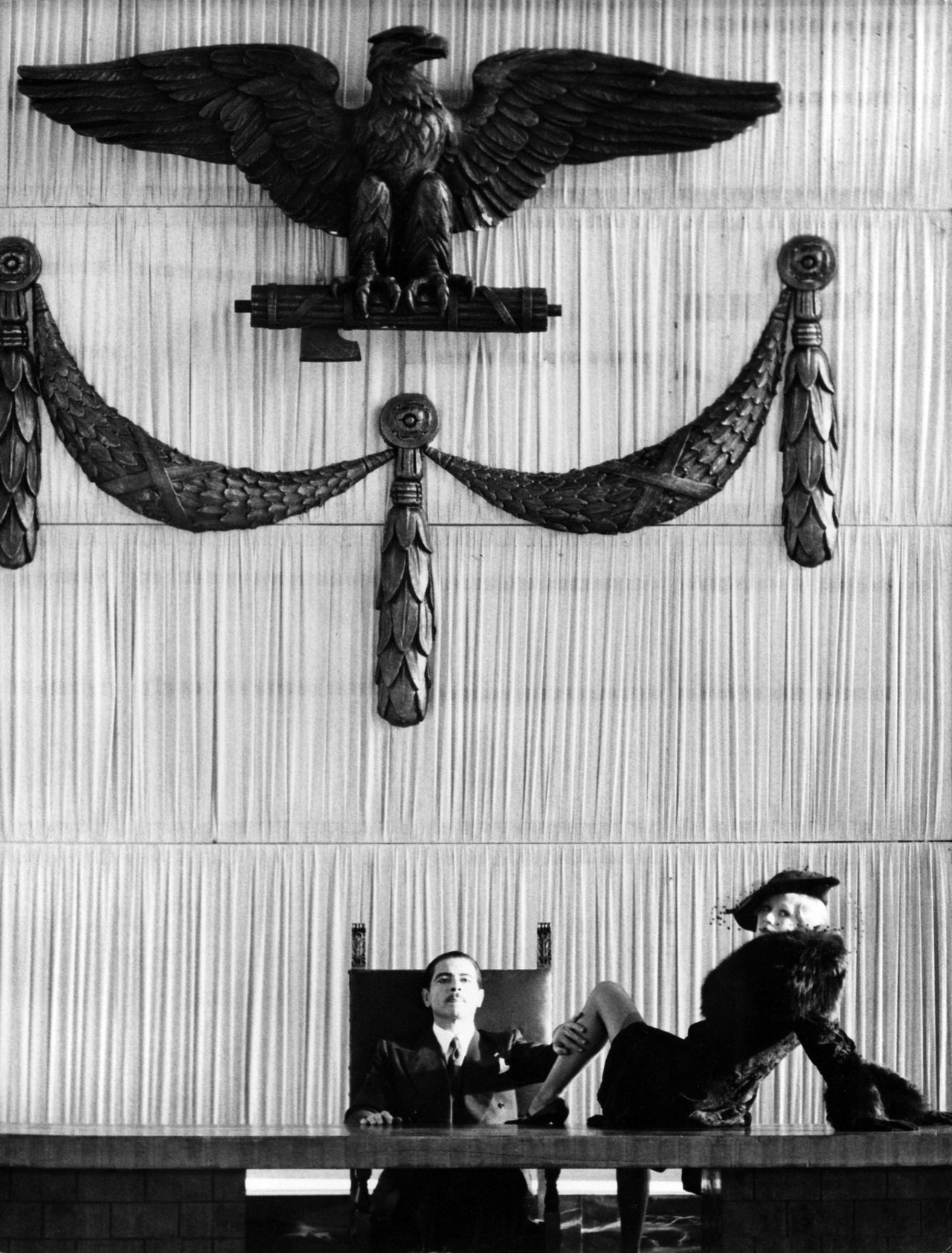
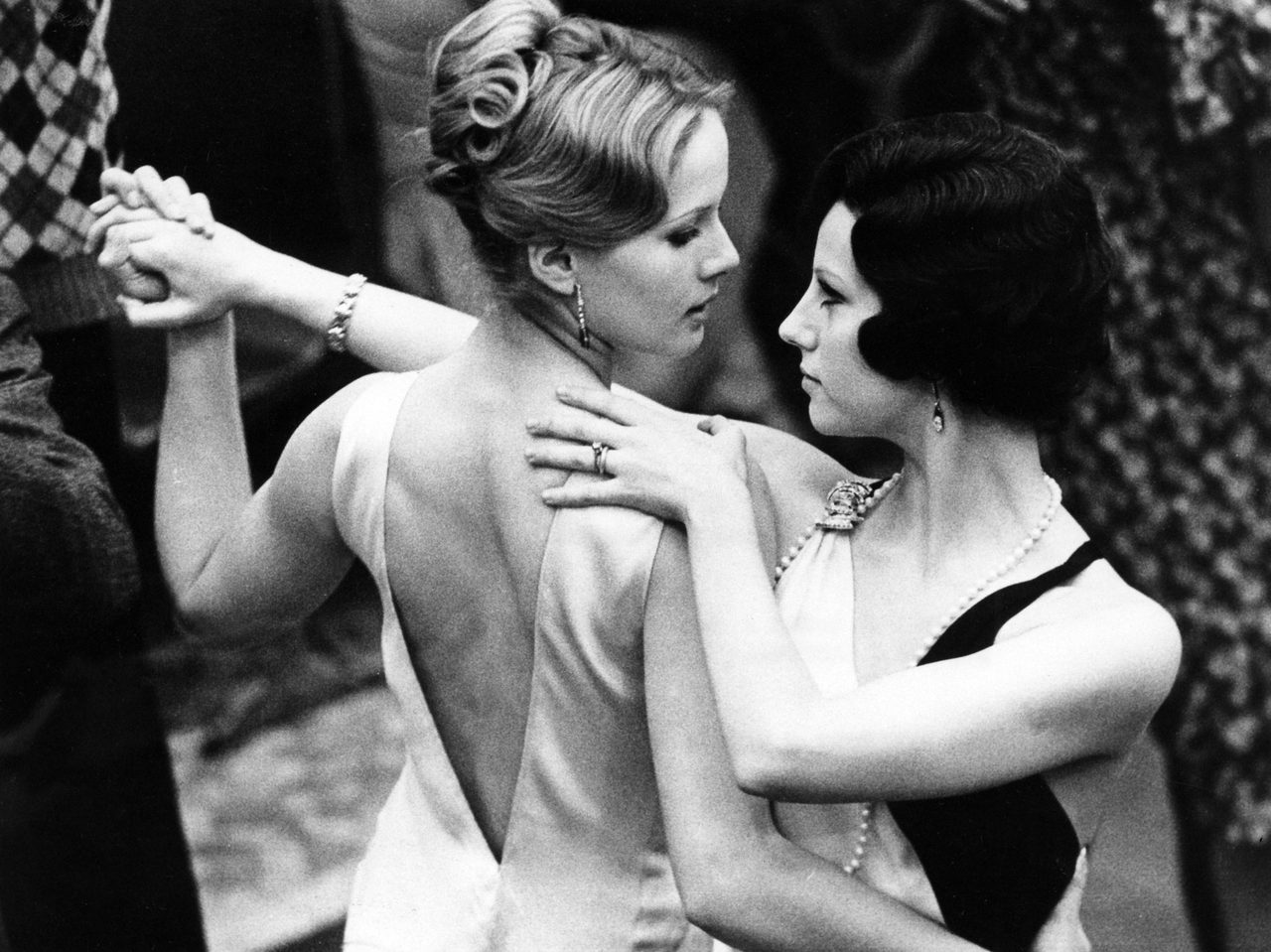
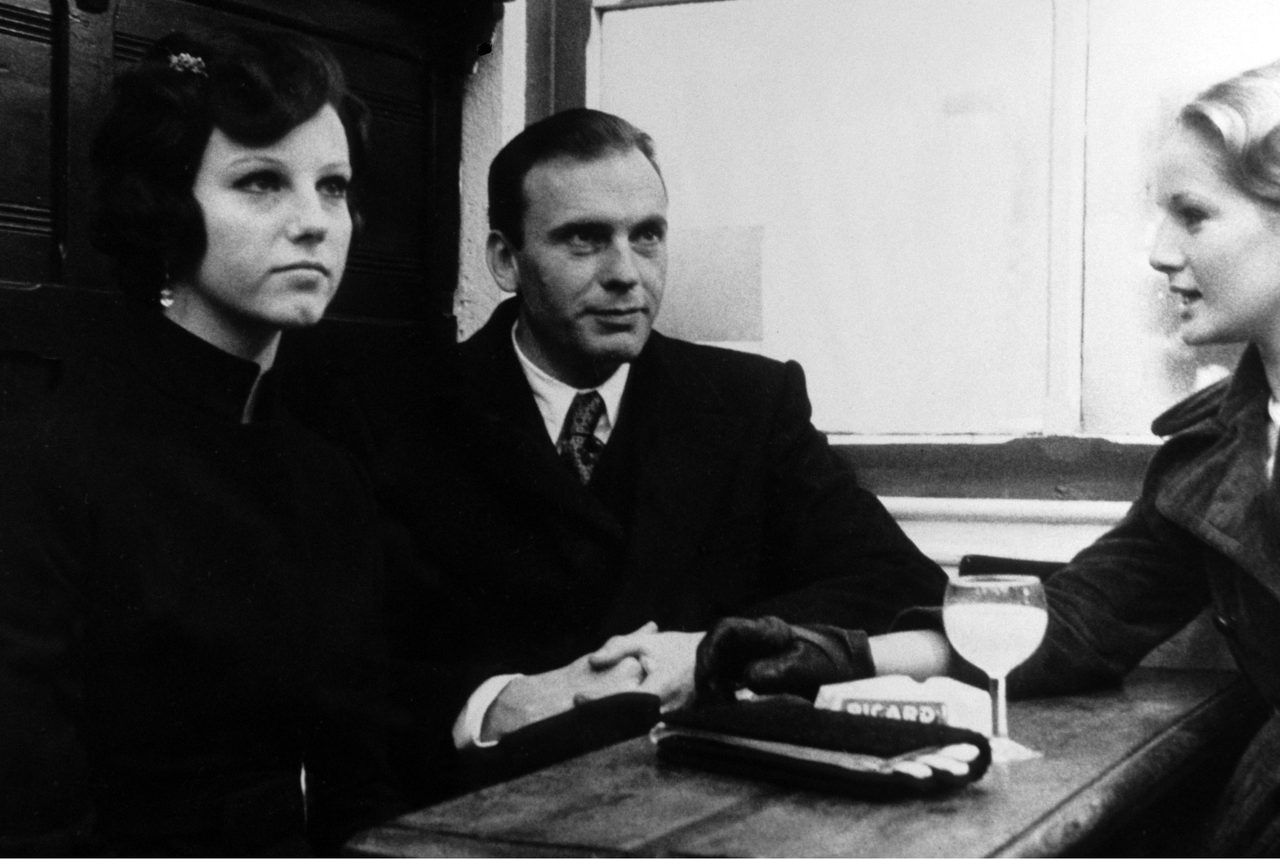
Rome, 1938. Marcello Clerici, a cultivated bureaucrat, wants the normality a traditional marriage will bring, so he courts Giulia and submits to the confession her Catholic family requires; the priest, shocked by his account, grants absolution once he learns of the job with Mussolini's secret police. Marcello discusses his plans with his blind friend Italo and visits his parents: a morphine-addicted mother in a decaying villa and a father in an asylum. His superiors then hand him a Paris assignment that his honeymoon will cover: Luca Quadri, the professor who once taught him and who left Italy as an anti-Fascist, is to be killed. Special Agent Manganiello joins the trip, and at the Quadris' home Marcello pursues Anna, the professor's French wife.
Cast






- Antonio Maestrias Confessor




Did you know?!Facts and trivia about The Conformist (1970)
Can contain spoilers, watch the movie first.
- Bernardo Bertolucci's first choices to play Giulia and Anna were Florinda Bolkan and Brigitte Bardot: Bolkan was busy shooting The Last Valley, and Bardot disliked the script. Anouk Aimée was also offered a role.
- The image of blowing leaves in The Conformist influenced a similar scene in Francis Ford Coppola's The Godfather Part II, and Coppola cast Gastone Moschin in that film because of his role in The Conformist.
- Jean-Louis Trintignant learned his Italian-language lines phonetically and, as was common in the Italian film industry at the time, was later dubbed over by another actor, Sergio Graziani.
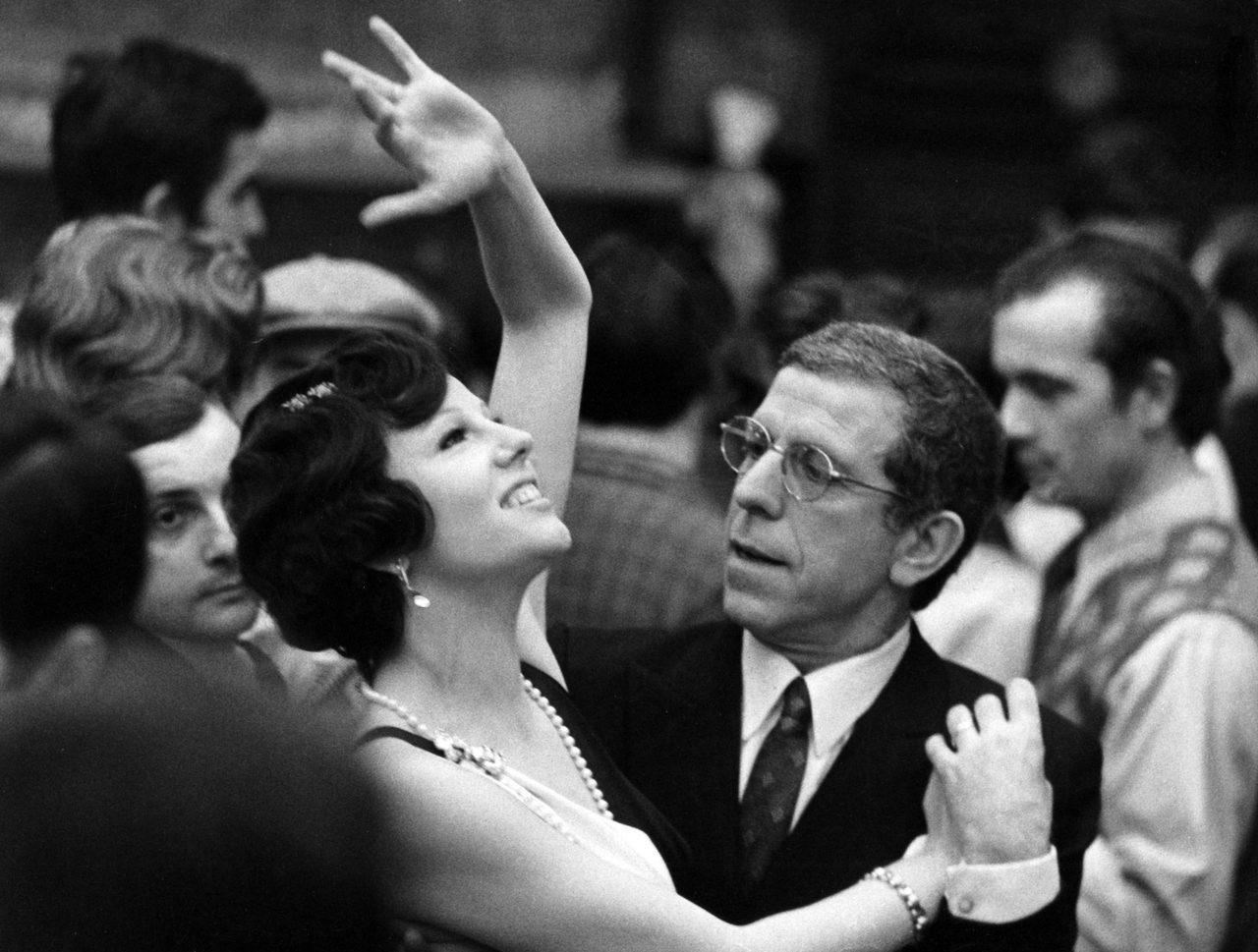
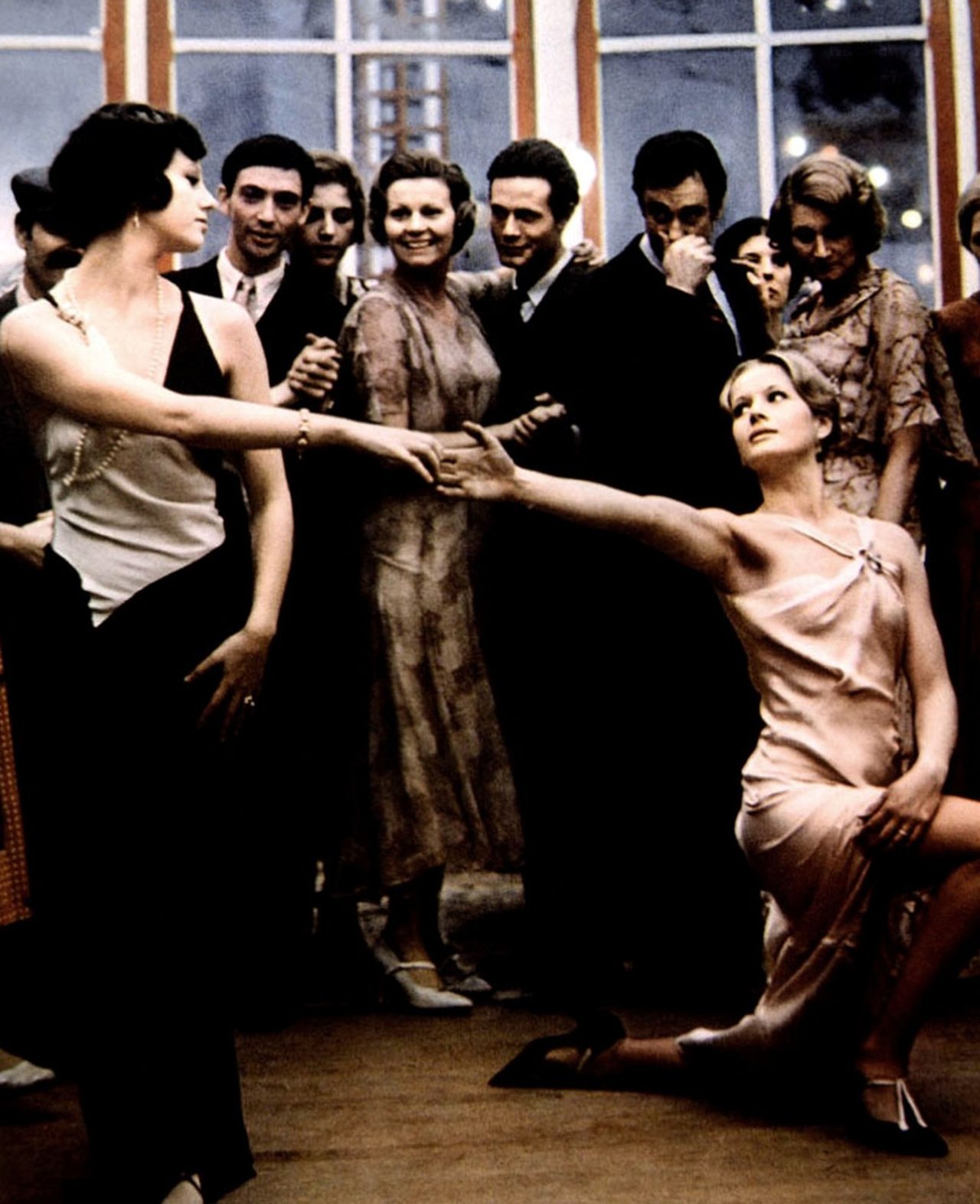
- The first American release of the film ran five minutes shorter than the Italian version, dropping a scene of blind people dancing; the footage was restored for the 1996 reissue.
- The film's in medias res, non-chronological storytelling was not in the original script: Bertolucci and his editor Franco Arcalli determined it during post-production.
- In 2008 Italy's Ministry of Cultural Heritage included the film on its list of 100 Italian films to be saved, works said to have changed the country's collective memory between 1942 and 1978.