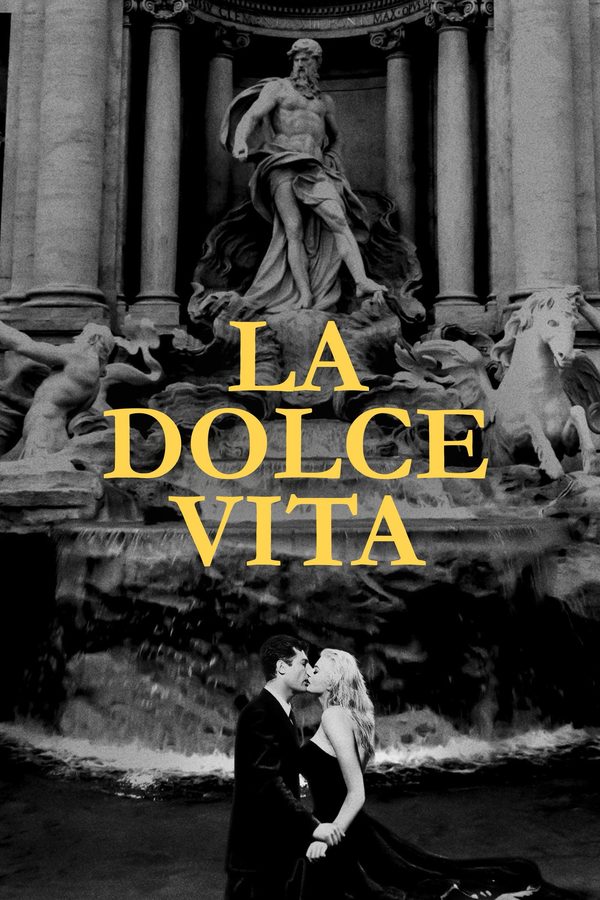
La Dolce Vita (1960) on Netflix
Marcello Rubini hunts celebrities for a Rome tabloid, catching them in compromising situations. He is engaged to Emma, yet the heiress Maddalena and the actress Sylvia hold his attention.
- Netflix4.4/5
- IMDb8.0/1086,625 votes
- Rotten Tomatoes95%
Trailer

Plot summary
A helicopter carries a statue of Christ over Rome while Marcello Rubini follows it in a news helicopter, working the tabloid beat and hoping to become a serious novelist. He is engaged to Emma, who is insecure and clings to him. At an exclusive nightclub he meets Maddalena, a wealthy heiress who has grown tired of Rome; the two drive off in her Cadillac. Marcello is then sent to the airport for the arrival of Sylvia, a Swedish-American film star, where reporters crowd around her and her boyfriend Robert turns up late and drunk. Marcello phones Emma from the press conference to reassure her.
Cast





- Audrey McDonaldas Jane


Did you know?!Facts and trivia about La Dolce Vita (1960)
Can contain spoilers, watch the movie first.
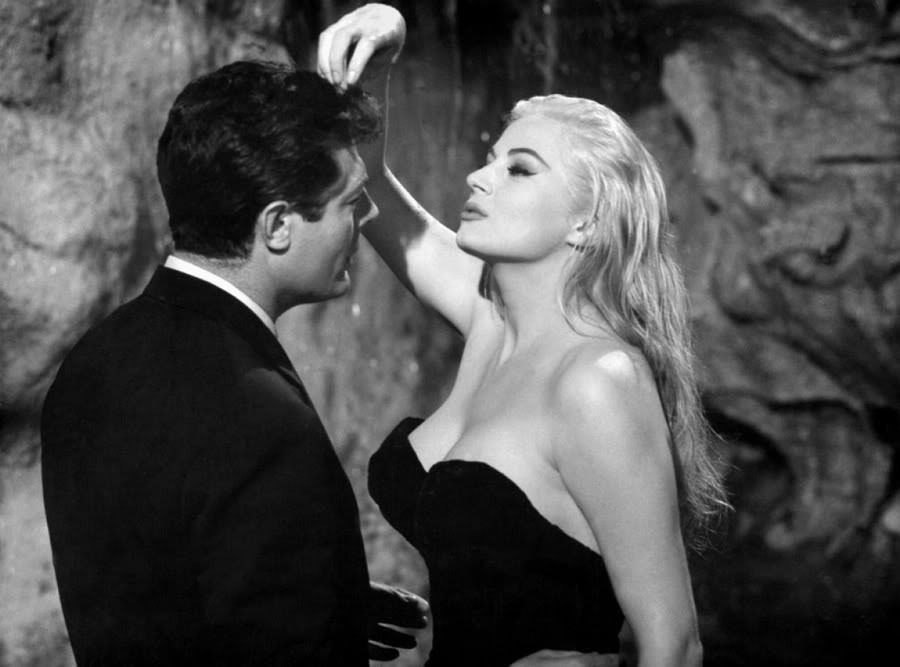
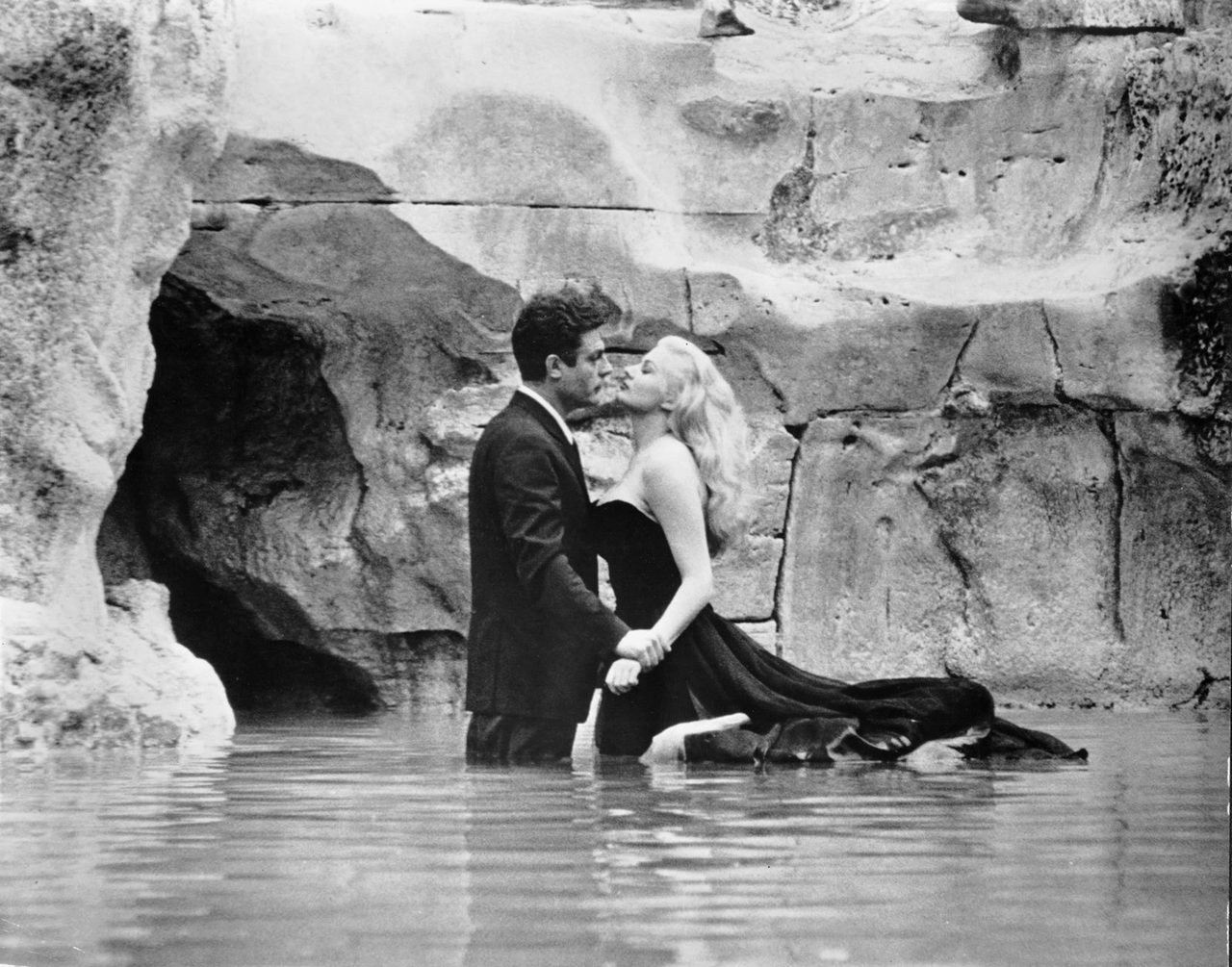
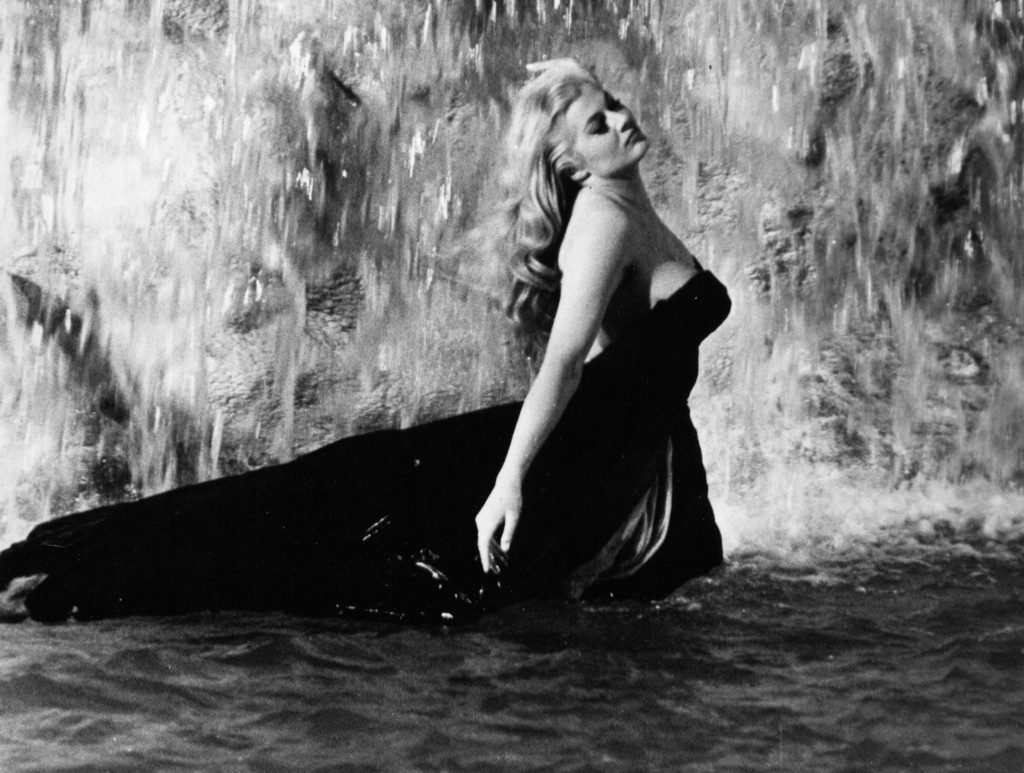
- The Trevi Fountain scene was shot over a week in winter: Federico Fellini said Anita Ekberg stood in the cold water in her dress for hours without trouble, while Marcello Mastroianni wore a wetsuit under his clothes to no avail, and only after the actor finished a bottle of vodka could Fellini shoot the scene.
- The film's news photographer Paparazzo, played by Walter Santesso and inspired by photojournalist Tazio Secchiaroli, gave the world the word paparazzi; co-screenwriter Ennio Flaiano took the name from Signor Paparazzo in George Gissing's 1901 travel book By the Ionian Sea.
- Perceived by the Catholic Church as a parody of the second coming of Jesus, the film was condemned in 1960 by the Vatican newspaper L'Osservatore Romano and censored by Italian culture minister Umberto Tupini; Spain banned it until dictator Francisco Franco died in 1975, and Portugal allowed it only after ten years.
- Asked to read the script before agreeing to the lead, Marcello Mastroianni found nothing written but blank pages and a sketch of a man swimming with an enormous phallus while mermaids danced around it; he asked where to sign and got the part.
- Marcello Mastroianni recalled that the producer wanted Paul Newman for the lead role, but Federico Fellini considered Newman too beautiful and preferred Mastroianni as "the face of normal."
- The film's "false miracle" alludes to a 1958 investigation into two children's claims of a Madonna vision at a farm at Maratta Alta, near Terni, and the dead sea monster alludes to the Montesi affair, in which the body of 21-year-old Wilma Montesi was found on a beach in April 1953.
- The character of Steiner was the creation of co-screenwriter Tullio Pinelli, who had gone to school with Italian novelist Cesare Pavese and believed the writer's over-intellectualism had become emotionally sterile, leading to Pavese's suicide in a Turin hotel in 1950.
- Fellini scrapped a major planned sequence about Marcello's affair with Dolores, an older writer living in a tower, who was to be played by 1930s Oscar-winning actress Luise Rainer; biographer Kezich says the character grew "hyperbolic" in rewrites and the whole story line was dropped.