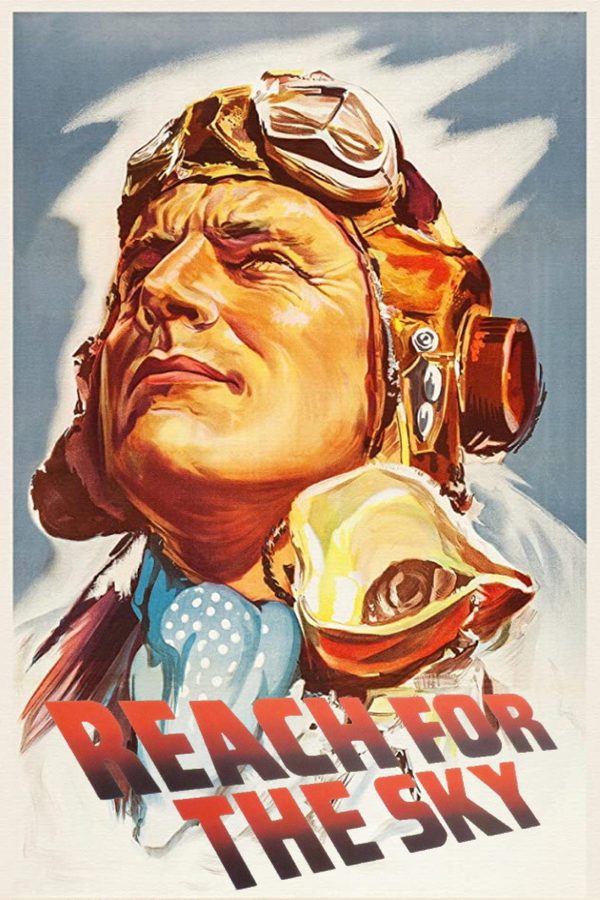
Reach for the Sky (1956) on Netflix
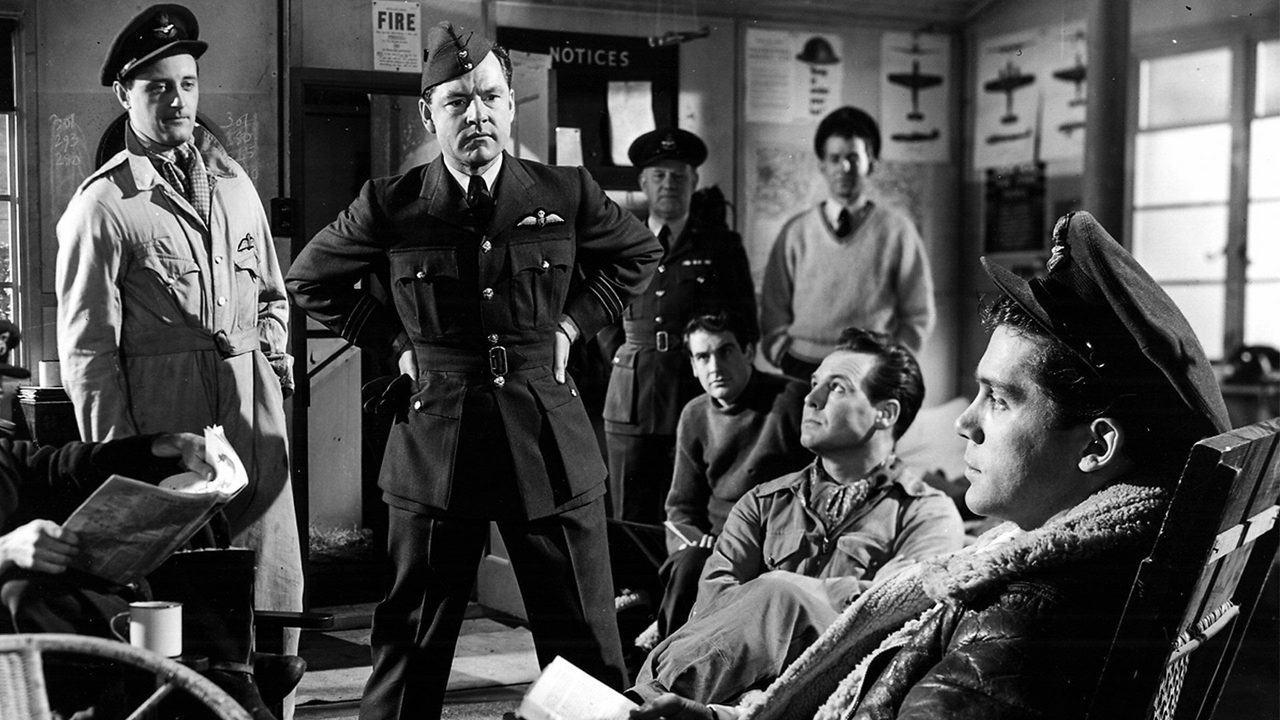
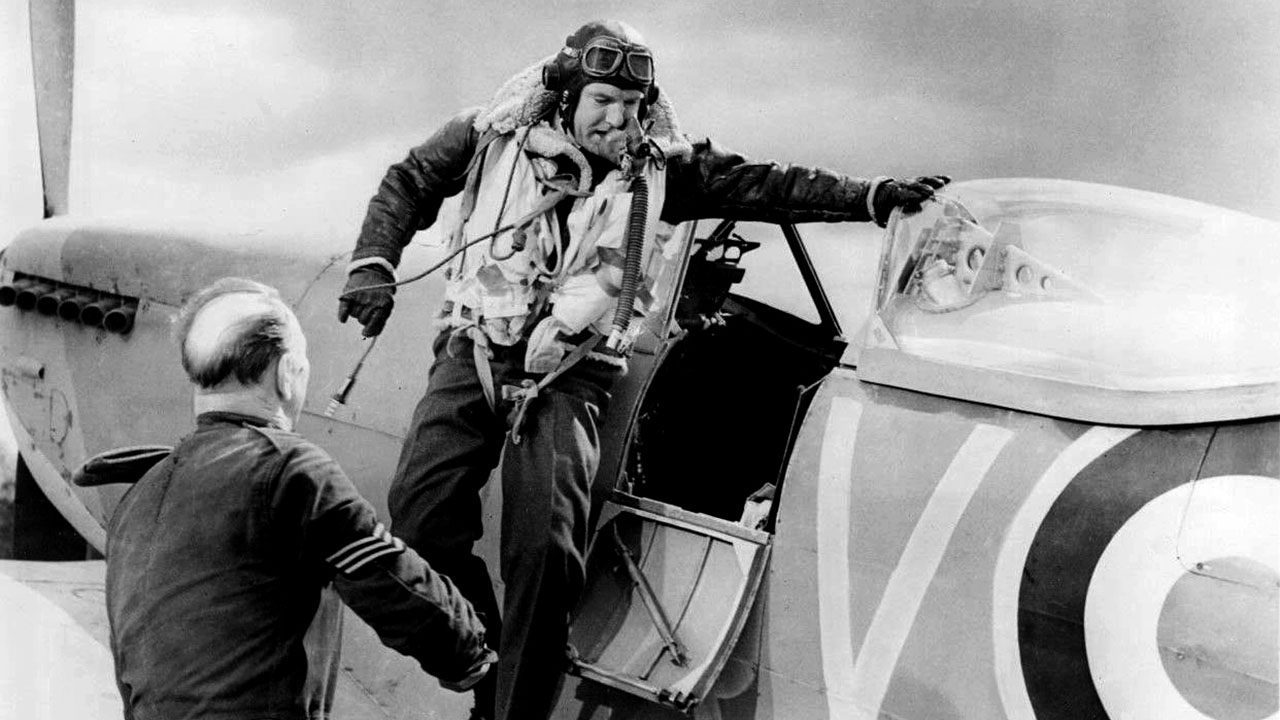
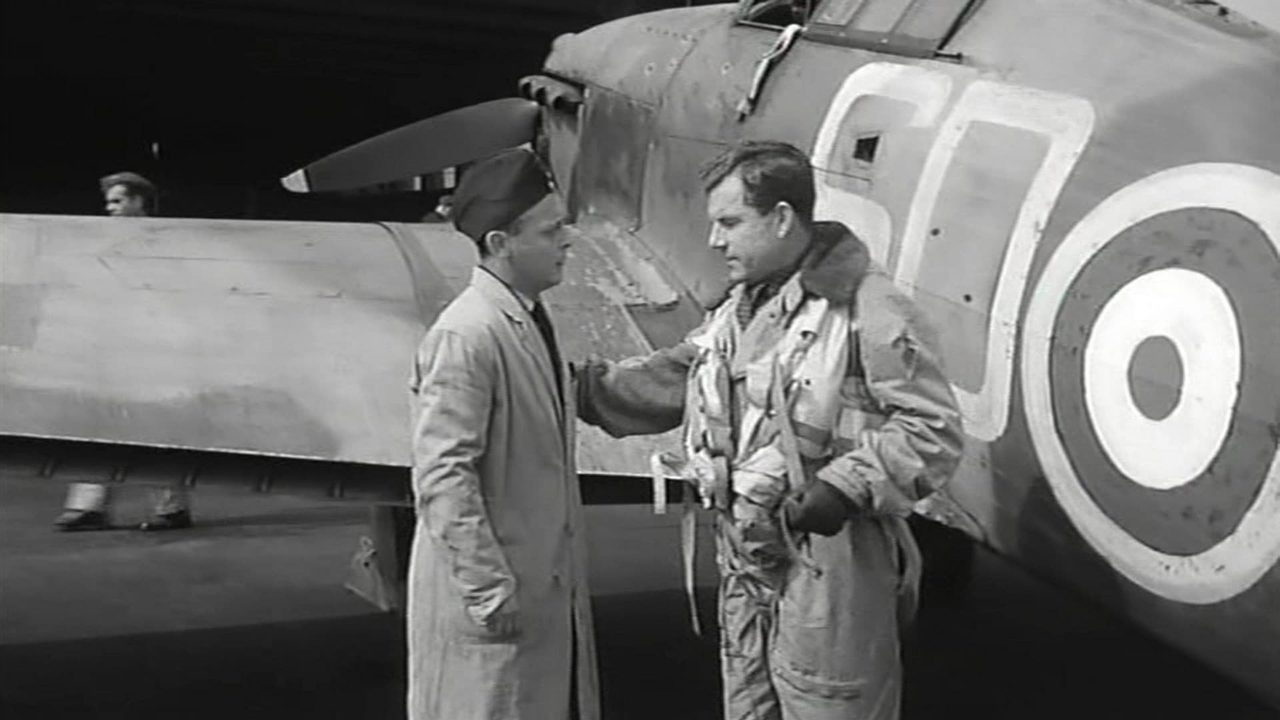
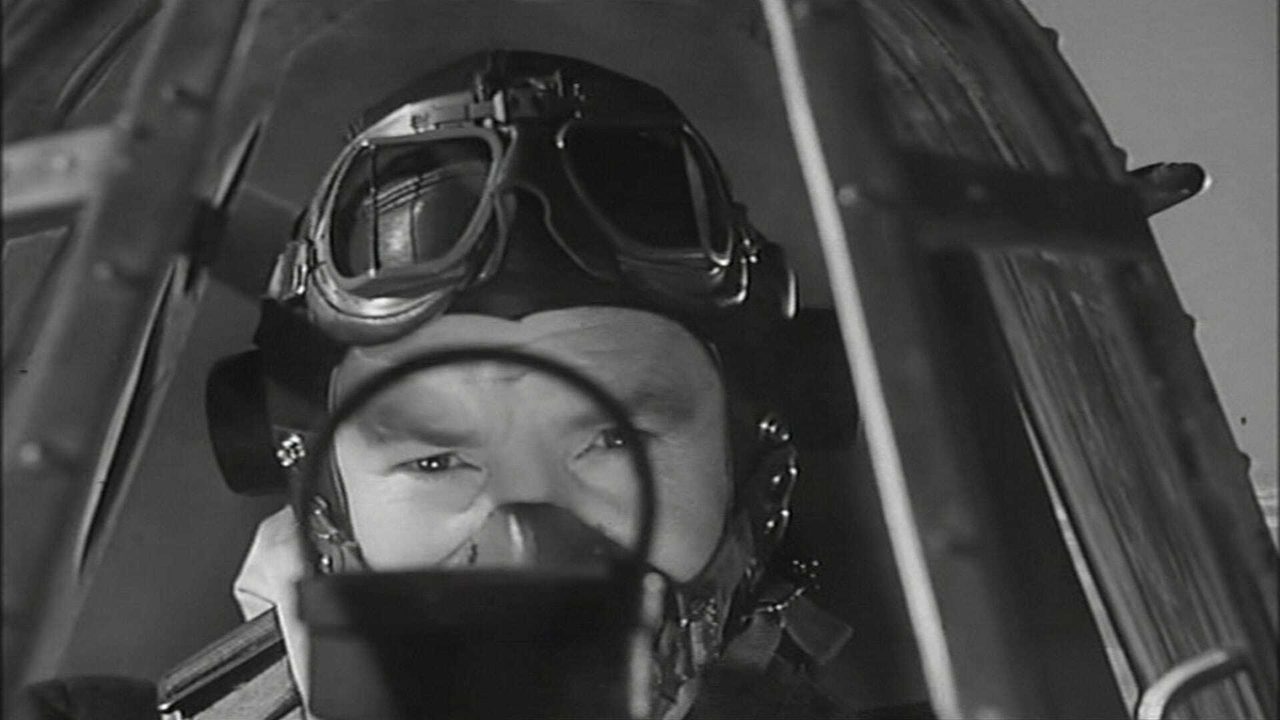
Royal Air Force pilot Douglas Bader is chosen for an aerial exhibition in 1930. A crash costs him both legs, and he sets out to walk again on artificial limbs.
- Netflix3.8/5
- IMDb7.2/103,281 votes
- Rotten Tomatoes80%
Trailer

Plot summary
Douglas Bader becomes a flight cadet in the Royal Air Force in 1928. Air Vice-Marshal Halahan warns him about ignoring service discipline and flight rules, but he finishes his training and joins No. 23 Squadron at RAF Kenley. In 1930 he is picked for an aerial exhibition. Low-level aerobatics are forbidden, and a civilian pilot's taunt pushes him into them. His biplane's wing tip strikes the ground and he is badly hurt. Mr Joyce, a hospital surgeon, amputates the lower part of both legs. Nurse Brace encourages him as he recovers.
Cast



Did you know?!Facts and trivia about Reach for the Sky (1956)
Can contain spoilers, watch the movie first.
- Richard Burton was the first choice to play Douglas Bader but dropped out when offered the lead in Alexander the Great at three or four times the salary. Laurence Olivier then turned it down, and Kenneth More was cast instead, at a fee of £25,000.
- Douglas Bader was going to double for Kenneth More in long shots, but refused after Lewis Gilbert cut many of Bader's friends from the script, warning he would not do it unless they were included. Gilbert found someone with a similar disability instead.
- Douglas Bader had fallen out with Paul Brickhill over the split of royalties from the book, so he refused to attend the film's premiere and saw Reach for the Sky for the first time eleven years later, on television.
- After the film came out, the public associated the real Douglas Bader with the quiet, amiable personality of Kenneth More; Bader noted that the producers had cut his prolific bad language and other operational habits.