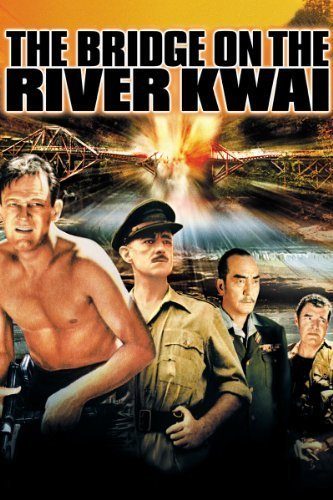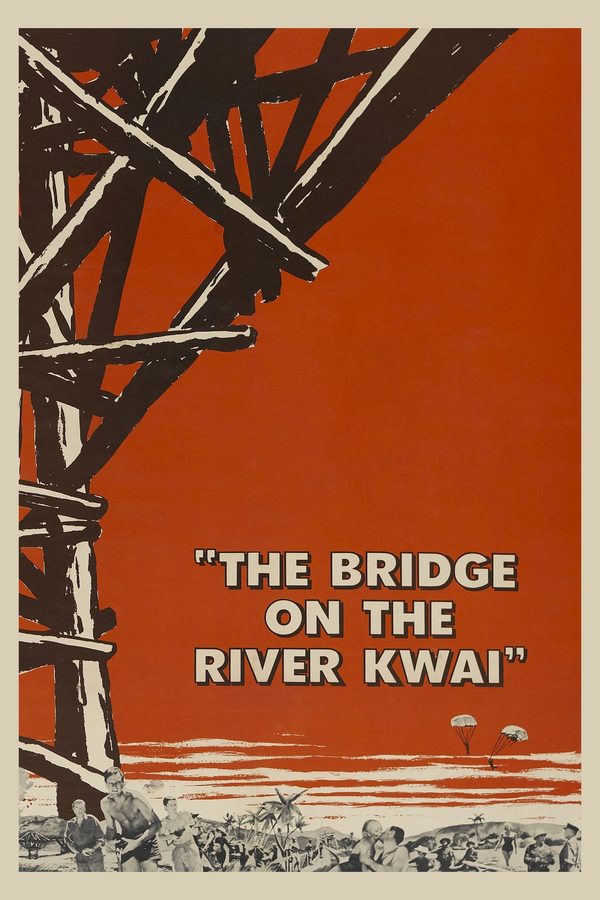
The Bridge on the River Kwai (1957) on Netflix
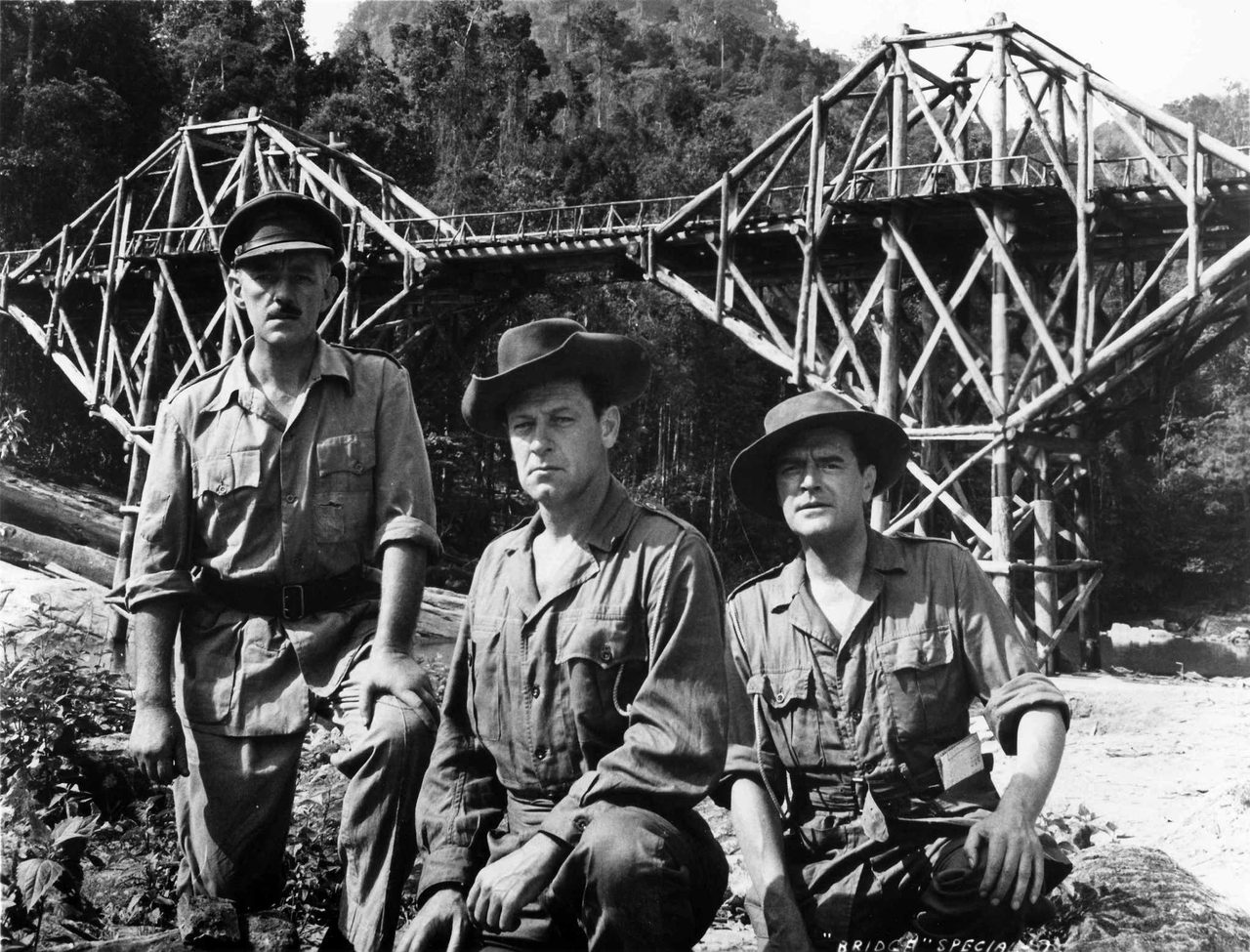
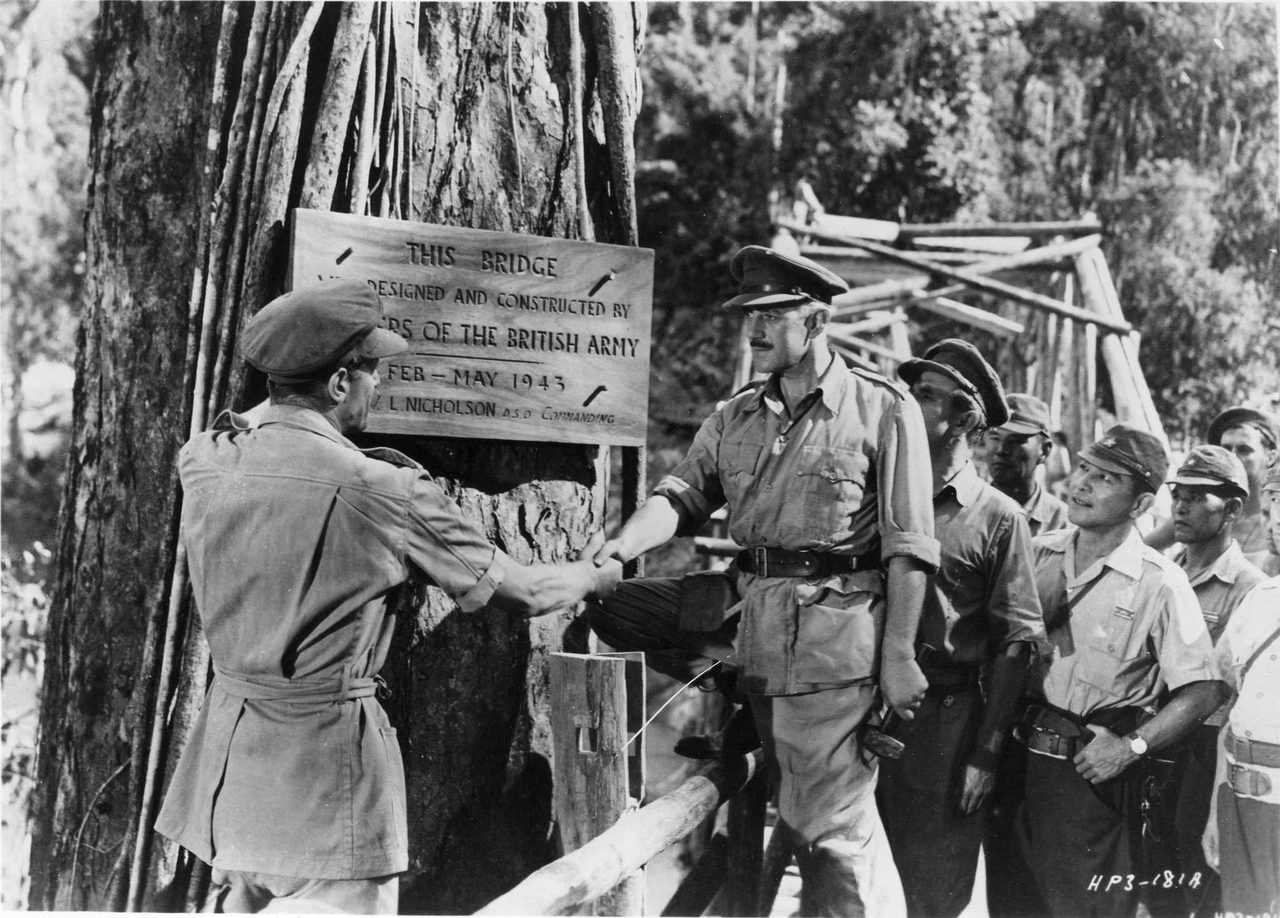
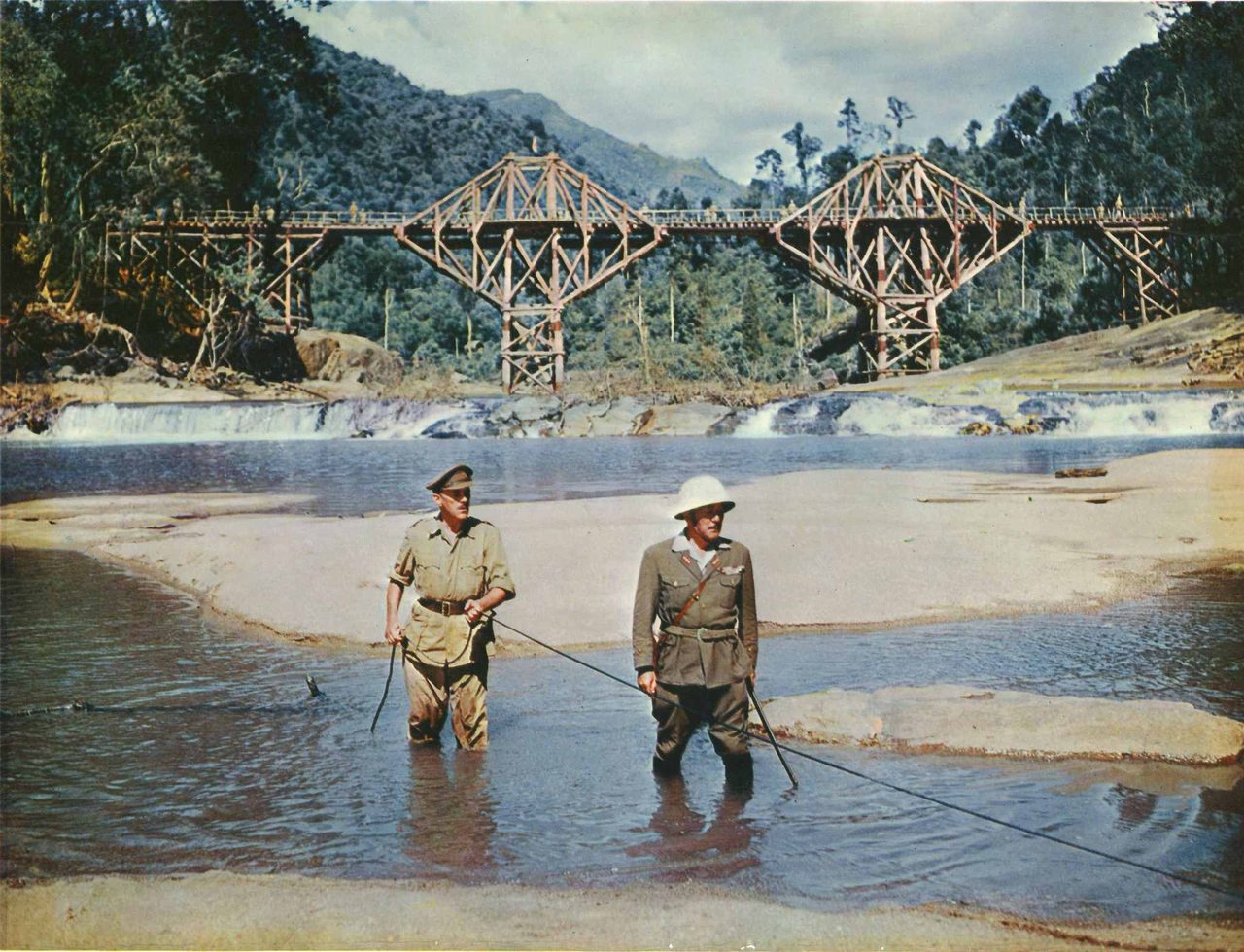
British POWs reach Colonel Saito's camp in Thailand to build a bridge over the River Kwai. Colonel Nicholson, the senior officer, cites the Geneva Convention on officers and manual labor.
- Netflix4.0/5
- IMDb8.1/10251,152 votes
- Rotten Tomatoes96%
Trailer

Plot summary
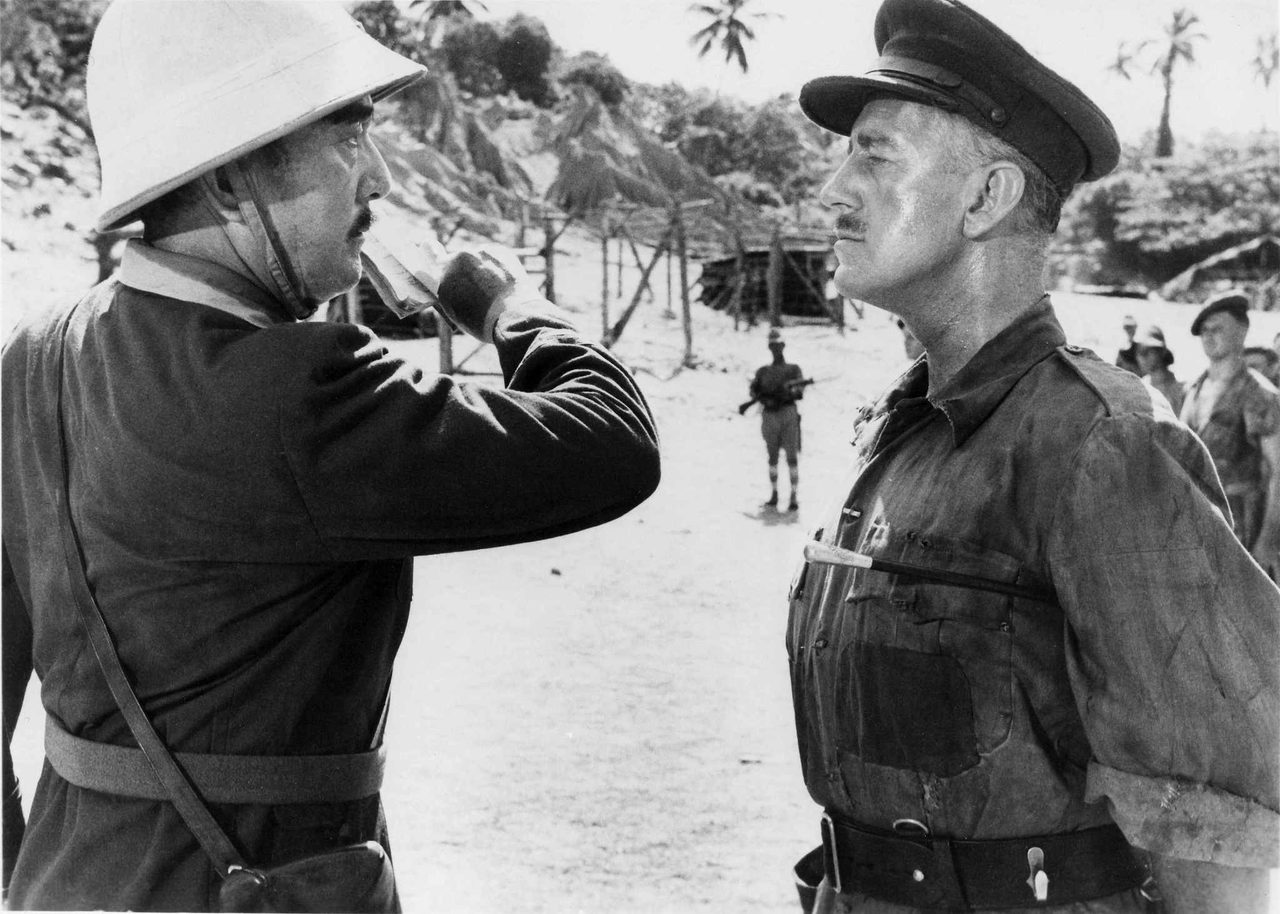
In February 1943, a group of British prisoners of war under Colonel Nicholson arrives at a Japanese camp in Thailand. Colonel Saito, the commandant, tells them they are to build a railway bridge across the River Kwai, part of the line between Thailand and Burma. Nicholson objects that the Geneva Convention exempts officers from manual labor. Saito threatens to shoot the officers, and Major Clipton, the medical officer, points out how many men would witness it. The officers stand in the heat until evening, when they are confined to a punishment hut.
Cast




Show all 20 cast
- Vilaiwan Seeboonreaungas Siamese Girl

- Javanart Punynchotias Siamese Girl
- Kannikar Dowkleeas Siamese Girl

- M.R.B. Chakrabandhuas Yai (as M.R.B. Chakrabandhu {Col. Broome})


Did you know?!Facts and trivia about The Bridge on the River Kwai (1957)
Can contain spoilers, watch the movie first.
- Guinness said he subconsciously based Nicholson's walk as he emerges from "the Oven" on that of his eleven-year-old son, who was recovering from polio at the time, a disease that left him temporarily paralyzed from the waist down. Guinness called it the finest piece of work he had ever done.
- A former prisoner of the Japanese who had worked on the Burma Railway said he never heard Colonel Bogey whistled in Thailand. He was told that David Lean became mad at the extras who played the prisoners because they couldn't march in time and shouted at them to whistle a march, and an expert whistler began the tune.
- The real senior officer at the actual bridge, Lieutenant Colonel Philip Toosey, was the opposite of the fictional Nicholson: rather than cooperating with the Japanese, he encouraged sabotage such as collecting termites to eat the wooden structures and deliberately mixing the concrete badly, leading some to call the film an insulting parody of him.
- The bridge explosion was to be filmed on 10 March 1957 in the presence of S.W.R.D. Bandaranaike, then Prime Minister of Ceylon, but cameraman Freddy Ford was unable to get out of the way in time and Lean had to stop filming. The train crashed into a generator and was repaired in time to be blown up the next morning.
- Charles Laughton was Lean's first choice for Nicholson but was either denied insurance coverage or not keen on filming in a tropical location. Cary Grant was offered the role and turned it down in favour of The Pride and the Passion. Guinness admitted Lean "didn't particularly want me" and thought about returning to England when he arrived in Ceylon.
- Screenwriters Carl Foreman and Michael Wilson were both on the Hollywood blacklist and, even though they were living in exile in England, could only work on the film in secret.
- Composer Malcolm Arnold had only ten days to write about forty-five minutes of score and called it "the worst job I ever had in my life" because of the time pressure, yet the music went on to win him an Oscar and a Grammy.
- William Holden's deal gave him 10% of the film's gross receipts, an arrangement considered one of the best ever for an actor at the time.