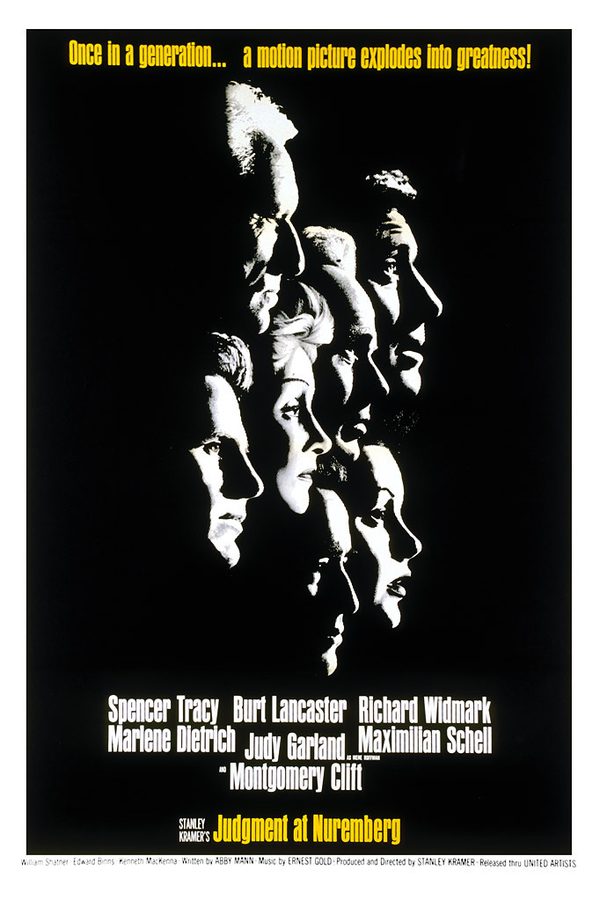
Judgment at Nuremberg (1961) on Netflix
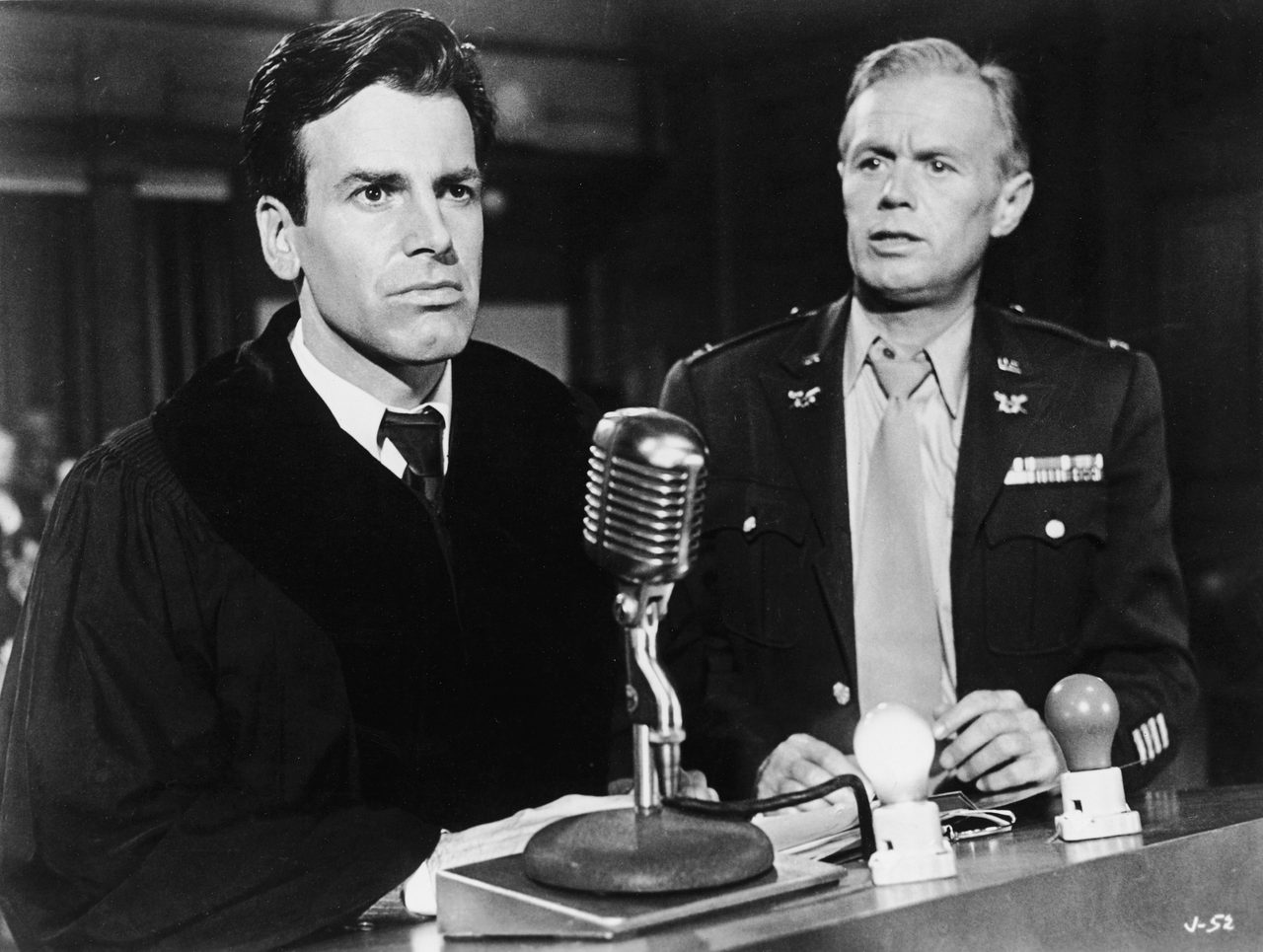
In 1948 Nuremberg, Chief Judge Dan Haywood presides over a tribunal trying four German judges accused of crimes against humanity. Germans he meets say they knew nothing of the atrocities.
- Netflix4.0/5
- IMDb8.3/1098,577 votes
- Rotten Tomatoes92%
Trailer

Plot summary
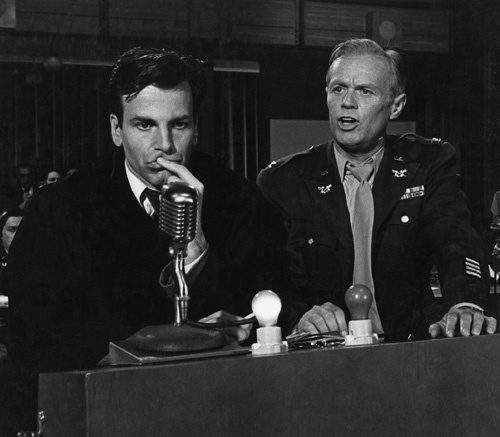
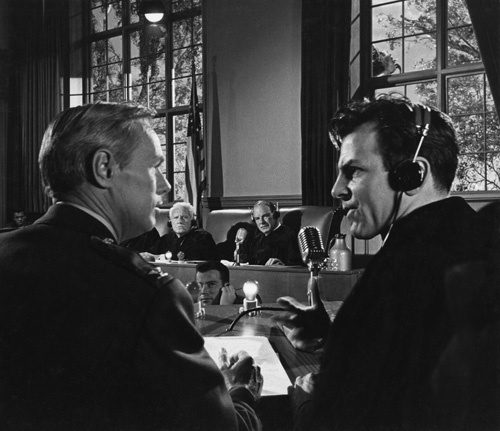
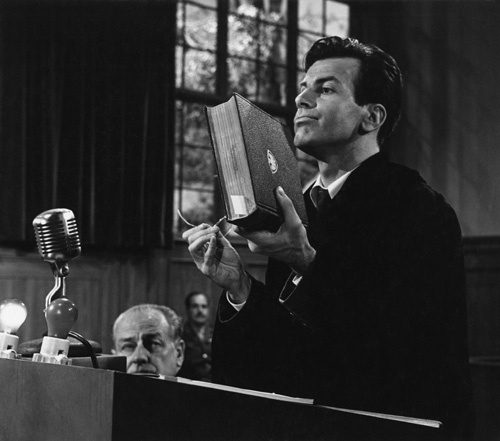
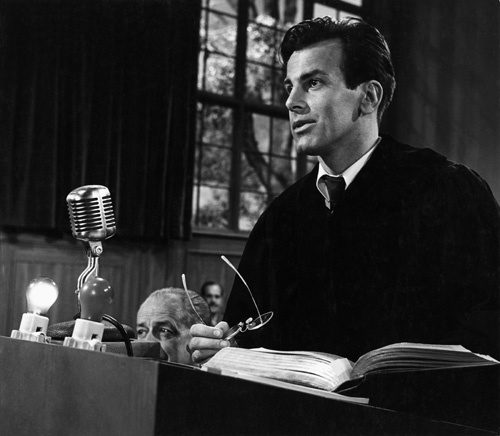
Three years after the main Nuremberg trials, Chief Judge Dan Haywood arrives in occupied Germany to preside over the case of four German judges charged with crimes against humanity. Prosecuting attorney Col. Tad Lawson describes the men as willing accomplices in Nazi atrocities, while defense attorney Hans Rolfe contends that others share the blame. Haywood is unsure the matter is so simple, and the Cold War and the Berlin Blockade bring pressure to treat the defendants lightly. Away from the bench he finds the same reluctance: Mrs. Bertholt, widow of an executed general, concentrates on rebuilding the city, his housekeepers remember only their own wartime losses, and a witness, Irene Hoffman, is afraid to testify.
Cast




- Joseph Bernardas Maj. Abe Radnitz


Did you know?!Facts and trivia about Judgment at Nuremberg (1961)
Can contain spoilers, watch the movie first.
- Judgment at Nuremberg was the first mainstream drama film to show actual footage shot by American and British soldiers after the liberation of the Nazi concentration camps; prosecutor Colonel Tad Lawson (Richard Widmark) presents the scenes of naked corpses bulldozed into pits.
- When ABC showed the film's television premiere on 7 March 1965, the broadcast was interrupted for news footage of "Bloody Sunday" violence during the Selma to Montgomery marches, and the juxtaposition of Nazi atrocities with violence against African-American people brought sympathy and greater support for the civil rights cause.
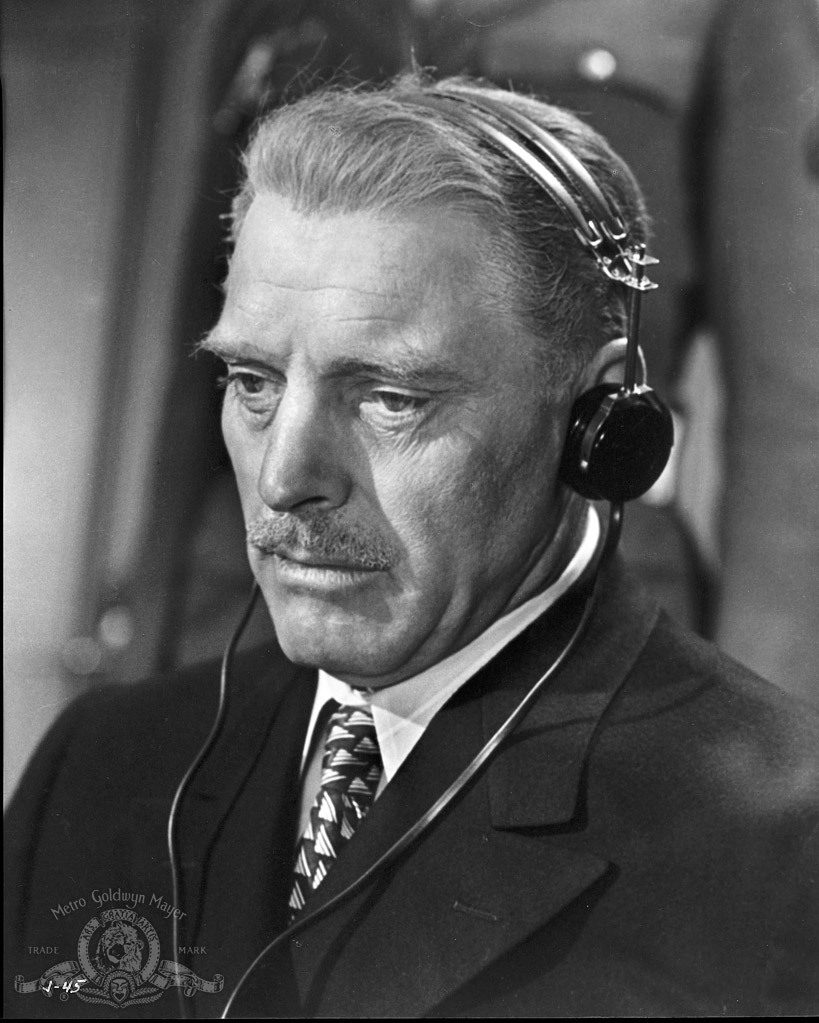
- Spencer Tracy's climactic monologue as Judge Dan Haywood was filmed in one take using several cameras, according to numerous sources.
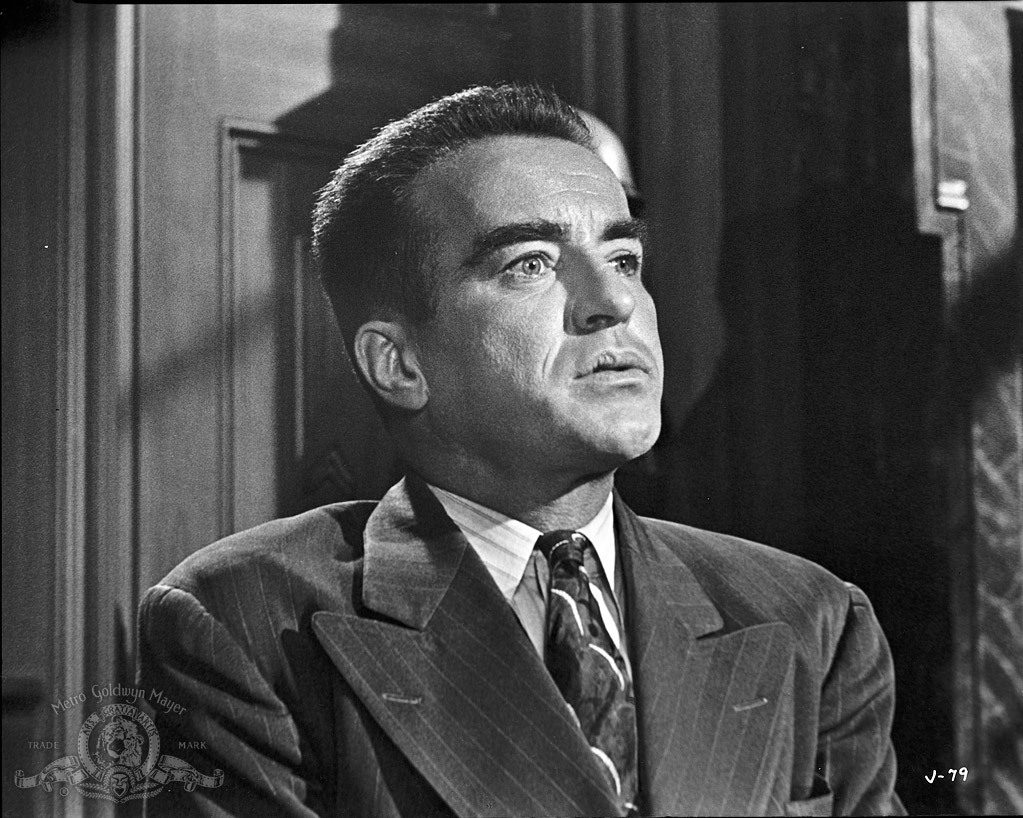
- Montgomery Clift had trouble remembering his lines, so director Stanley Kramer told him to do the best he could, judging that Clift's nervousness would suit his character's mental state; eager to do the film, Clift worked just for expenses.
- Judy Garland was so happy to be working in a motion picture again after seven years away that it took her a while to get into the proper frame of mind to break down and cry.
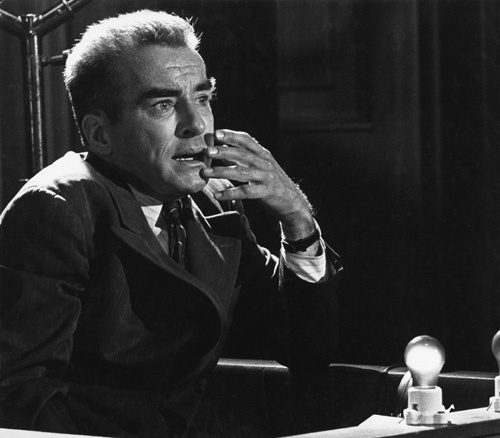
- Burt Lancaster speaks only three lines, none of them in the courtroom, until his lengthy monologue roughly 135 minutes into the film.
- The film's Feldenstein case, in which an elderly Jewish man was tried under the Nuremberg Laws for a relationship with a 16-year-old Aryan girl, is based on the real Katzenberger Trial, where the man was found guilty and put to death in 1942.