Trailer

Plot summary
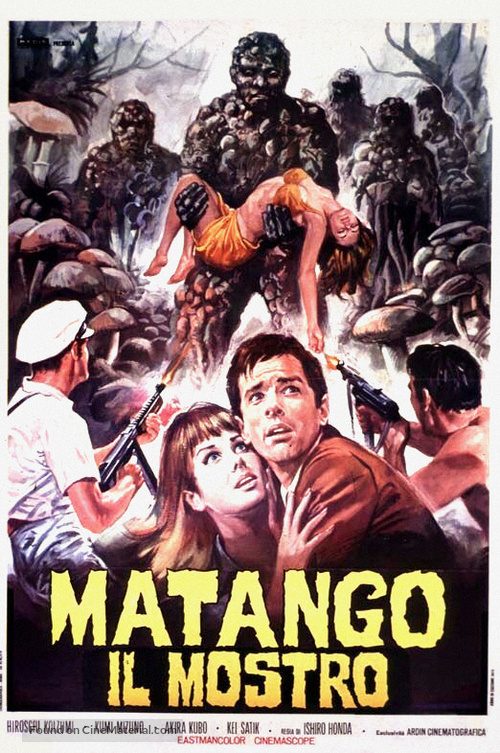
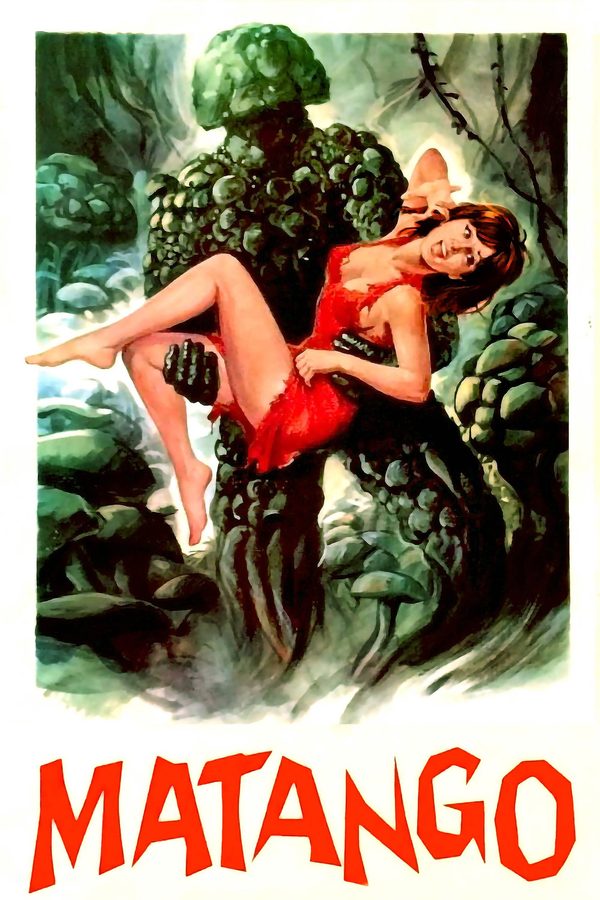
Quarantined in a Tokyo mental hospital, the psychology professor Kenji Murai is visited by doctors who ask what brought him there. He tells of a yacht trip with the wealthy owner Masafumi Kasai, the skipper Naoyuki Sakuda, his shipmate Senzô Koyama, the writer Etsurō Yoshida, the singer Mami Sekiguchi and the student Akiko Sōma. A storm nearly capsizes the boat, which drifts until the party reaches a seemingly deserted island with pools of rainwater and unusually large mushrooms. They find a wreck on the shore, its sails rotted and its interior covered in mold. After reading the ship's log, Murai warns the others not to eat the mushrooms, since the crew before them had suffered hallucinations from the mushrooms.
Cast


- Yutaka Okaas Doctor
- Keisuke Yamadaas Doctor


Did you know?!Facts and trivia about Matango (1963)
Can contain spoilers, watch the movie first.
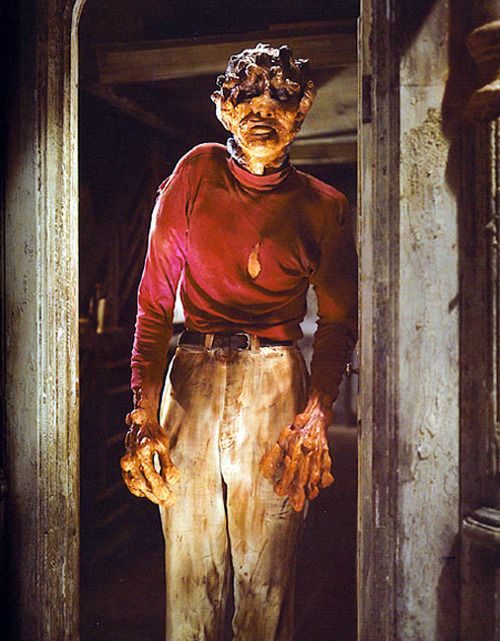
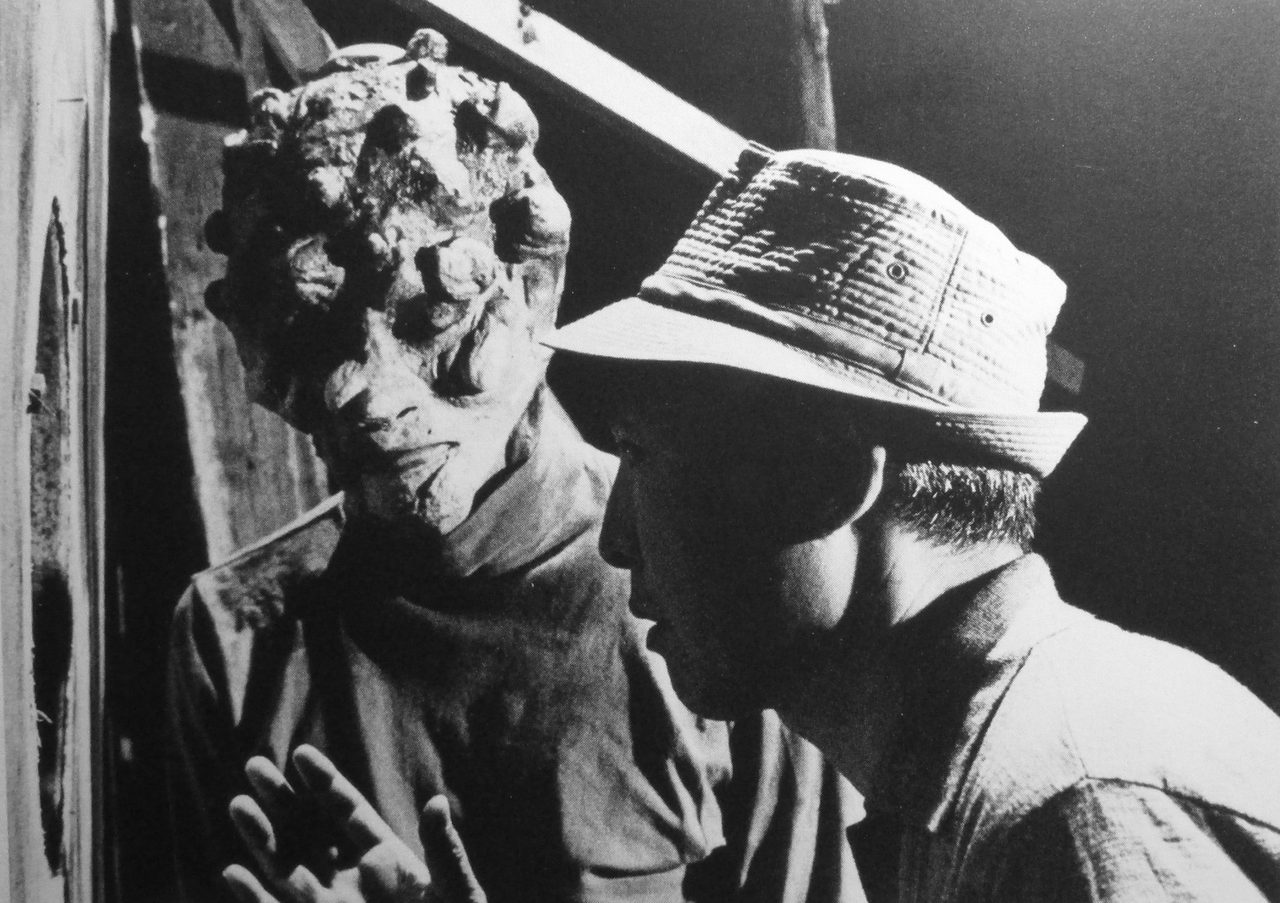
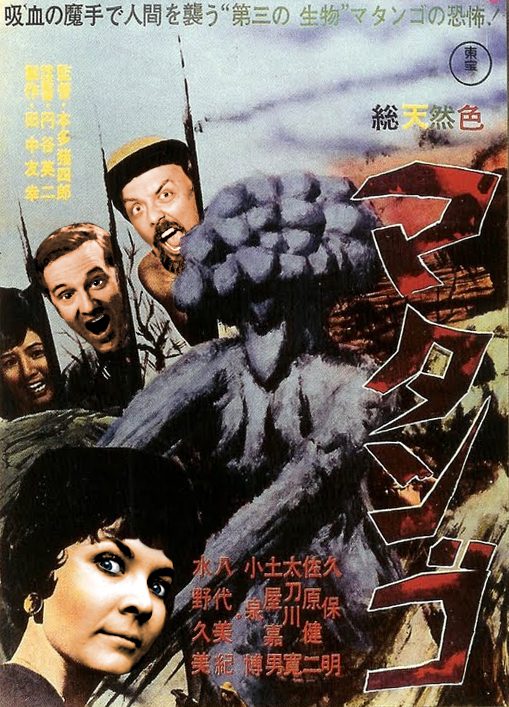
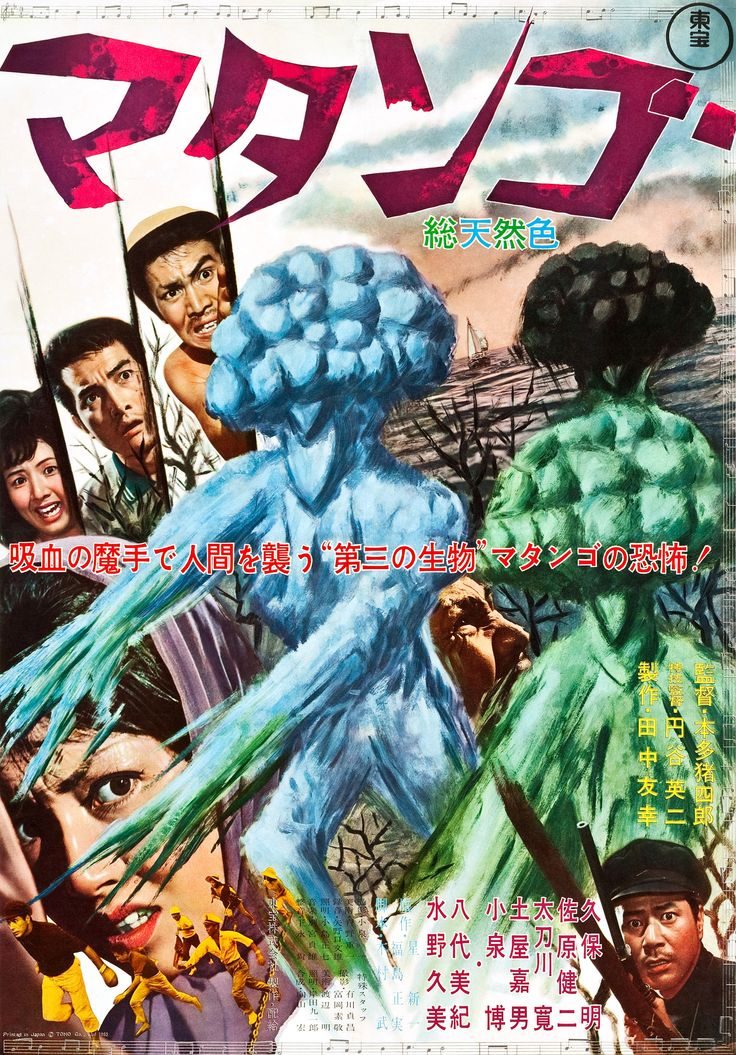
- Matango was nearly banned in Japan because the film's makeup resembled the facial disfigurements of victims of the atomic bombings of Hiroshima and Nagasaki.
- Ishirō Honda was inspired by a news story about a group of rich kids who took their father's yacht far into the sea and had to be rescued. Early drafts gave characters real-life counterparts and included ships and aircraft vanishing in the Bermuda Triangle.
SPOILER
According to Yoshio Tsuchiya, in addition to the film's official ending, a different ending was shot in which actor Akira Kubo's face was left normal.- Steven Soderbergh wanted to remake Matango, a film that scared him as a child, but could not reach a deal with Toho, so the remake never happened. Toho also asked John Carpenter to make a remake and he turned it down; Nicolas Cage is another fan.
- Matango was Honda's first film to use the Oxberry optical printer, which Toho bought from the United States for better image compositing. It could superimpose up to five composite shots, sparing the crew costly hand-painted mattes and glass shots.
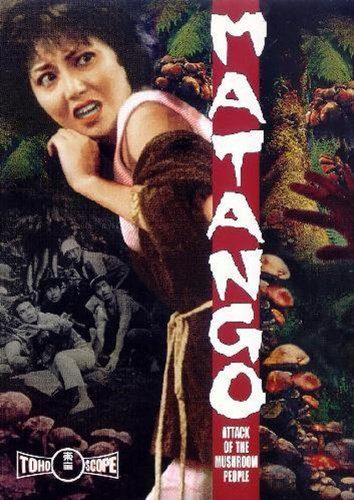
- Matango was Honda's first science fiction film not to get a theatrical release in the United States, where American International Television sent it straight to television in 1965 as Attack of the Mushroom People.