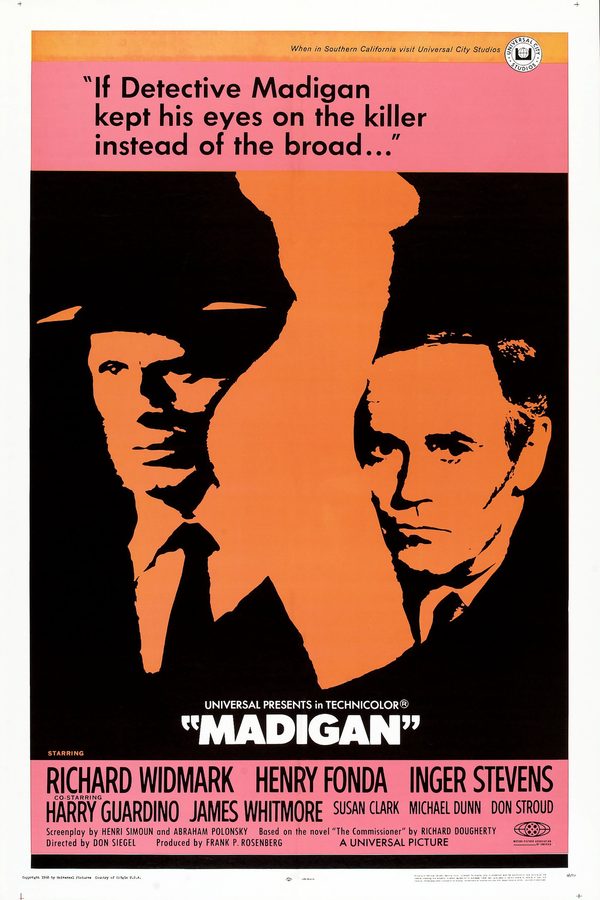
Trailer

Plot summary
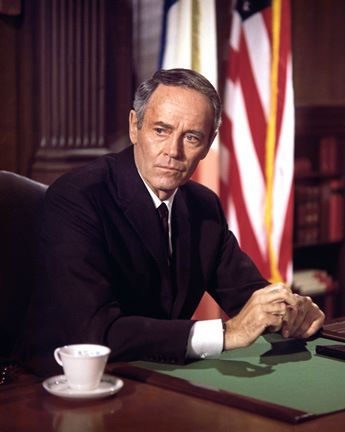
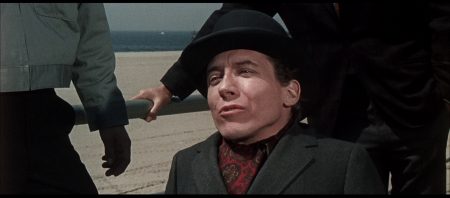
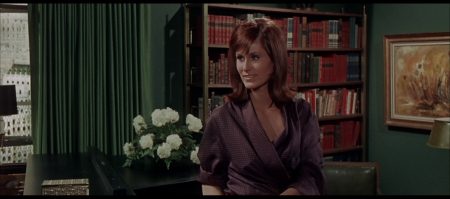
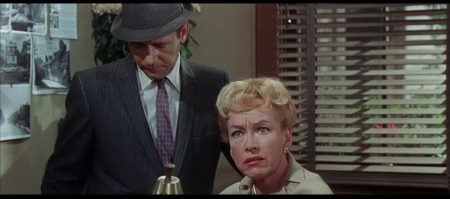
Barney Benesch, a fugitive wanted for questioning in Brooklyn, is picked up in a Spanish Harlem apartment by detectives Dan Madigan and Rocco Bonaro, then outwits them and leaves with their guns. Word arrives that Benesch is also wanted for homicide; Commissioner Anthony X. Russell, angered that the pair worked outside their precinct, gives them 72 hours to bring him in. Russell carries other burdens: Tricia Bentley, the married woman he has been seeing, has chosen to break things off; Dr. Taylor, a minister, says his teenage son was brutalized by racist policemen; and Chief Inspector Charles Kane stands accused of taking money for protecting a hangout used by prostitutes. Madigan's wife Julia is frustrated at home while his job takes his time and puts him in danger.
Cast









Did you know?!Facts and trivia about Madigan (1968)
Can contain spoilers, watch the movie first.
SPOILER
On the first day of shooting, producer Frank Rosenberg scheduled the film's closing scene, in which Inger Stevens berates Henry Fonda over her husband's death, alongside wardrobe tests for Stevens, who came to director Don Siegel almost in tears. Siegel told her to think of her loathing for Rosenberg, who set the schedule.- Producer Frank Rosenberg demanded a reshoot of Henry Fonda's first scene because Fonda didn't say "the" coffee, "It changes the whole meaning," he insisted. When director Don Siegel refused, Rosenberg had Fonda record the "the" and looped it into the final cut.
- The screenplay, originally titled Friday, Saturday, Sunday, was adapted by two writers blacklisted in the 1950s: Howard Rodman, credited under the pseudonym Henri Simoun, and Abraham Polonsky.
- The film was based on The Commissioner, a 1962 novel by Richard Dougherty, who had been the Los Angeles Times' New York bureau chief and a deputy New York City police commissioner for community relations in the 1950s.