Hud (1963) on Netflix
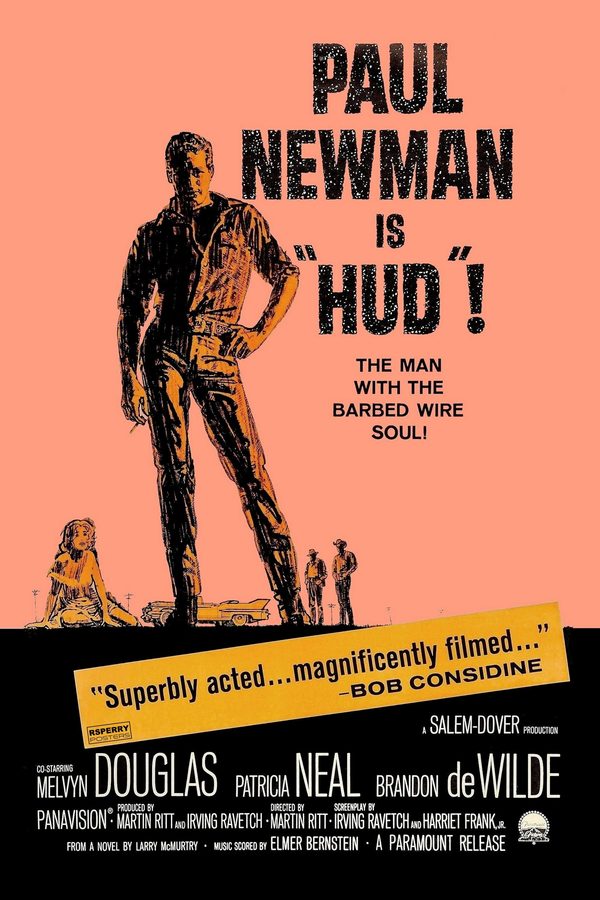
Hud Bannon clashes with Homer, his principled father, on their Texas ranch. When disease strikes, Hud wants to sell the herd and Homer submits to quarantine. Nephew Lonnie is caught between them.
- Netflix3.8/5
- IMDb7.8/1026,380 votes
- Rotten Tomatoes86%
Trailer

Plot summary
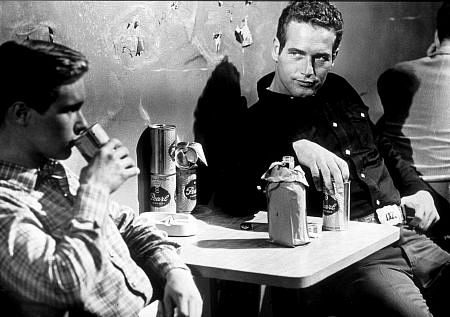
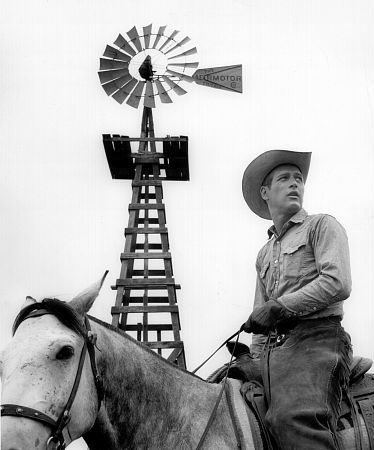
Hud Bannon is the self-centered son of Homer Bannon, a principled cattle rancher in the Texas Panhandle. Lonnie is Hud's teenaged nephew, the orphaned son of Norman, Hud's elder brother, and he looks up to both men while being most impressed by his uncle. Hud and Lonnie are both drawn to Alma Brown, the Bannons' housekeeper, who keeps her distance because self-centered men have mistreated her before. When a cow dies suddenly and disease threatens the herd, Homer calls in the state veterinarian. Hud argues for selling the cattle to neighbors before the news spreads, while Homer refuses to dodge the law and accepts the quarantine that the inspection brings.
Cast




- Pitt Herbertas Mr. Larker


Did you know?!Facts and trivia about Hud (1963)
Can contain spoilers, watch the movie first.
- Screenwriter Irving Ravetch stumbled onto the source material by chance, finding Larry McMurtry's novel Horseman, Pass By in an airport shop during a stopover in Dallas, and pitched it to Martin Ritt and Paul Newman after reading about the character of Hud Bannon.
- In McMurtry's novel the housekeeper was a Black woman named Halmea, but director Martin Ritt had the character renamed Alma and cast with a white actress because he believed a depicted relationship between Hud and a Black woman would not work for the era.
SPOILER
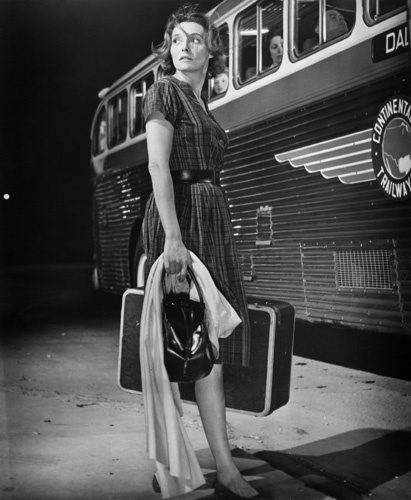
To film the scene where Hud corners the housekeeper Alma, the crew strapped a camera to Paul Newman's back so the shot would represent his character's own predatory point of view as he chased Patricia Neal.- For the cattle-slaughter scene, the Humane Society supervised the animals' treatment: the herd was sprayed to look sick, bungee cords were tied to their legs, and camera cuts to the cattle while crew shook the cords created the illusion the animals were being shot, without a single one actually being harmed on screen.
- Paramount executives were so unhappy with Hud's dark tone and unrepentant antihero that after a preview they considered shelving the film as not "commercial enough"; Martin Ritt flew to New York and talked the studio into releasing it unmodified, keeping the ending Newman and Ritt wanted despite a request from executive Martin Rackin to change it.
- Although the filmmakers intended Hud as a warning about selfish, unprincipled men, young audiences of the era embraced him as a hero; Paul Newman said his amorality "went over their head," and Martin Ritt attributed the reaction to the era's counterculture reshaping how young viewers read the character.
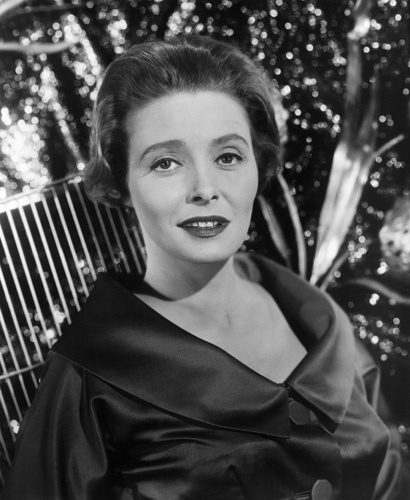
- Patricia Neal signed on for only $30,000 with third billing and just 22 minutes of screen time, yet the role won her the Academy Award for Best Actress and gave her career a major boost.