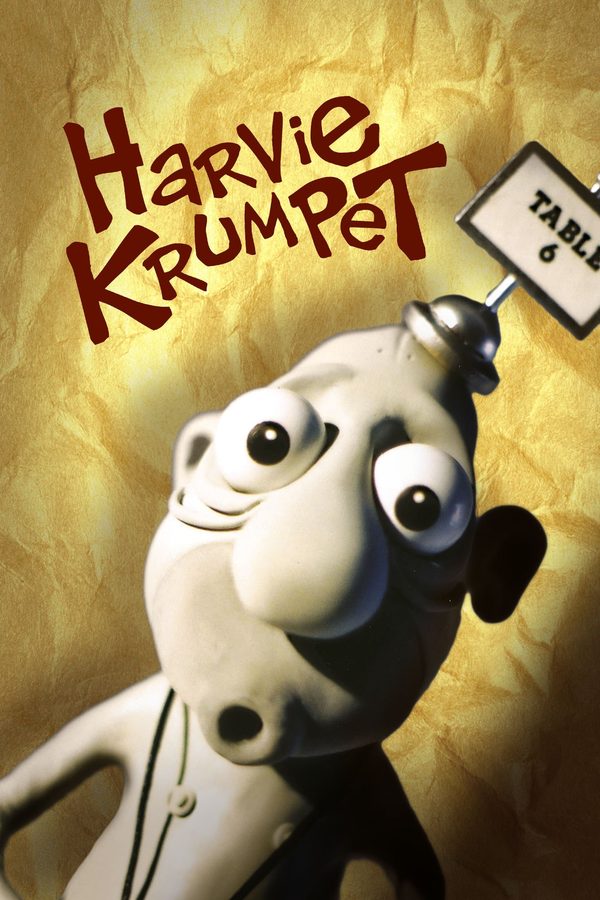
Harvie Krumpet (2003) on Netflix
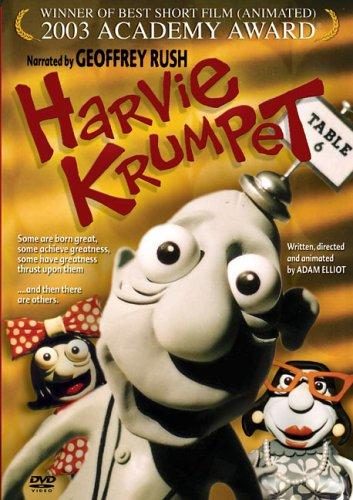
Harvek Milos Krumpetzki is teased at school in Poland and diagnosed with Tourette syndrome. His mother helps him collect "fakts" in a notebook, and he leaves for Australia as a refugee.
- Netflix4.0/5
- IMDb7.9/109,968 votes
- Rotten TomatoesNot available
Trailer

Plot summary
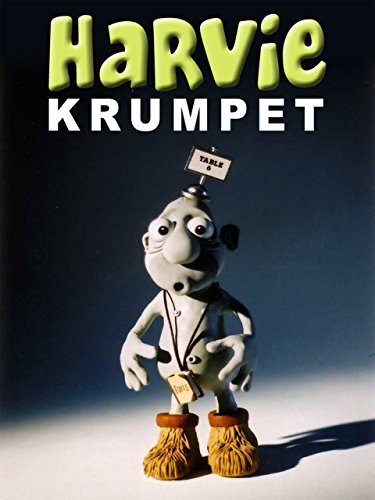
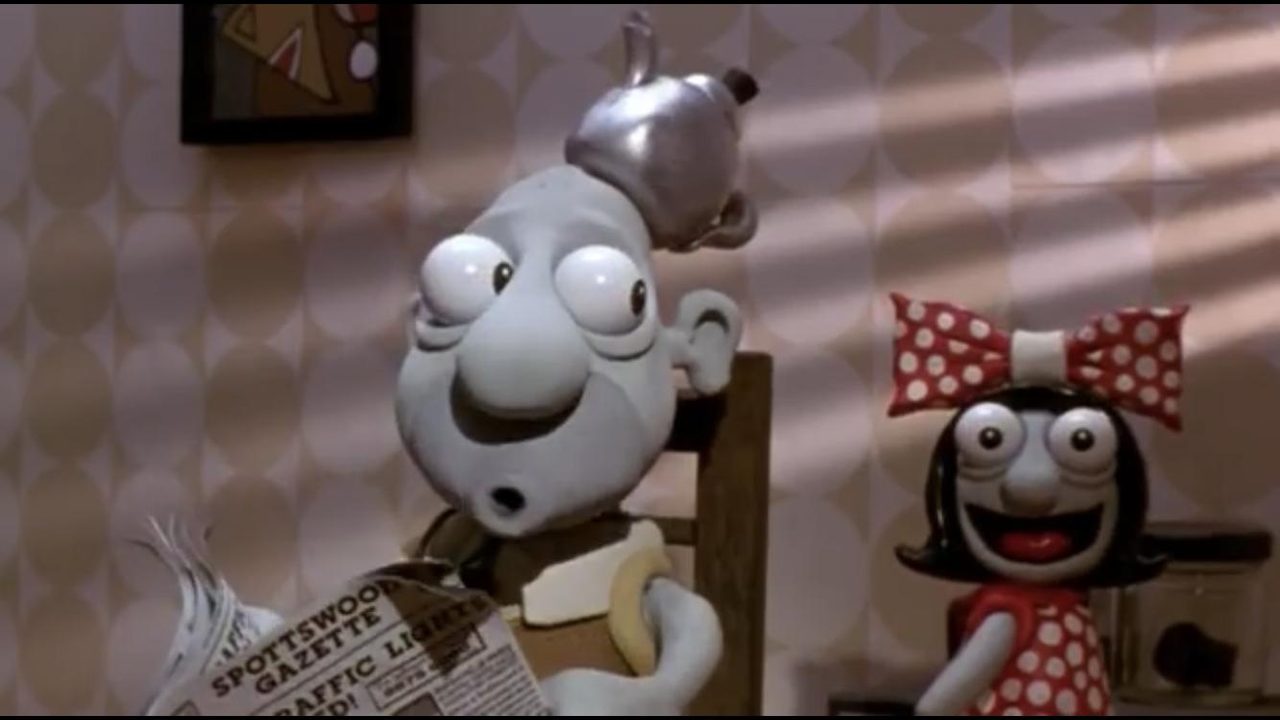
Born in Poland in 1922, Harvek Milos Krumpetzki is teased at school and diagnosed with Tourette syndrome. His mother Lilliana takes him out of school and helps him gather the pieces of information he calls "fakts", written in a notebook hung around his neck. Fire destroys the family home, and he leaves for Australia as a refugee, settling in Spotswood, Victoria, where he takes the name Harvie Krumpet. There a punch to the skull leaves him with a steel plate in his head.
Cast


Did you know?!Facts and trivia about Harvie Krumpet (2003)
Can contain spoilers, watch the movie first.
- Geoffrey Rush recorded his narration for Adam Elliot's film at the start of production so animators could time each shot to his voice, but once the animation was finished Elliot decided his delivery was too cold and had him re-record his lines more emotively.
- Harvie Krumpet was shot in sequence in three-month blocks, alternating with three-month blocks of building sets and models. Production began in Adam Elliot's garage and moved through three separate studios as the sets outgrew each space.
- Every frame was animated by hand on Super 16 mm film with a Bolex camera, so an average full day of filming yielded only about three to five seconds of finished footage.
- Editor Bill Murphy cut the film down from an original 45-50 minutes of footage to a final cut of less than 23 minutes, and over 2000 sound clips were added during the sound design.
- Adam Elliot spent a decade conceiving the film, wrote fourteen drafts of the script over three months and drew a 300-panel storyboard before animation began.
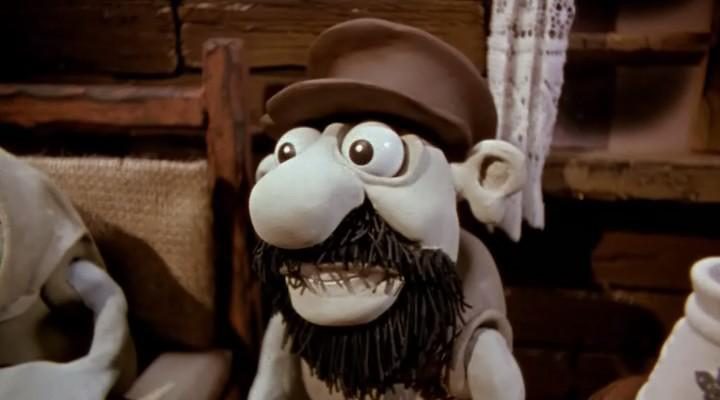
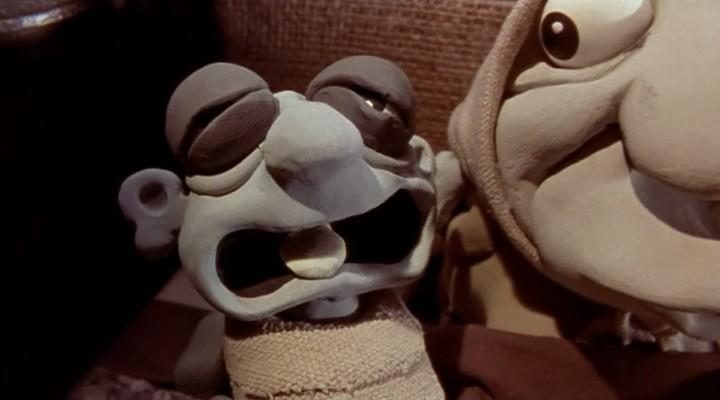
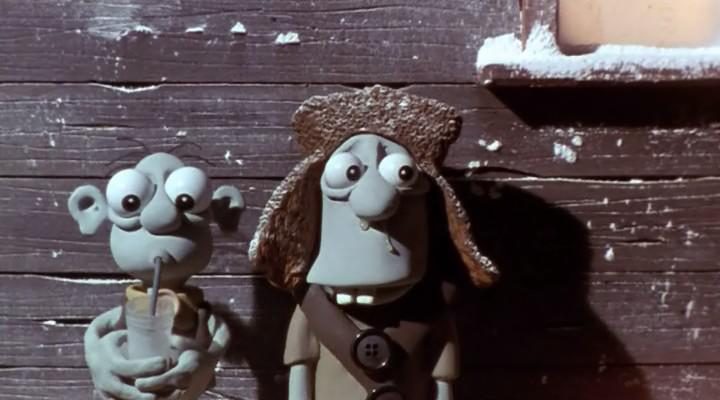
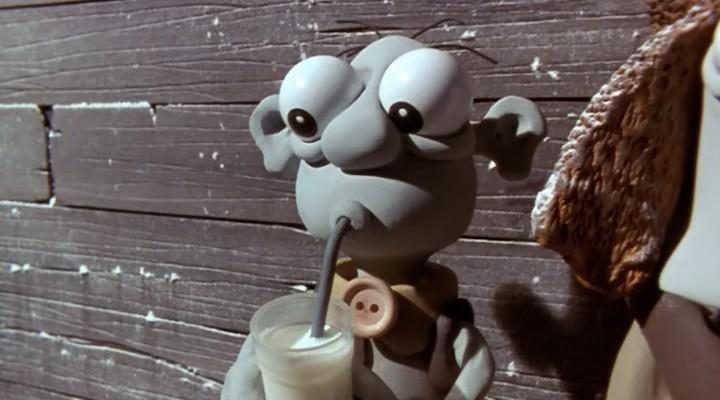
- Elliot's tremor shaped the puppets, which had to be large and easy to manipulate; he made their eyes oversized to express emotion and deliberately left his fingerprints in the plasticine so audiences would see something tangible rather than computer-generated.