Trailer

Plot summary
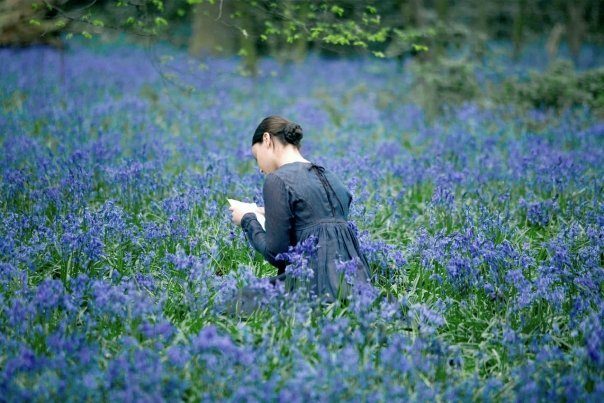
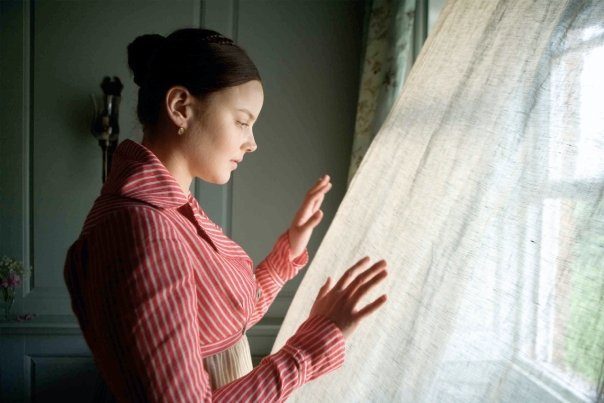
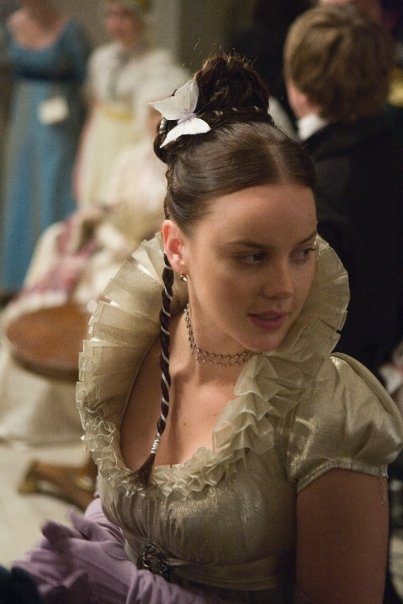
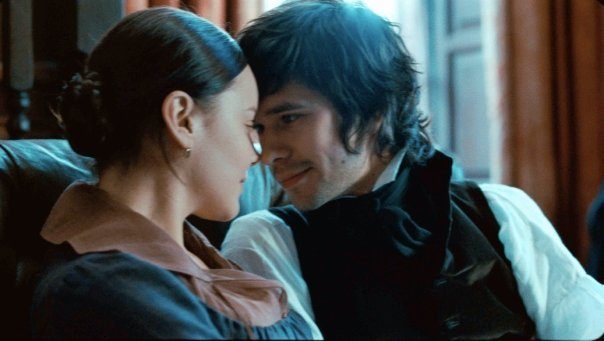
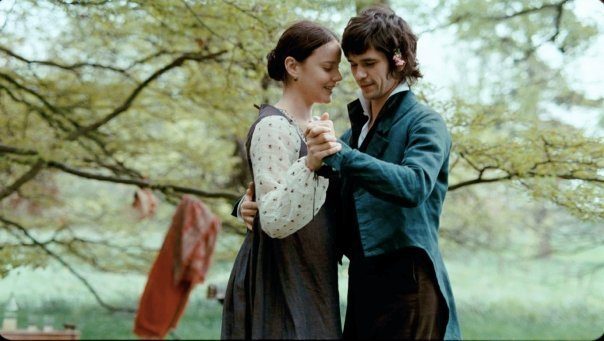
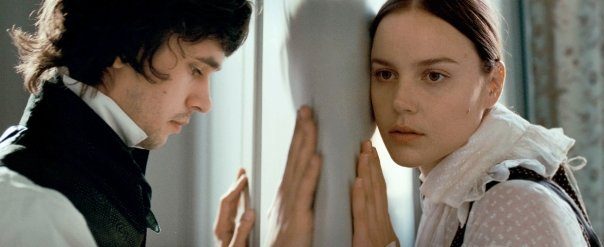
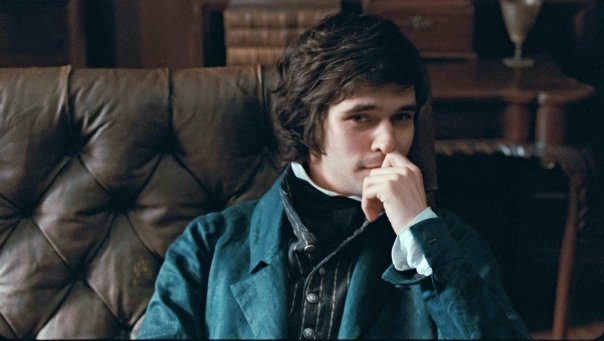
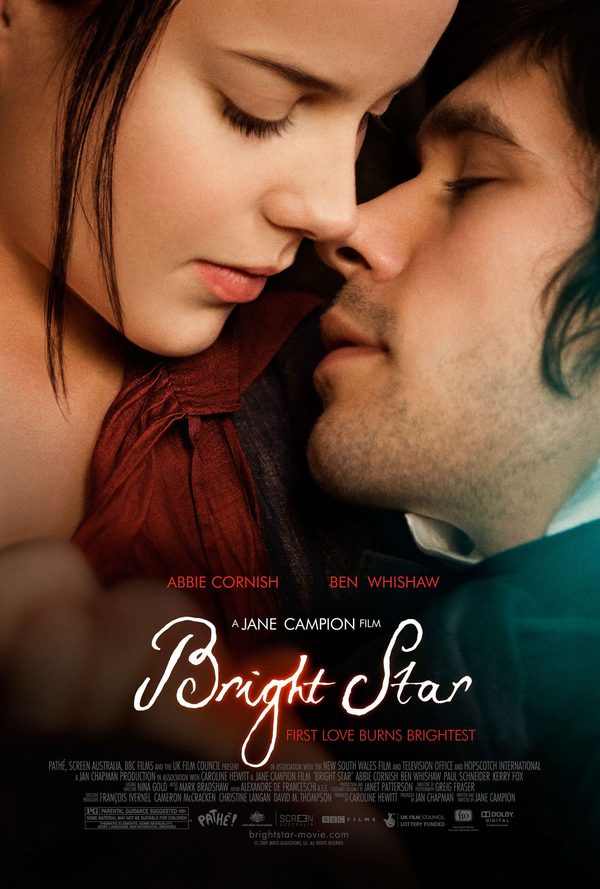
In 1818, the Brawne family lives in Hampstead, where the Dilkes and the poet Charles Brown occupy the two halves of one house. Fanny Brawne, the eldest daughter, sews her own fashionable clothes and likes balls and company. When her younger siblings bring home a book of poetry by John Keats, a struggling poet lodging with Brown, she grows curious about him. Keats keeps to himself, and her early approaches come to little. He warms to her after she grieves for his brother Tom. He begins giving her poetry lessons, and they fall in love. Fanny's mother warns that Keats has no income to support a wife, and Brown, who dislikes Fanny, urges Keats to doubt her.
Cast














Did you know?!Facts and trivia about Bright Star (2009)
Can contain spoilers, watch the movie first.
- Ben Whishaw learned how to write with a quill and ink during filming, and the letters that Fanny Brawne receives from Keats in the film were actually written by Whishaw in his own hand.
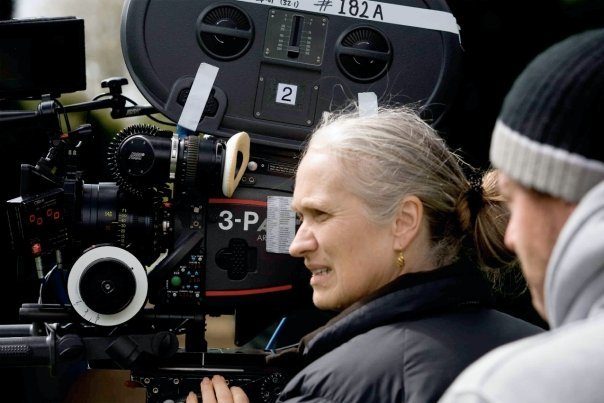
- Jane Campion decided that the real Keats House in Hampstead, also known as Wentworth Place, was too small and a little bit fusty, so the Hyde House and Estate in Hyde, Bedfordshire, substituted for it.
- Though the real Fanny Brawne went on to marry and have children, she never sold Keats' love letters; they were sold after her death by her children.
- A collection of Keats's love letters and selected poems was published in 2009 as a companion to the film, a 144-page book from Penguin that includes an introduction written by Campion.
- Many of the lines in the script are not invented for the screen at all: they are taken directly from Keats' own letters.
SPOILER
Keats had been in publication for only four years before his death, his poems were not generally well received by critics in his lifetime, and he died at the age of 25 believing that he was a failure; his reputation grew afterwards.