A Summer's Tale (1996) on Netflix
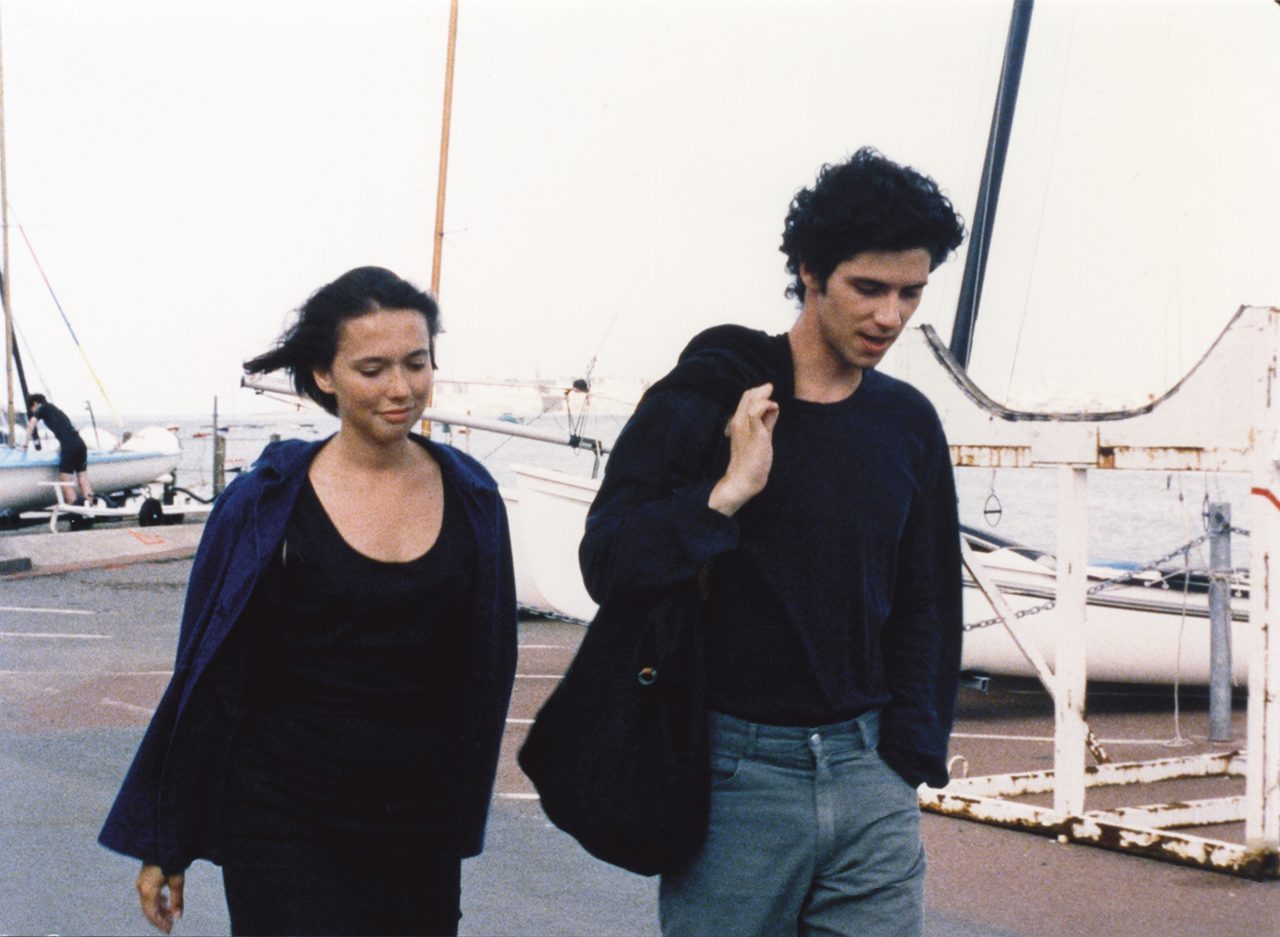
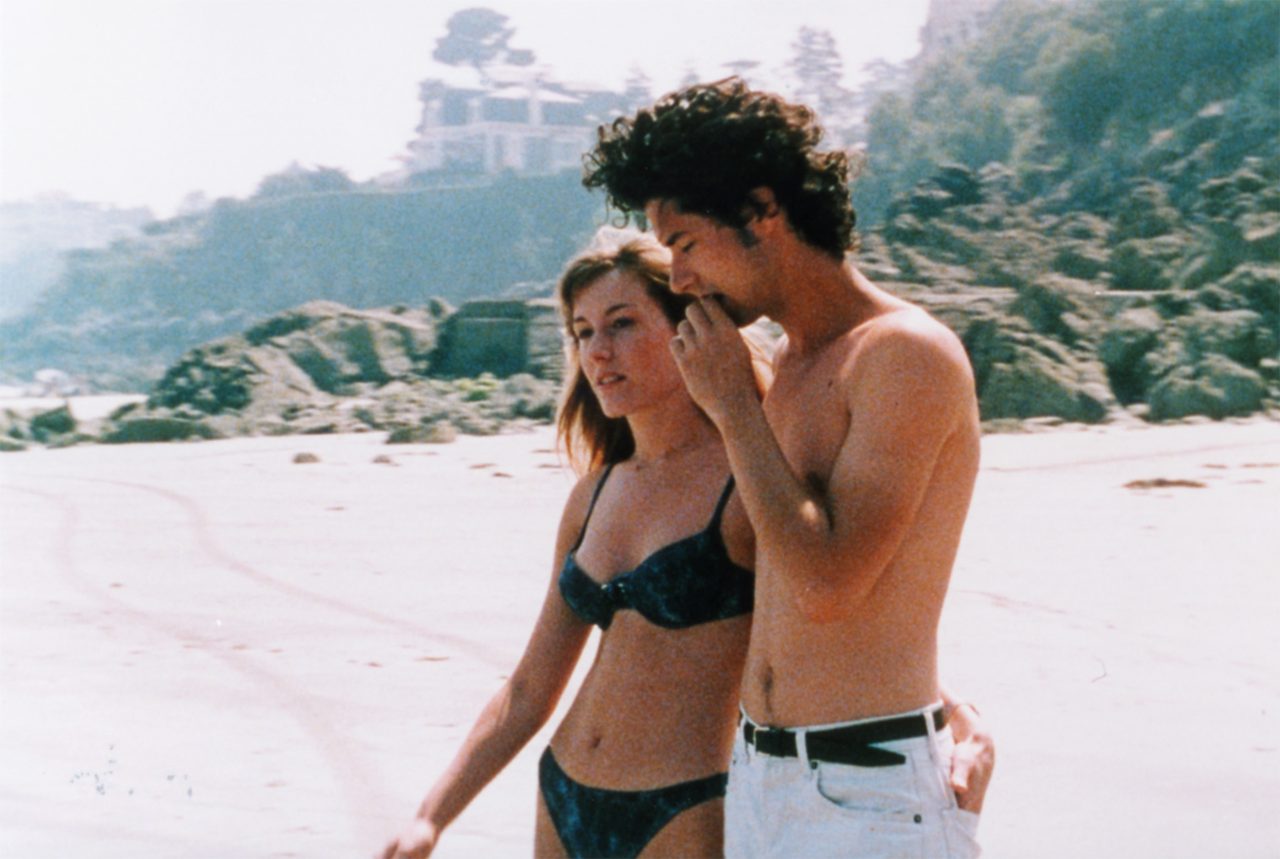
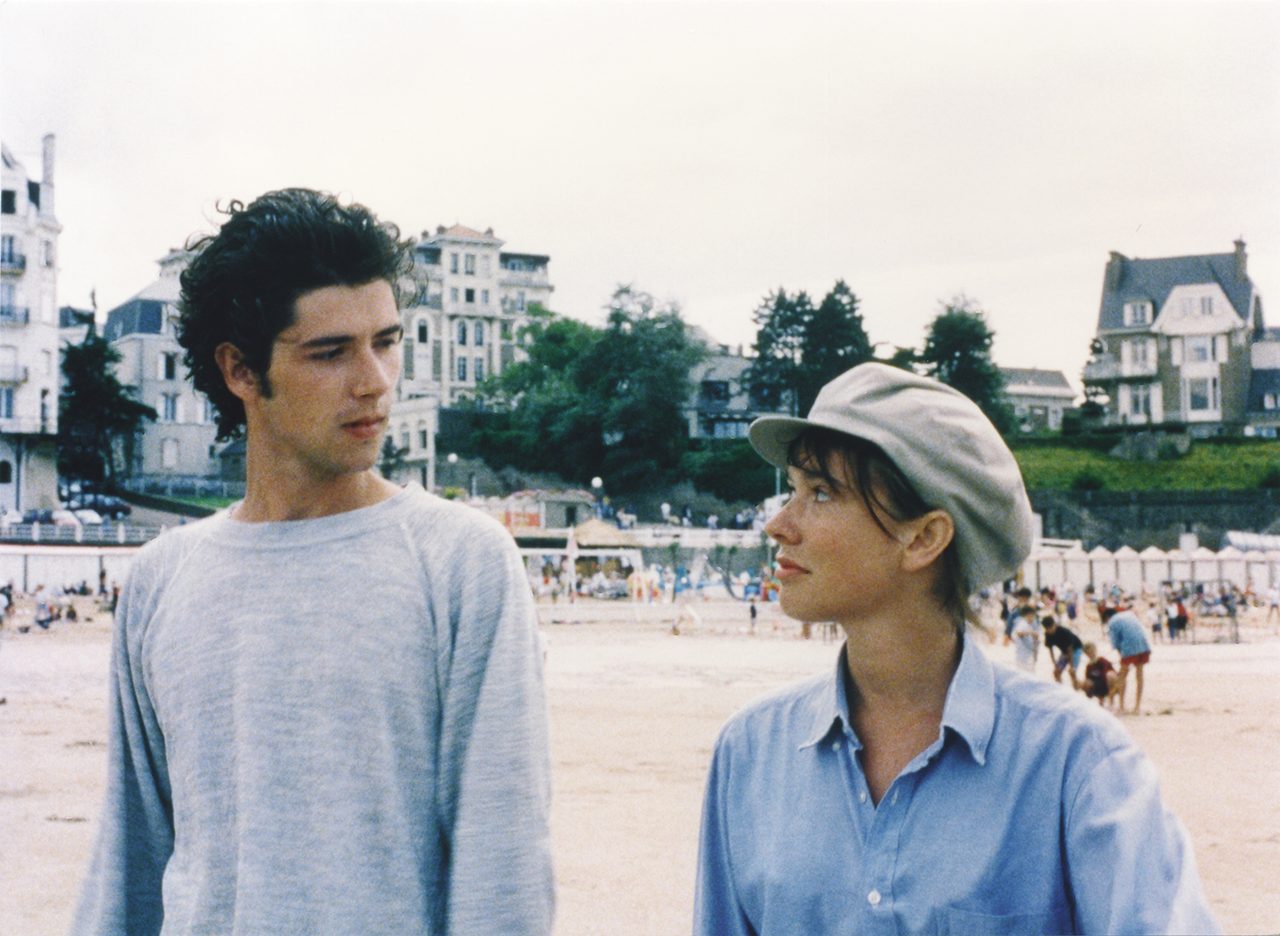
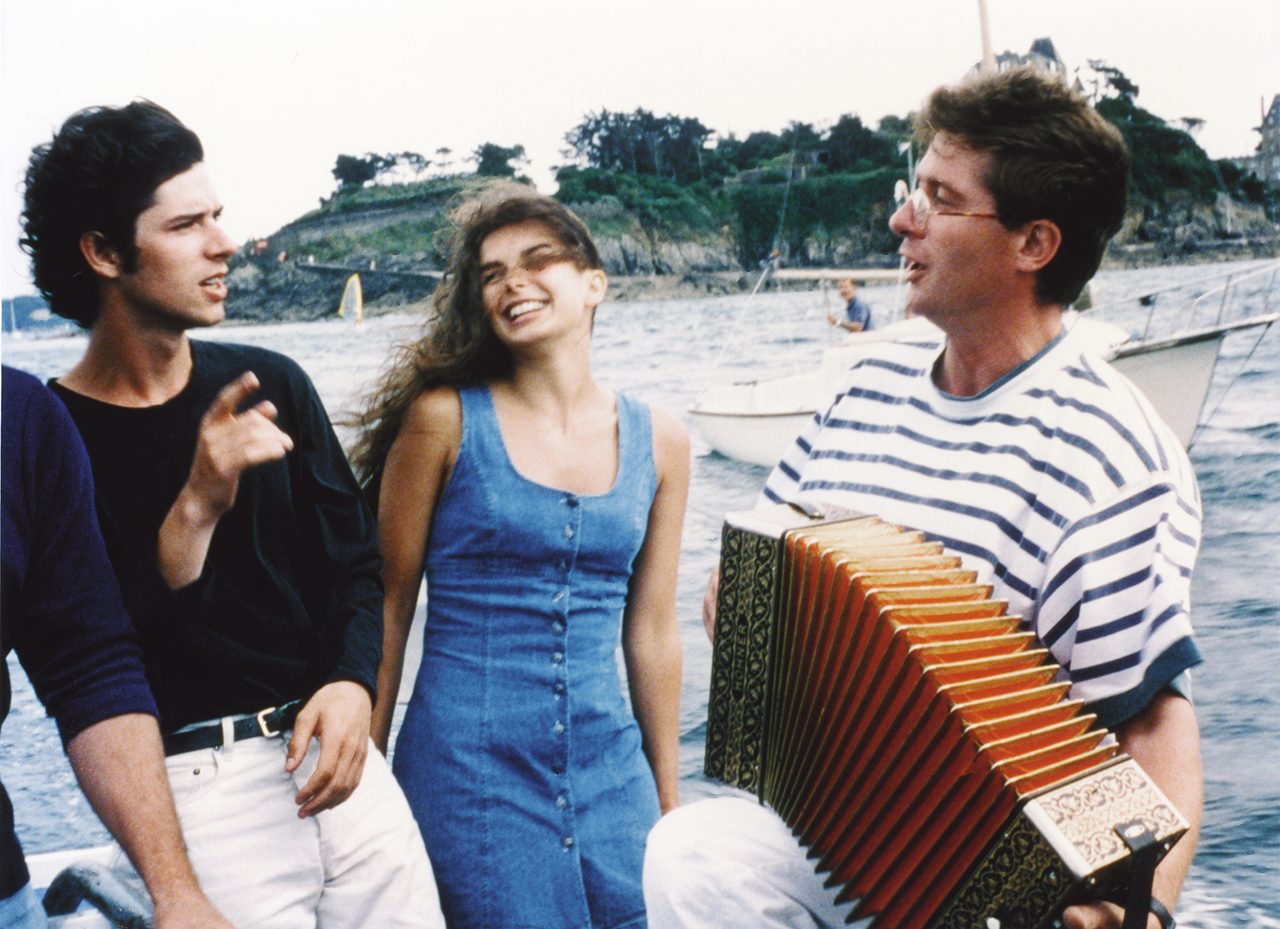
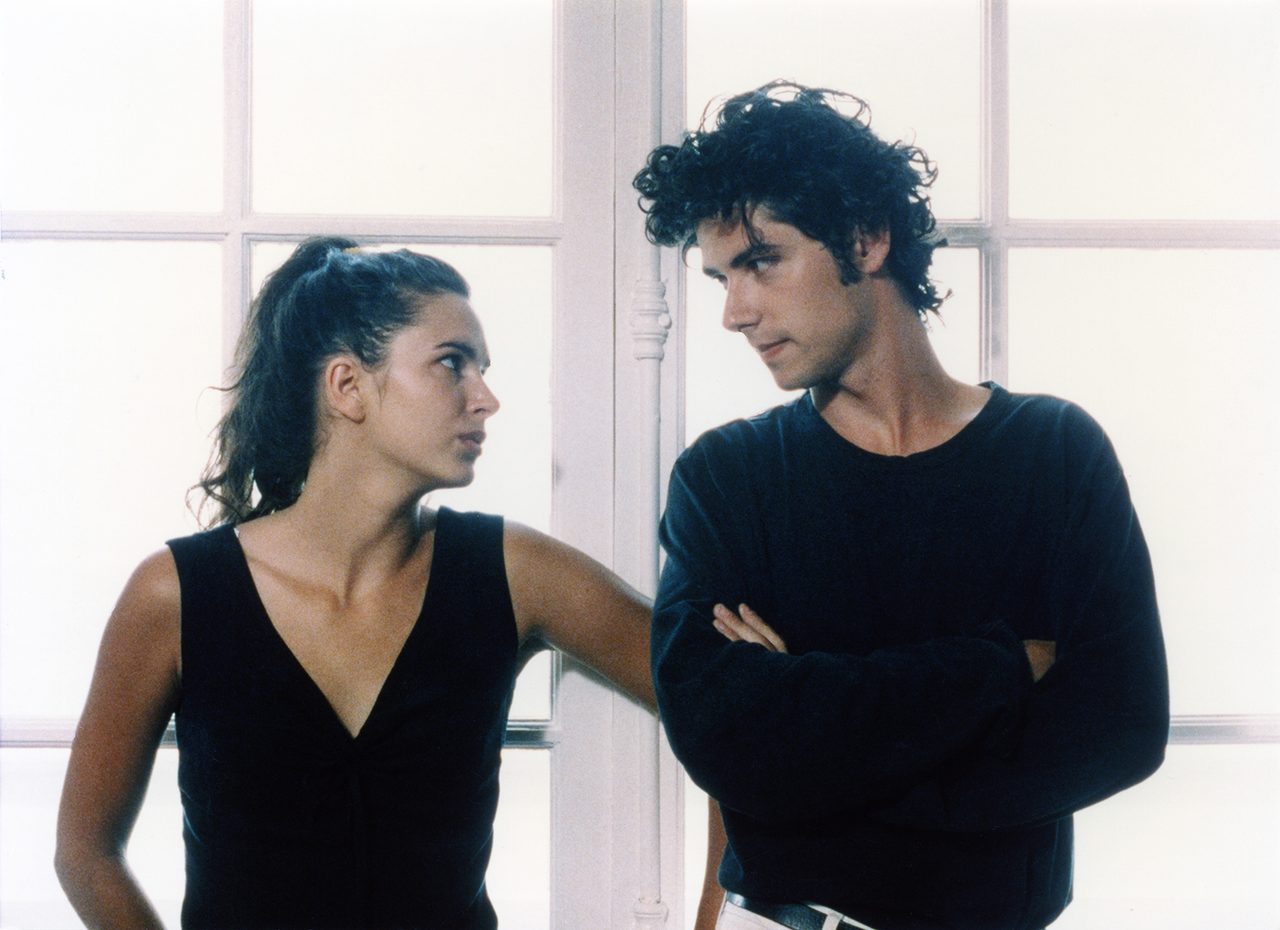
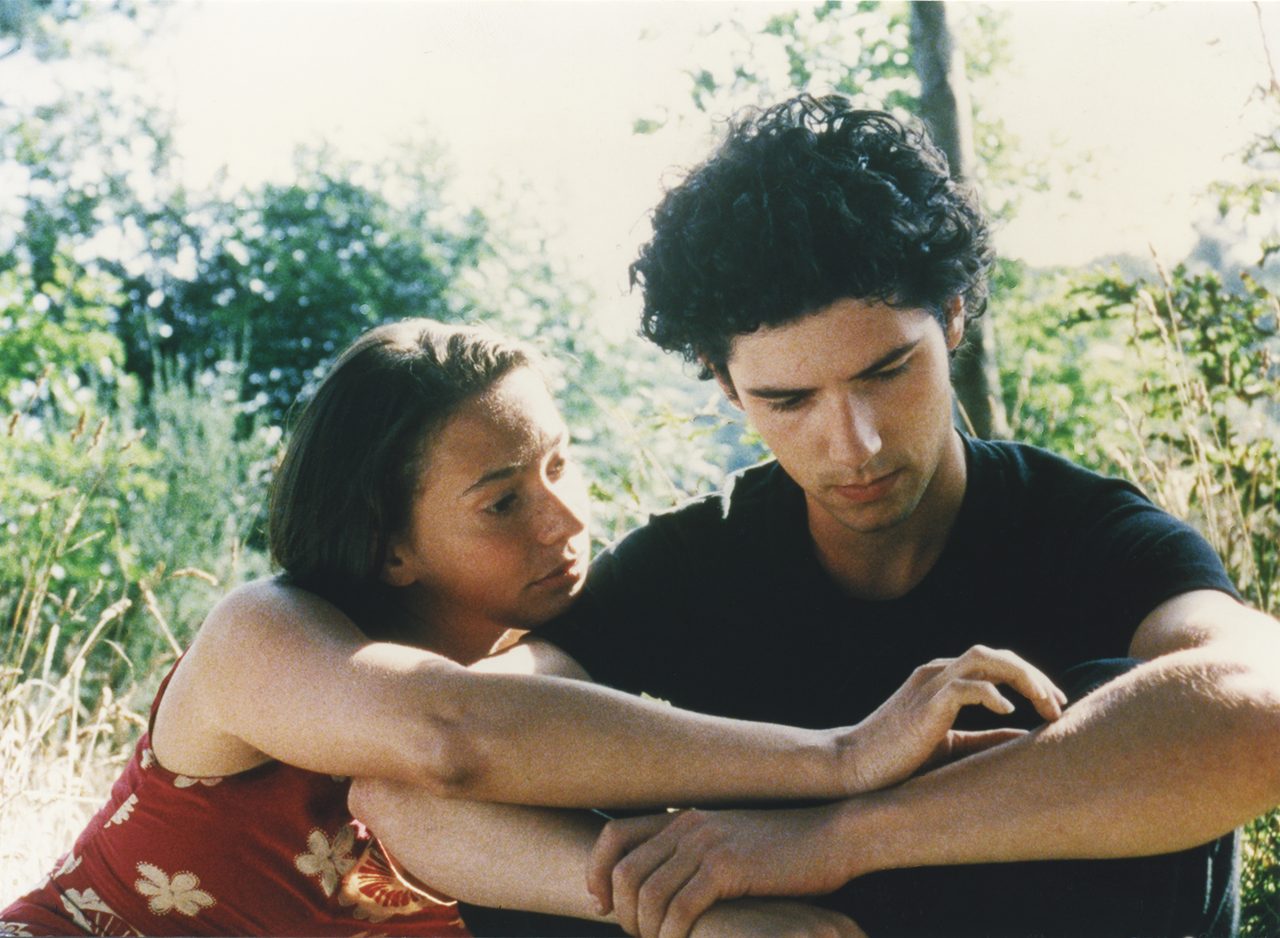
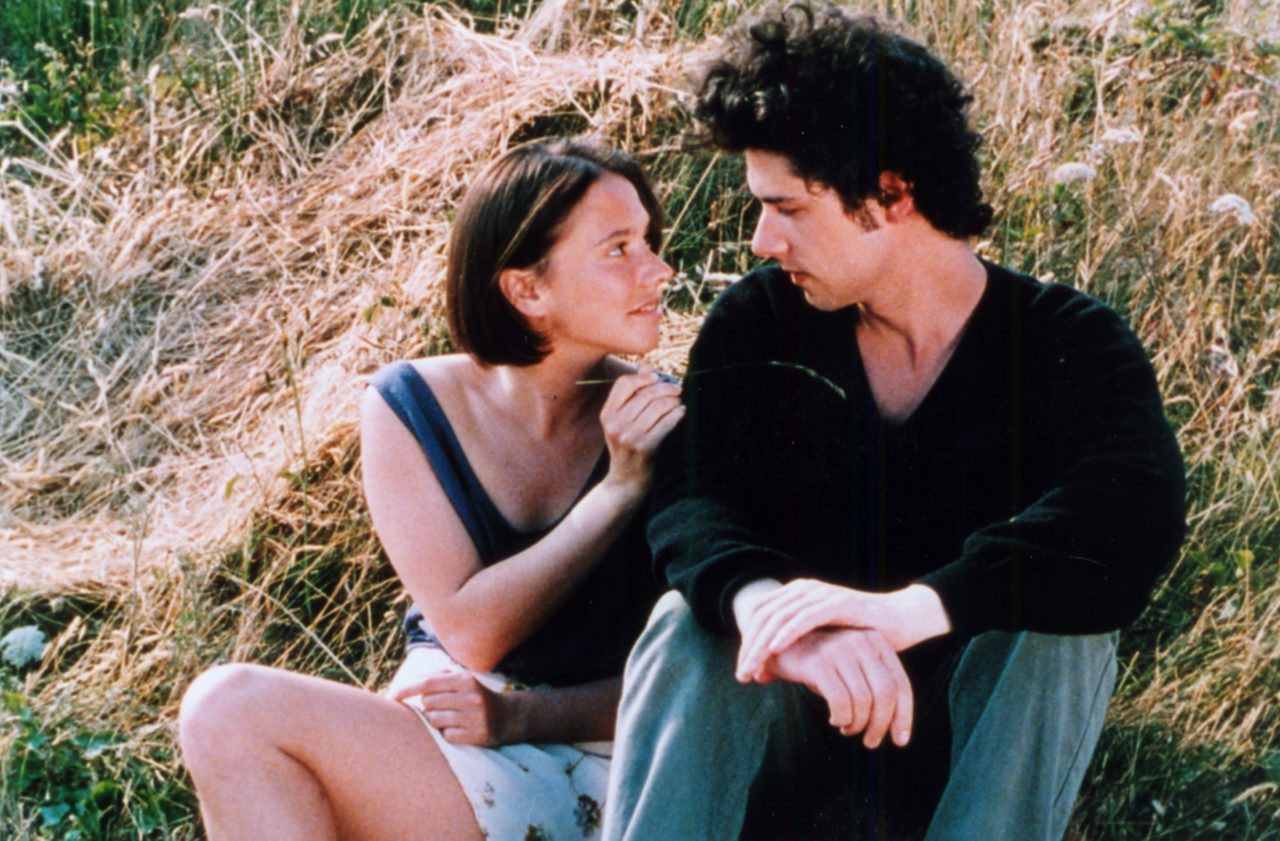
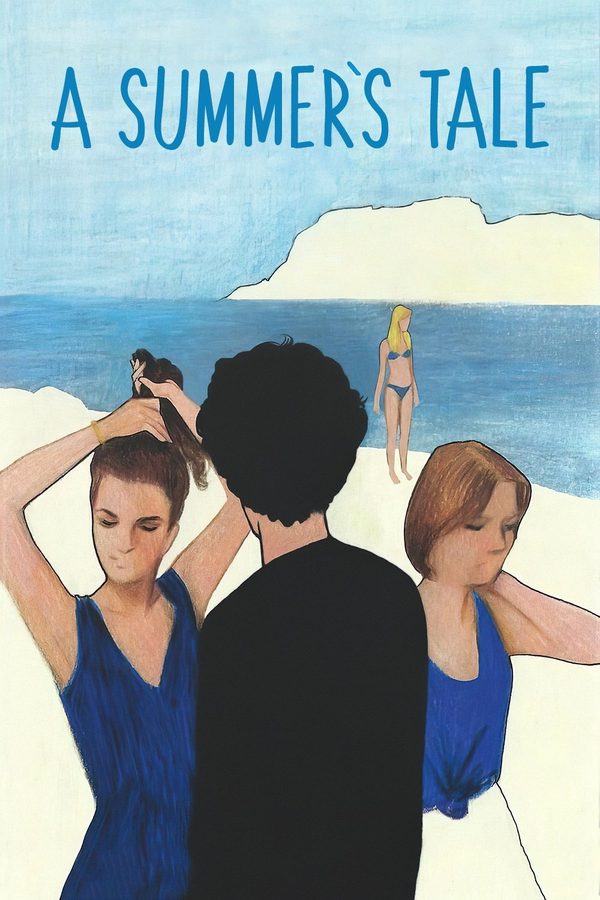
Gaspard, a mathematics graduate and musician, spends the summer in Dinard waiting for Léna, the girlfriend who promised to come. He meets Margot, a waitress, and Solène, who invites him sailing.
- Netflix3.0/5
- IMDb7.6/1012,317 votes
- Rotten Tomatoes98%
Trailer

Plot summary
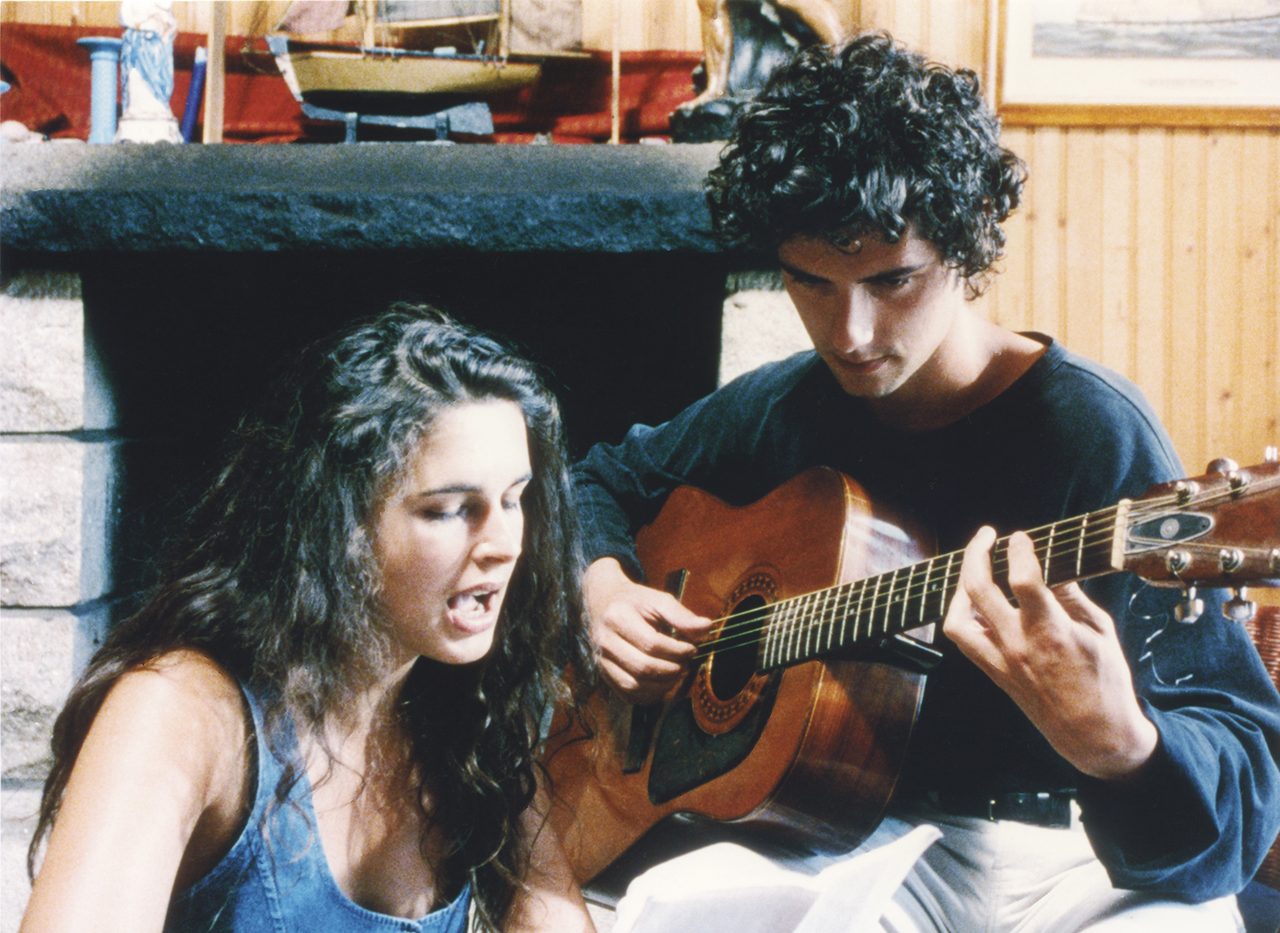
Dinard is where Gaspard, a recent mathematics graduate, spends the summer before his first job, lodging in a friend's empty flat and composing music while he waits for Léna, the girlfriend who said she would come. At a crêpe restaurant he gets to know Margot, a waitress with a doctorate in ethnology who interviews local Bretons. The two meet to walk and talk, and he confides how unsure he feels about Léna. Margot brings him along on a research visit to a fisherman's house to discuss maritime songs, and the outing prompts him to write a sea shanty. At a disco with her friends he feels out of place. Solène notices him and later finds him on the beach, where she invites him to sail on her uncle's boat.
Cast


Did you know?!Facts and trivia about A Summer's Tale (1996)
Can contain spoilers, watch the movie first.
- Éric Rohmer let his production manager, Françoise Etchegaray, film the making of A Summer's Tale, the only time a Rohmer shoot was itself recorded. The completed documentary, La Fabrique du Conte d'été, lay forgotten for ten years before Rohmer agreed to release it in 2006.
- A Summer's Tale opens with seven minutes without dialogue, a record for an Éric Rohmer film, longer than the five silent minutes that begin his A Tale of Springtime.
- The sea shanty "Corsair's Daughter" that Gaspard writes during the film was written by Éric Rohmer himself, credited to the pseudonym "Sébastien Erms", which he also used for music in his earlier films.
- A Summer's Tale was among the foreign films shut out of American cinemas in 1996 by economic troubles at independent movie theaters and in home video, and had to wait until 20 June 2014 for a limited US release.
- Éric Rohmer loosely based the plot of A Summer's Tale on his own experiences and relationships from the time he was a young film student.
- Melvil Poupaud recalled that Éric Rohmer shot long single takes and did not want the actors to rehearse too much, so that their lines would stay fresh.