You'll Never Get Rich (1941) on Netflix
Approved19411h 28mComedyRomance
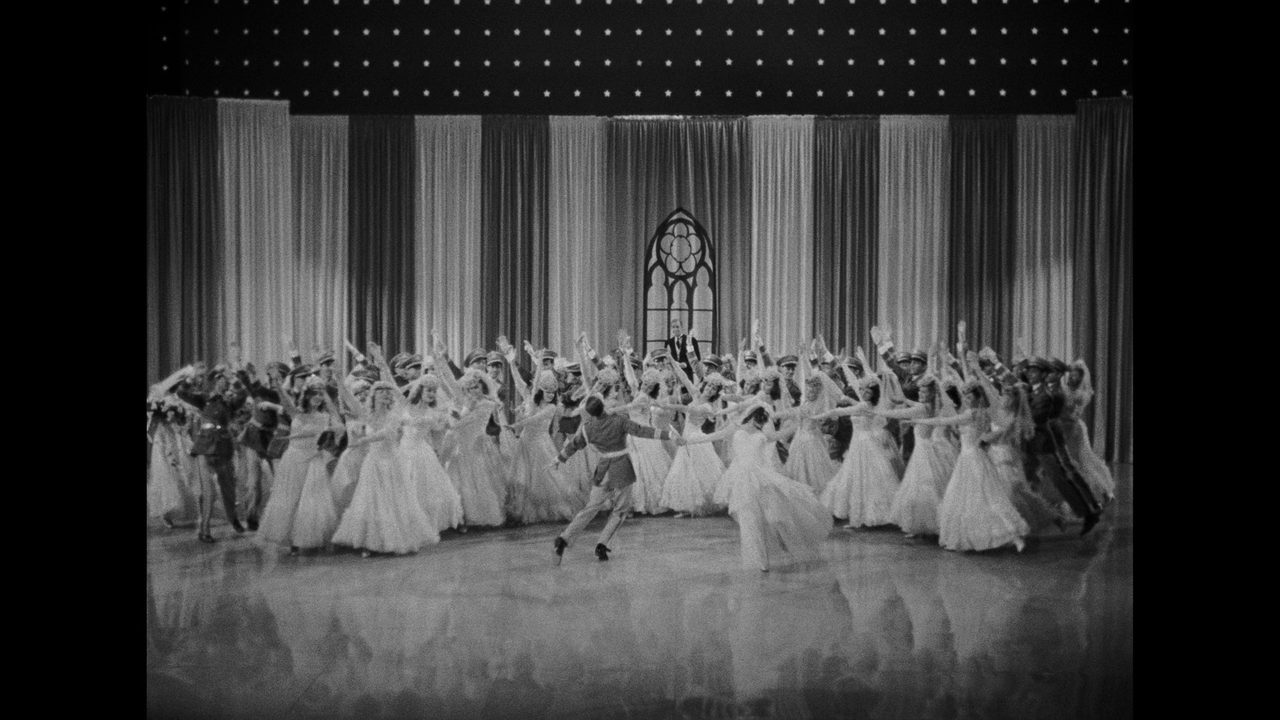
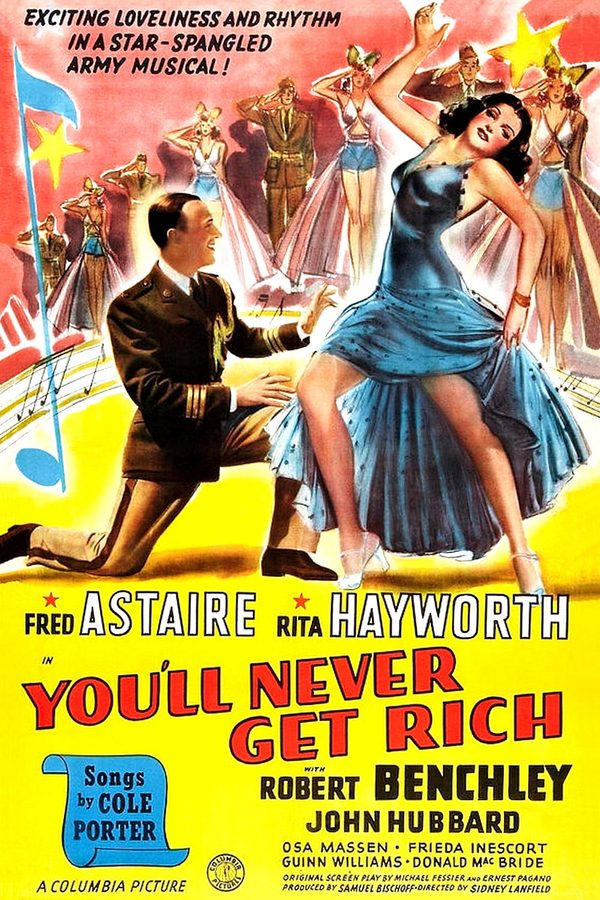
Choreographer Robert Curtis is caught between his philandering boss Martin Cortland and dancer Sheila Winthrop after Cortland's wife finds a bracelet meant for Sheila. Robert enlists in the Army.
- Netflix3.7/5
- IMDb6.7/103,330 votes
- Rotten Tomatoes80%
Trailer

Plot summary
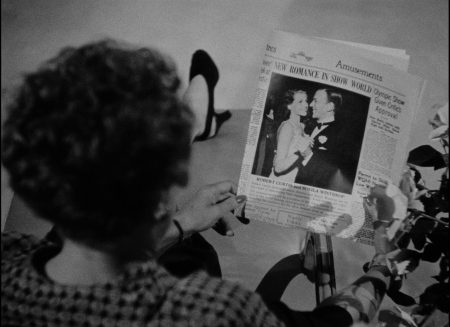
In a New York theater, Martin Cortland, the womanizing owner, tries to win dancer Sheila Winthrop with a diamond bracelet and asks Robert Curtis, his choreographer, for help. Robert, normally aloof, is struck by Sheila's talent and personality. Martin's wife, Julia, finds the bracelet while looking for her own anniversary gift, and Martin, caught off guard, says Robert bought it for Sheila. Julia tells a gossip columnist that the two are engaged, and the story spreads. Robert confronts Sheila, who is baffled by the story too. Tom Barton, an Army captain and Sheila's would-be fiancé, arrives during the argument, pretends to be her brother, and pulls an unloaded gun on Robert, which amuses Sheila and her Aunt Louise. Robert enlists.
Cast











- Boyd Davisas Colonel Shiller


Did you know?!Facts and trivia about You'll Never Get Rich (1941)
Can contain spoilers, watch the movie first.
- Fred Astaire credited You'll Never Get Rich with revitalizing his career following his split from his long-time dance partner Ginger Rogers.
- The film marked Rita Hayworth's first starring role in a major Columbia Pictures production and played a significant role in launching her to stardom.
- During production, Life magazine featured Rita Hayworth on its cover, and the promotional photograph became one of the most widely circulated pin-ups of the era.
- The African-American quartet the Four Tones introduced a Cole Porter standard in an unsegregated guard house setting, which was unrealistic for its time.