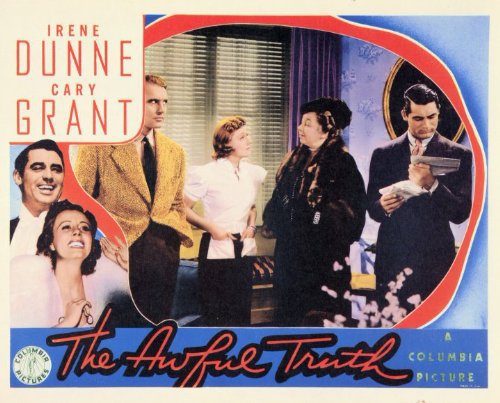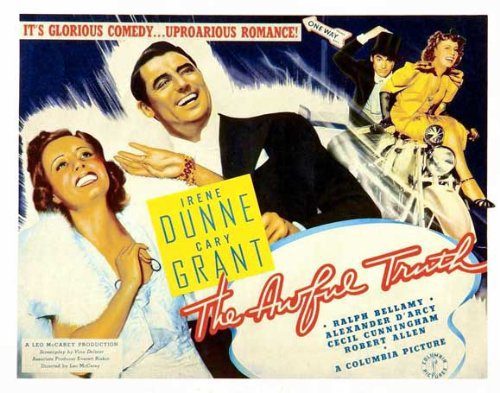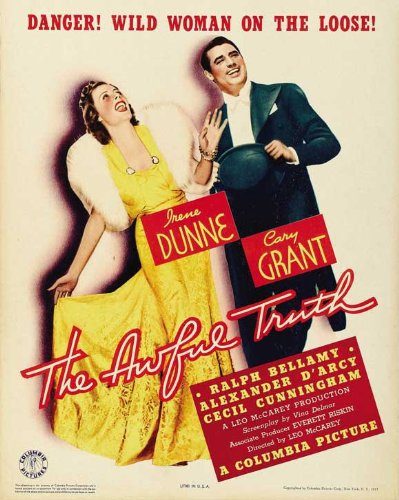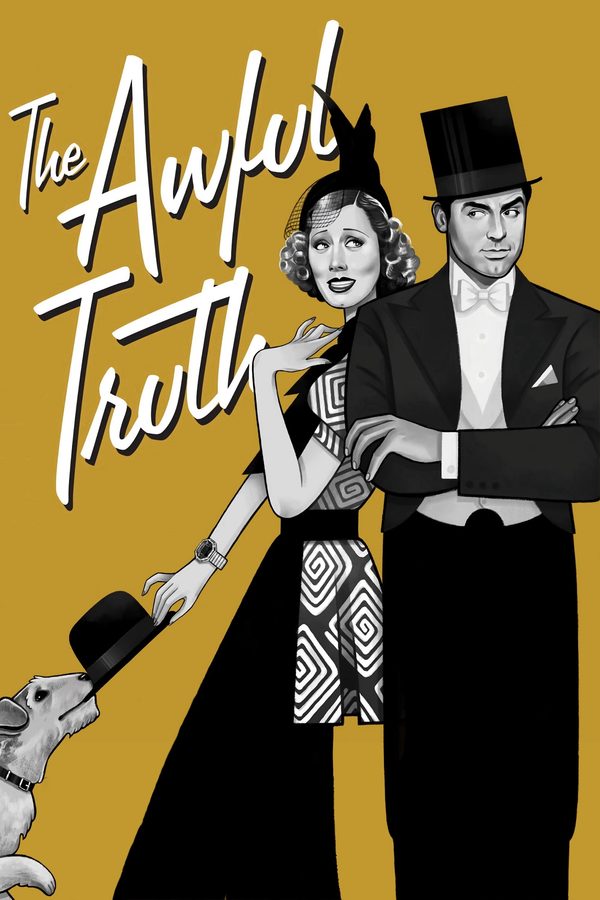
The Awful Truth (1937) on Netflix
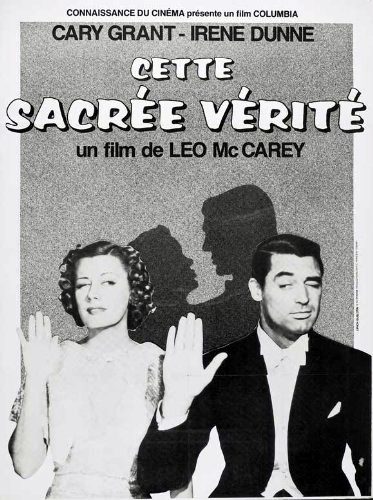
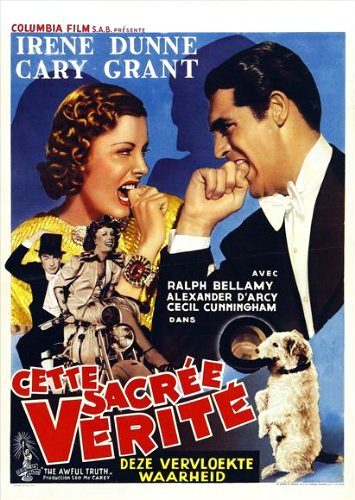
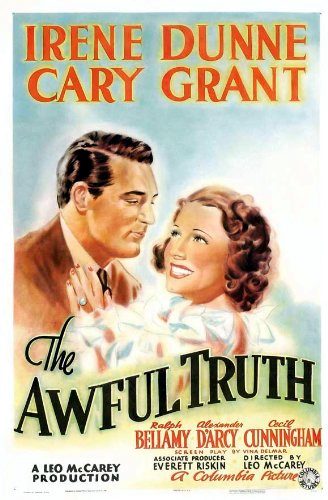
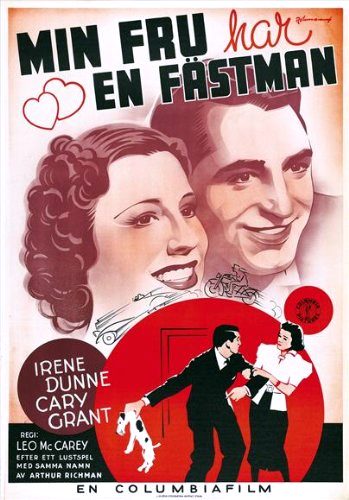
Jerry Warriner comes home from a supposed Florida trip with a sunlamp tan. Lucy Warriner has spent a night with Armand Duvalle, her voice teacher. Suspicion pushes them into divorce proceedings.
- Netflix4.2/5
- IMDb7.6/1023,541 votes
- Rotten Tomatoes91%
Trailer

Plot summary
Jerry Warriner tells his wife, Lucy, that he is leaving for a Florida vacation. He is gone two weeks and comes home with a tan from a sunlamp. Lucy, for her part, has spent a night with Armand Duvalle, her voice teacher, and says his car broke down and nothing happened. Jerry does not believe her. The oranges he brought back are stamped California, so Lucy realizes he never went to Florida. Their suspicion of each other leads them to start divorce proceedings, and they dispute custody of Mr. Smith, their terrier.
Cast








Show all 20 cast



Did you know?!Facts and trivia about The Awful Truth (1937)
Can contain spoilers, watch the movie first.
- When Harry Cohn baulked at Leo McCarey's demand for $100,000 to direct, McCarey strolled over to a piano and played show tunes. Cohn, who loved musicals, decided anyone with that taste had to be talented, paid the fee and agreed not to interfere with the production.
- Cary Grant was so unnerved by shooting without a script that he sent Harry Cohn an eight-page memo titled "What's Wrong With This Picture", offering to make pictures for free and to repay $5,000 to be let out. McCarey offered $5,000 of his own to get Grant off the film; Cohn ignored both.
- For the shot in which the dog Mr. Smith leaps into Cary Grant's arms, the crew hid a white rubber mouse, one of Skippy's favorite toys, in Grant's breast pocket. The terrier dodged him anyway and the shot took several days; the human cast also had unscheduled days off because Skippy was booked on another film.
SPOILER
A cat had to block a bedroom door in the finale, but five cats, then three more, then the animals of three further wranglers all refused to sit still. McCarey ended up issuing a public appeal for anyone with a cat that would do it.- Nobody knew whether Connecticut, where the script was set, allowed the 90-day interlocutory decree the plot depended on, and Columbia's lawyers could not say which state did. McCarey telephoned New Jersey Attorney General David T. Wilentz, who happened to be in Los Angeles, and the film was reset in New Jersey.
- McCarey got the "Home on the Range" scene by trickery, casually asking Irene Dunne if she could play piano and Ralph Bellamy if he could sing, then telling Bellamy to belt it out in an Oklahoman accent. Dunne was furious when she realized he had meant to use the footage all along.
- Leo McCarey won the Academy Award for Best Director for the film, then said he had won it for the wrong picture, rating his work on the 1937 melodrama Make Way for Tomorrow higher.