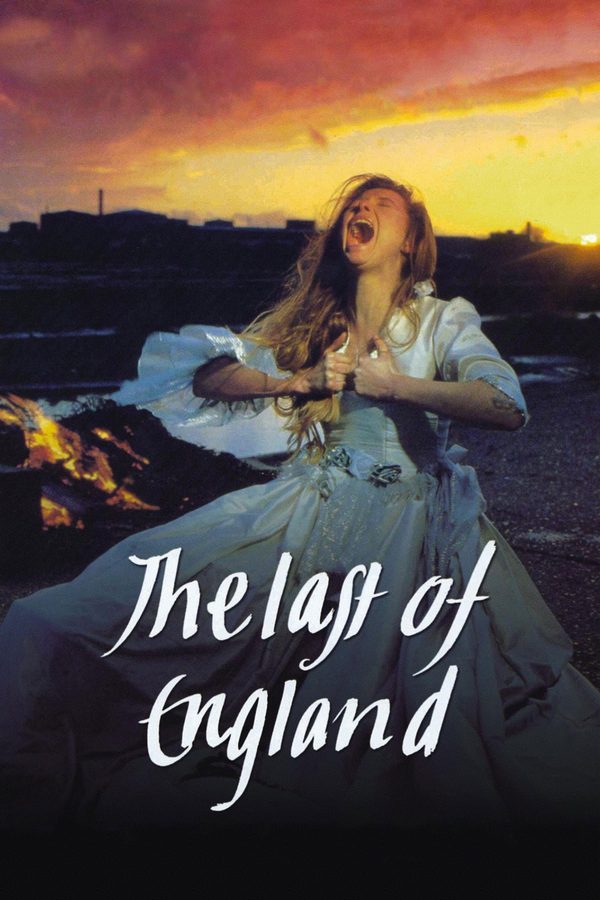
The Last of England (1987) on Netflix
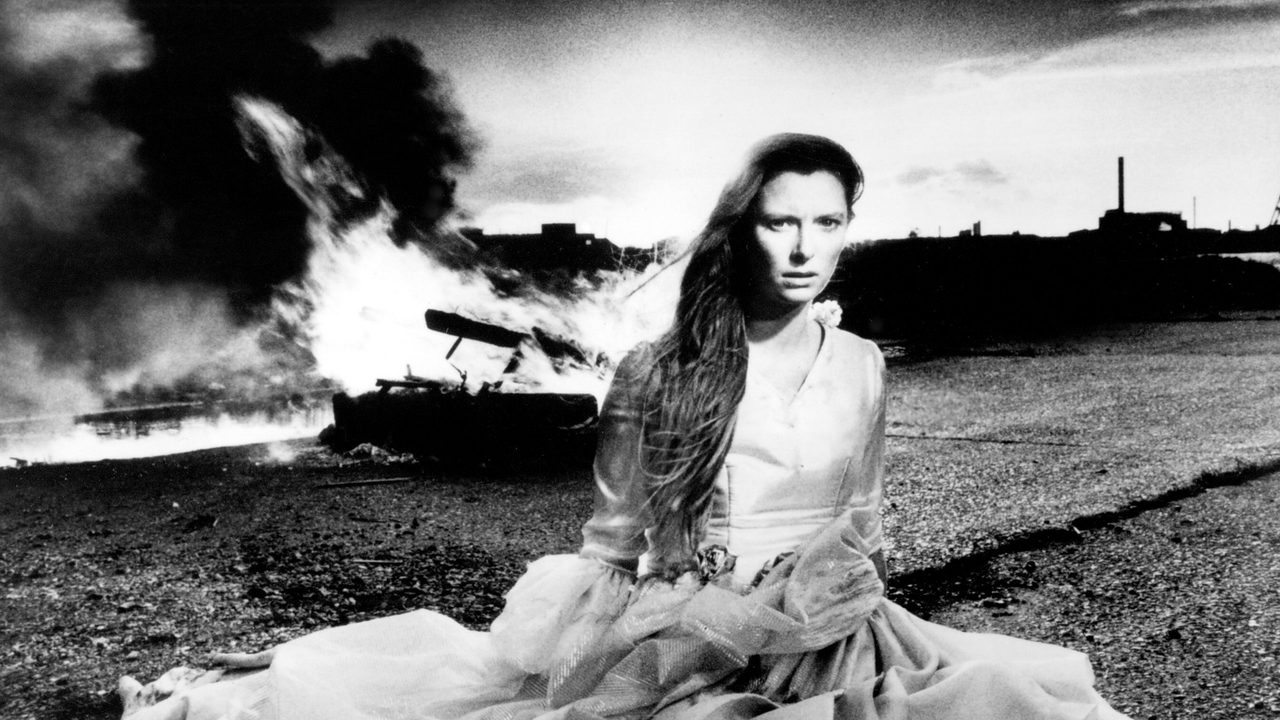
England under Thatcher, its traditional culture being lost, told in images rather than spoken dialogue. A maid and a soldier are among the figures who appear.
- Netflix3.1/5
- IMDb6.4/101,663 votes
- Rotten Tomatoes60%
Trailer
Plot summary
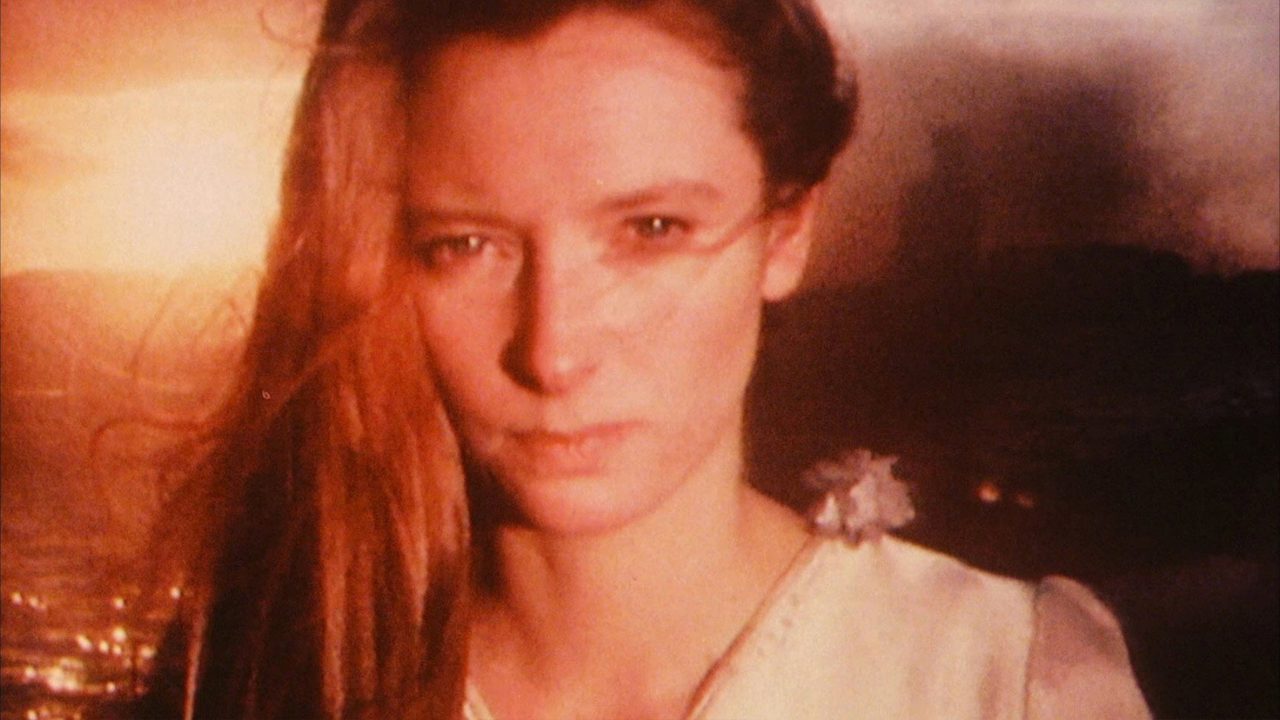
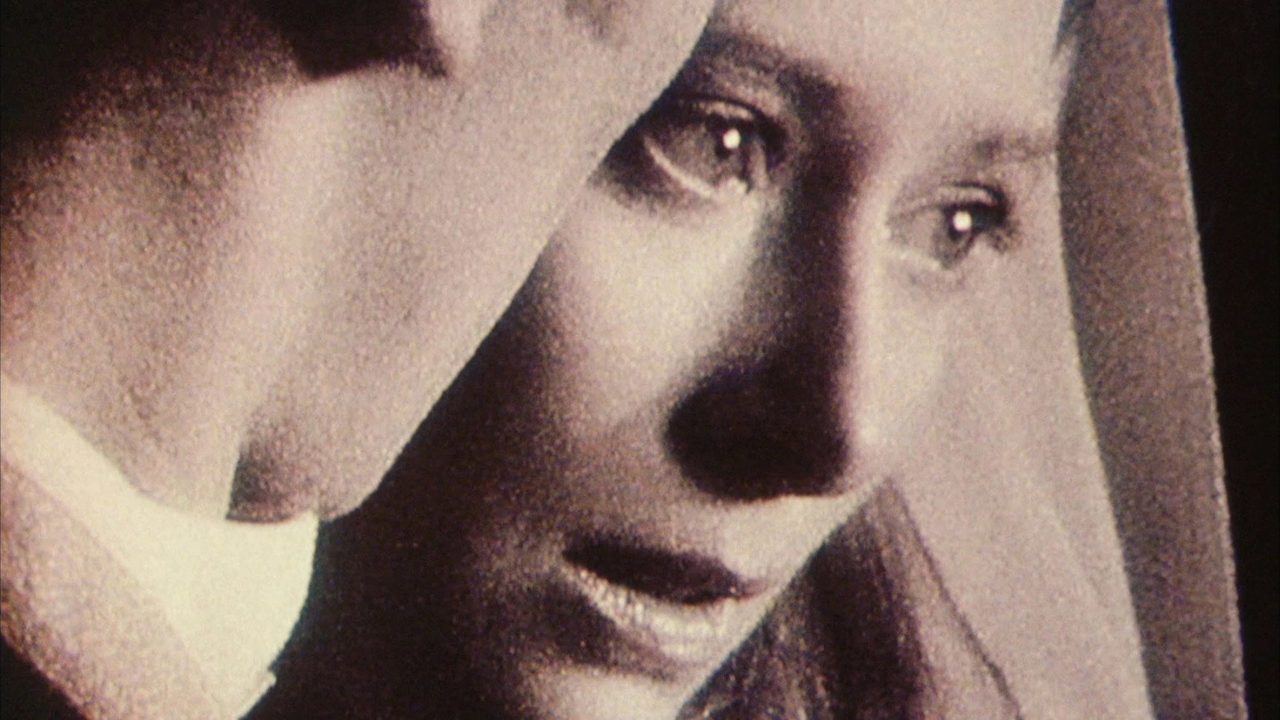
Anger at Thatcher's England, including Section 28 of the Local Government Act, and a sense of a traditional culture being lost: a poetic depiction rather than a conventional story, with the meaning carried by images and no spoken dialogue. A soundtrack built around Bach violin sonatas accompanies voice-over texts read in flat broadcast style, and a silent love story runs through the pictures. Filming centered on London's docklands, where warehouses and old streets were being demolished for concrete redevelopment and luxury housing, and reached Liverpool's housing estates and post-war airfields. Performances emerged from improvisation with little direction, and the material was shot mostly in the free format of Super 8, scratches and out-of-focus frames kept. Home movies from the late 1920s and wartime footage are woven in. The Maid and a soldier are among those on screen.
Cast


Did you know?!Facts and trivia about The Last of England (1987)
Can contain spoilers, watch the movie first.
- Jarman built much of the film from his own family's old movies: home movies shot by his grandfather Harry Jarman from the late 1920s, plus color footage by his father, an RAF officer, including wartime material and scenes at RAF Abingdon in 1948, when Jarman was six.
- There was no formal casting: when the performer Spring left partway through to stay in the United States, Derek Jarman turned to Spencer Leigh, who had played Gerusalemme in Caravaggio (1986), and shot the film's more structured second half with him.
- Jarman deliberately left scratches, dust and out-of-focus images in the film, comparing those flaws to the deliberate imperfections Japanese master potters introduce to disrupt formal perfection.
- The film was shot primarily on Super 8, a format Jarman called "free" because it allowed spontaneity and independence from the institutional and financial control of 35mm filmmaking.
- Jarman filmed in London's docklands, in Rotherhithe near his former Butler's Wharf studio and along the Thames from Bankside to Tower Bridge, recording the demolition of warehouses, historic streets and architectural features in favour of concrete redevelopment and luxury housing.