Trailer
Plot summary
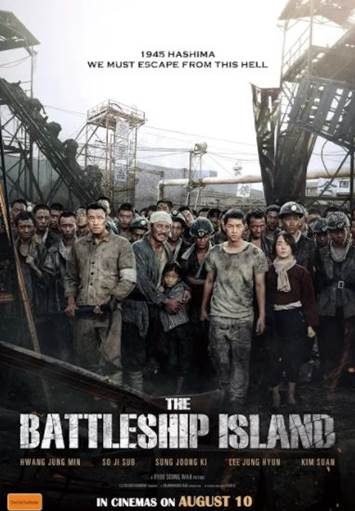
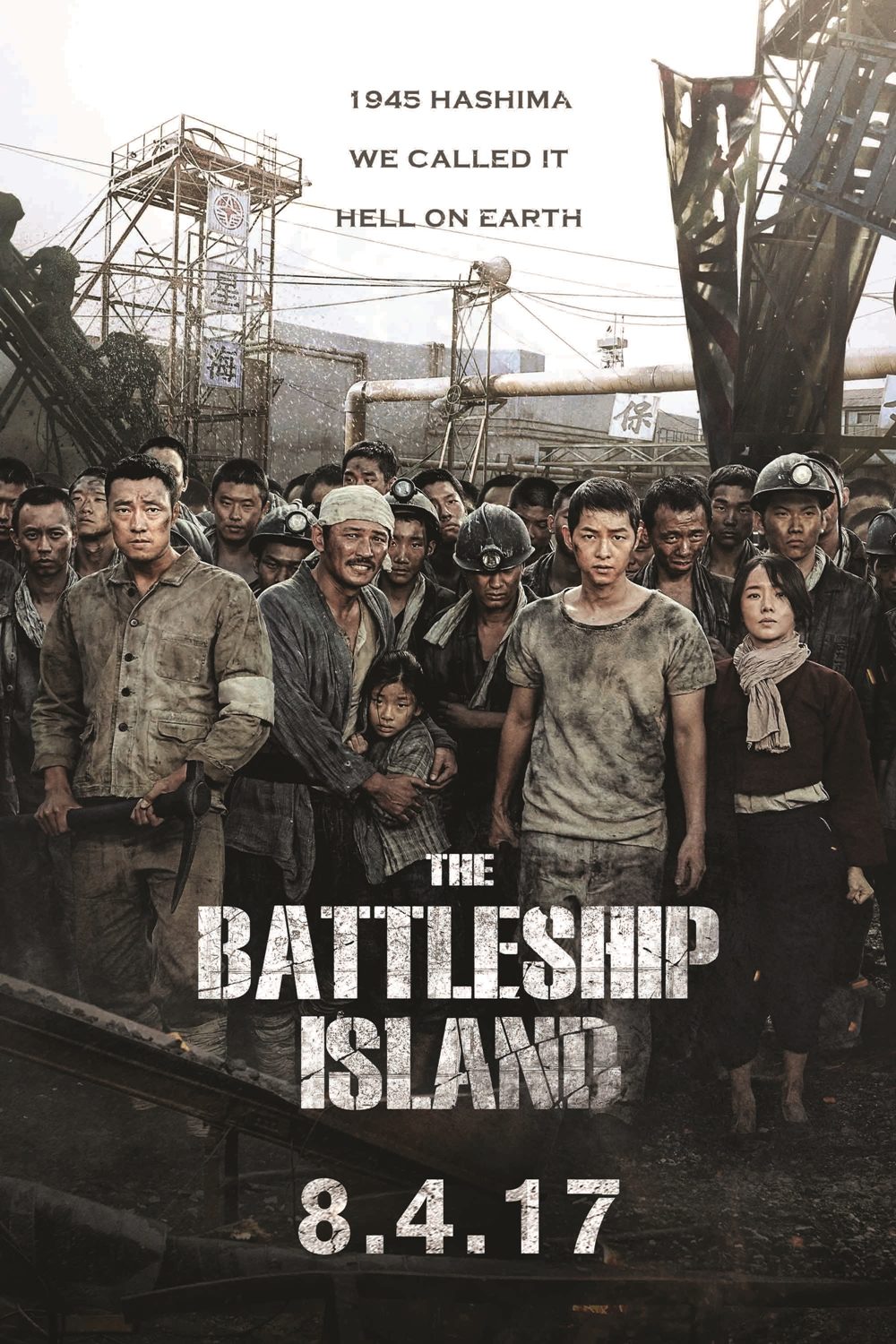
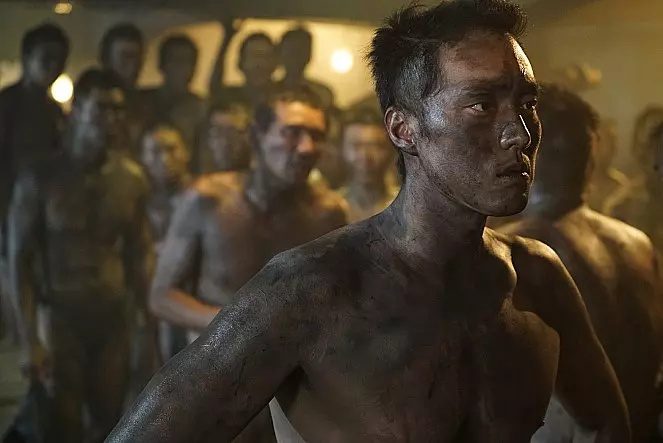
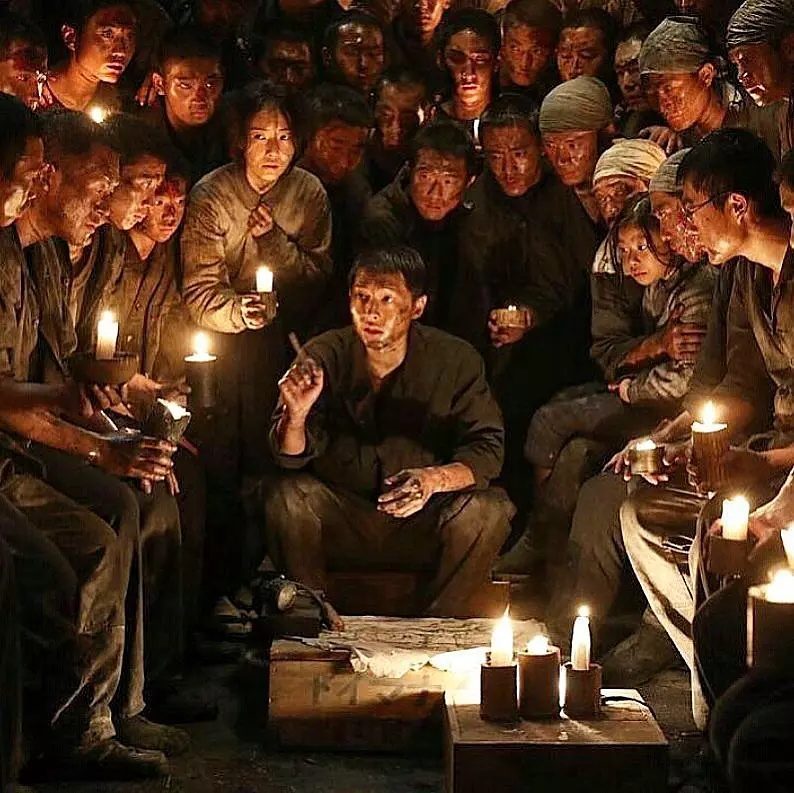
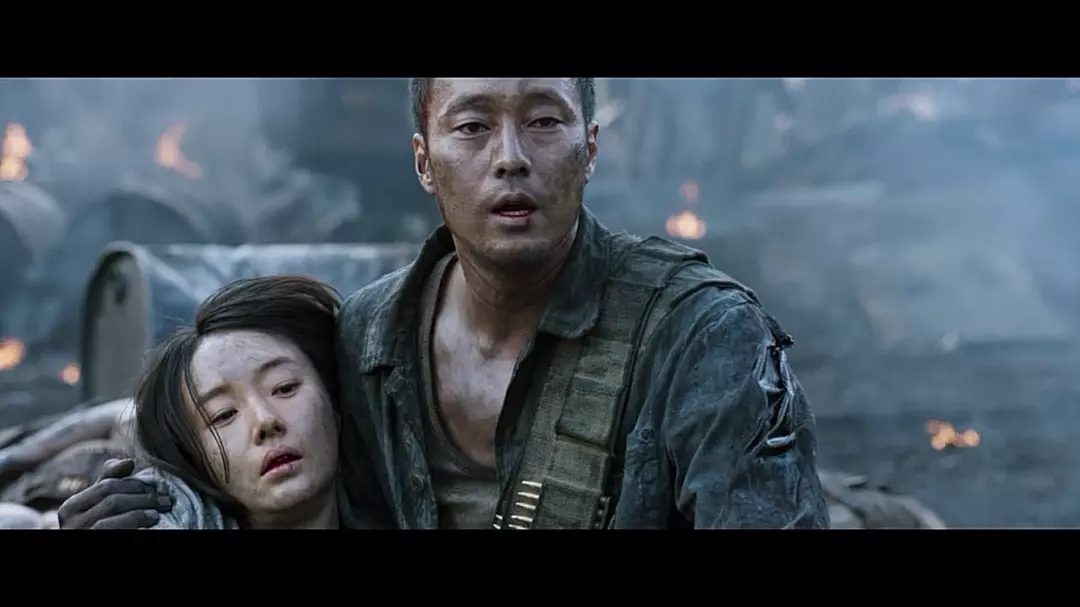
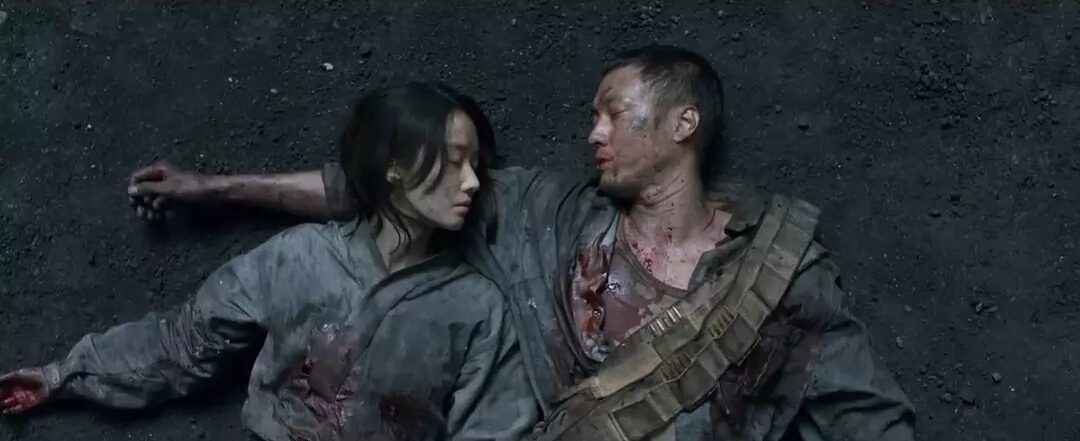
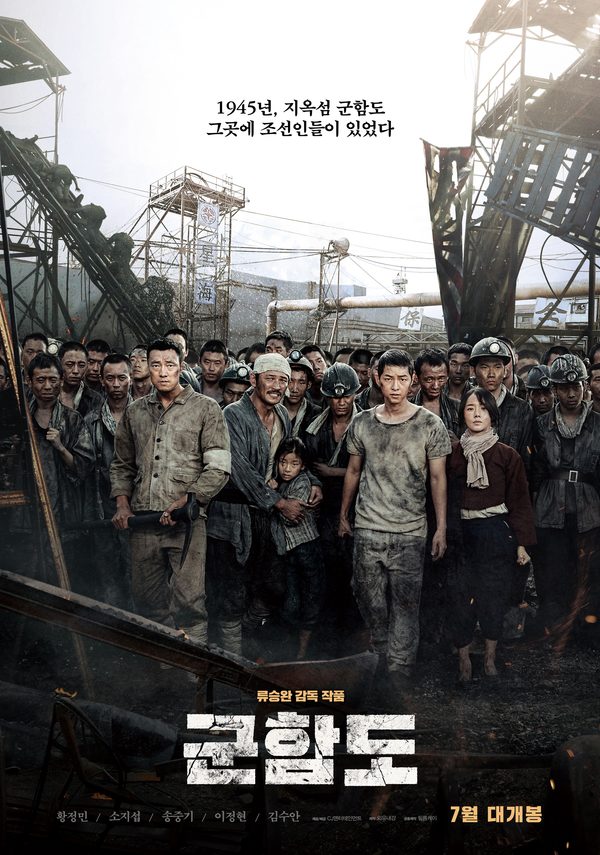
Japan's occupation of Korea sends Korean laborers to Hashima, an island coal mine where they work under force. Lee Kang-ok leads a hotel band in Keijō, and when he takes his daughter Lee So-hee toward Japan to keep her from harm, both end up on the island. He does whatever the camp demands as long as it protects her. Choi Chil-sung, the toughest street fighter in Gyeongseong, keeps causing trouble among the men. Park Moo-young belongs to the Korean independence movement and arrives on the island to free a comrade held there. Oh Mal-nyeon, moved to Hashima as a comfort woman, refuses to give up hope.
Cast











Did you know?!Facts and trivia about The Battleship Island (2017)
Can contain spoilers, watch the movie first.
- Japanese conservative media including the Sankei Shimbun attacked The Battleship Island for distorting historical truth. Director Ryoo Seung-wan replied that it is a "fact-based fiction" drawn from historical records and survivors' testimony about unpaid wages, abusive treatment and deaths from disease and accidents.
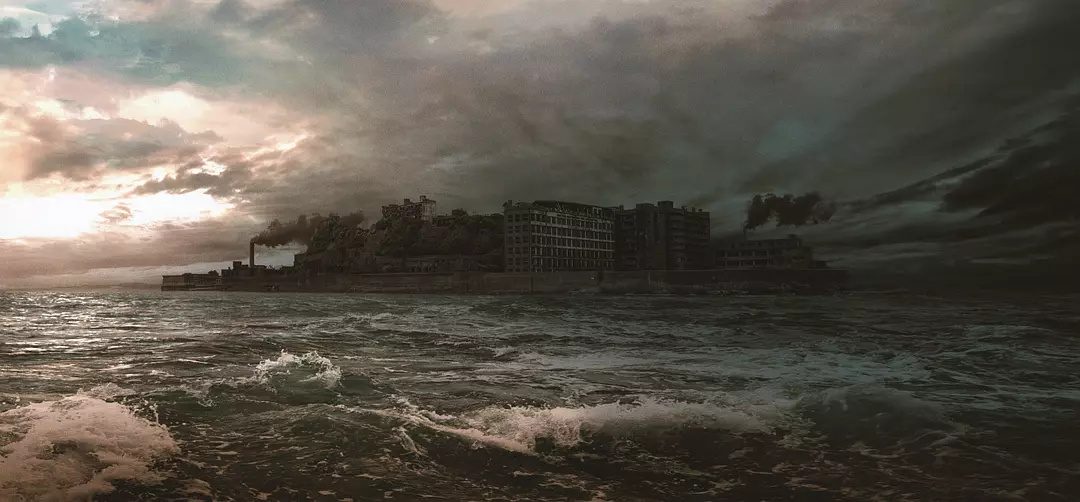
- Hashima Island, the real forced-labour site behind the film, was approved as a UNESCO World Heritage Site in July 2015 only after Japan acknowledged that Koreans were brought there against their will; two months later Foreign Minister Fumio Kishida said "forced to work under harsh conditions" did not mean forced labour.
- The Battleship Island was the first film in South Korea to open on more than 2,000 screens, which provoked controversy over screen dominance by conglomerates.
- The film was not shot on Hashima Island; the production built sets in Chuncheon designed to resemble the community and mines of 1940s Hashima.
- In South Korea the film was criticized for a pro-Japanese colonialist view of history, because it turned war crimes into cinematic entertainment and stressed Korean betrayals on behalf of the Japanese colonial government.