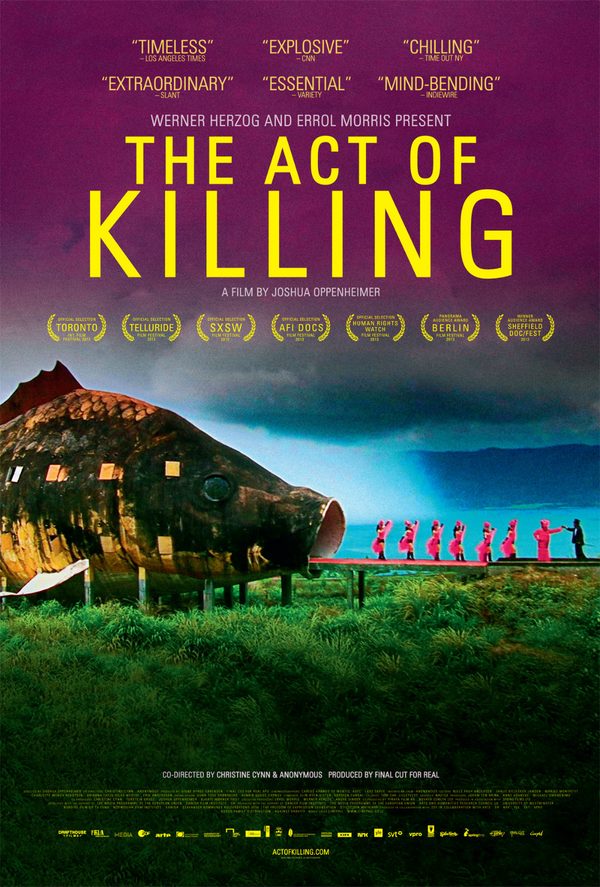
The Act of Killing (2012) on Netflix
NR20122h 39mBiographyCrimeDocumentary
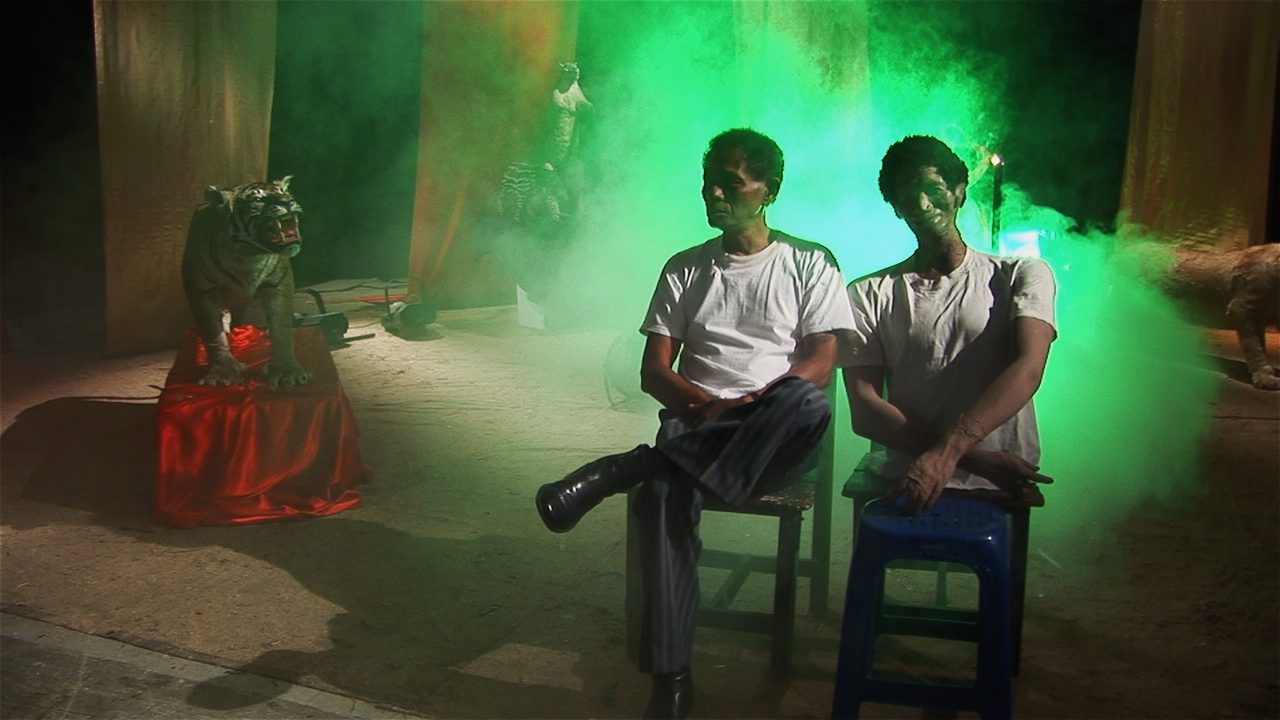
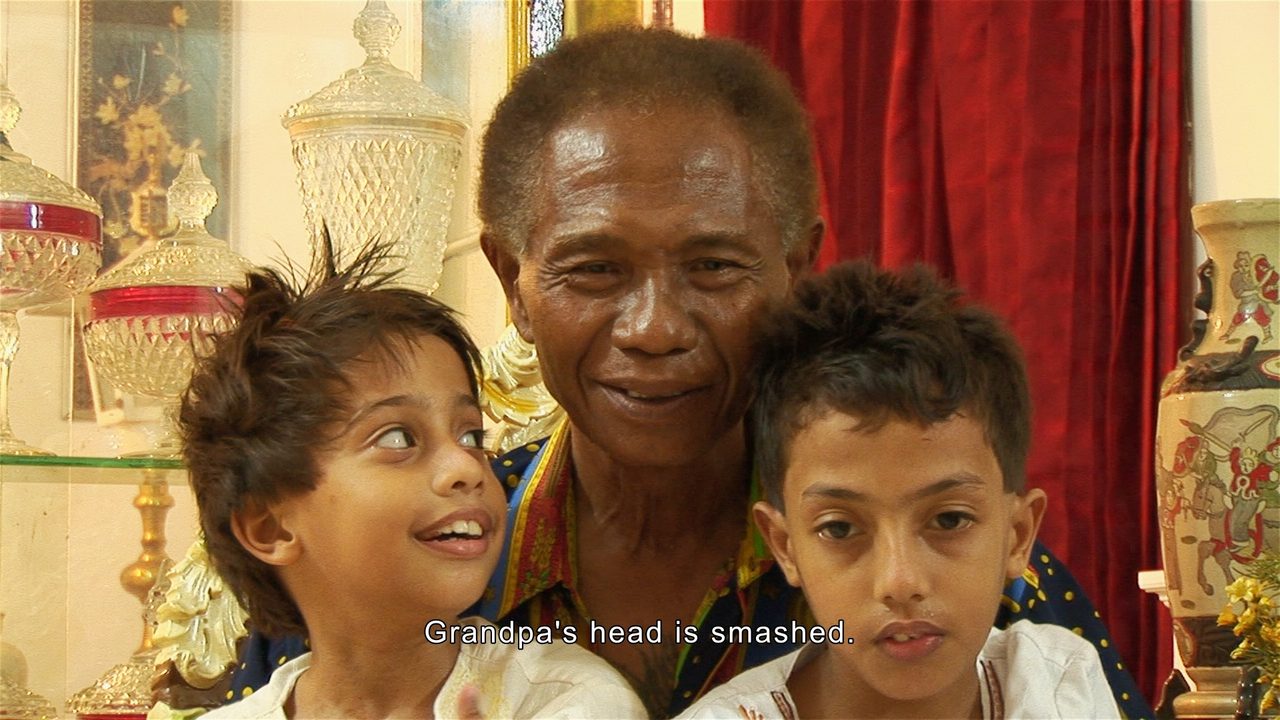
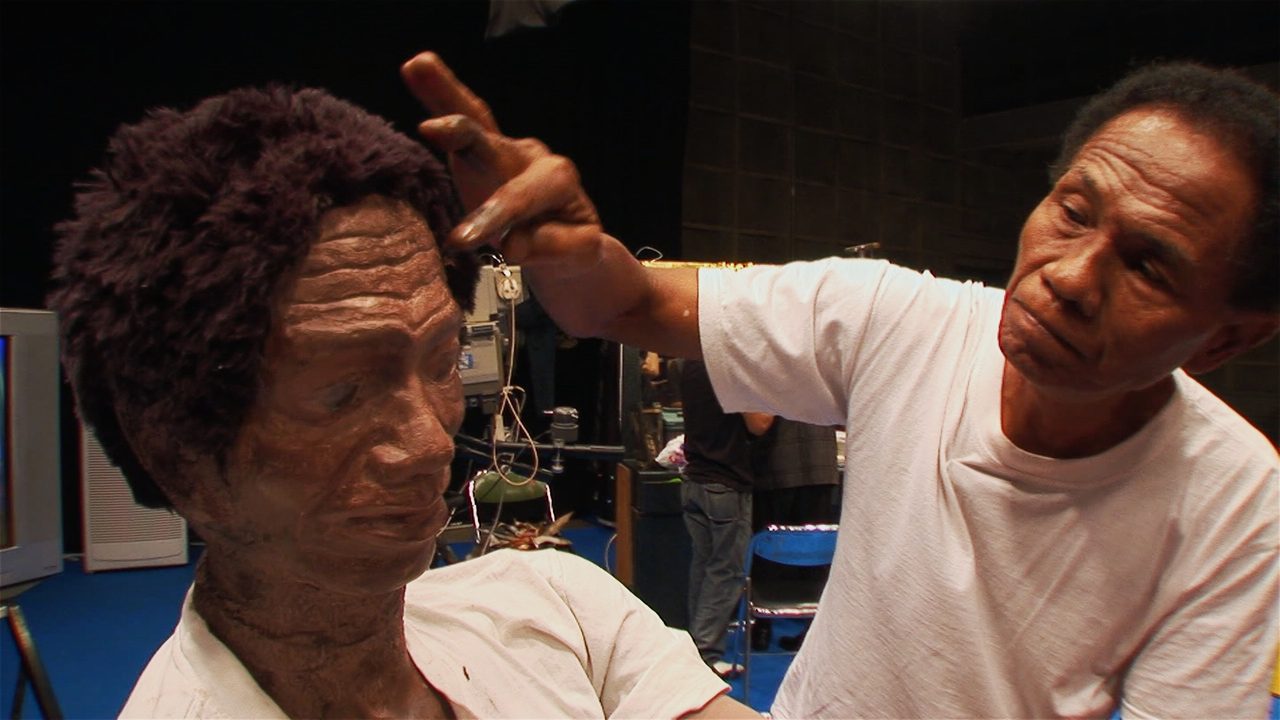
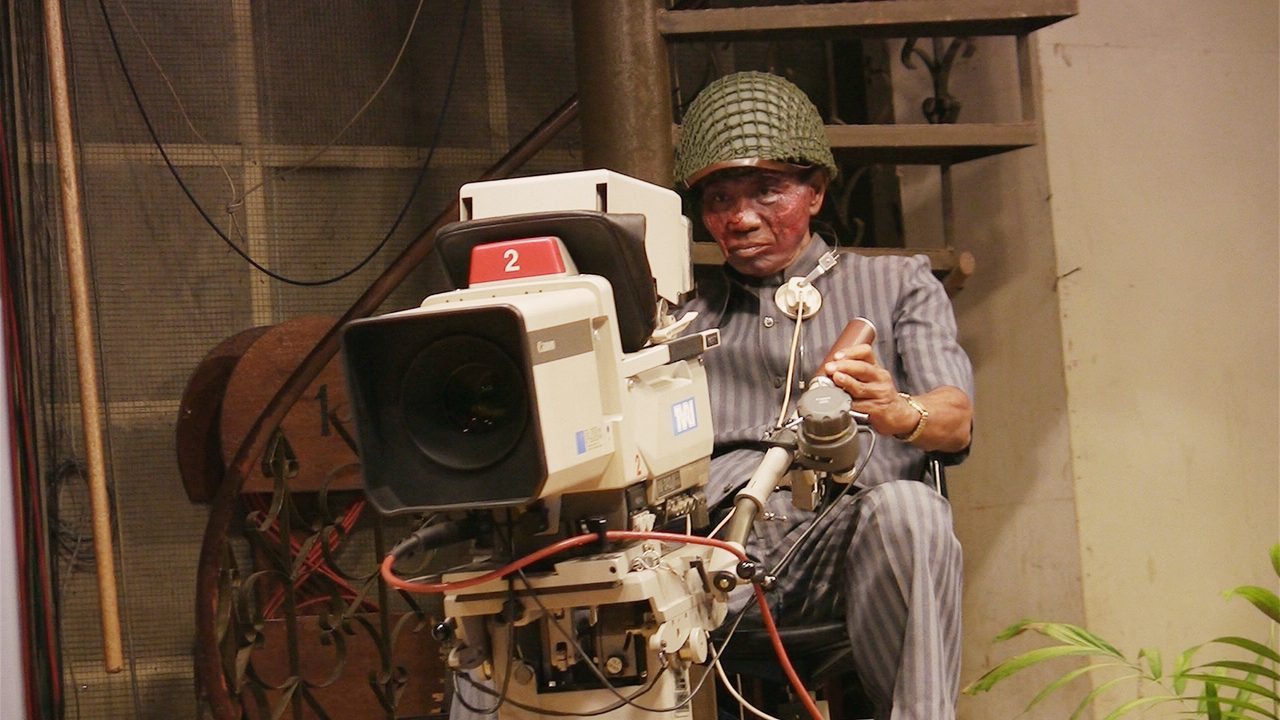
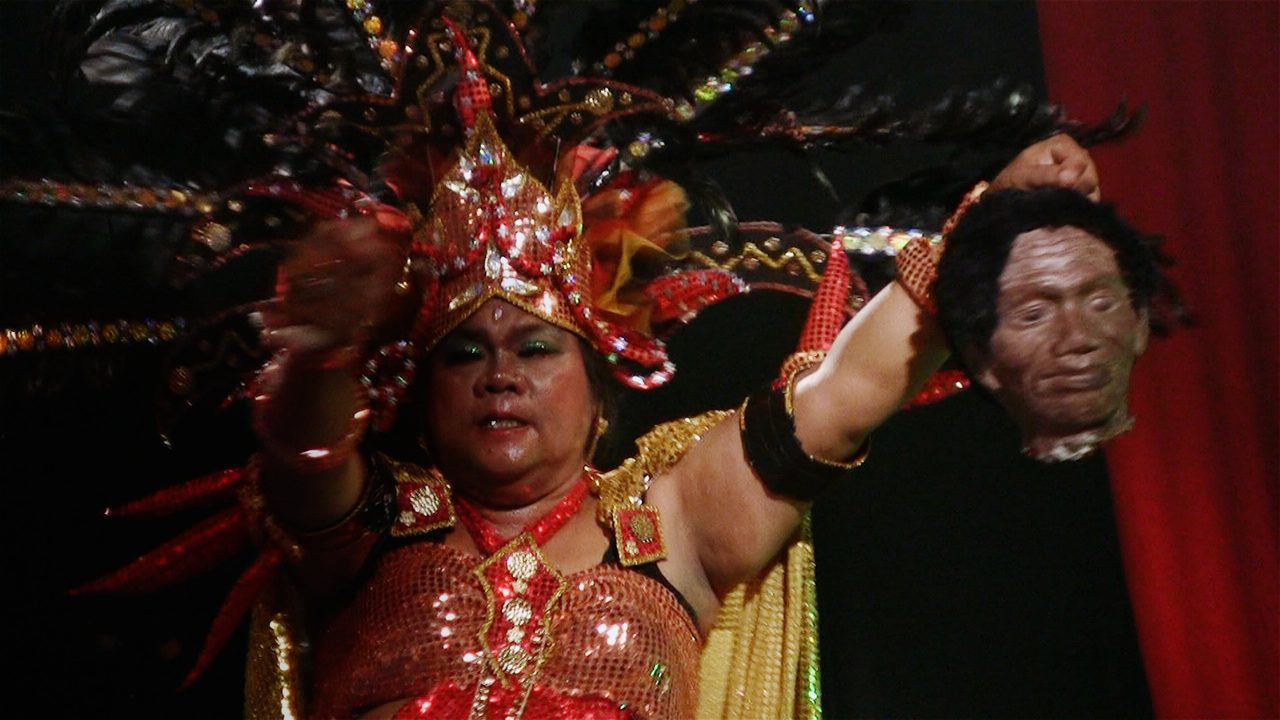
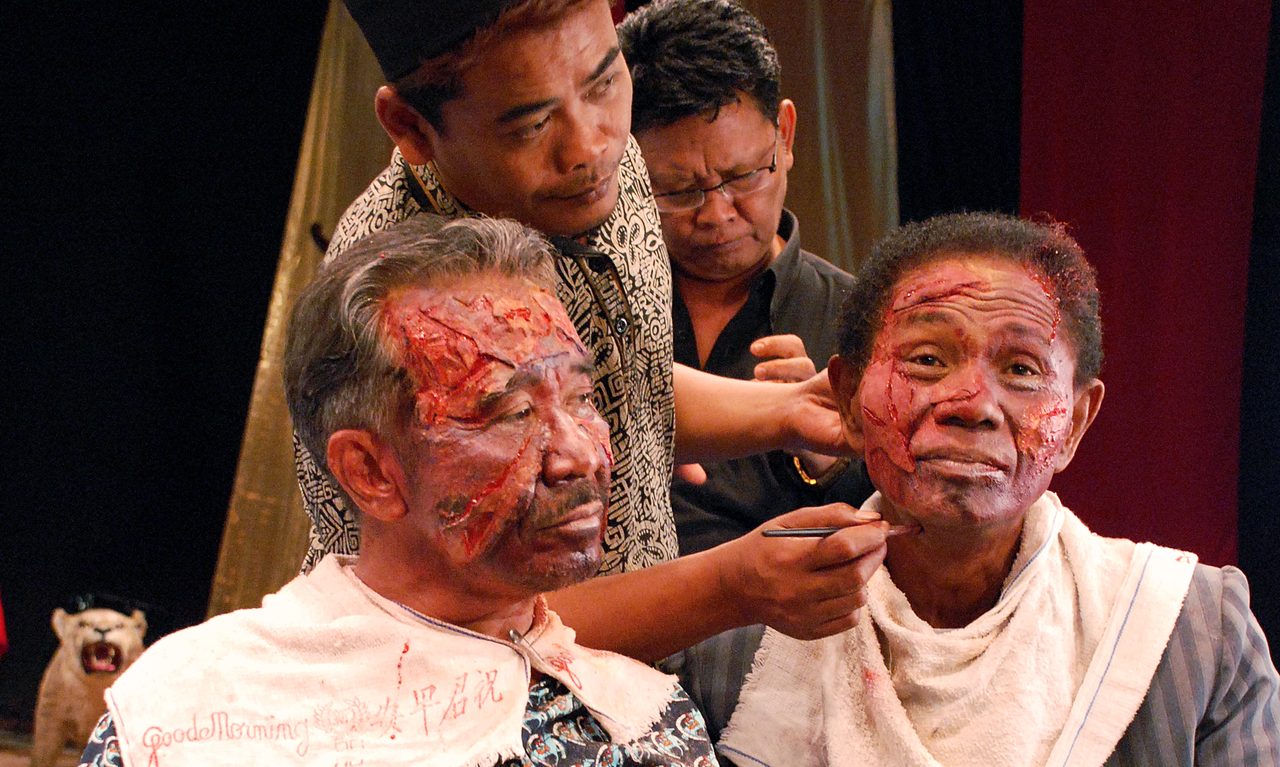
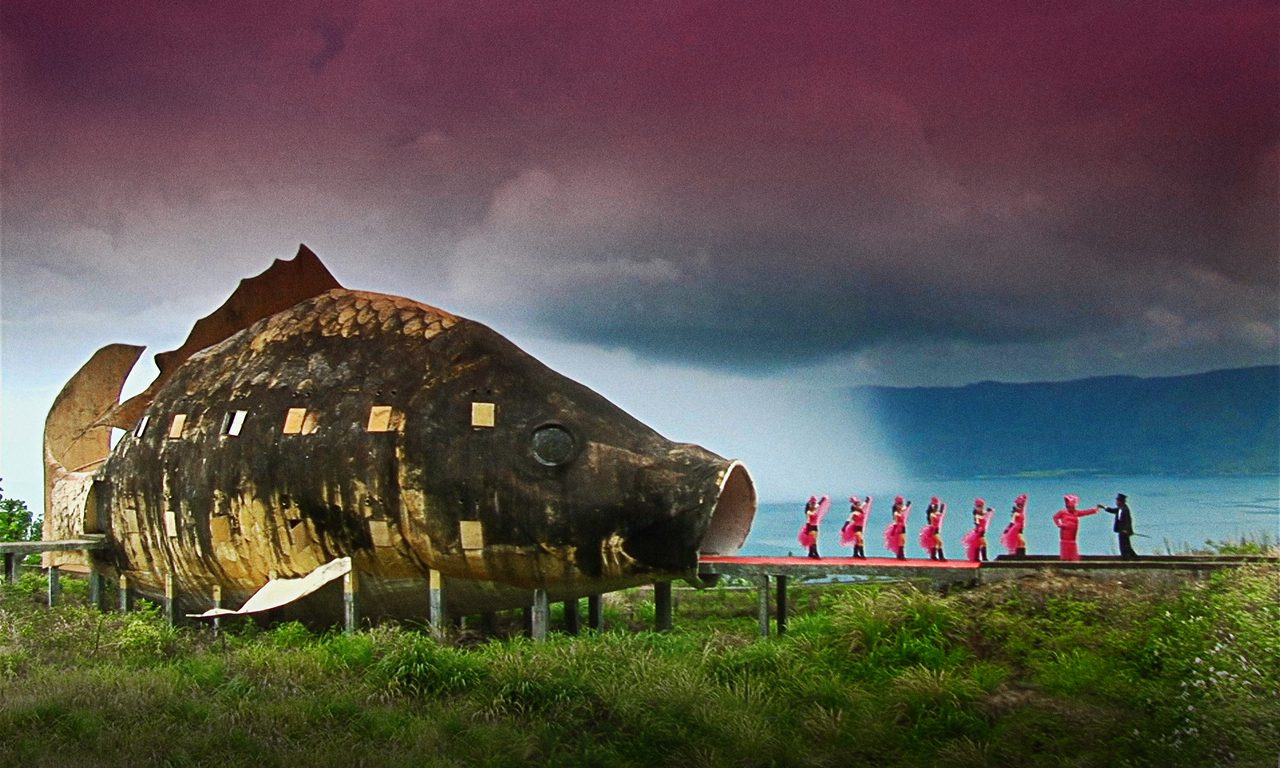
Anwar Congo, once an executioner for an Indonesian death squad, agrees to re-enact his killings on camera. He and his friends stage the massacres as gangster scenes, westerns and musicals.
- Netflix3.9/5
- IMDb8.2/1044,793 votes
- Rotten Tomatoes95%
Trailer

Plot summary
After the Indonesian military overthrew the government in 1965, Anwar Congo went from selling black market cinema tickets to leading a death squad. He and his friends helped the army kill more than a million people, among them alleged communists, ethnic Chinese and intellectuals, in under a year, and Anwar himself killed hundreds with his own hands. The paramilitary movement that grew out of the squads counts government ministers among its leaders, and its members boast about the massacres on television. Filmmakers ask Anwar and his friends to write and star in scenes about the killings, staged in the gangster, western and musical genres they loved as cinema fans. Herman Koto and Adi Zulkadry are among them, and younger members of the movement argue that the massacres should be boasted about, because fear is the basis of its power.
Cast
- Anwar Congoas Self - Executioner in 1965
- Herman Kotoas Self - Gangster and Paramilitary Leader
- Syamsul Arifinas Self - Governor of North Sumatra
- Ibrahim Sinikas Self - Newspaper Publisher
- Yapto Soerjosoemarnoas Self - Leader of Pancasila Youth
- Safit Pardedeas Self - Local Paramilitary Leader
- Jusuf Kallaas Self - Vice President of Indonesia
- Adi Zulkadryas Self - Fellow Executioner in 1965
- Suryonoas Self - Anwar's Neighbor
- Haji Marzukias Self - Member of North Sumatra Parliament
- Haji Anifas Self - Paramilitary Leader and Businessman
- Rahmat Shahas Self - Member of Parliament

Did you know?!Facts and trivia about The Act of Killing (2012)
Can contain spoilers, watch the movie first.
- Many Indonesians who worked on the film are credited only as "Anonymous", at their own request, because of the risk of legal and extrajudicial punishment for taking part. Oppenheimer respected that and has said he is open to writing them letters of recommendation if they ask.
- Of the Indonesian screenings, only one had to stop midway, in Central Java, at police demand. After a news editor published an article titled "World Condemns Pancasila Youth", 500 members of the gang stormed the office and beat up the general manager.
- Accepting the best documentary prize at the 67th British Academy Film Awards, Joshua Oppenheimer said the United States and the United Kingdom bore "collective responsibility" for "participating in and ignoring" the crimes. That remark was cut from the video BAFTA posted online.
- When Adi Zulkadry asked for the filming to be discontinued and alleged Oppenheimer was a communist, the frightened Indonesian crew looked on as Oppenheimer denied it. Traumatized by the shoot, he once collapsed from exhaustion and kept returning to London to recover from nightmares and insomnia.
- Executive producer Werner Herzog was shown eight minutes of the film and immediately took an interest. Months later he was angered by Oppenheimer's attempts to shorten it, but agreed to the trim and helped edit, marking scenes by three levels of importance and going over three or four rough cuts.
- While making their earlier film The Globalisation Tapes (2003) at a Belgian-owned palm plantation near Medan, Oppenheimer and co-director Christine Cynn had their equipment confiscated by the military and were detained. Before they left Indonesia, the plantation workers suggested they film the genocide's perpetrators.
- The set for the gangsters' re-enactments was modelled on the actual office where the murders took place, and the re-enactment scenes were entirely improvised.
- Oppenheimer and two junior editors spent a year sifting through 35 hours of footage selected from 1,000 hours before the editor Andersen joined midway, after which Anwar Congo was established as the film's main subject.