Trailer
Plot summary
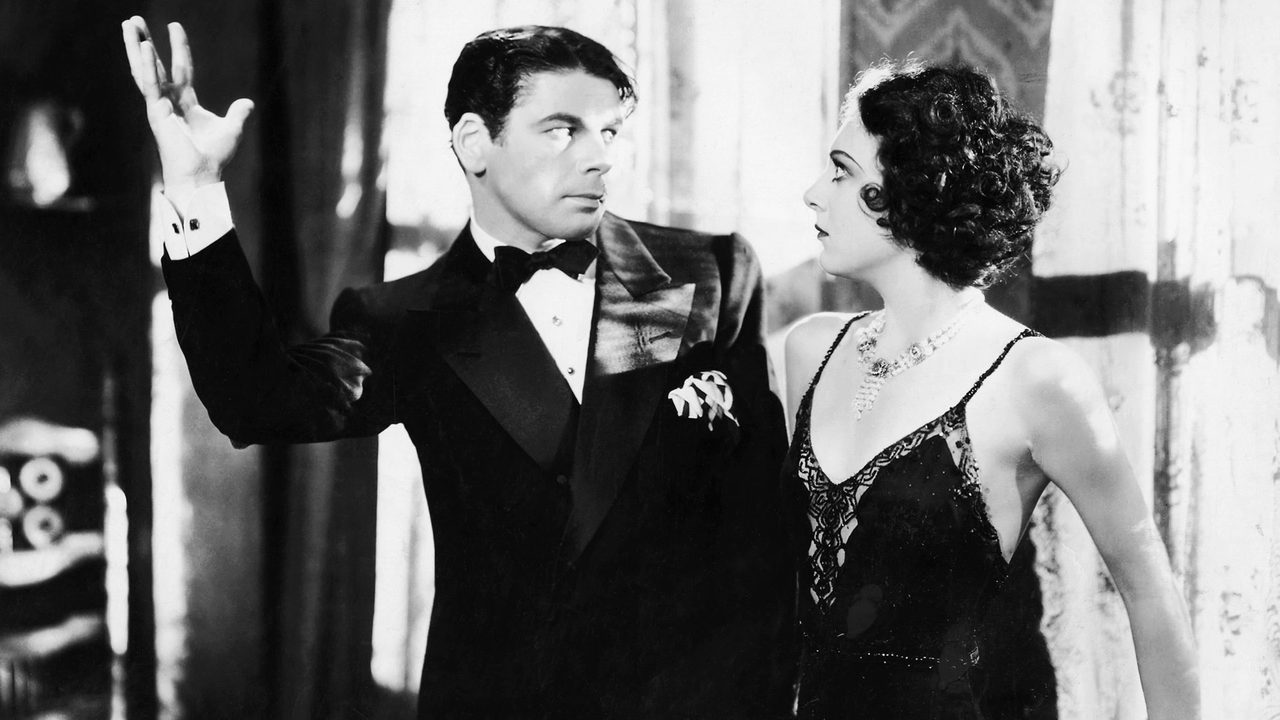
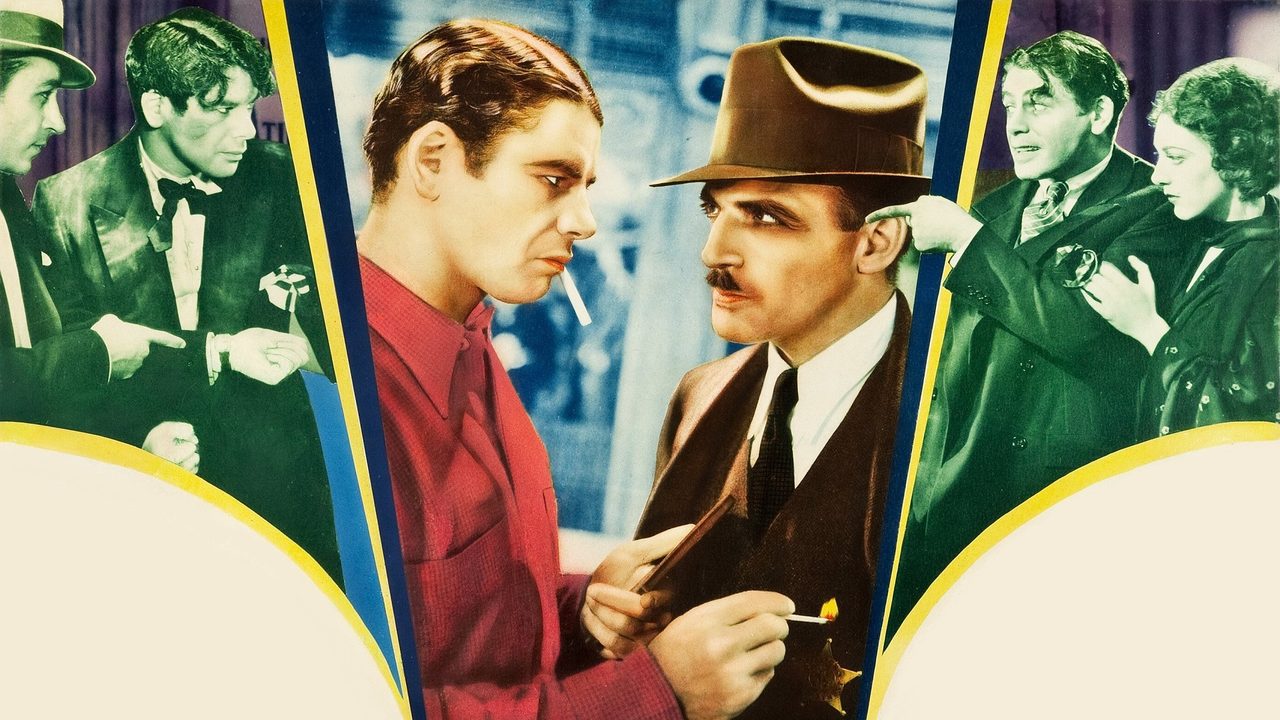
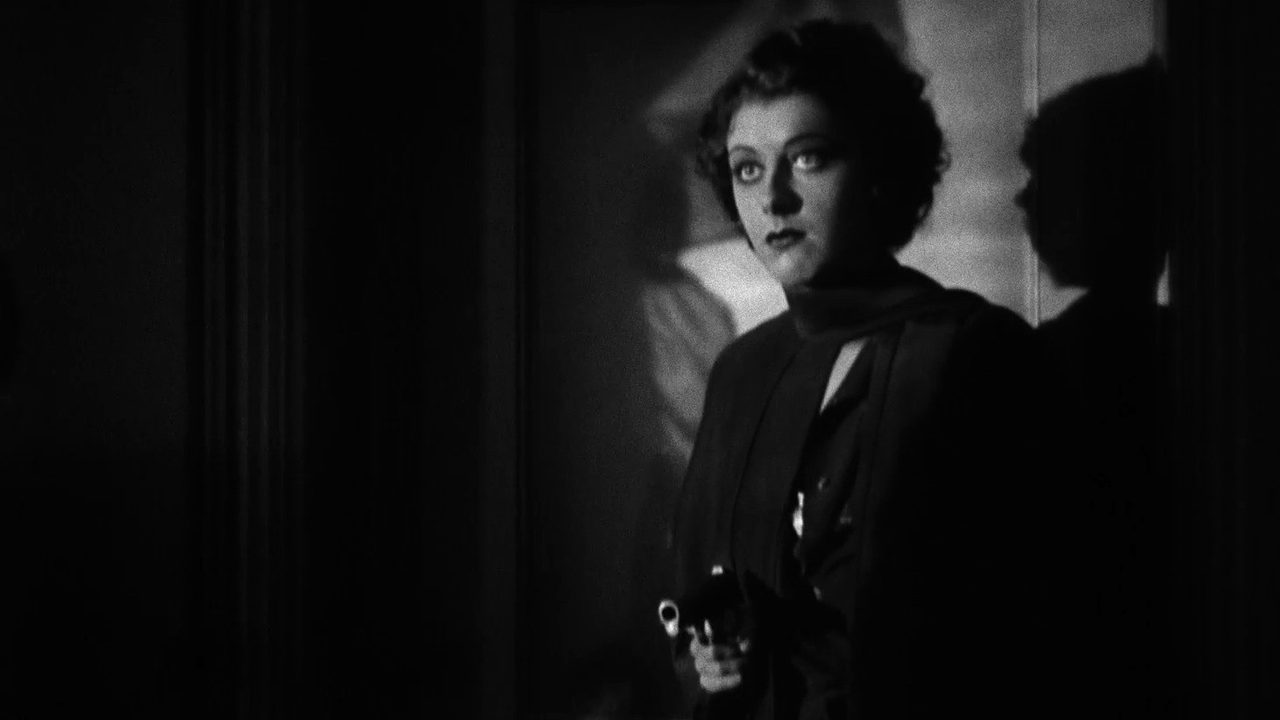
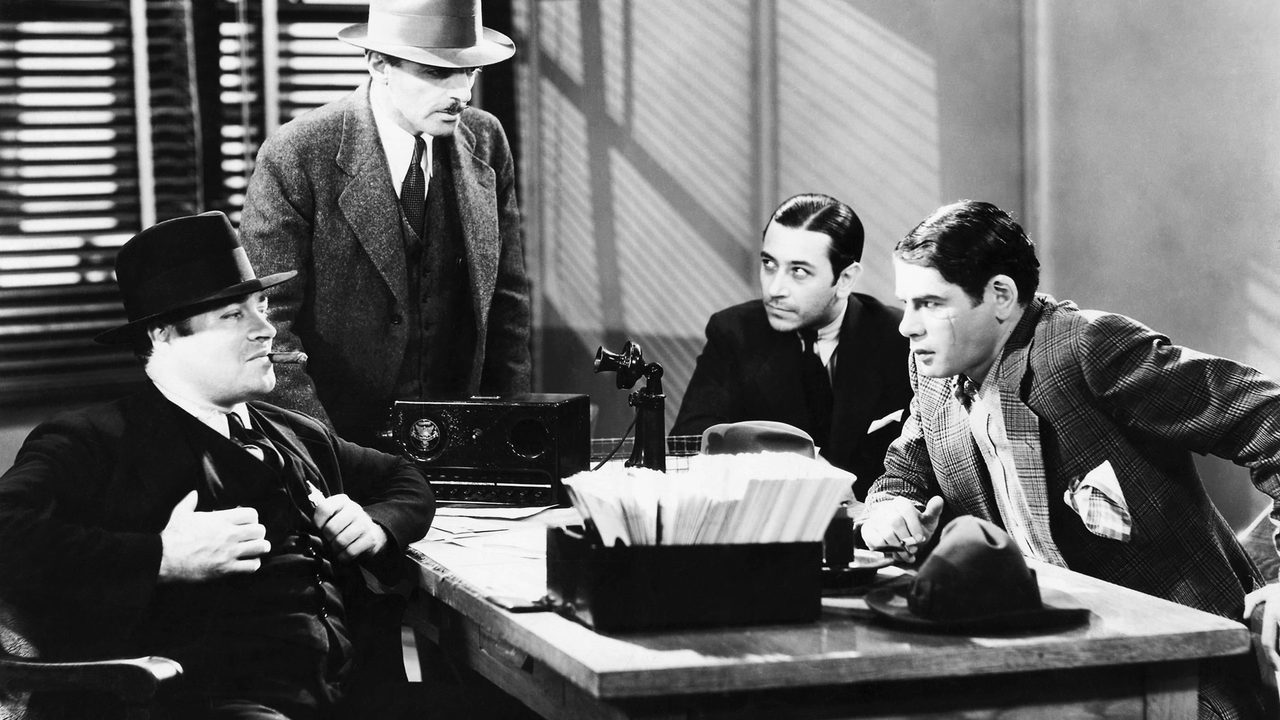
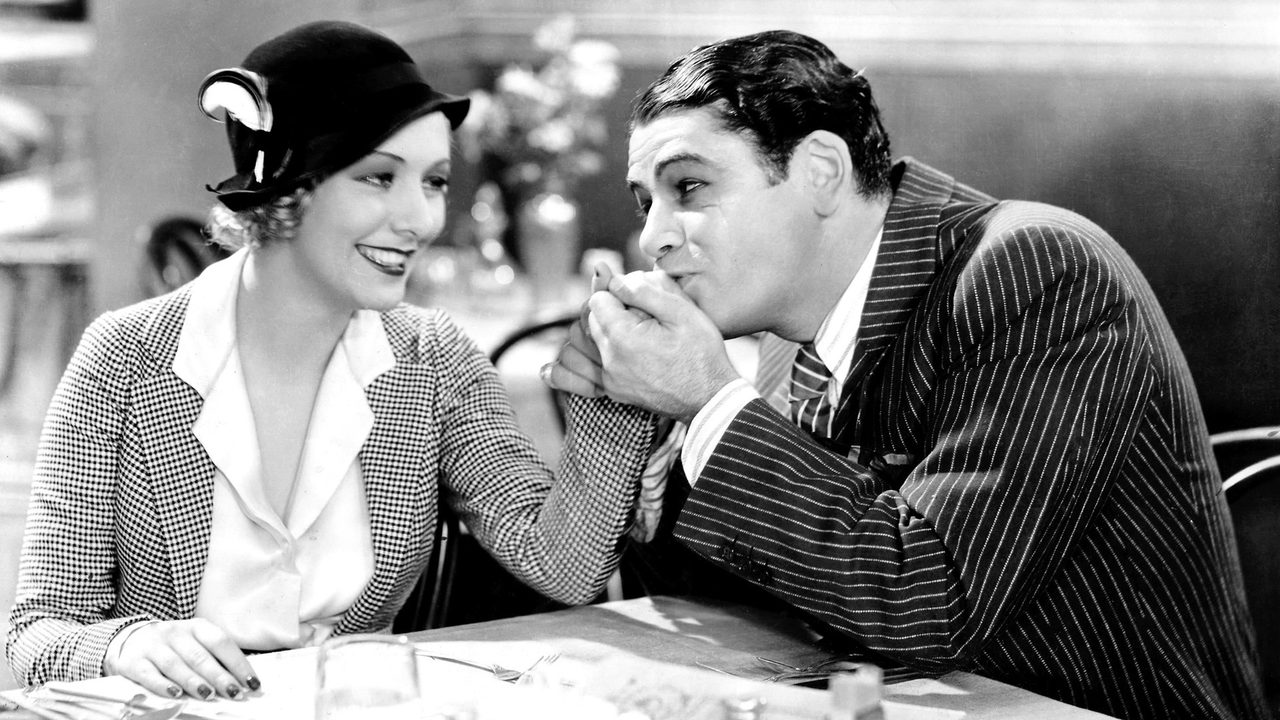
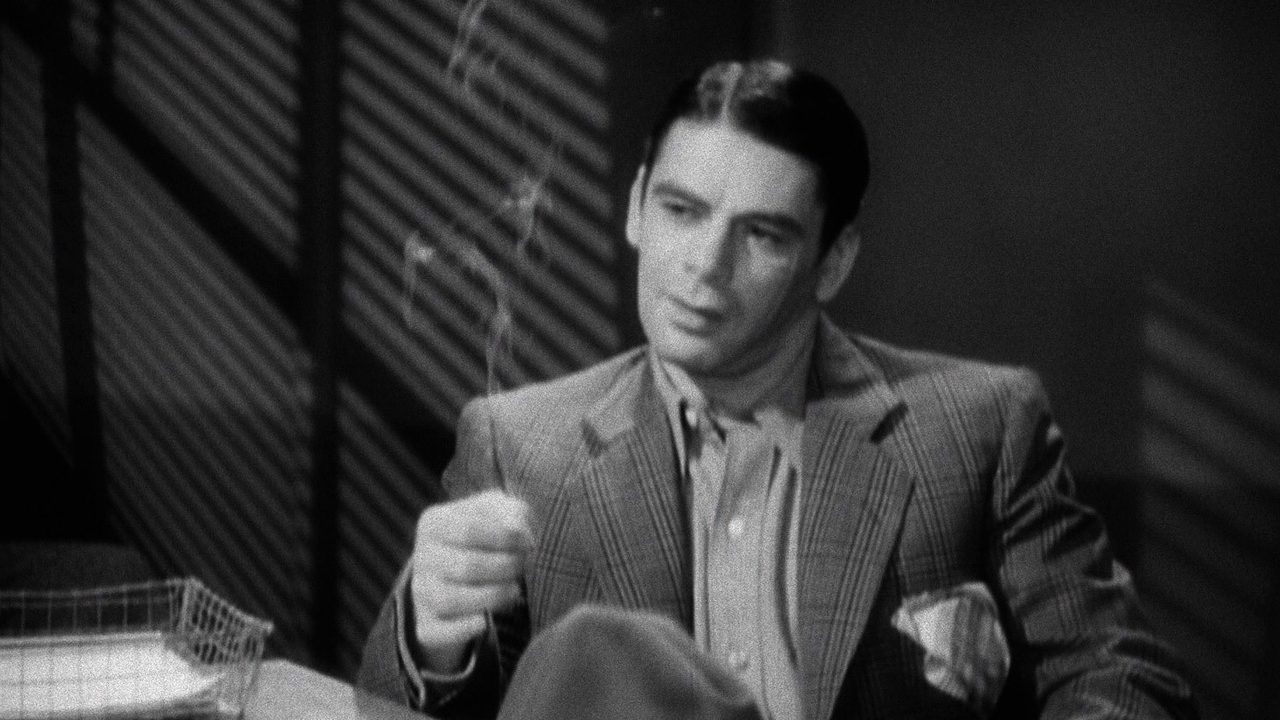
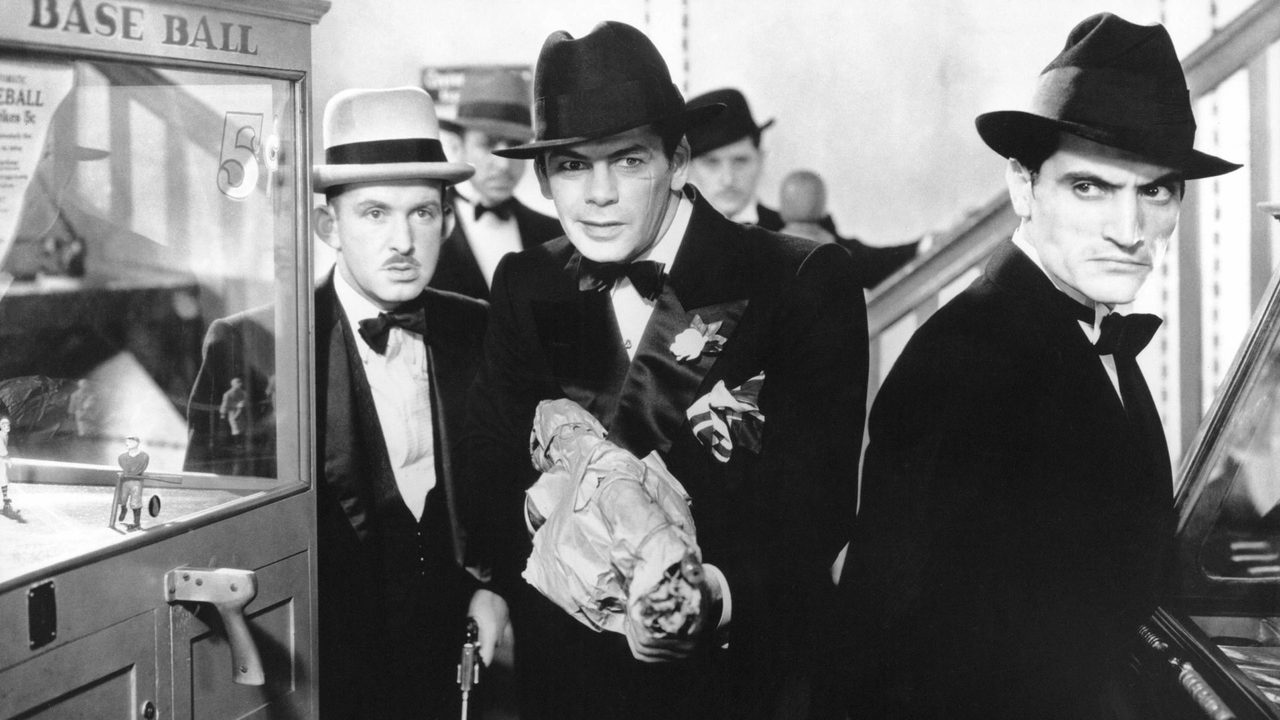
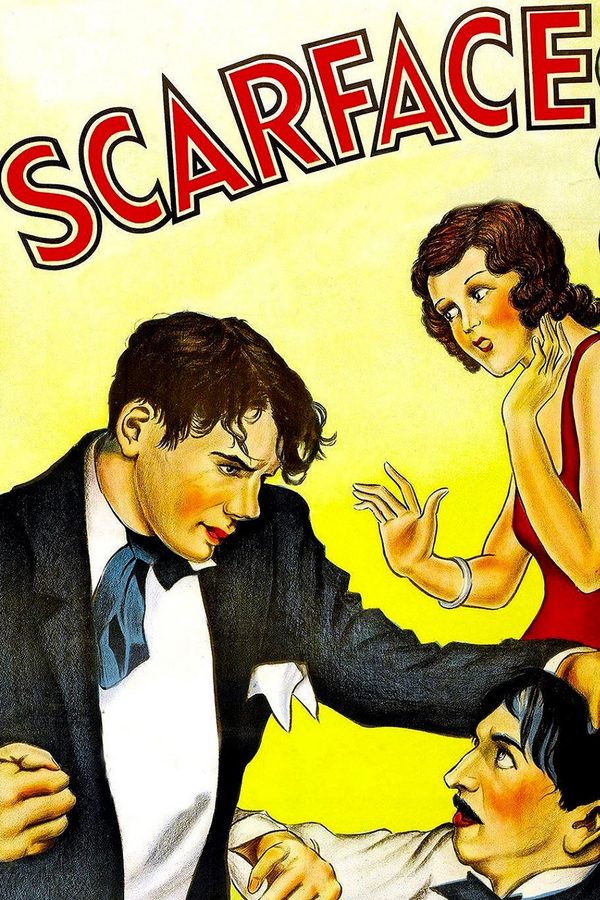
Tony Camonte is a low-level thug in 1920s Chicago. He shoots his employer, the crime lord Big Louis Costillo, alongside Johnny Lovo, Costillo's discontented lieutenant. Lovo takes control of the South Side and places Tony, Angelo and Guino "Little Boy" Rinaldo over the bootlegging business there, selling illegal beer to the bars and pushing out competitors. Tony wants to move on the North Side, which the Irish gangster O'Hara runs, and Lovo tells him to stay away. He ignores the order, removes O'Hara's men and extends his rackets north. Tony also goes after Lovo's girlfriend, Poppy, who dismisses him until his wealth and status grow; at his apartment he shows her the electric billboard outside advertising Cook's Tours and its slogan, "The World Is Yours."
Cast







Did you know?!Facts and trivia about Scarface (1932)
Can contain spoilers, watch the movie first.
- Al Capone sent two men to Hollywood to check that Ben Hecht's script was not based on his life. Hecht told them the Scarface character was a parody of numerous people and that the title was chosen to be intriguing, and the two men left him alone.
- Suspicious of Howard Hughes as an employer, screenwriter Ben Hecht requested a daily salary of $1,000, to be paid every day at six o'clock, figuring he would only waste one day's labor if Hughes turned out to be a fraud.
- Howard Hughes had sued Howard Hawks in July 1930, alleging Hawks's film The Dawn Patrol plagiarized his film Hell's Angels, yet over a game of golf Hughes promised to drop the suit and Hawks was interested in directing Scarface by the 18th hole.
- Talent agent Al Rosen suggested Paul Muni for the lead role after seeing him on Broadway, but Muni initially declined because he felt he was not physically suited for it; after reading the script, his wife convinced him to take the part.
- Jack La Rue lost the role of Tony Camonte's sidekick Guino Rinaldo because he was taller than Paul Muni and Hawks feared he would overshadow him. Hawks replaced him with struggling actor George Raft after meeting him at a prizefight.
- For the film's most violent scene, the restaurant shootout, Howard Hawks cleared the set to avoid harming extras and had machine guns fired at the set. The actors performed in front of a screen with the shooting projected behind them so the room appeared under fire.
- Censors required Scarface's ending to be modified, but Paul Muni could not re-film it in 1931 because of his Broadway work, so Howard Hawks used a body double filmed mainly through shadows and long shots to mask Muni's absence.
- Scarface was the last of the three big early-1930s gangster films, and the outrage at their pre-Code violence, particularly Scarface's, sparked the creation of the Production Code Administration in 1934.