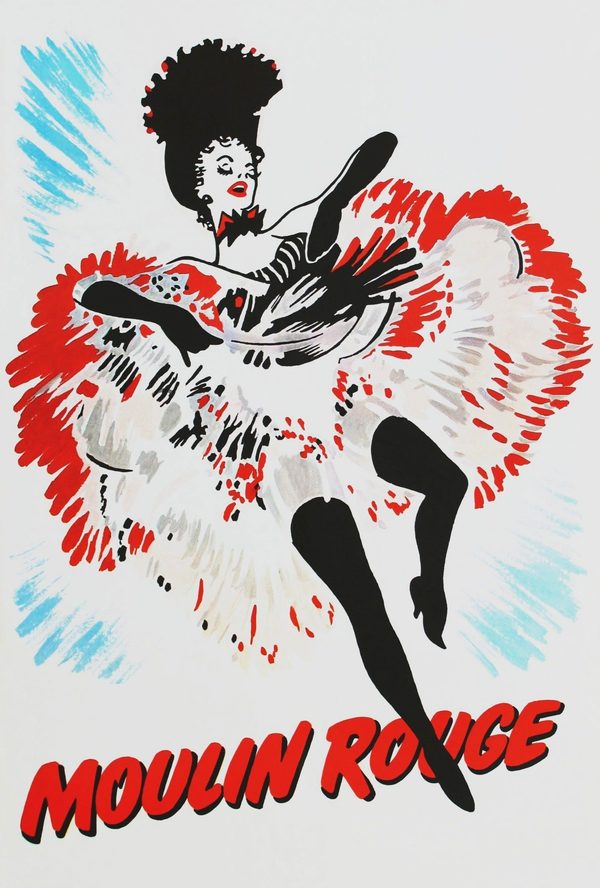
Moulin Rouge (1952) on Netflix
NR19521h 59mBiographyDramaMusic
In 1890 Paris, artist Henri de Toulouse-Lautrec sketches dancers at the Moulin Rouge, where he feels at home. He helps streetwalker Marie Charlet escape the police, and she stays with him.
- Netflix3.6/5
- IMDb7.0/107,421 votes
- Rotten Tomatoes73%
Trailer

Plot summary
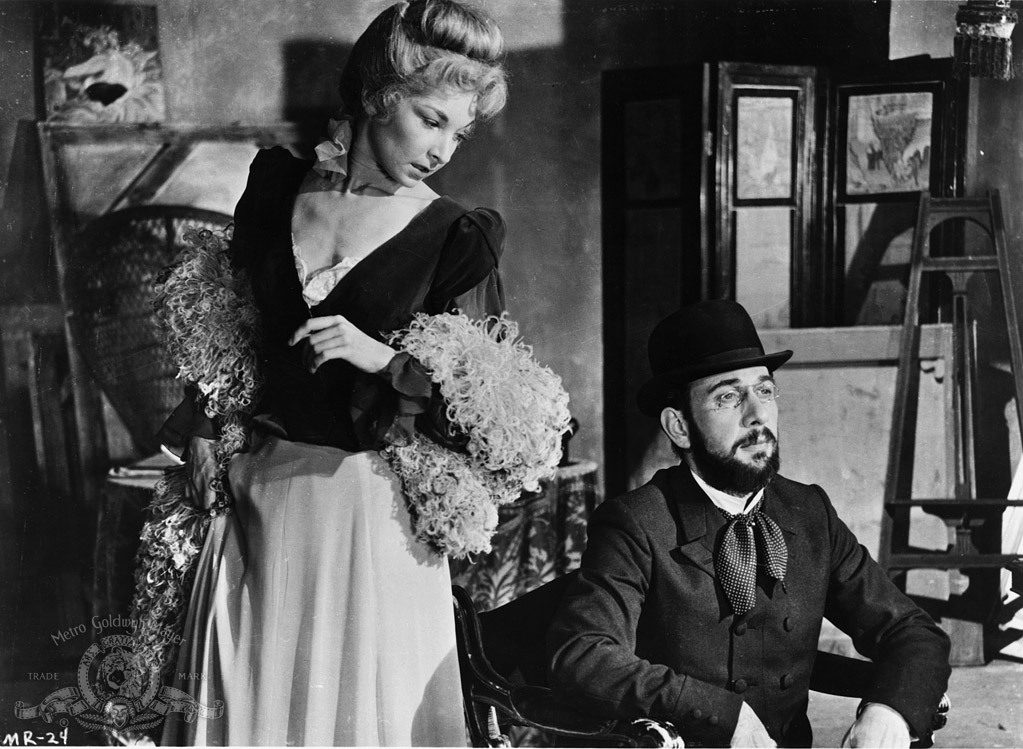
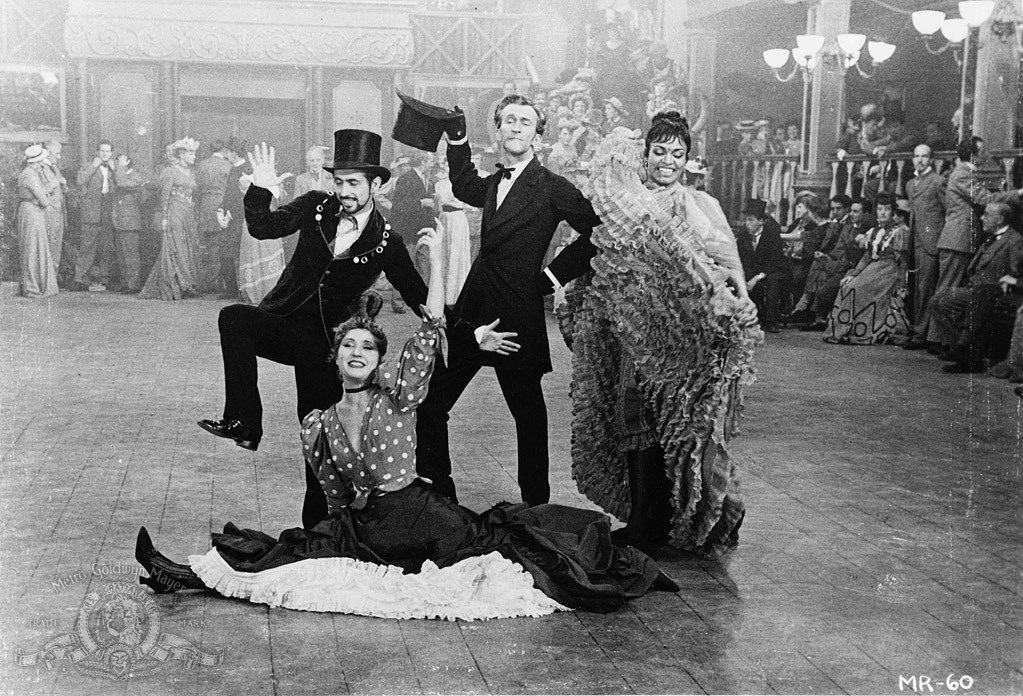
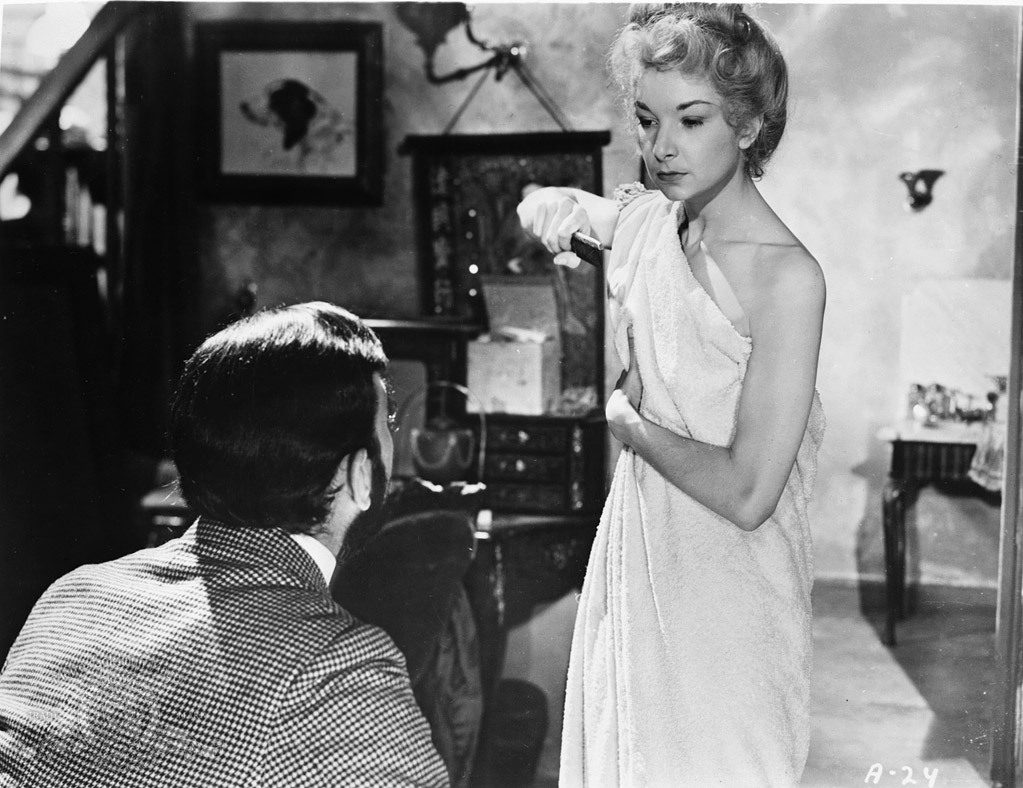
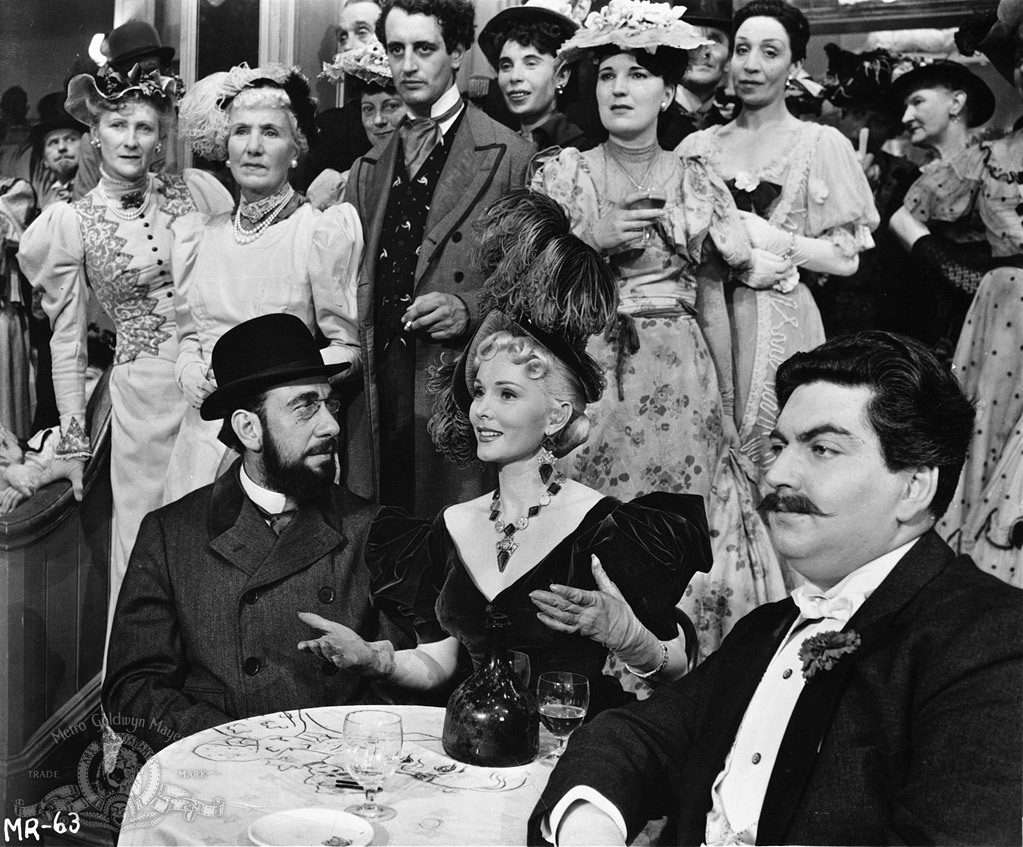
Crowds fill the Moulin Rouge, a burlesque hall in 1890 Paris, and Henri de Toulouse-Lautrec sits among them with a bottle of cognac, sketching the performers. Singer Jane Avril and dancers La Goulue and Aicha count among the regulars, and the owner, Maurice Joyant, offers Henri free drinks if he will draw a promotional poster. Henri stands four feet six inches tall; as a boy he injured his legs in a fall, and they never healed, a consequence of his parents being first cousins. Walking home to Montmartre, he helps the streetwalker Marie Charlet escape the police, and, finding that she does not judge his disability, he lets her stay with him.
Cast


- Colette Marchandas Marie Charlet







Did you know?!Facts and trivia about Moulin Rouge (1952)
Can contain spoilers, watch the movie first.
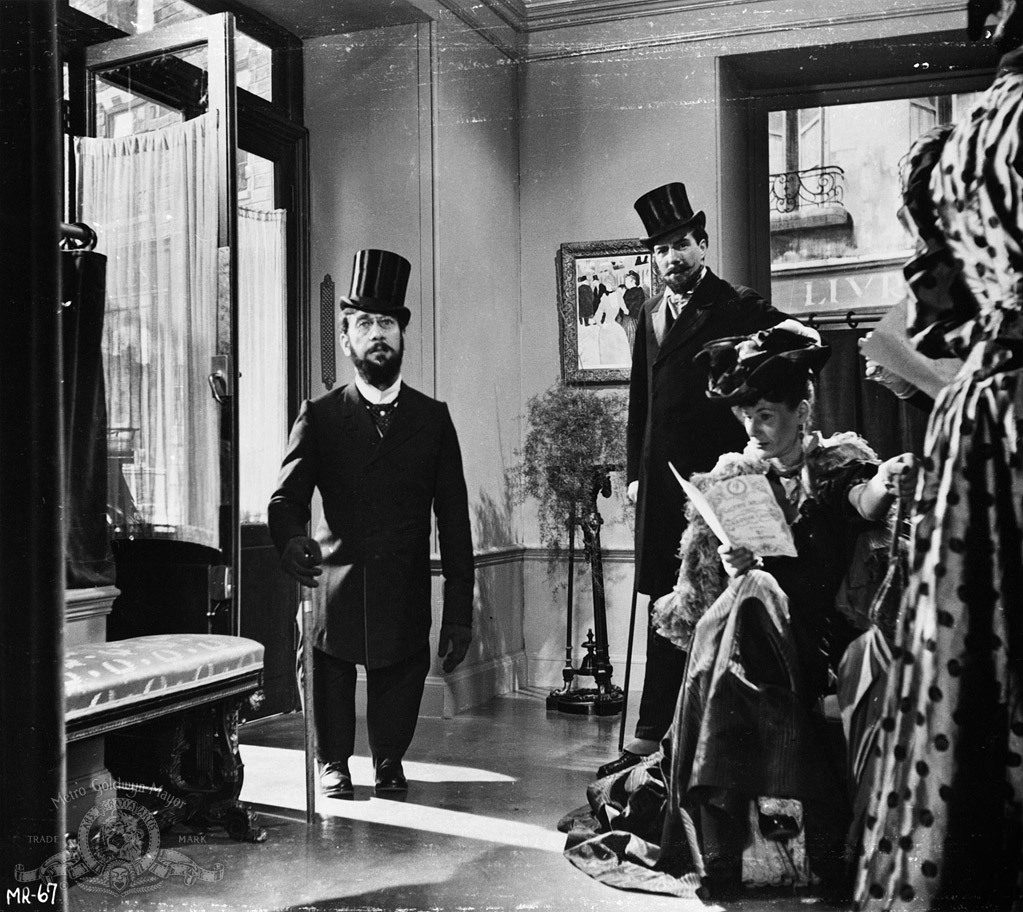
- To play Henri de Toulouse-Lautrec, José Ferrer wore a set of knee pads he designed himself so he could walk on his knees and simulate the artist's short stature; the production also used platforms, concealed pits, special camera angles, makeup, costumes and short body doubles.
- Bob Fosse said the way John Huston filmed the can-can in Moulin Rouge strongly influenced his own film style, speaking shortly after his film version of Cabaret opened.
- United Artists pulled out of Moulin Rouge, so the syndicate Moulin Productions was formed to cover the shortfall, with Allied Artists distributing, until Ferrer refused to make the film if Allied Artists distributed it.
- José Ferrer received 40 per cent of the film's proceeds plus other rights, a deal that led to the U.S. Second Circuit tax case Commissioner v. Ferrer (1962), in which he argued he had been taxed too much.
- John Huston asked cinematographer Oswald Morris to give the film a color scheme that looked "as if Toulouse-Lautrec had directed it"; Moulin Rouge was shot in three-strip Technicolor.