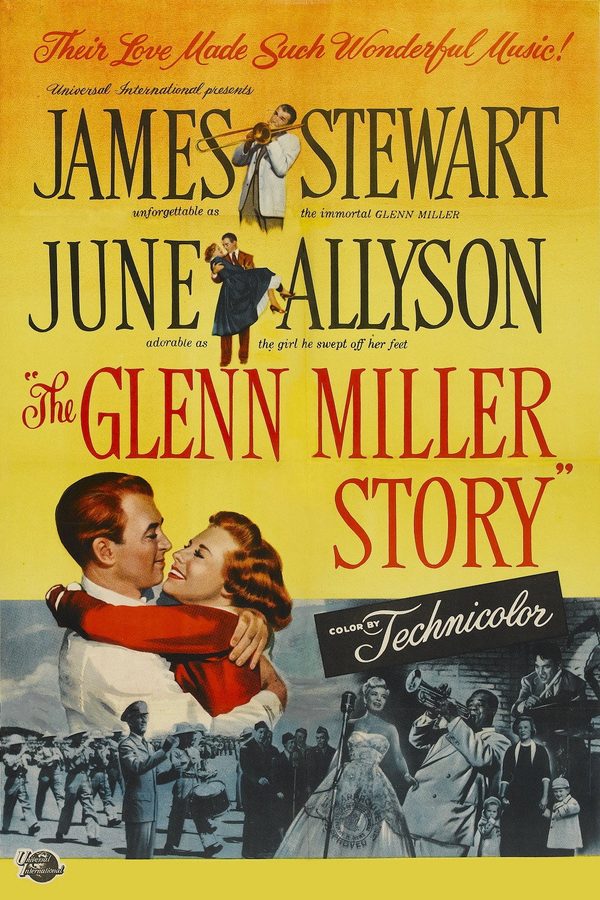
Trailer
Plot summary
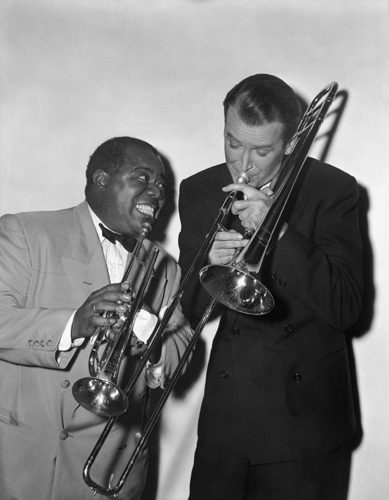
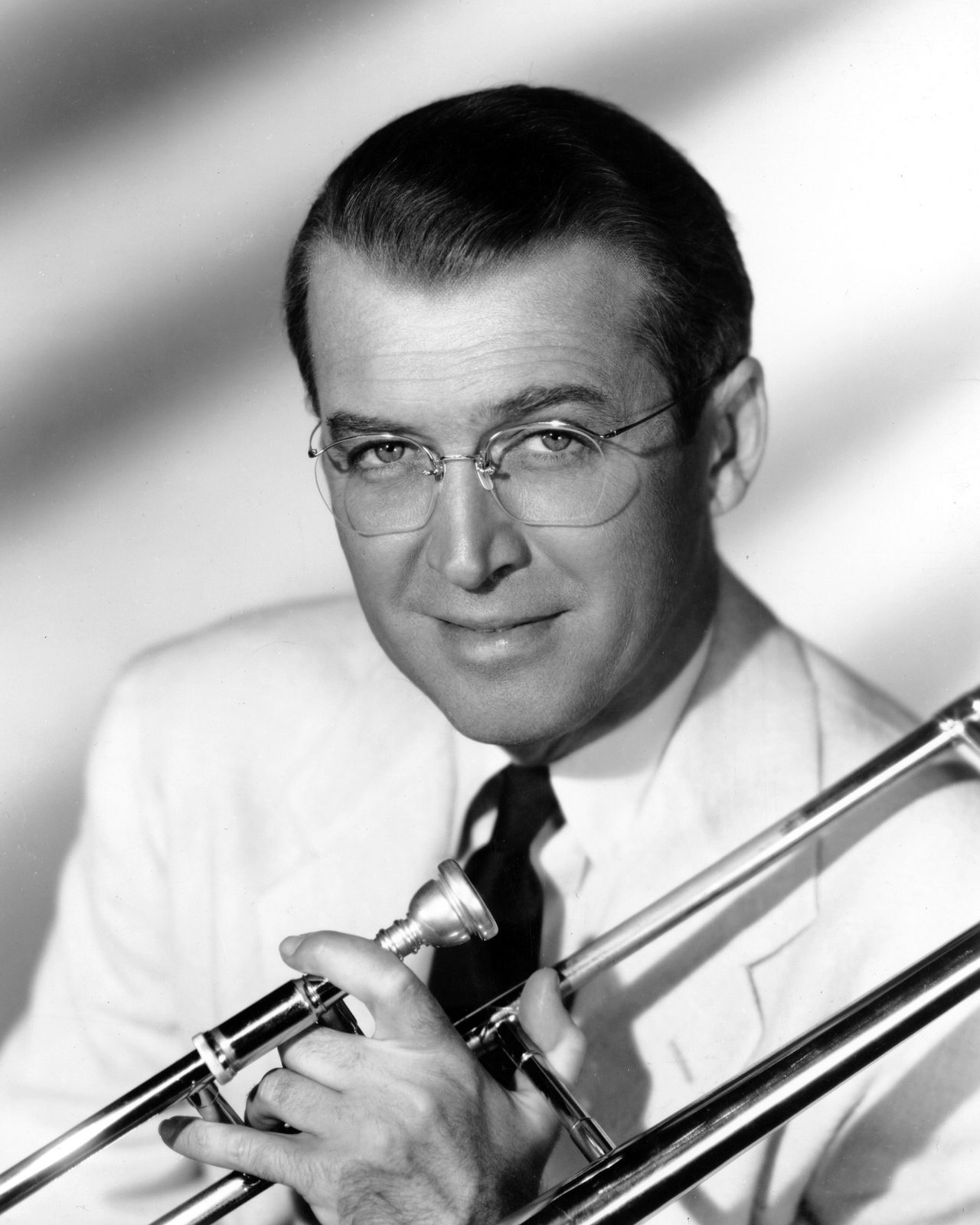
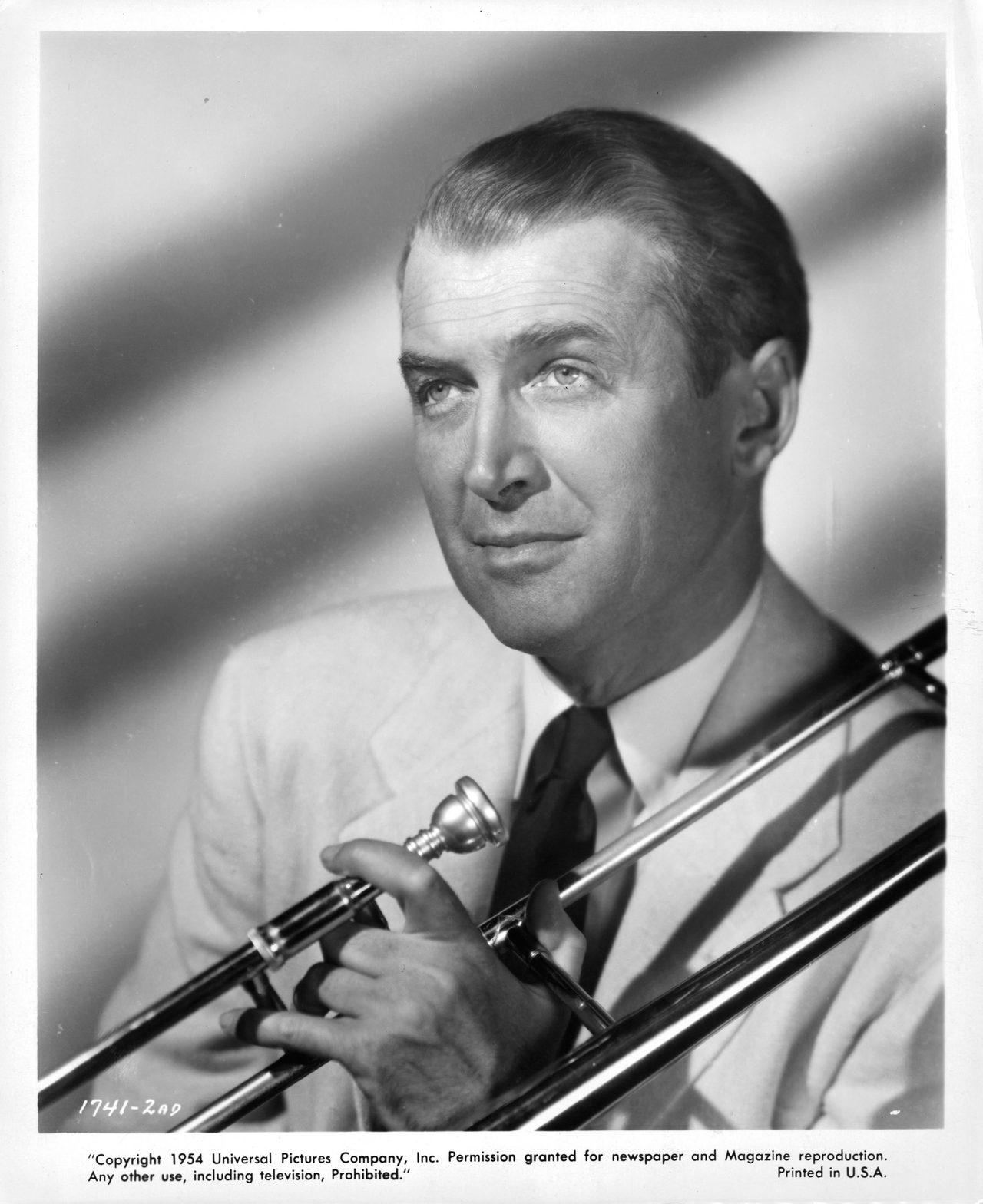
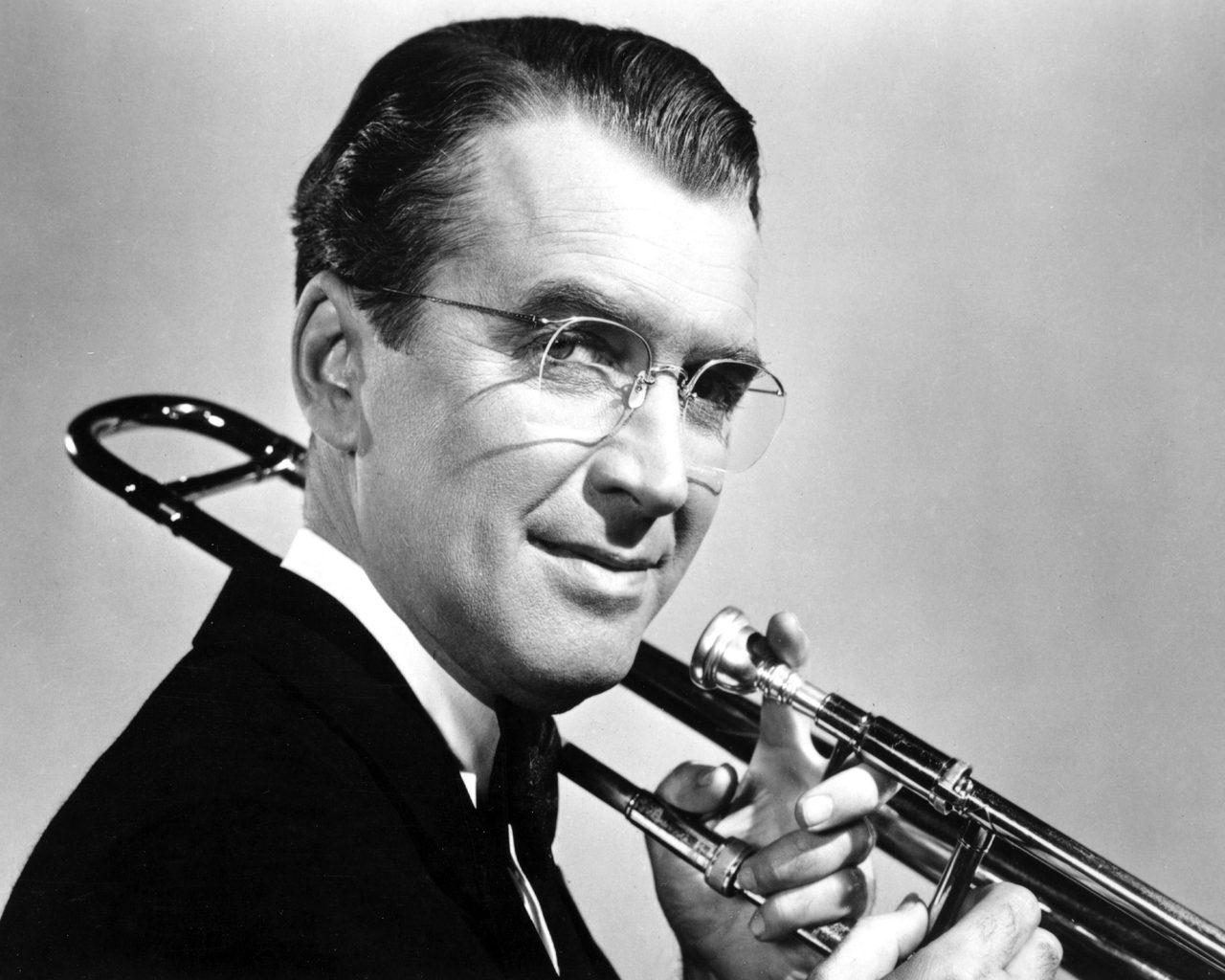
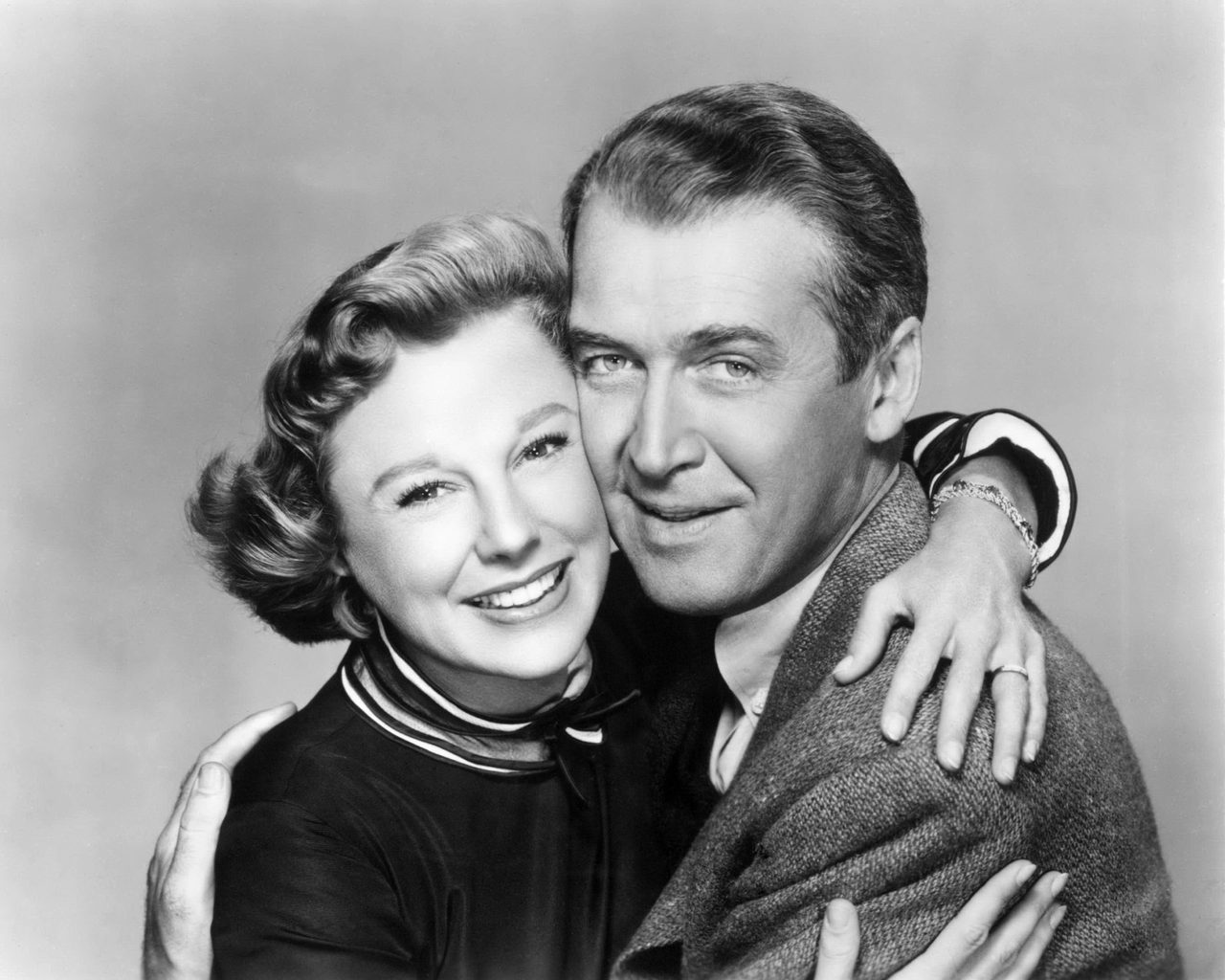
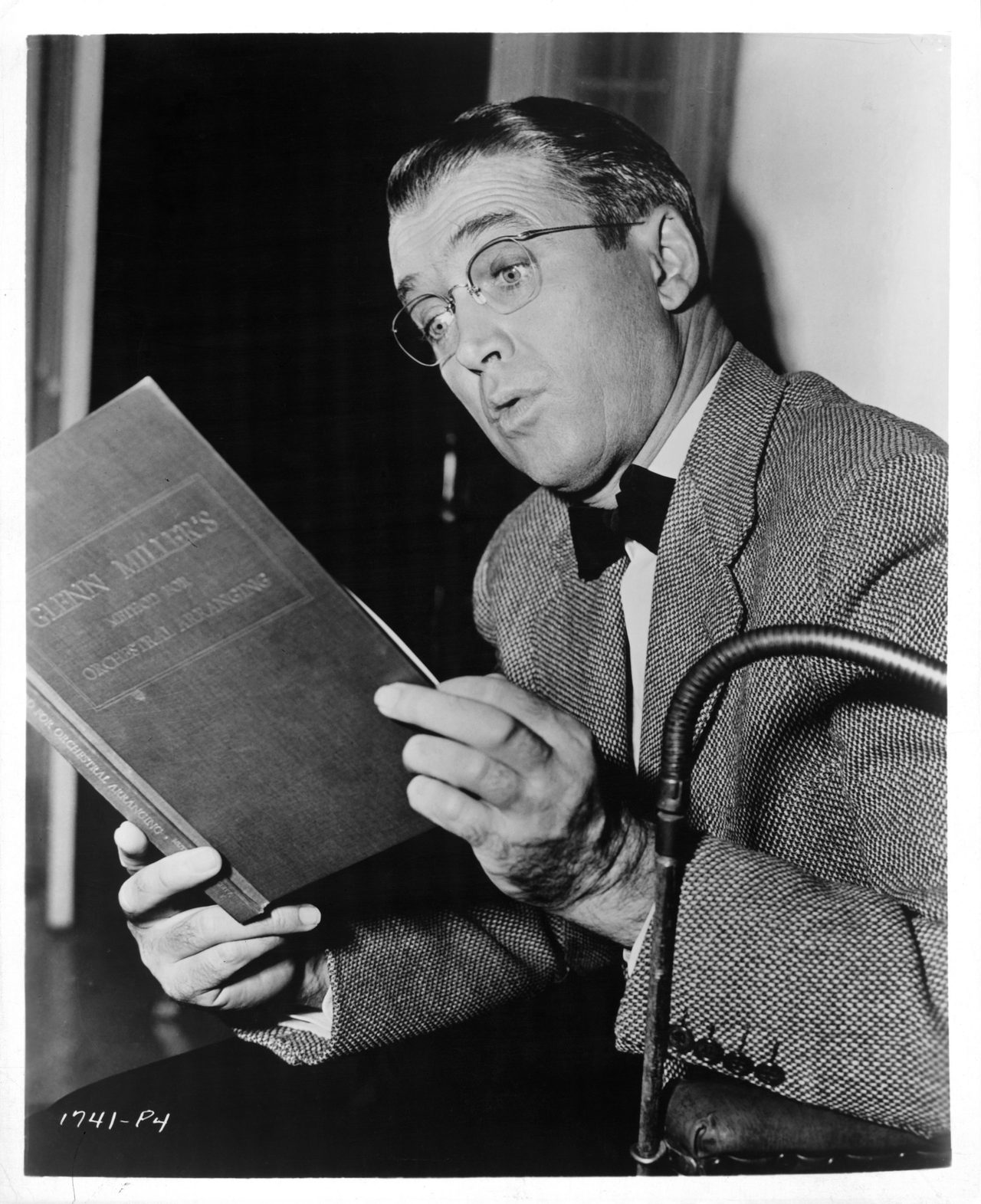
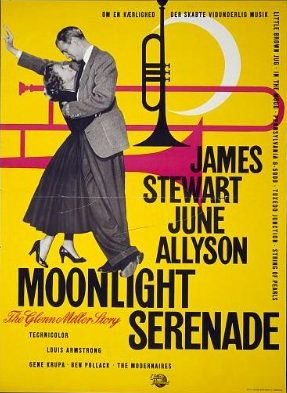
Glenn Miller plays trombone and pawns the instrument whenever the money runs out, chasing a band with a sound of its own. His friend Chummy MacGregor finds work with Ben Pollack's orchestra, and when Pollack hears a composition Glenn has written, he invites Glenn into the band. On his travels Glenn passes through Boulder, where his former girlfriend Helen Burger lives, and he asks her to hold on for him while he is on the road. His years with Pollack end, and he proposes; Helen moves to New York and they marry. There he forms his own band, and Moonlight Serenade becomes a success.
Cast












Did you know?!Facts and trivia about The Glenn Miller Story (1954)
Can contain spoilers, watch the movie first.
- Stewart took a percentage of the profits instead of a flat fee, and it paid off handsomely: in 1955 William Goetz estimated that Stewart had earned $2 million from the film.
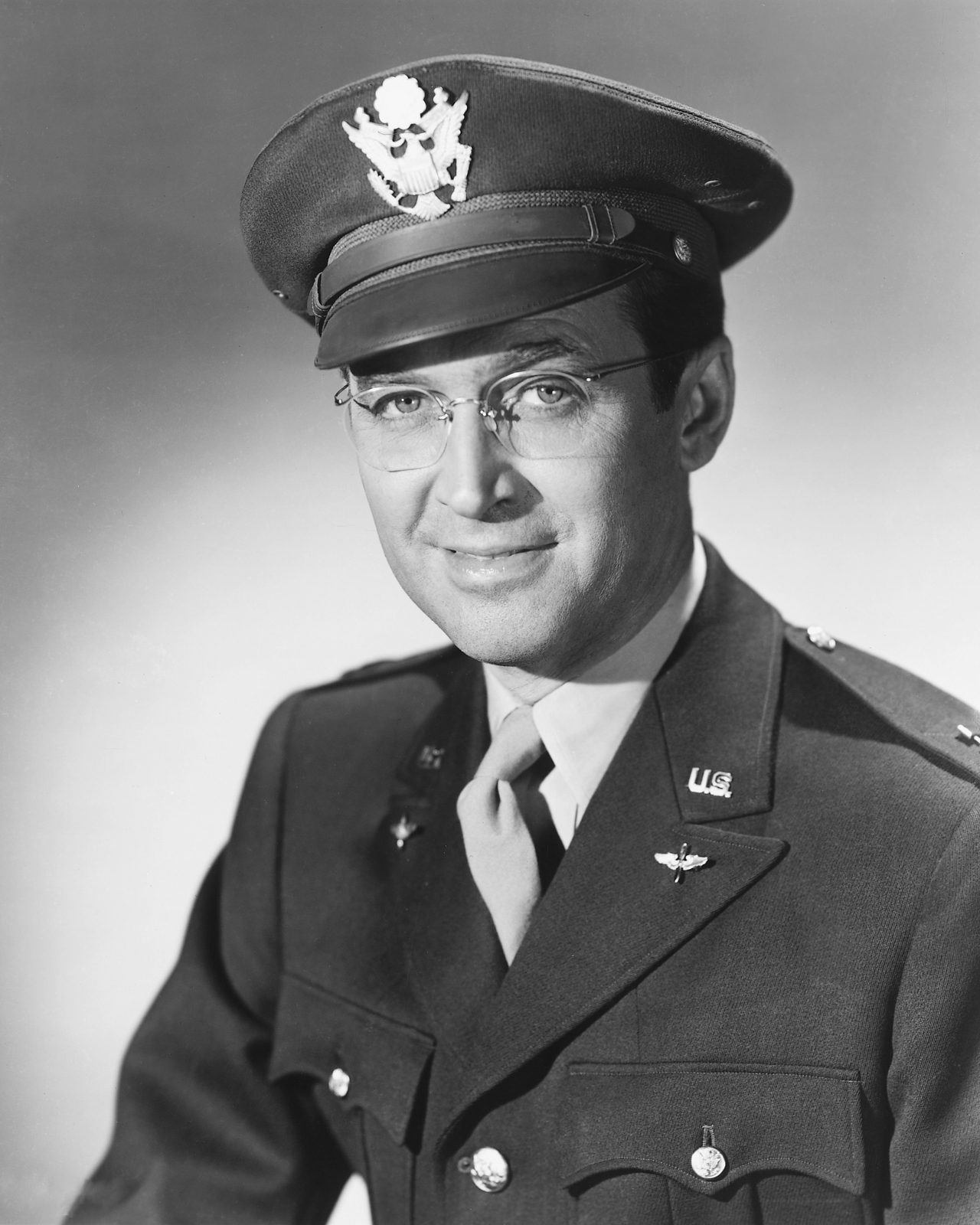
- The film softens a real confrontation. Miller's biographer George T. Simon says that when a superior officer dressed Miller down for playing jazz marches and cited Sousa's marches in World War I, Miller's actual response was "Are you still flying the same planes you flew in the last war?", after which the jazz marches stayed.
SPOILER
Miller is shown disliking "Little Brown Jug" and only playing it in 1944 as a special arrangement for his wife, who first hears it the morning after his disappearance. In fact he recorded it in 1939, it became one of his most popular early hits, and that recording sold over a million copies.- Several anachronisms slipped through. A B-29 bomber sits in the background while the military band led by Miller plays in front of General "Hap" Arnold, and the marching troops are desegregated, which did not occur until 1948.