Love Meetings (1964) on Netflix
NR19641h 32mDocumentary
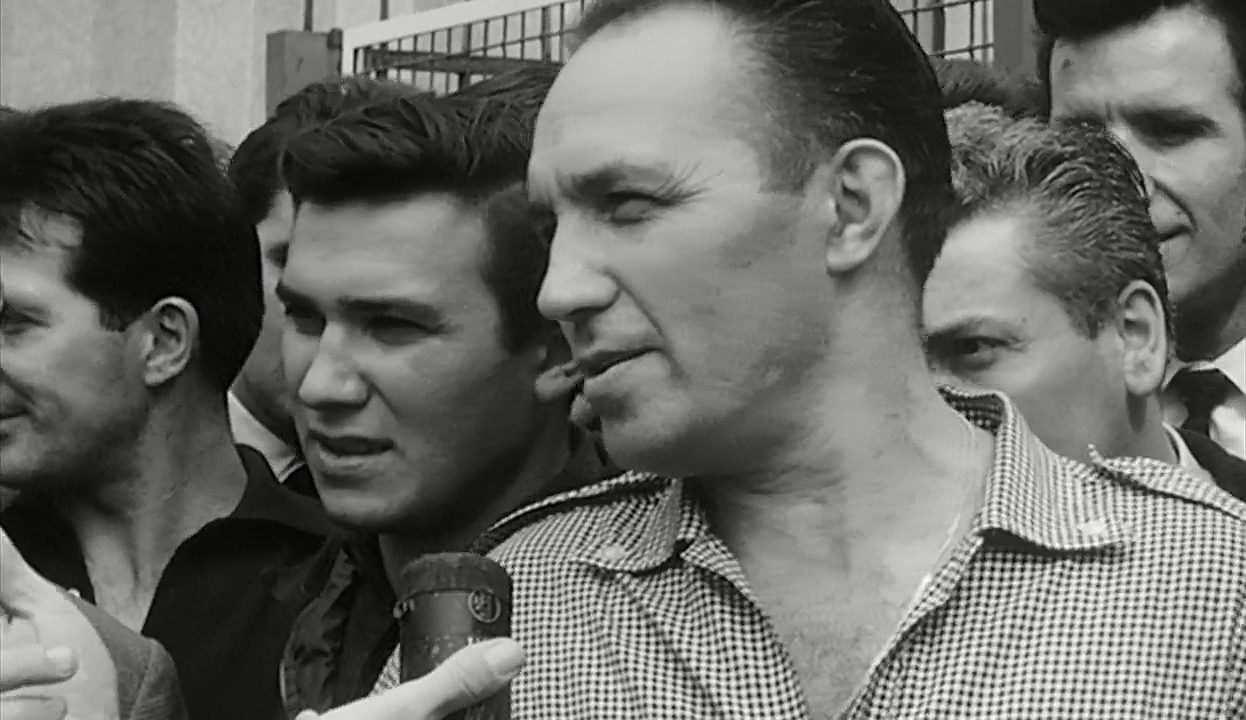
Camera and microphone in hand, an interviewer travels Italy asking people about sex, marriage and the equality of men and women. Children, workers and intellectuals answer him.
- Watch on NetflixThis title is not on Netflix right now. Please check back later for updates.
- Watch on NordVPN
- Netflix3.8/5
- IMDb7.5/103,056 votes
- Rotten TomatoesNot available
Trailer

Plot summary
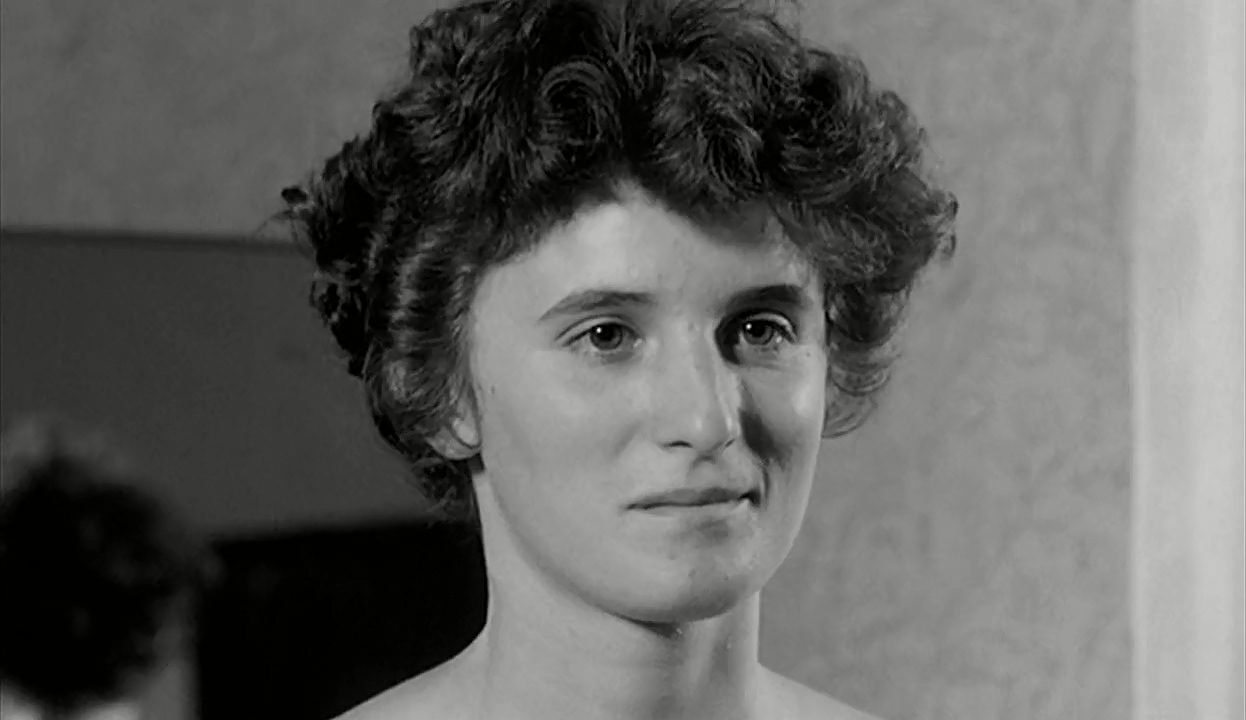
Across Italy, in the streets and on the beaches, people are stopped and asked to talk about sex in public. Small children in a poor district are asked where babies come from. Women, young and old, are asked whether they are men's equals; people of both sexes are asked whether a woman must still be a virgin when she marries, what they make of homosexuals, whether couples should be allowed to divorce, and whether the brothels should have been shut. Those who answer range from blue-collar workers and farmers to students, intellectuals and the bourgeoisie. Between stops the interviewer checks in with a writer and a psychoanalyst.
Cast

- Lello Bersanias Narrator(voice)

- Cesare Musattias Self - Psychoanalyst

- Ezio Pascuttias Self - Football Player
- William Negrias Self - Football Player
- Carlo Furlanisas Self - Football Player
- Giuseppe Ungarettias Self - Poet
- Camilla Cedernaas Self - Writer

- Adele Cambriaas Self - Journalist


Show all 17 cast

- Ignazio Buttittaas Self - Poet

- Graziella Chiarcossias Graziella the Bride(uncredited)



Did you know?!Facts and trivia about Love Meetings (1964)
Can contain spoilers, watch the movie first.
- In 2008, Love Meetings was included in the Italian Ministry of Cultural Heritage's 100 Italian films to be saved, a list of 100 films that have changed the collective memory of Italy between 1942 and 1978.