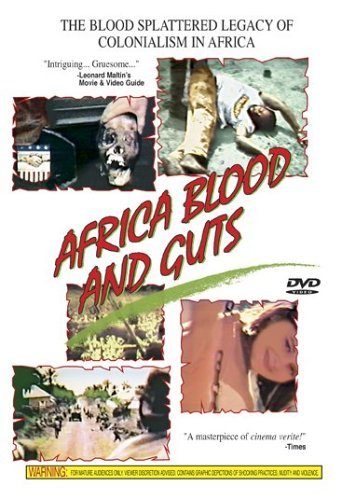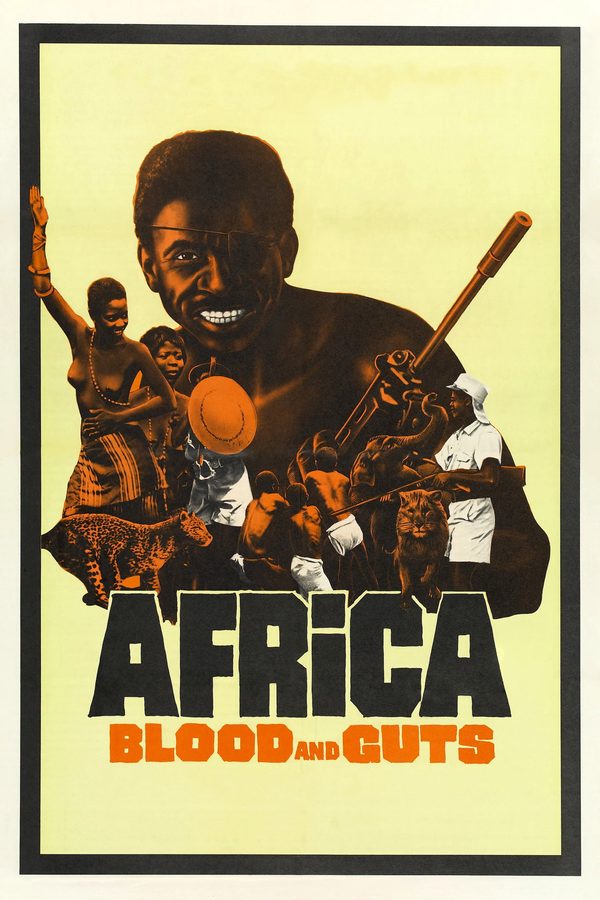
Africa Addio (1966) on Netflix
R19662h 18mDocumentaryHorror
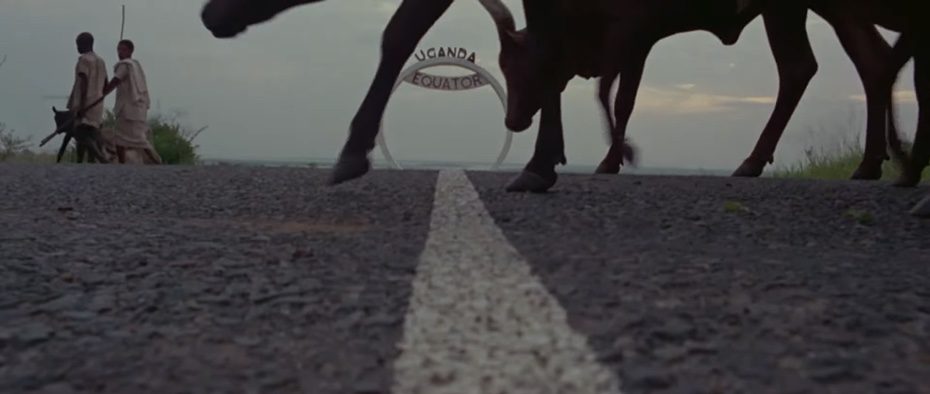
Camera crews cross Africa as European colonies gain independence in the 1960s. They record the upheavals that follow, and poachers hunting wildlife in places no longer protected.
- Watch on NetflixThis title is not on Netflix right now. Please check back later for updates.
- Watch on NordVPN
- Netflix3.5/5
- IMDb7.0/102,274 votes
- Rotten TomatoesNot available
Trailer
Plot summary
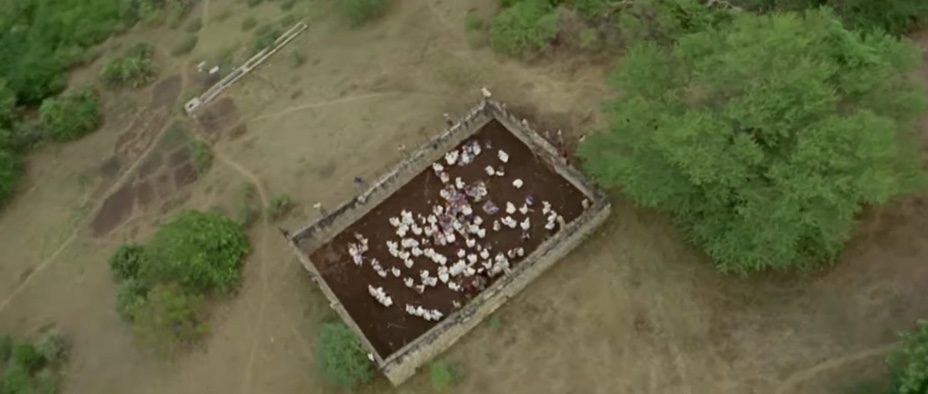
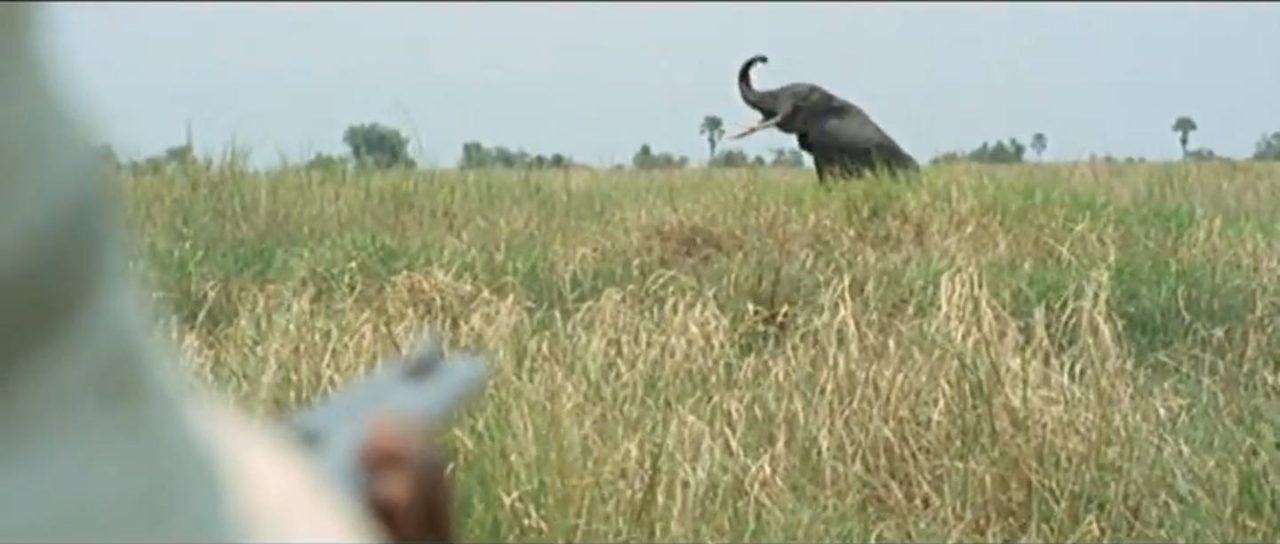
The narrator opens by saying the Africa of the past has disappeared with decolonization and that a new Africa is emerging. In British Kenya, crowds celebrate the British relinquishing control with fireworks, then mobs destroy imported goods from Europe and from African colonies still under foreign rule. A Mau Mau organizer is tried for the mass murder of a white farming family, and white farmers in the White Highlands, unwilling to stay without government protection, give up their farms at a loss and leave. Poachers descend on the savanna once the wildlife preserves lose their protection, killing elephants for ivory and pelts. In Zanzibar, rebels turn on Arab civilians a month after the country gains independence from Britain, and the camera crew is denied permission to land.
Cast


Did you know?!Facts and trivia about Africa Addio (1966)
Can contain spoilers, watch the movie first.
- Before the film's release, co-director Gualtiero Jacopetti was arrested on charges of snuff filming over a scene showing the execution of a Congolese Simba rebel; police seized the footage and halted the editing. He was acquitted after he and co-director Franco E. Prosperi produced documents proving they arrived at the scene just before the execution.
- In Dar es Salaam, Gualtiero Jacopetti and his crew were almost shot for photographing a massacre, and a soldier smashed their windshield with the butt of his rifle, cutting Jacopetti. The soldiers let them go because their passports showed they were Italian, "not whites"; Jacopetti called it "a miracle."
- Africa Addio features the only known combat footage of the Congo mercenaries and the only known visual evidence of the genocide of ethnic Arabs during the Zanzibar Revolution.
- Banned in Zanzibar when it was released, the film became well known in what is now Tanzania for its depiction of the massacres of 18–20 January 1964, and is widely seen as part of the debate around the Zanzibar Revolution, though some there deny the authenticity of its scenes of massacred Arabs.
- In West Germany a protest movement against the film, organized chiefly by the Socialist German Student Union (SDS) and groups of African students, followed its award by the state-controlled movie rating board; in West Berlin the distributor resigned from showing it after demonstrations and damage to cinemas.
- The film was shot on 35mm and used 2-perf Techniscope, giving it a wide 2.35:1 aspect ratio, at a time when documentaries were almost always shot on 16mm and shown in 1.33:1 — a widescreen documentary format unseen for decades afterwards.
- Lyrics were added to Ortolani's title theme to make a song, "Who Can Say?", sung by Jimmy Roselli; the song did not appear in the film but did appear on the United Artists Records soundtrack album.