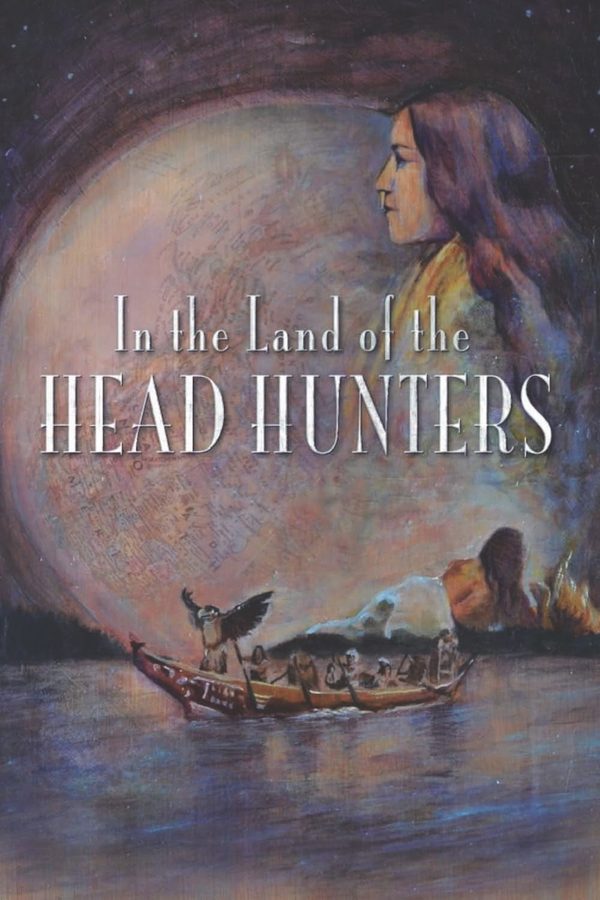
In the Land of the Head Hunters (1914) on Netflix
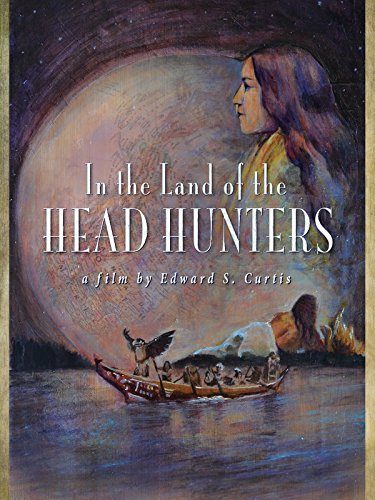
Motana, a chief's son, undertakes a vigil fast for spirit power, though tribal law forbids thoughts of women. He meets Naida, who is promised to the Sorcerer.
- Netflix2.9/5
- IMDb5.8/10597 votes
- Rotten TomatoesNot available
Trailer

Plot summary
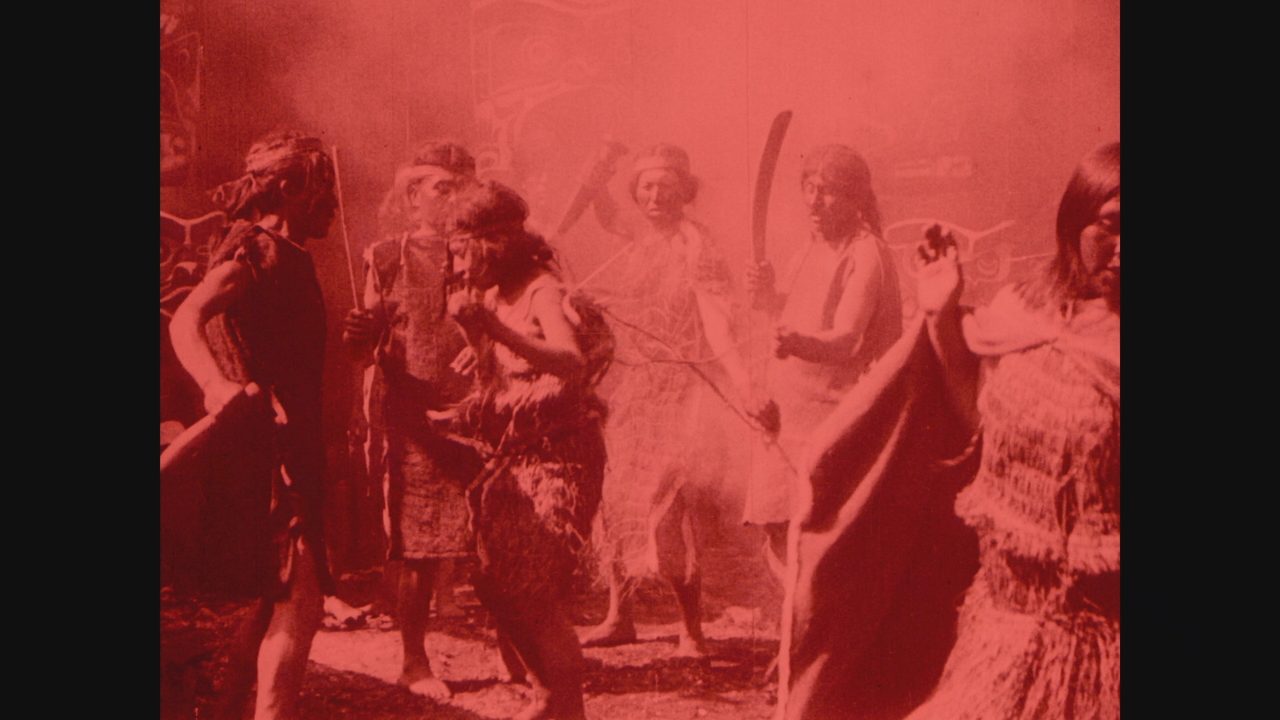
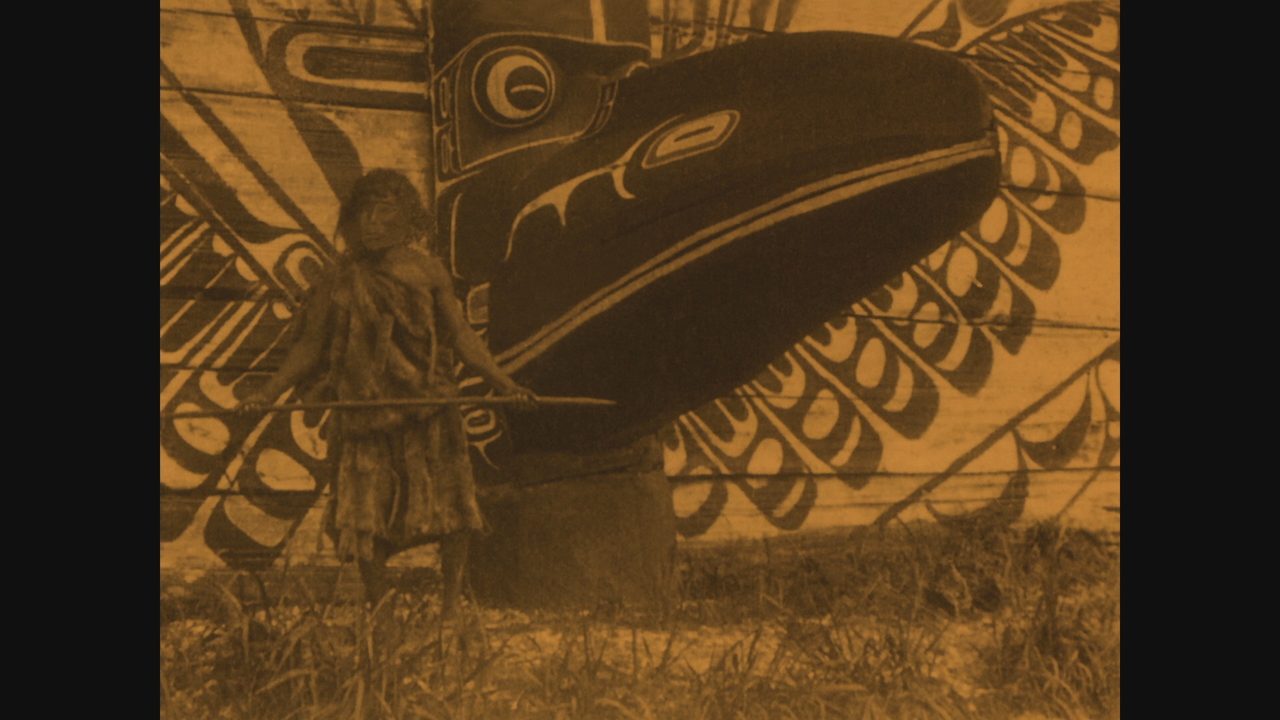
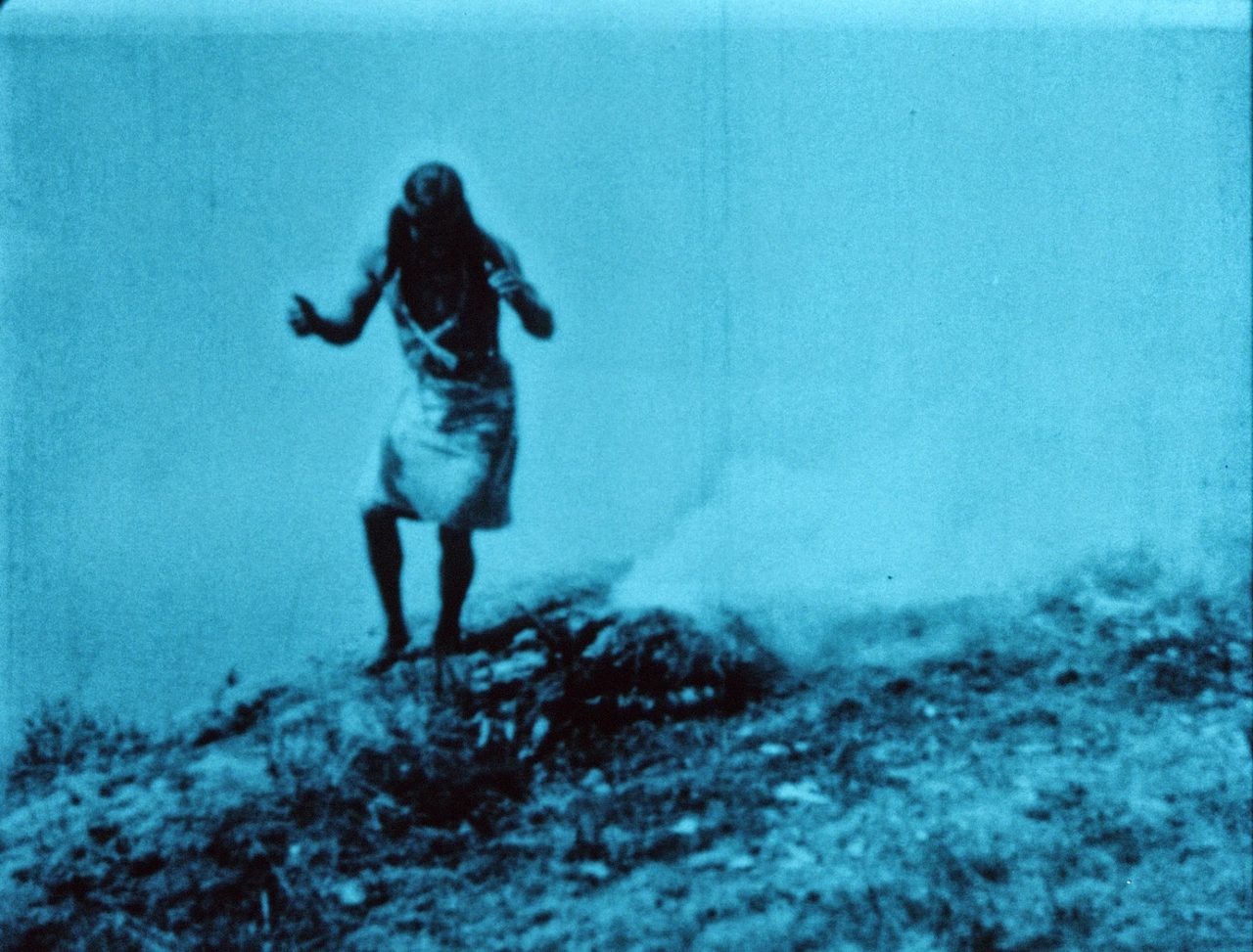
Motana, the son of the chief Kenada, leaves his village to seek supernatural strength by fasting and dancing around a prayer-fire on a mountain peak. Tribal law forbids any thought of women during the vigil, but a maid's face appears to him in the smoke. He travels to the Island of the Dead and there meets Naida, the woman of his dream, and courts her. Naida tells him she is promised to the Sorcerer of Yilis. Her father, Waket, dreads the Sorcerer's magic and the Sorcerer's brother Yaklus, the head hunter. He holds to the promise. Motana asks Kenada to send messengers with presents to demand Naida's hand.
Cast

Did you know?!Facts and trivia about In the Land of the Head Hunters (1914)
Can contain spoilers, watch the movie first.
- A single damaged, incomplete print of the film survived only because a film collector, Hugo Zeiter of Danville, Illinois, salvaged it from a dumpster and donated it to Chicago's Field Museum of Natural History in 1947.
- Edward S. Curtis spent about $75,000 making the film, which earned only $3,269.18 after a year in theaters; disappointed, he sold all the rights to the New York Museum of Natural History in 1919 or 1920.
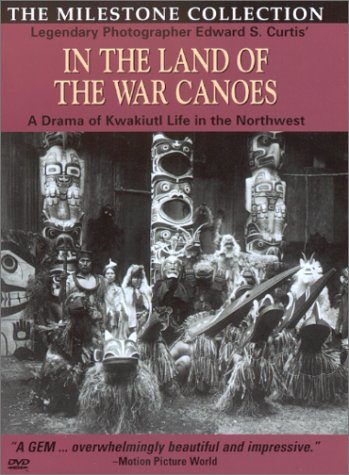
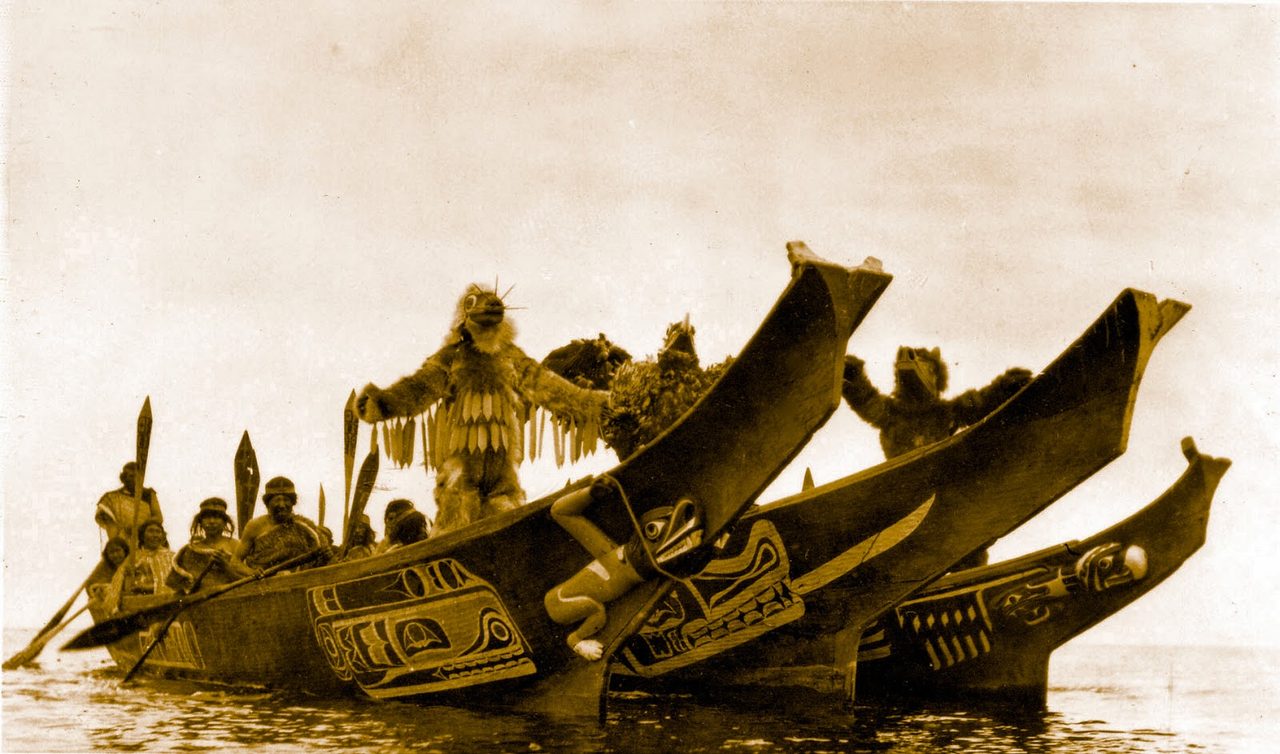
- Curtis's tale centerd on head hunting, sorcery and the handling of human remains, long-abandoned practices, and he borrowed whaling practices, and a rented whale, from neighboring groups; these were never part of Kwakwaka'wakw culture.
- In the Land of the Head Hunters was the first feature-length film whose cast was composed entirely of Native North Americans; the second, eight years later, was Robert Flaherty's Nanook of the North.
- Promoters claimed that John J. Braham's score was based on wax cylinder recordings of Kwakwaka'wakw music, though in fact it contained only a few snatches of that music.
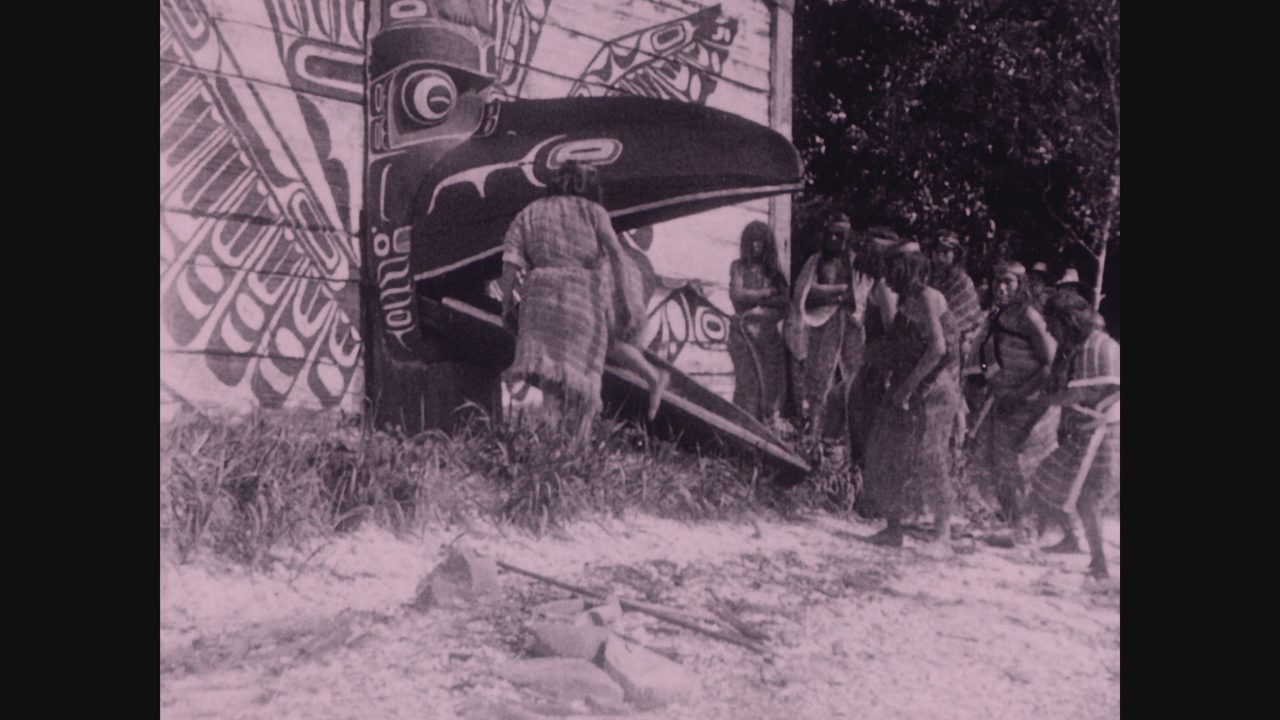
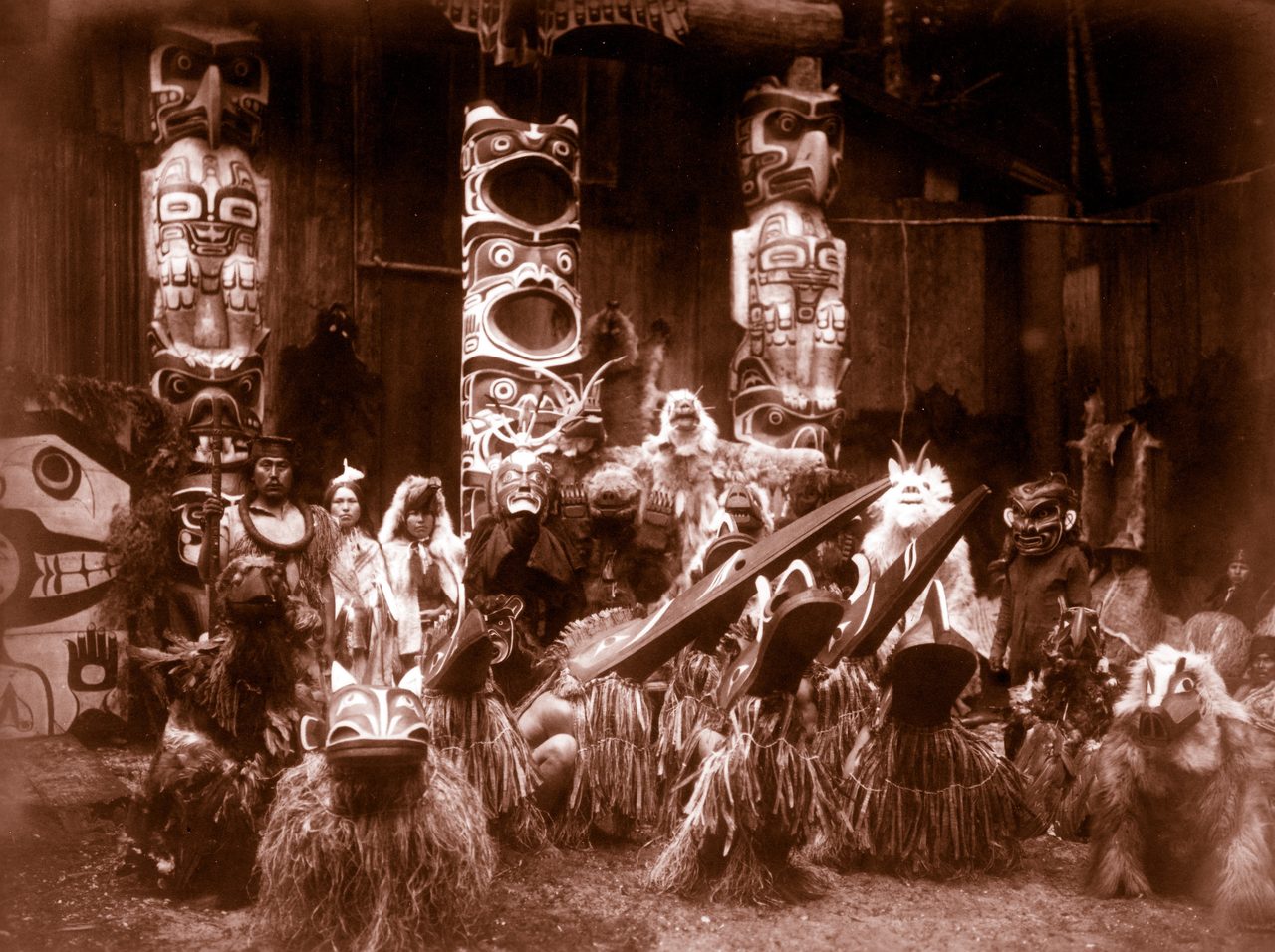
- The film accurately portrays Kwakwaka'wakw rituals that were then prohibited by Canada's potlatch prohibition, enacted in 1884 and not rescinded until 1951.
- It was the first feature film made in British Columbia and is the oldest surviving feature film made in Canada.