City of God (2002) on Netflix
In the Cidade de Deus favela, Rocket wants to become a photographer. His brother Goose robs businesses with the Tender Trio, and a young boy, Li'l Dice, proposes a motel robbery.
- Netflix4.1/5
- IMDb8.6/10882,165 votes
- Rotten Tomatoes91%
Trailer

Plot summary
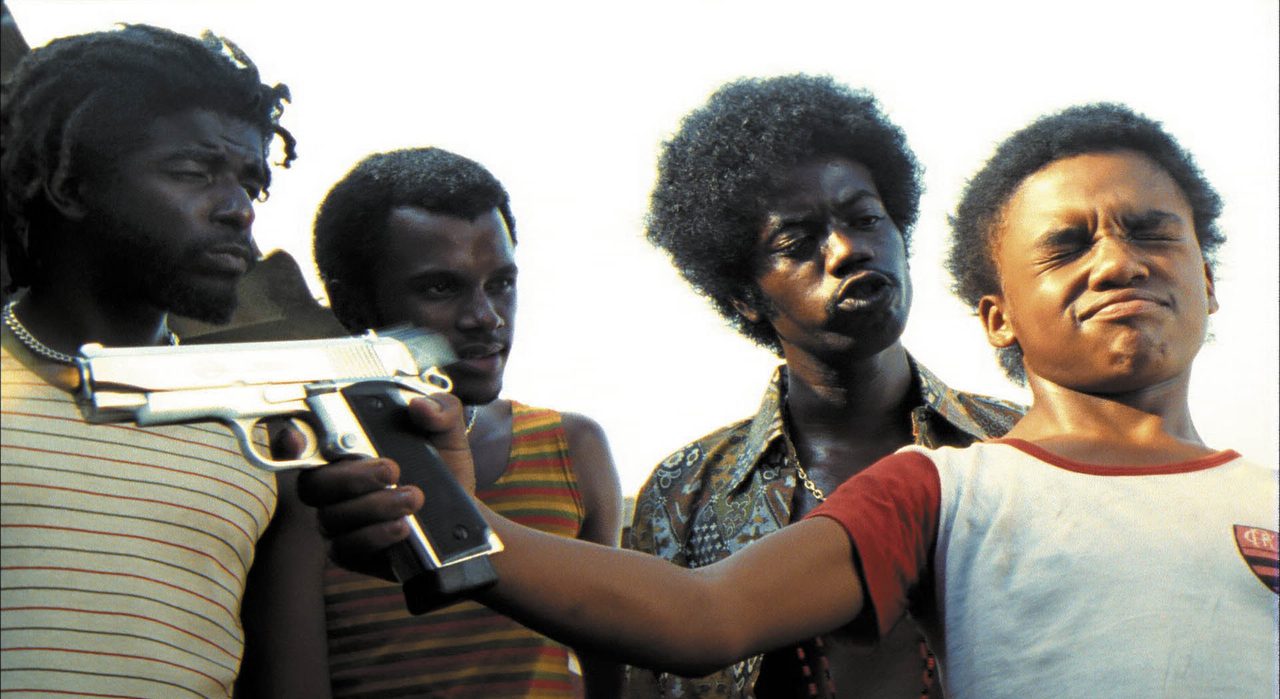
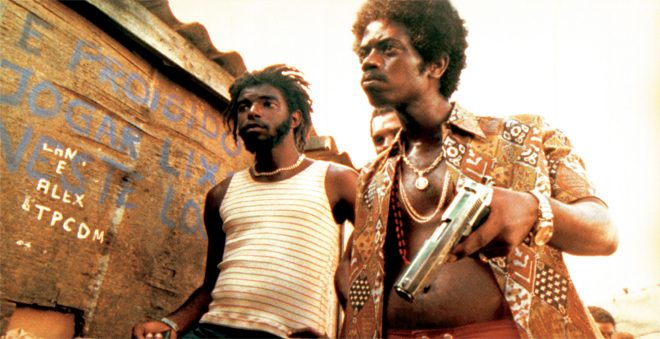
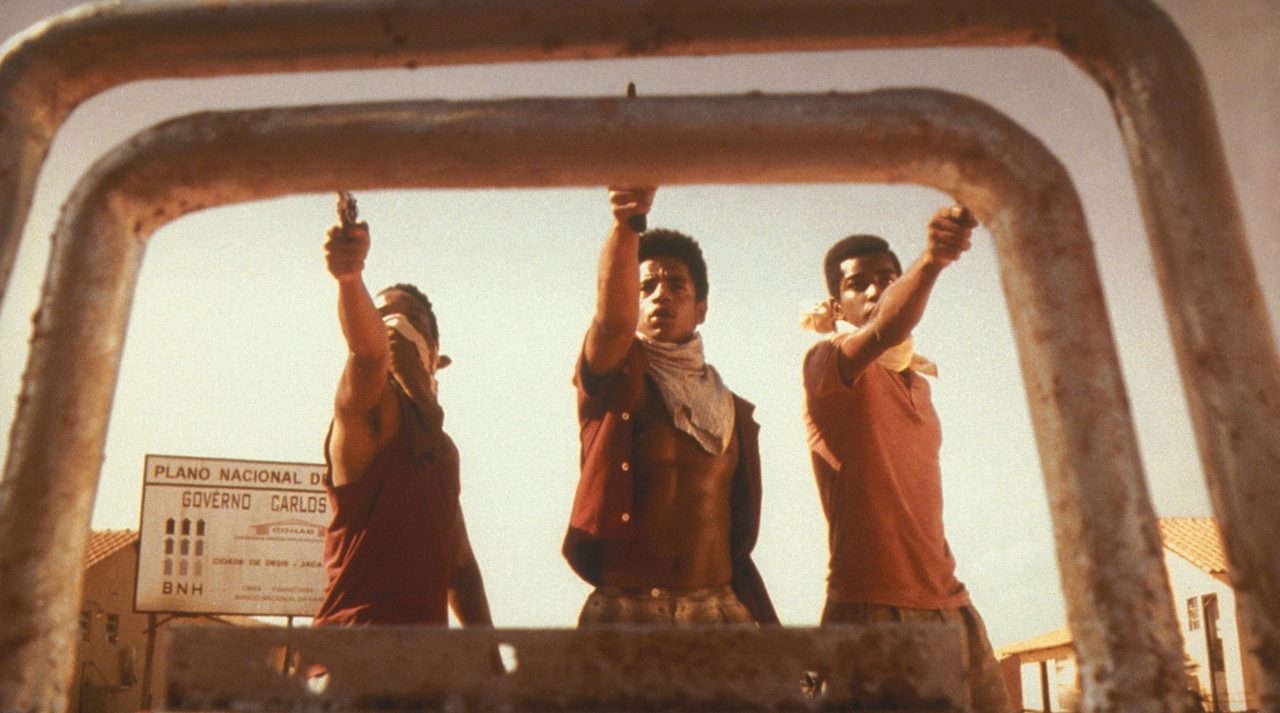
The City of God is a poor neighborhood of Rio de Janeiro, and Rocket grows up there, avoiding the trade of the thieves around him and hoping to make his living with a camera. His older brother Goose belongs to the Tender Trio, who rob businesses and give part of what they take to neighbors who shelter them from the police. A young boy called Li'l Dice talks the trio into holding up a motel and robbing the people inside, with himself posted as a lookout. Years later Rocket drifts among young hippies and tries to get close to Angélica, while Li'l Dice, now calling himself Li'l Zé, has built a drug empire with his friend Benny.
Cast









- Emerson Gomesas Barbantinho - Stringy




Did you know?!Facts and trivia about City of God (2002)
Can contain spoilers, watch the movie first.
- Because the real Cidade de Deus favela was in the middle of a conflict, most of the film was shot in Cidade Alta, another favela in Rio. Slumlords there would not let the production company bring its own security, so local guards were hired for the set.
- Around 2000, about a hundred children and young people were hand-picked for an "actors' workshop" that ran for several months. Instead of theatre study and rehearsals, it had them simulate street war scenes — a hold-up, a scuffle, a shoot-out — so the inexperienced cast would move and act naturally.
- Fernando Meirelles said Brazil's president Luiz Inácio Lula da Silva told him the film had had an impact on the country's policies and public security. The film also sparked a major increase in film production in Brazil, with more than 45 films made during 2002.
- After filming ended, the crew could not simply leave the cast to return to their old lives in the favelas. Assistance groups were set up to help those involved in the production build more promising futures.