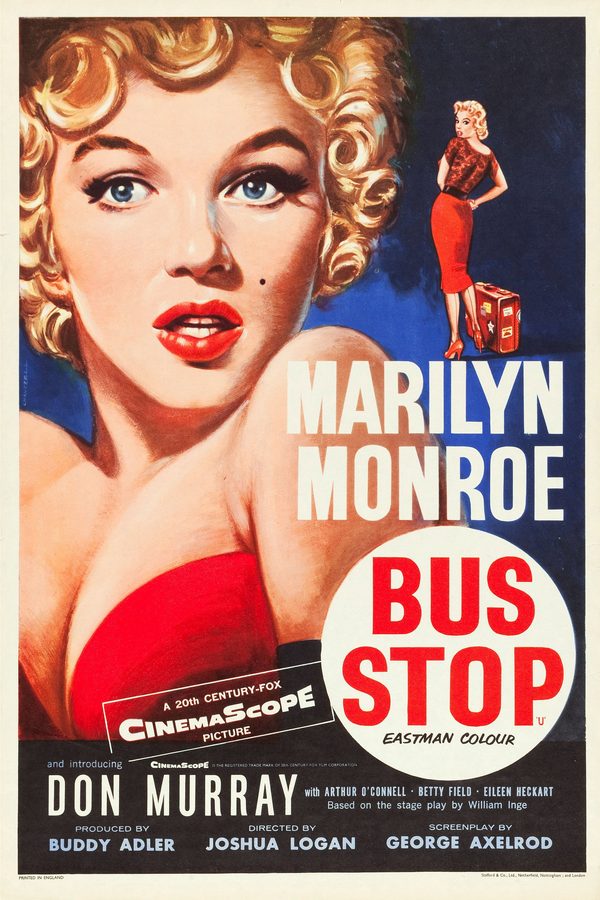
Trailer
Plot summary
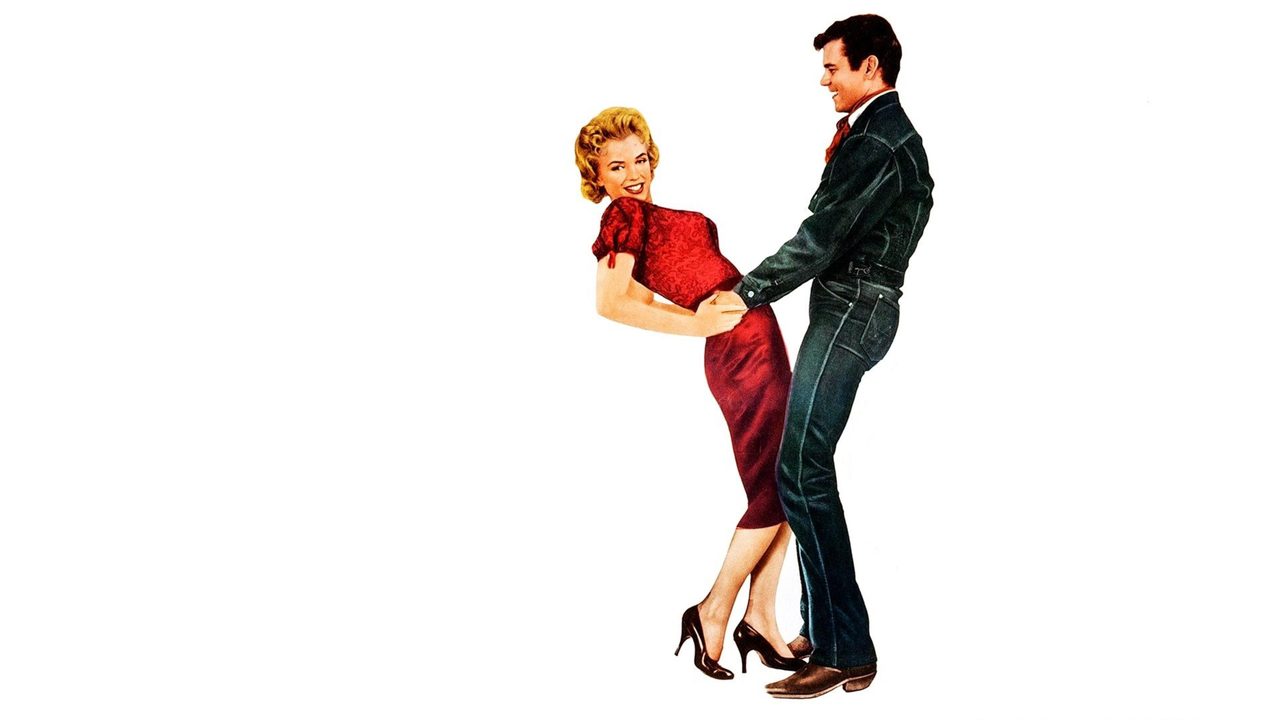
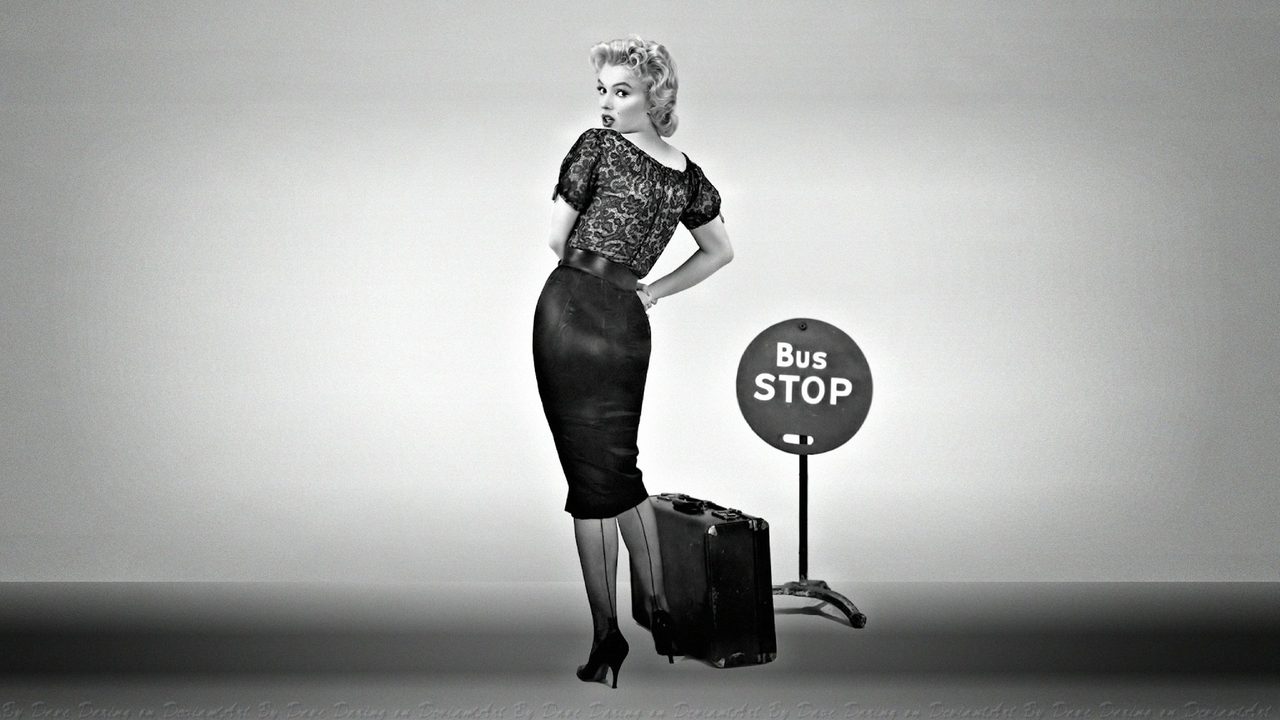
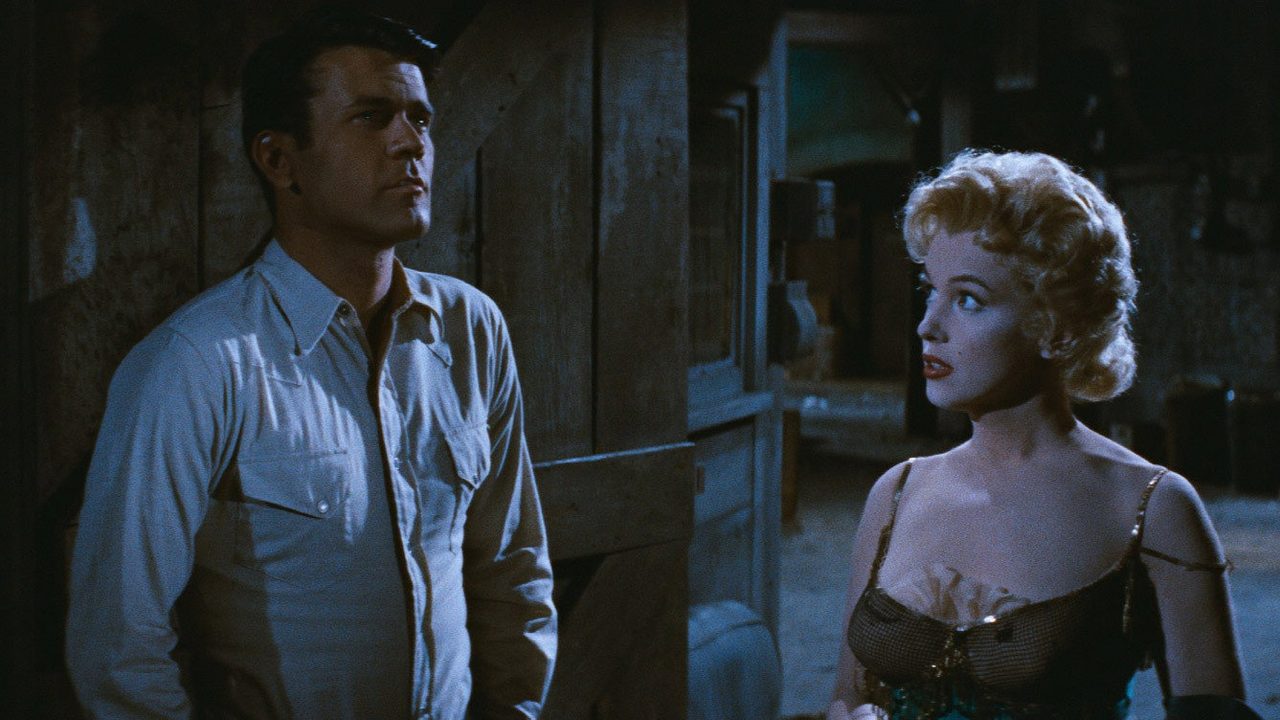
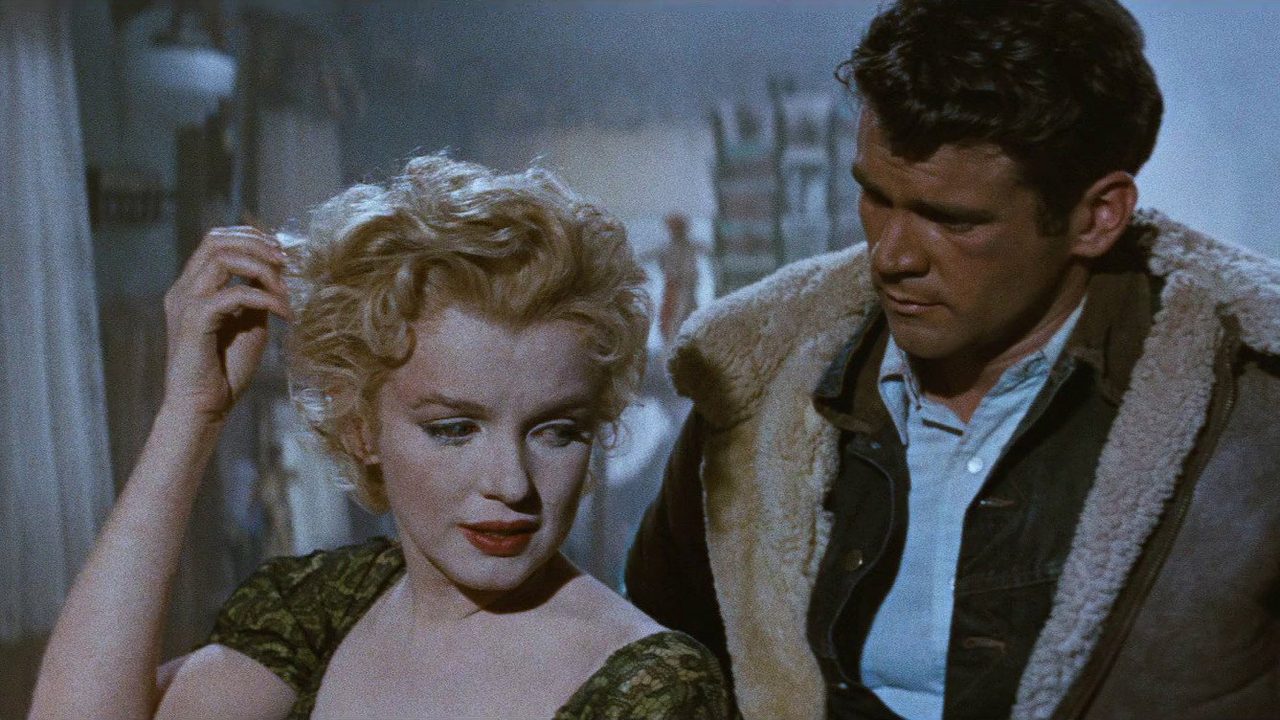
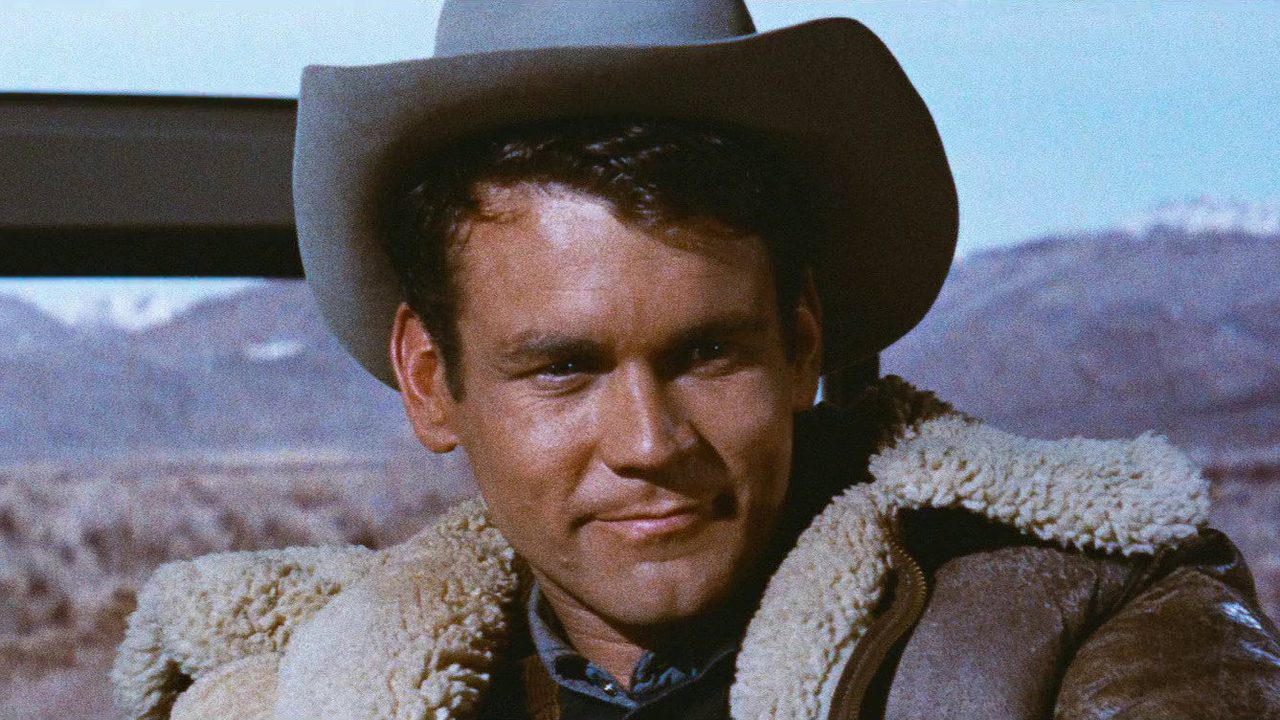
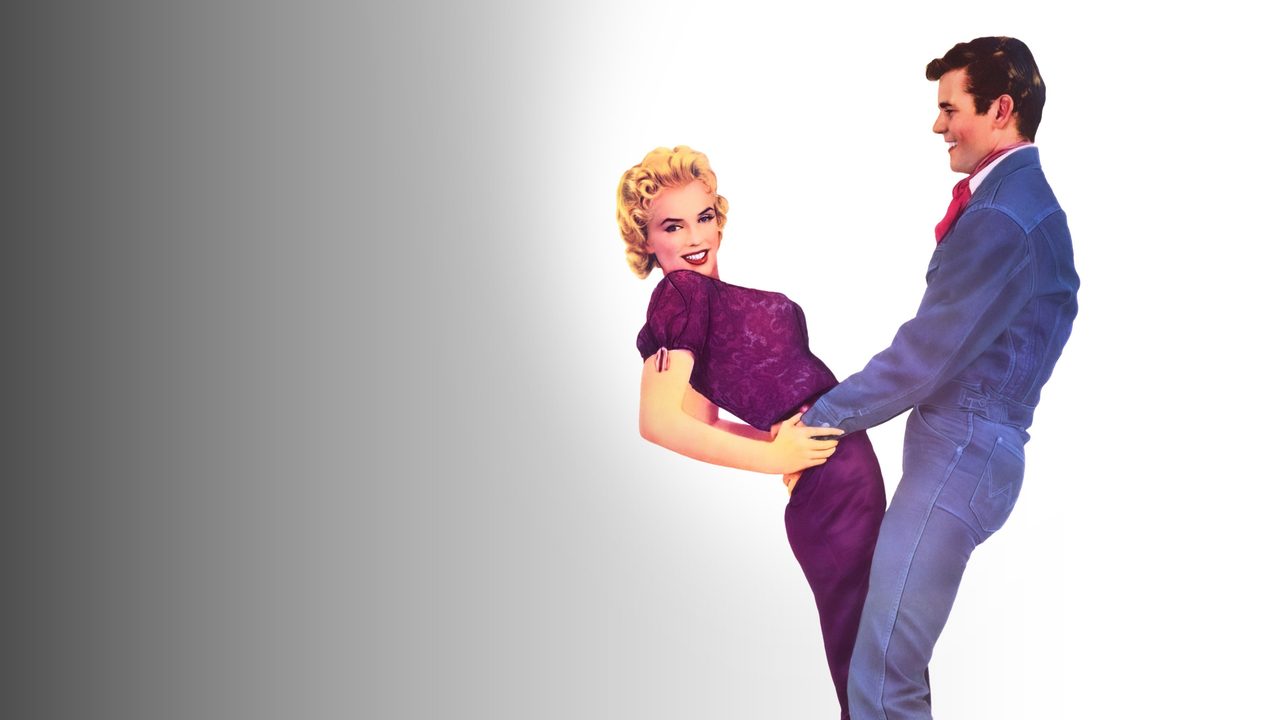
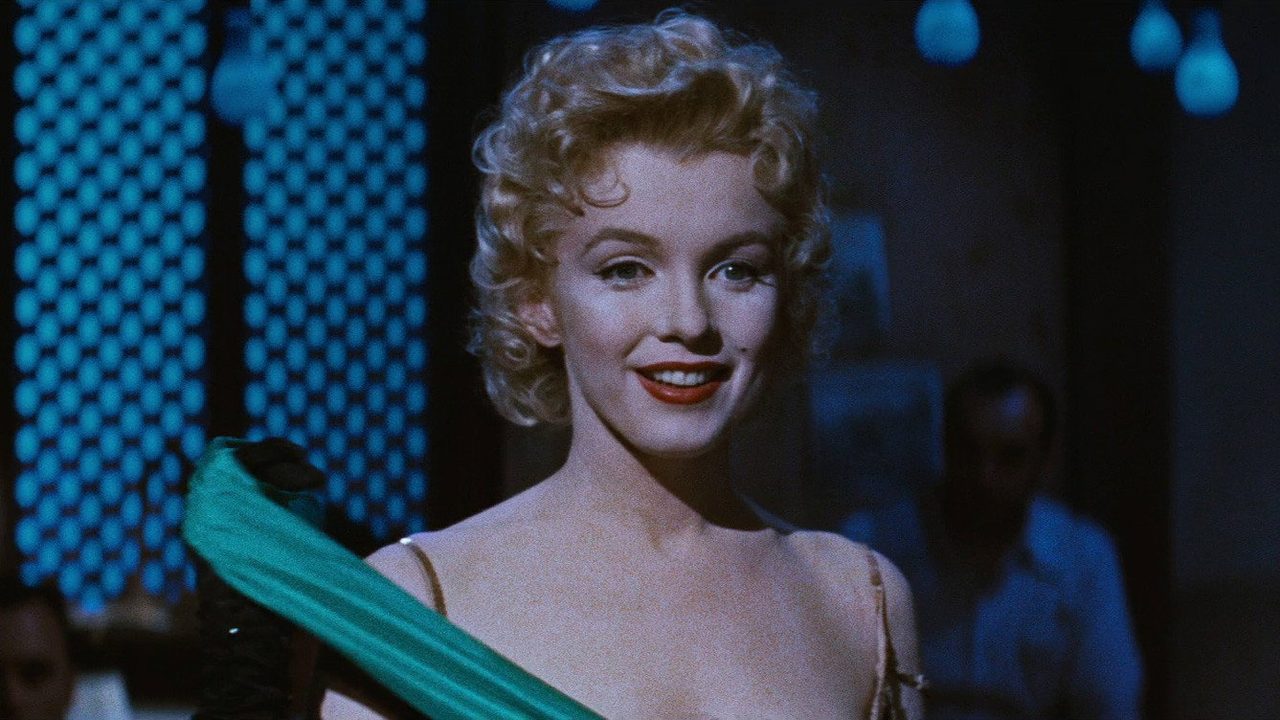
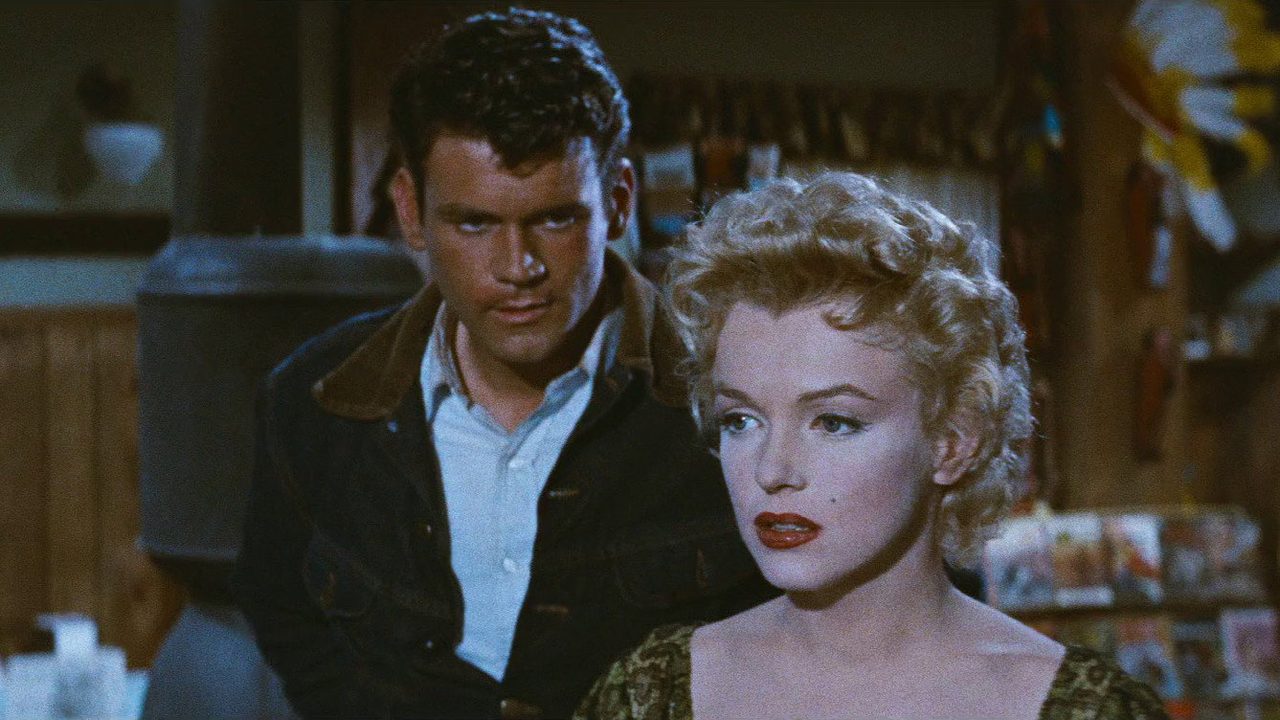
Beauregard Decker, a naive young cowboy, travels from Timber Hill, Montana, to Phoenix by bus with his friend and father figure Virgil Blessing for a rodeo. Virgil has urged the twenty-one-year-old to take an interest in women, and Bo says he wants an angel and will recognize her on sight. At the Blue Dragon Café he hears Chérie sing and decides he loves her. Chérie comes from River Gulch, Arkansas, and wants to become a Hollywood star. She is drawn to Bo but has no intention of marrying him or returning with him to Montana, and she tells him so. Bo refuses to listen. He obtains a marriage license and brings her to the rodeo parade and the rodeo.
Cast




Did you know?!Facts and trivia about Bus Stop (1956)
Can contain spoilers, watch the movie first.
- Clint Eastwood and Montgomery Clift were considered for the cowboy role of Bo Decker in Bus Stop, but it went to newcomer Don Murray, whom director Joshua Logan picked after seeing him in a stage revival of The Skin of Our Teeth.
- Screenwriter George Axelrod said Marilyn Monroe did not speak to him or Josh Logan for a year after Bus Stop, because she felt they had cut the picture in favour of the boy, and that it took her two years to realize it was her best performance.
- Bus Stop was the first film Marilyn Monroe chose under a new contract, and for the role she learned an Ozark accent, picked costumes and make-up without her earlier glamor, and sang and danced deliberately badly.
- Monroe was "technically in charge" of Bus Stop as head of her own company, Marilyn Monroe Productions, occasionally deciding on cinematography while Logan adapted to her chronic tardiness and perfectionism.
- The play Bus Stop, which the 1956 film adapts, was inspired by people the playwright William Inge met in Tonganoxie, Kansas.