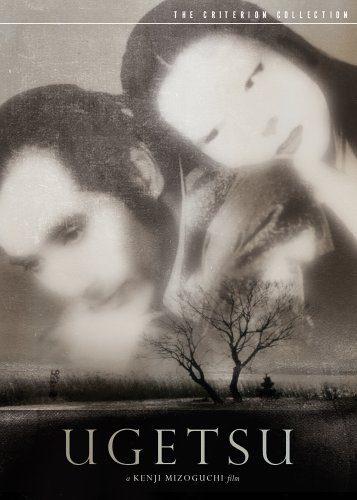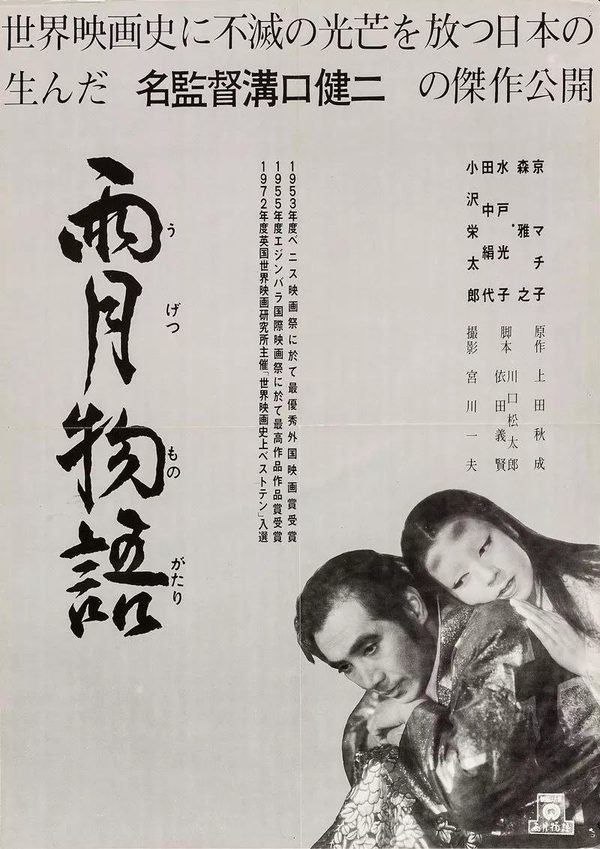
Ugetsu (1953) on Netflix
Genjūrō, a potter on Lake Biwa, sells his earthenware in town alongside Tōbei, his brother-in-law, who longs to be a samurai. As armies sweep the province, the two men look for profit.
- Netflix4.5/5
- IMDb8.1/1028,597 votes
- Rotten Tomatoes100%
Trailer

Plot summary
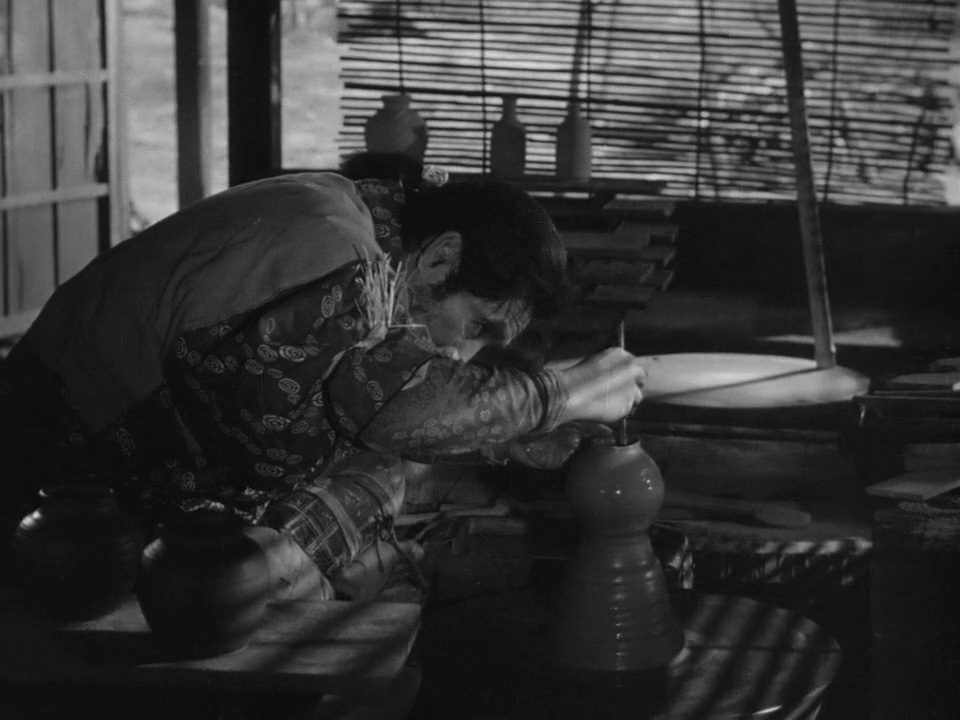
Genjūrō makes pottery in Nakanogō, a village beside Lake Biwa in Ōmi Province, and takes the finished ware to town to sell. Tōbei, his brother-in-law, wants to become a samurai. Shibata Katsuie's soldiers overrun the district and the villagers scatter, but Genjūrō stays at his kiln to finish the pots, meaning to sell them in Ōmizo. He and Tōbei cross the lake by boat with their wives; a dying man on another boat warns them of pirates, so Genjūrō sets his wife Miyagi and their son Genichi ashore, while Tōbei's wife Ohama stays with the men. In Ōmizo the pottery sells well, and Tōbei spends his share on samurai armor. Lady Wakasa and her servant buy several pieces and ask Genjūrō to deliver them to her mansion.
Cast
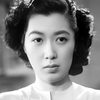
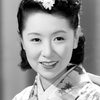
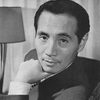
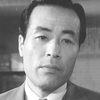
- Sugisaku Aoyamaas Old Priest
- Mitsusaburô Ramonas Captain of Tamba Soldiers



Did you know?!Facts and trivia about Ugetsu (1953)
Can contain spoilers, watch the movie first.
- Ugetsu won the Silver Lion for Best Direction at the 1953 Venice Film Festival, but the night before, Kenji Mizoguchi believed that failing to win would shame him out of returning to Japan, so he stayed in his hotel room and prayed.
- Although Daiei promised Kenji Mizoguchi complete artistic control and a large budget after The Life of Oharu, he was eventually pressured into giving Ugetsu a less pessimistic ending.
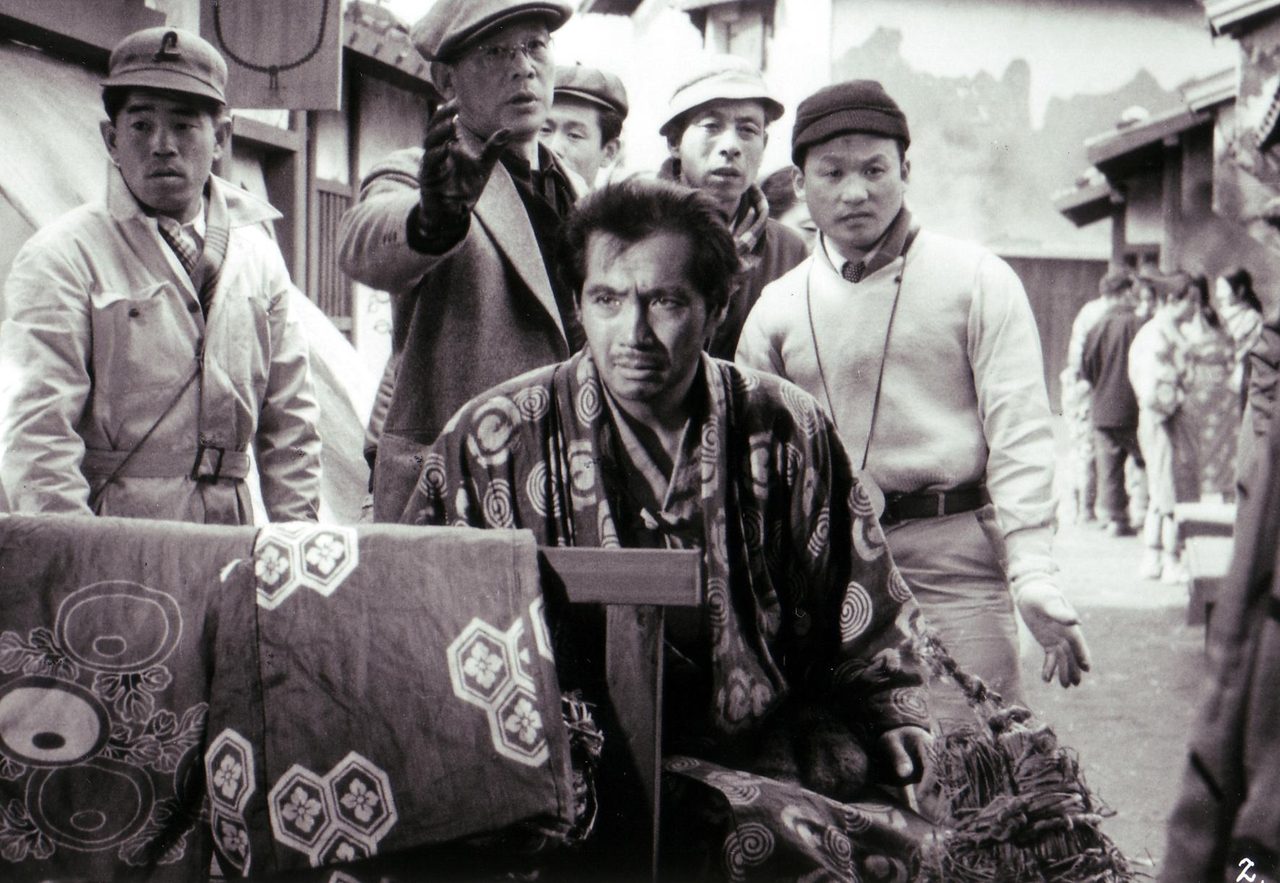
- The journey across Lake Biwa was not shot on a lake at all: it was filmed on a pool in the studio with added smoke, and the assistant directors had to push the boat through the cold water themselves.
- The score uses drums, flutes and chanting, and bells turn up in improbable places, while use of the harp is restricted to moments involving the supernatural.
- Alongside Akira Kurosawa's Rashomon, Ugetsu is credited with popularising Japanese cinema in the West, and it and Yasujirō Ozu's Tokyo Story, released the same year, made audiences aware of other Japanese filmmakers.
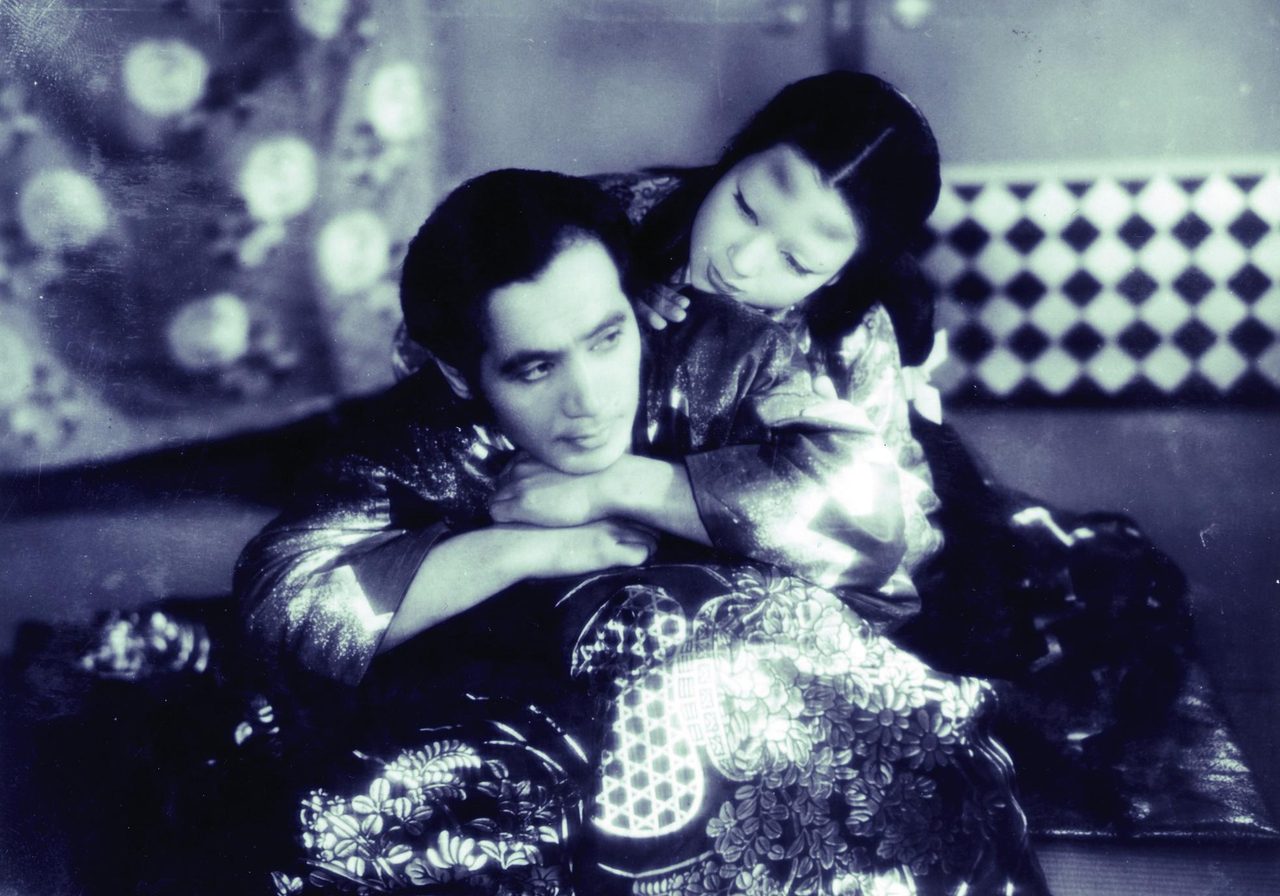
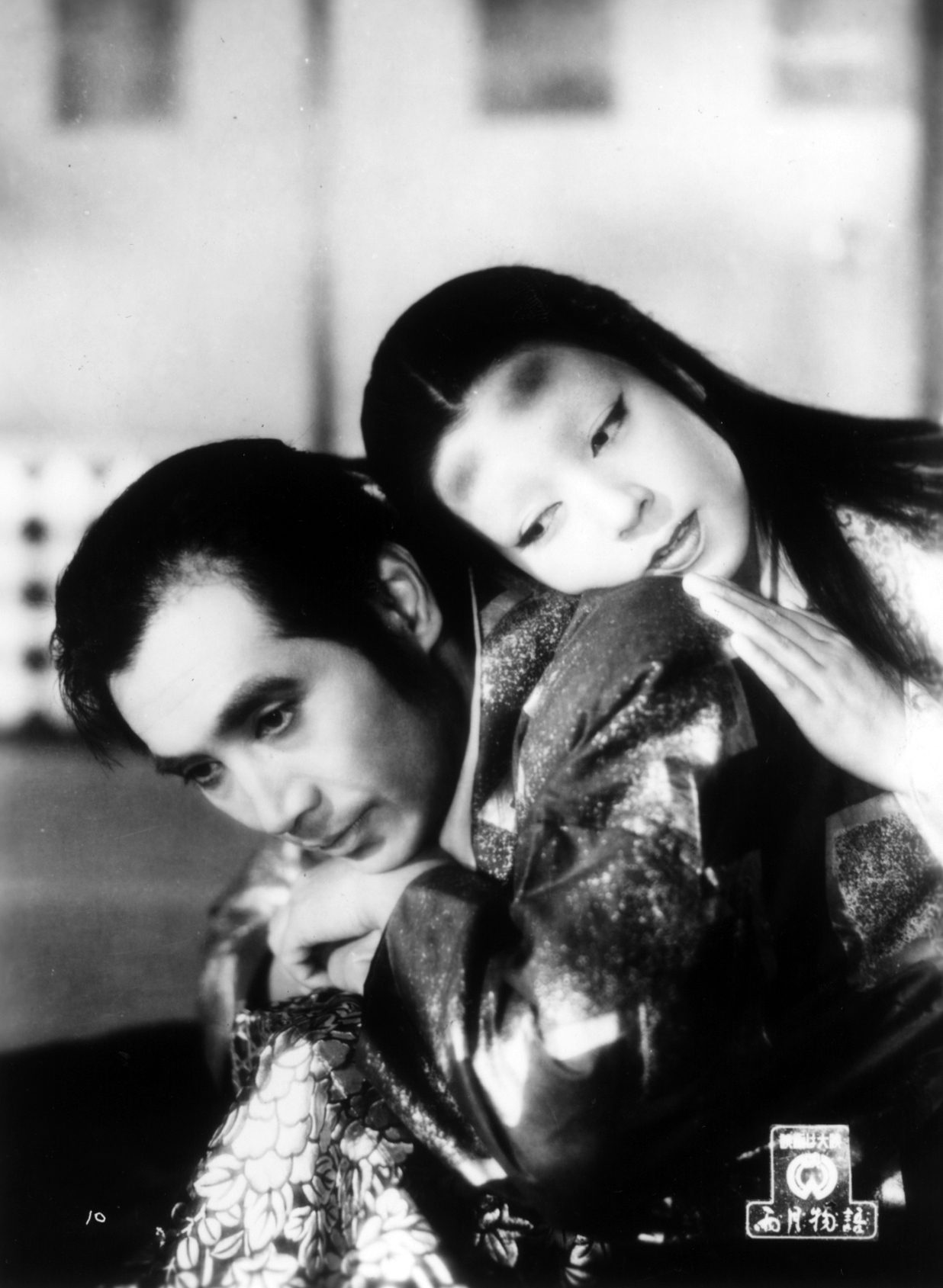
- Machiko Kyō's Lady Wakasa had a costume modelled on pre-Edo fashion and a face designed to resemble a mask common in Noh theatre, with her eyebrows styled using the practice called hikimayu.
SPOILER
Kinuyo Tanaka found the scene where Miyagi is a ghost the most stressful, since she had to play a ghost and an actual wife at once; afterwards Mizoguchi lit a cigarette for the actor Mori, a rare sign of satisfaction.