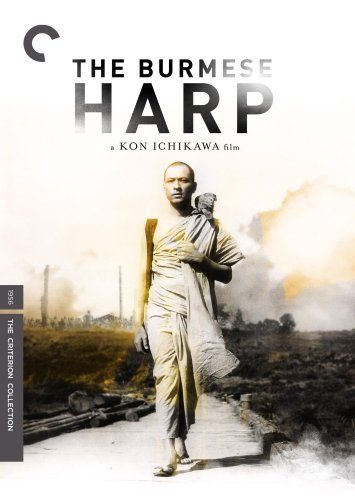
The Burmese Harp (1956) on Netflix
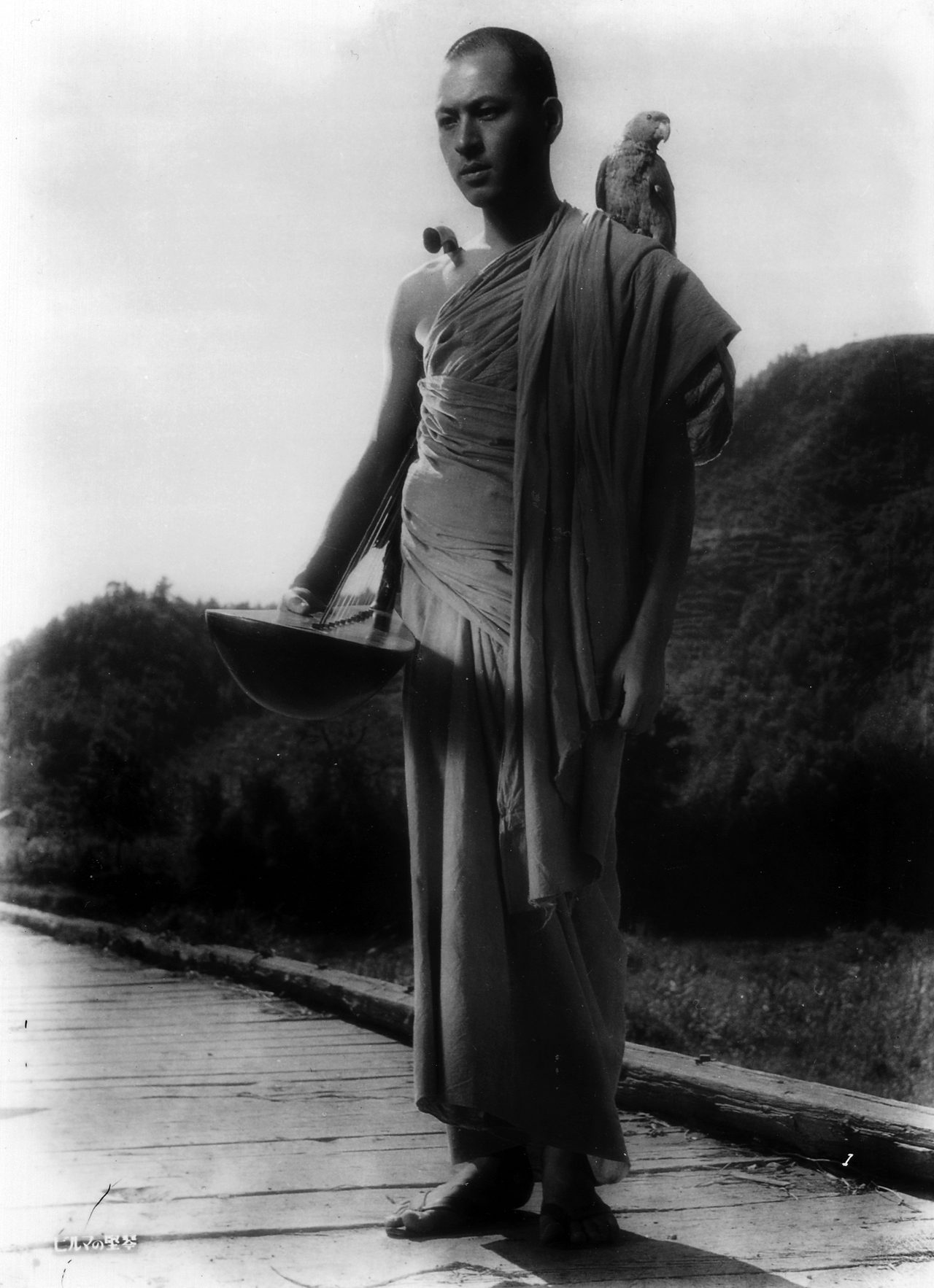
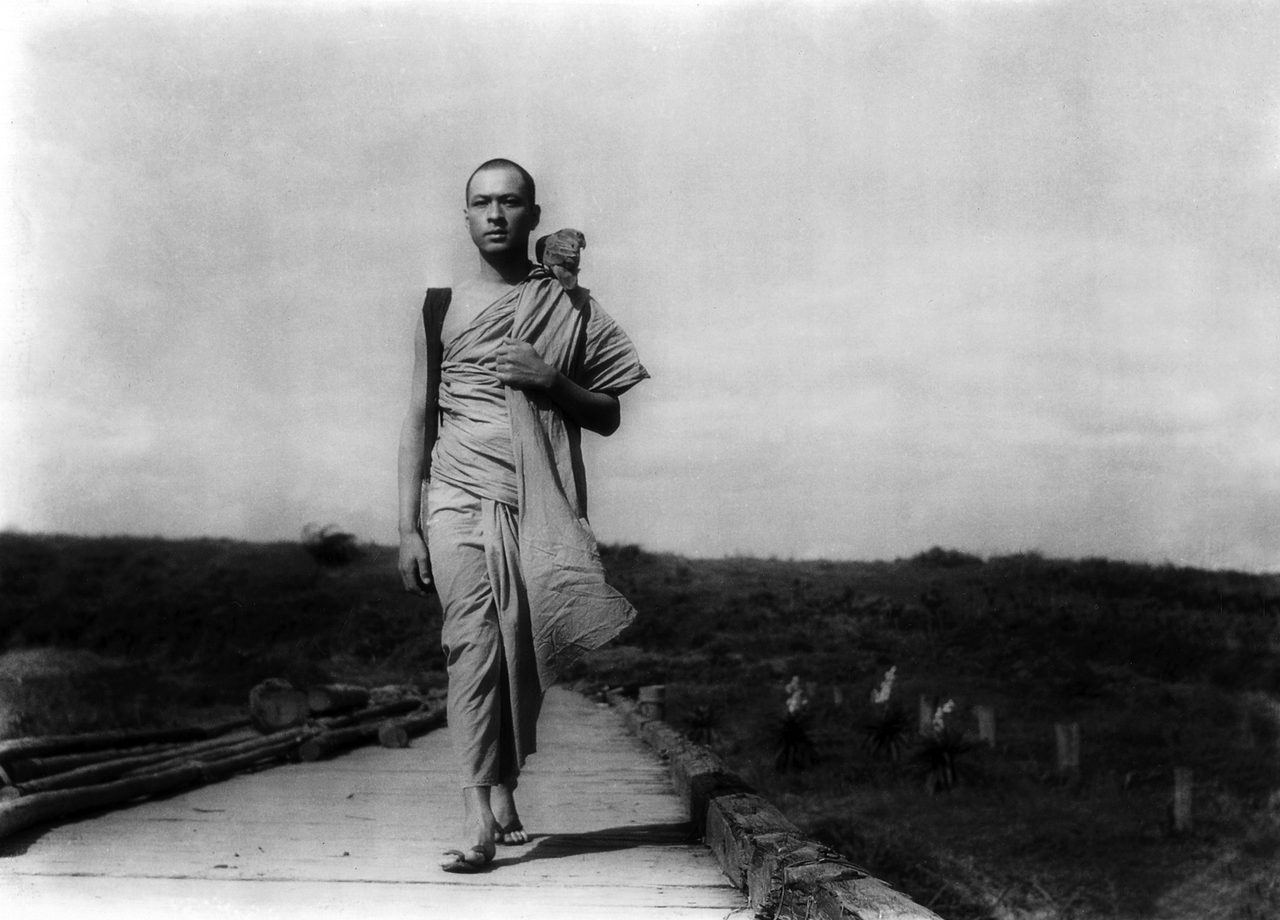
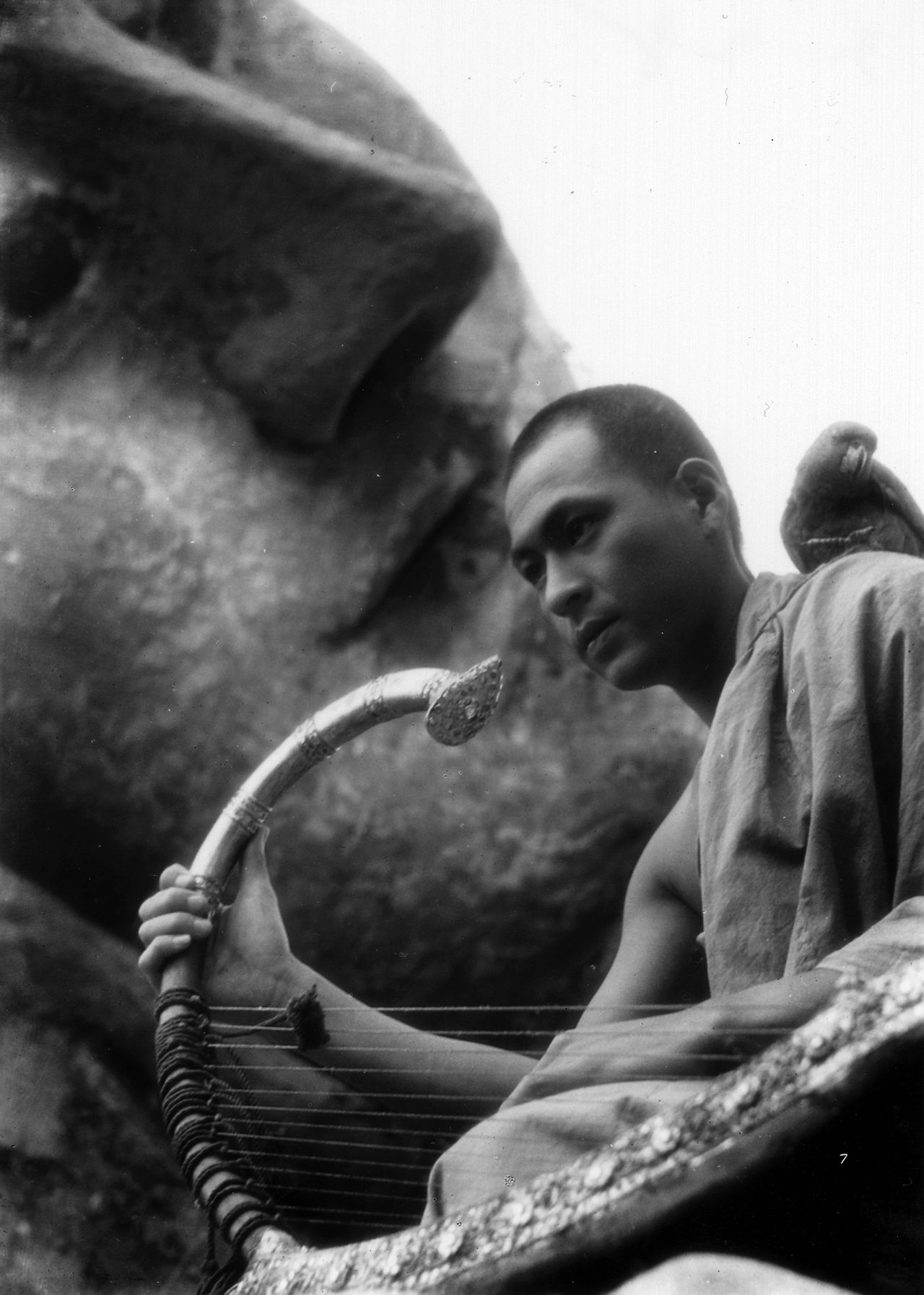
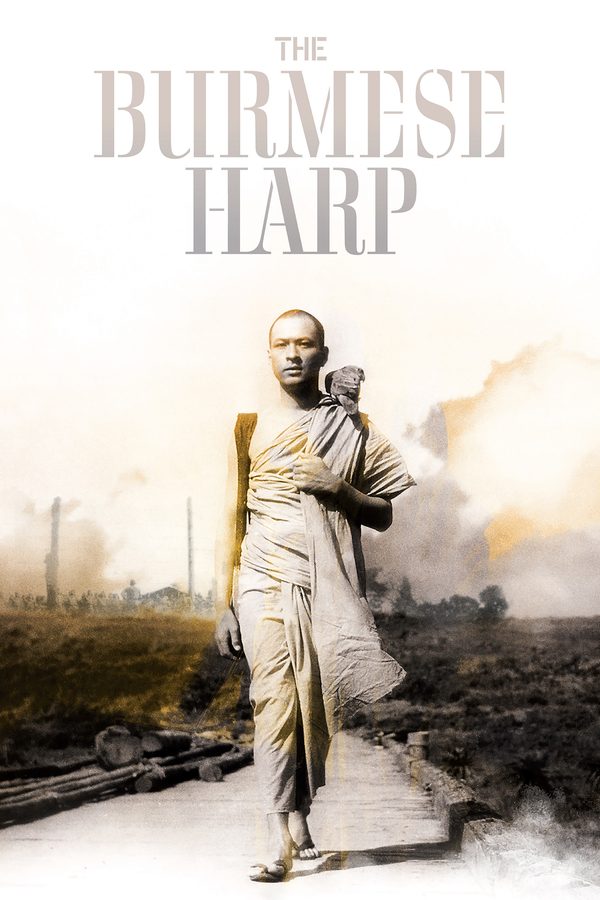
In Burma near the end of World War II, Private Mizushima plays a Burmese harp for Captain Inouye's platoon, which sings to lift its morale. British and Indian troops are closing in.
- Netflix3.7/5
- IMDb8.0/107,324 votes
- Rotten Tomatoes90%
Trailer

Plot summary
Captain Inouye's platoon fights and sings through Burma as the Japanese army retreats near the end of World War II. The men take their melodies from a Burmese harp played by Private Mizushima, who taught himself the instrument, and their singing keeps their spirits up. Sheltering in a village, they retrieve their ammunition and see an advancing British and Indian force. Inouye orders them to sing, laugh and clap so the British will take them for men unaware of what stands in front of them, and the British answer with the same melody. The platoon learns that Japan has surrendered and gives itself up to the British.
Cast




- Shunji Kasugaas Maki

- Keishichi Nakaharaas Takagi
- Toshiaki Itôas Hashimoto
- Hiroshi Tsuchikataas Okada
- Nobuteru Hanamuraas Nakamura
- Sanpei Mineas Abe


Did you know?!Facts and trivia about The Burmese Harp (1956)
Can contain spoilers, watch the movie first.
- Kon Ichikawa was surprised when Michio Takeyama, whose novel he was adapting, revealed he had never been to Burma, having fought in China during the war. Takeyama said he had planned to write about China, but the music he referenced in his story was not commonly found there.
- Michio Takeyama's novel contains a wartime cannibalism scene that was left out of the film; Kon Ichikawa instead explored the topic in his 1959 film Fires on the Plain.
- Kon Ichikawa hoped to make the film in colour, but colour cameras were too big, and therefore too costly, to be moved to Burma.
- The harp seen in the film is a prop rather than a real instrument, and the melody it plays is "Home! Sweet Home!", the song adapted in Japan as "Hanyo no yado".
- The Burmese Harp was Kon Ichikawa's first film released internationally, though the 143-minute film was condensed to 116 minutes, reputedly over his objection.
- In 1995 the Vatican included The Burmese Harp in a list of important films it compiled, under the category "Values".