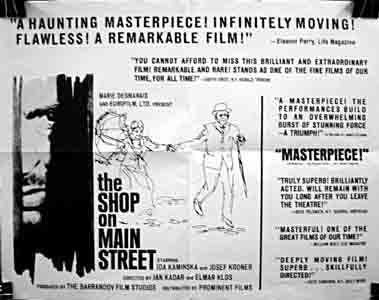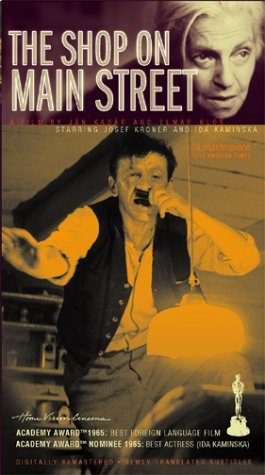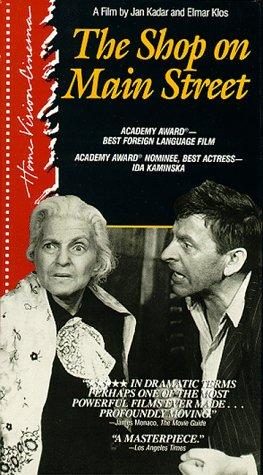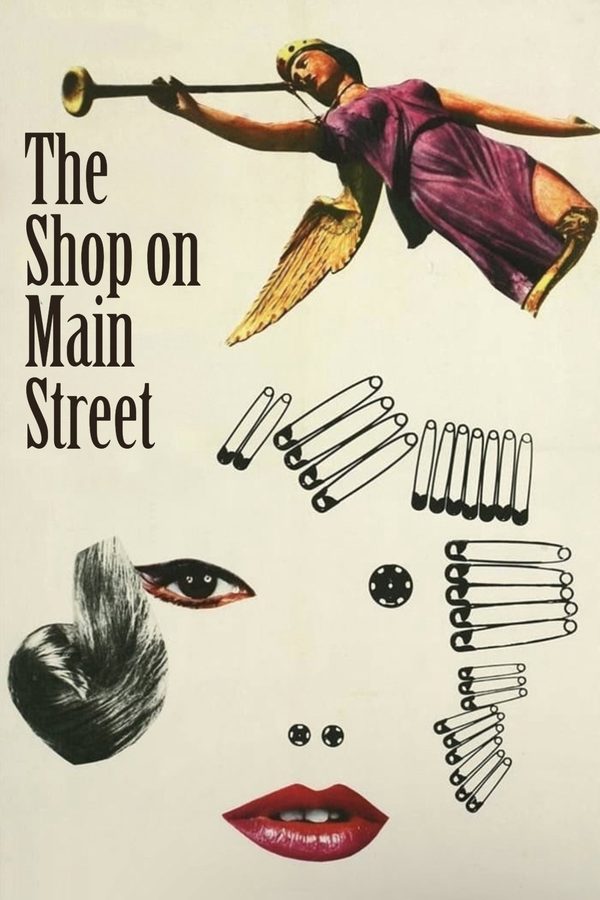
The Shop on Main Street (1965) on Netflix
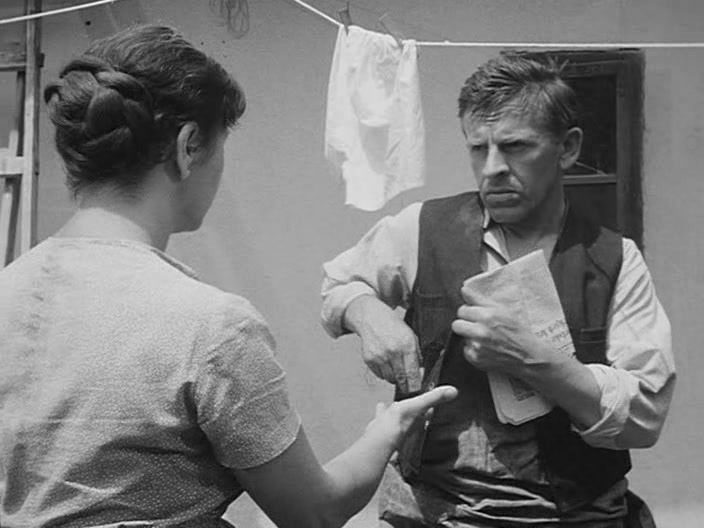
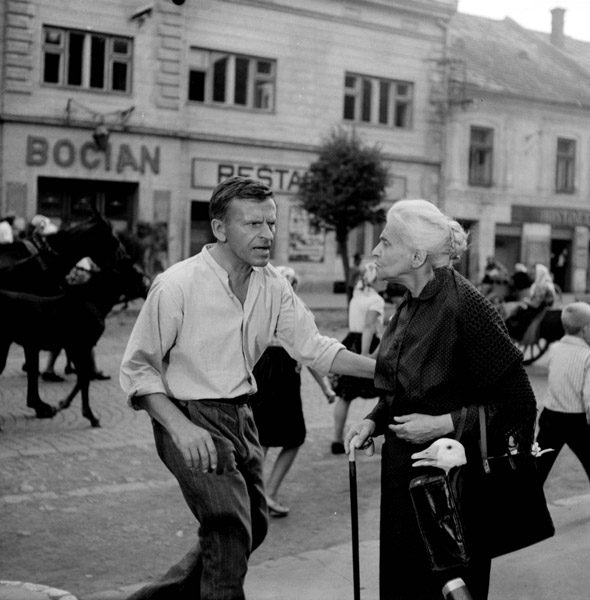
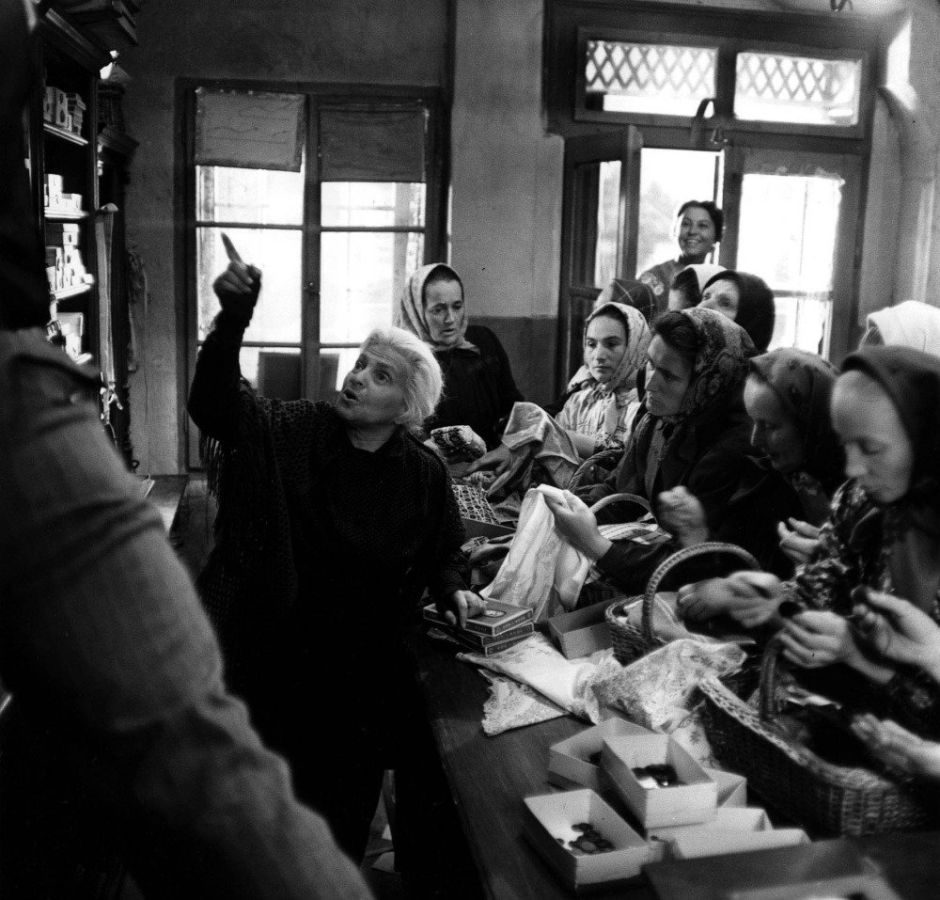
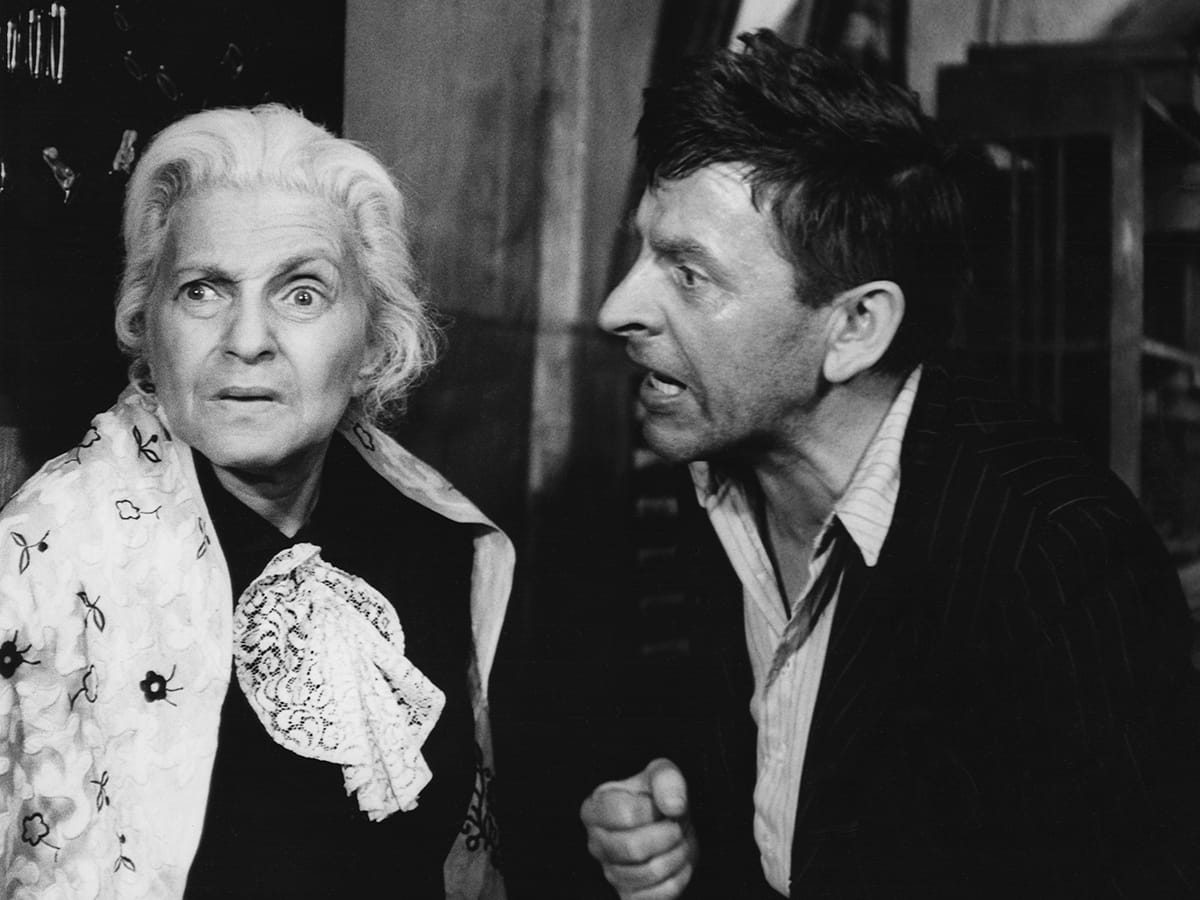
Tóno Brtko, a carpenter in wartime Slovakia, is made Aryan controller of a button shop kept by Rozália Lautmannová, an elderly Jewish widow. The post brings a salary and standing.
- Netflix4.6/5
- IMDb8.2/1010,582 votes
- Rotten Tomatoes100%
Trailer

Plot summary
In the First Slovak Republic, a client state of Nazi Germany, the carpenter Tóno Brtko is picked by his brother-in-law, an official in the local fascist government, for a job under the Aryanization program. He is to take over the sewing notions shop of Rozália Lautmannová, an elderly Jewish widow who is nearly deaf and cannot follow his attempts to explain the arrangement. Brtko's friend Imrich Kuchár, who opposes Aryanization, tells him the shop earns nothing and that its owner lives on donations. Kuchár explains to her that Brtko has come to help, and brings him to the town's Jewish community leaders. They offer to pay him a regular salary to stay on as the shop's official controller, fearing a replacement would be more dangerous. Brtko lets Rozália run the shop and spends his time repairing her furniture.
Cast

- Hana Slivkováas Evelyna Brtková
- Martin Hollýas Imro Kuchár


- Mikuláš Ladižinskýas Marian Peter
- Alojz Kramáras Balko
- Eugen Senajas Blau
- František Papp


Did you know?!Facts and trivia about The Shop on Main Street (1965)
Can contain spoilers, watch the movie first.
- The Shop on Main Street won the 1965 Academy Award for Best Foreign Language Film, and its star Ida Kamińska, who played the Jewish widow Rozália Lautmannová, was nominated a year later for Best Actress, the first Polish actress ever nominated for an Oscar.
- Ladislav Grosman first published the short story "The Trap" in Czech in 1962, expanded it into a Czech literary screenplay published in 1964 as "The Shop on Main Street", then reworked it into a shooting script with Slovak dialogue alongside directors Ján Kadár and Elmar Klos.
- Zdenek Liska's score uses the traditional brass band music common in 1940s Czechoslovakia, and the soundtrack became the first Czechoslovak movie soundtrack to be released on record in the US.