Trailer

Plot summary
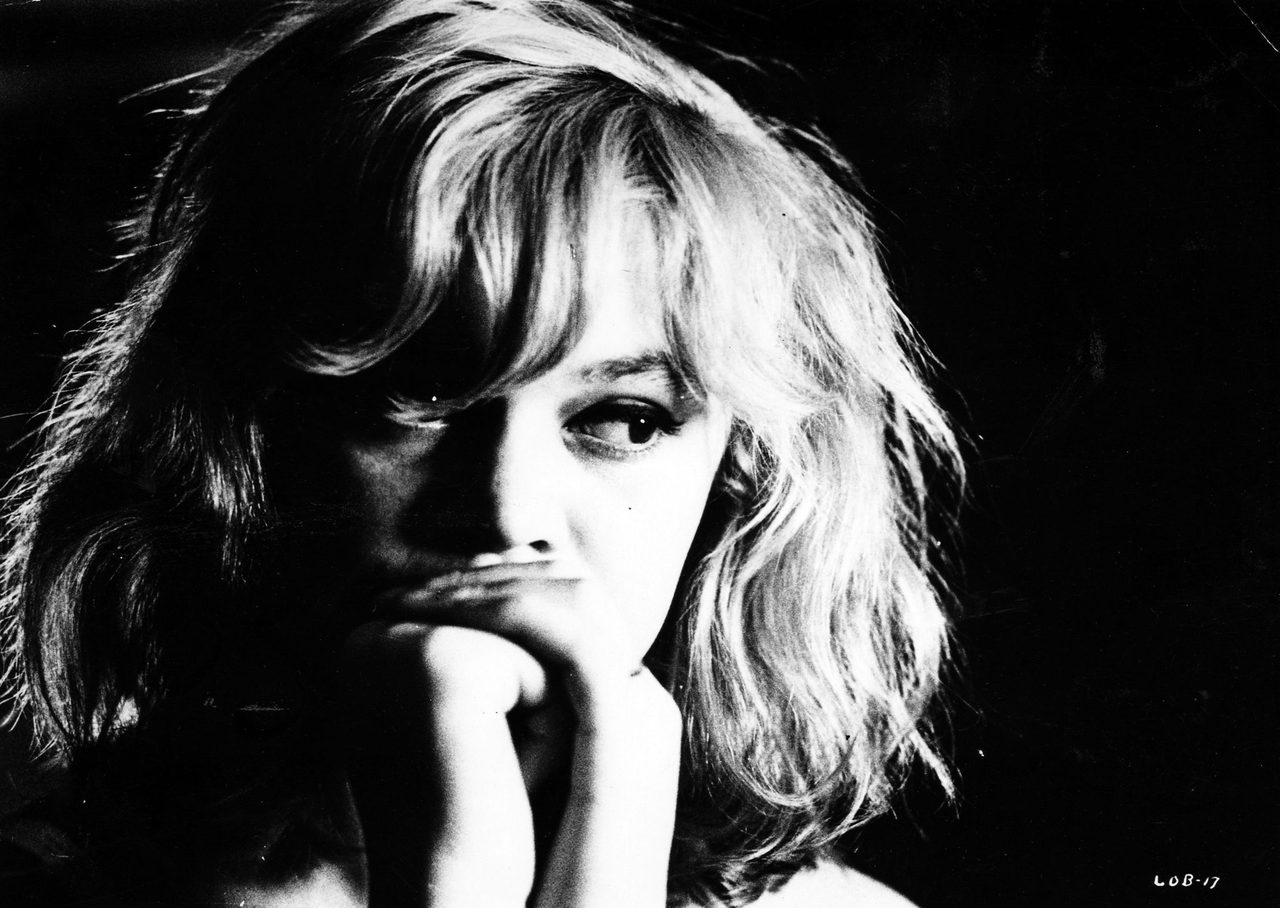
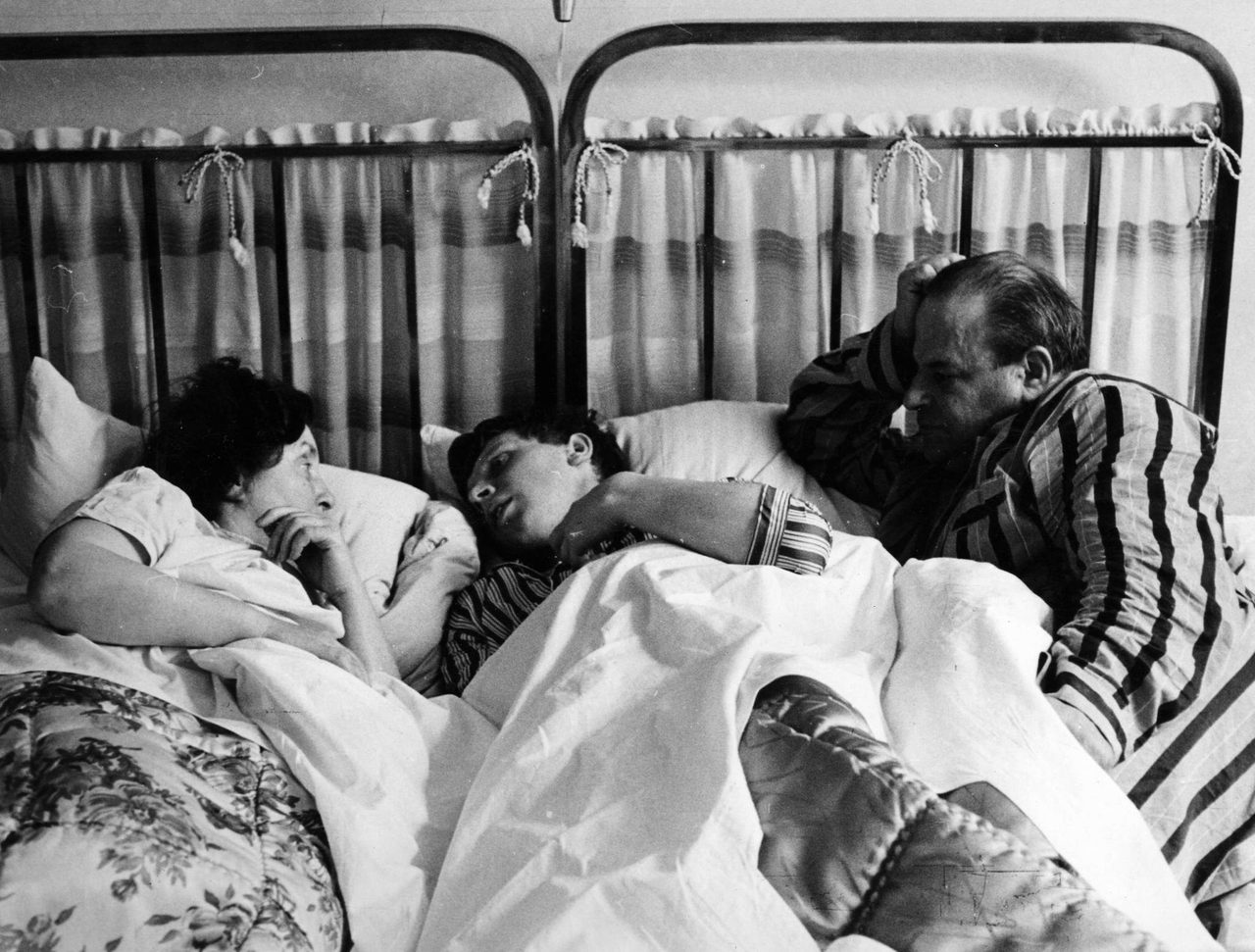
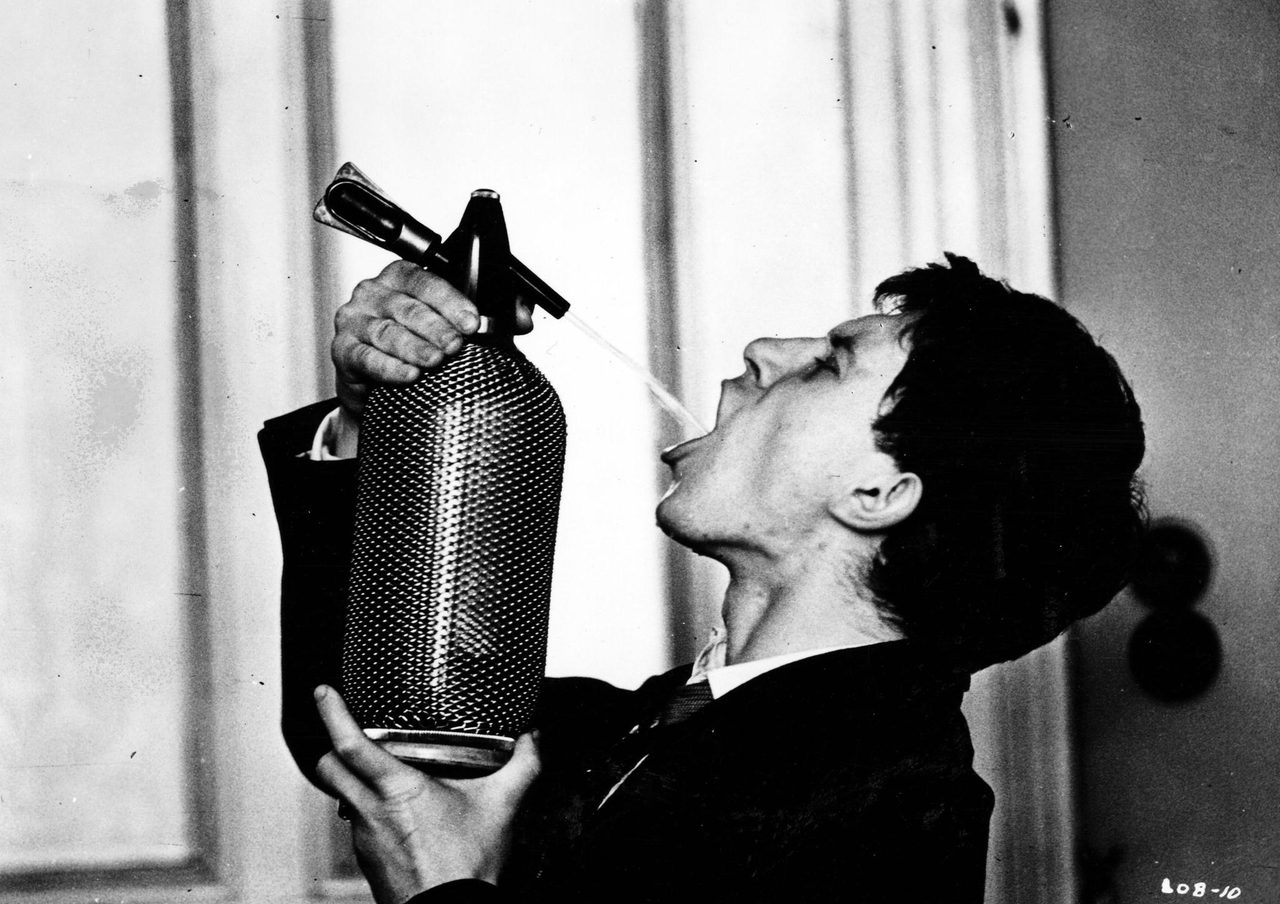
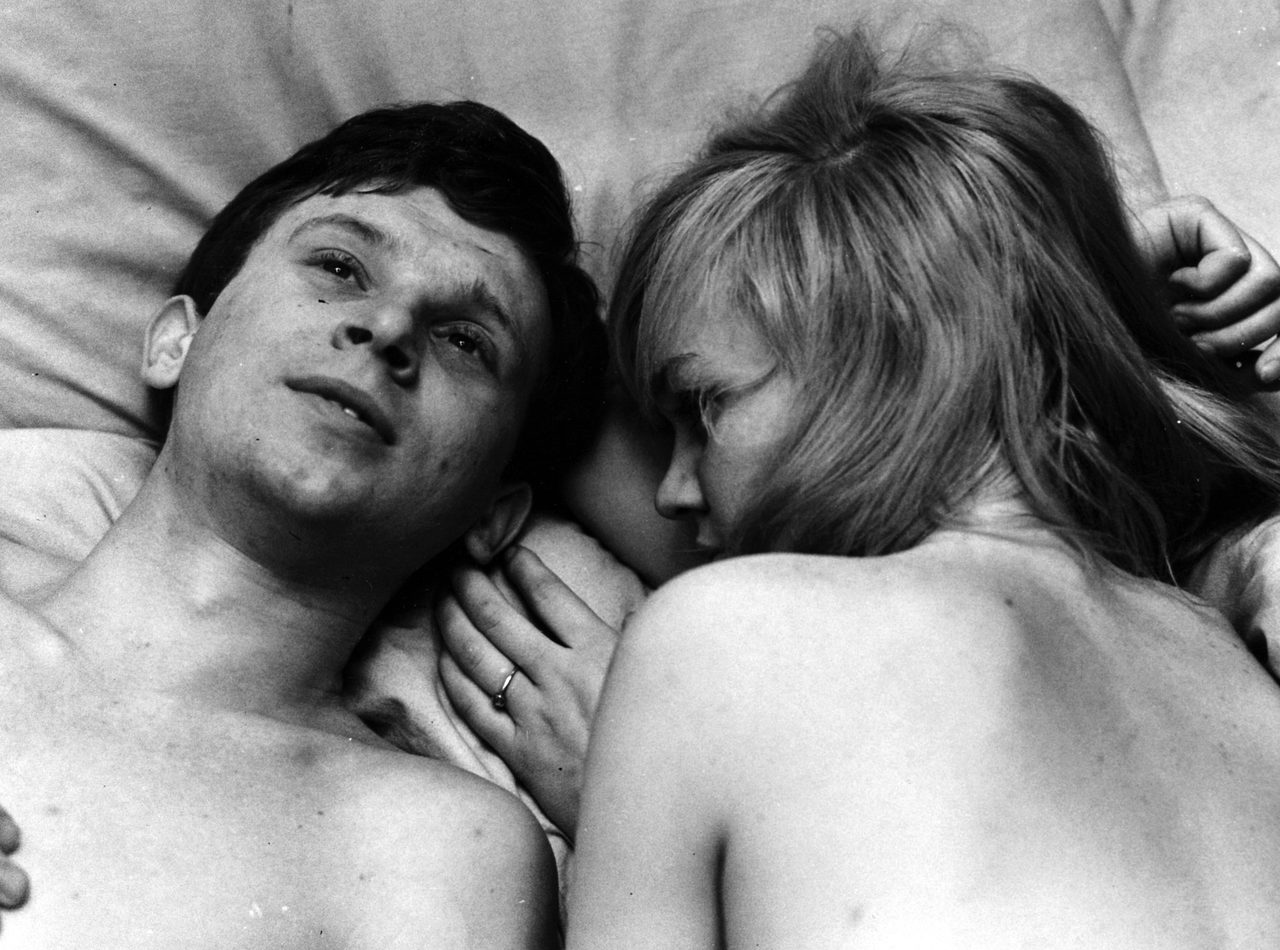
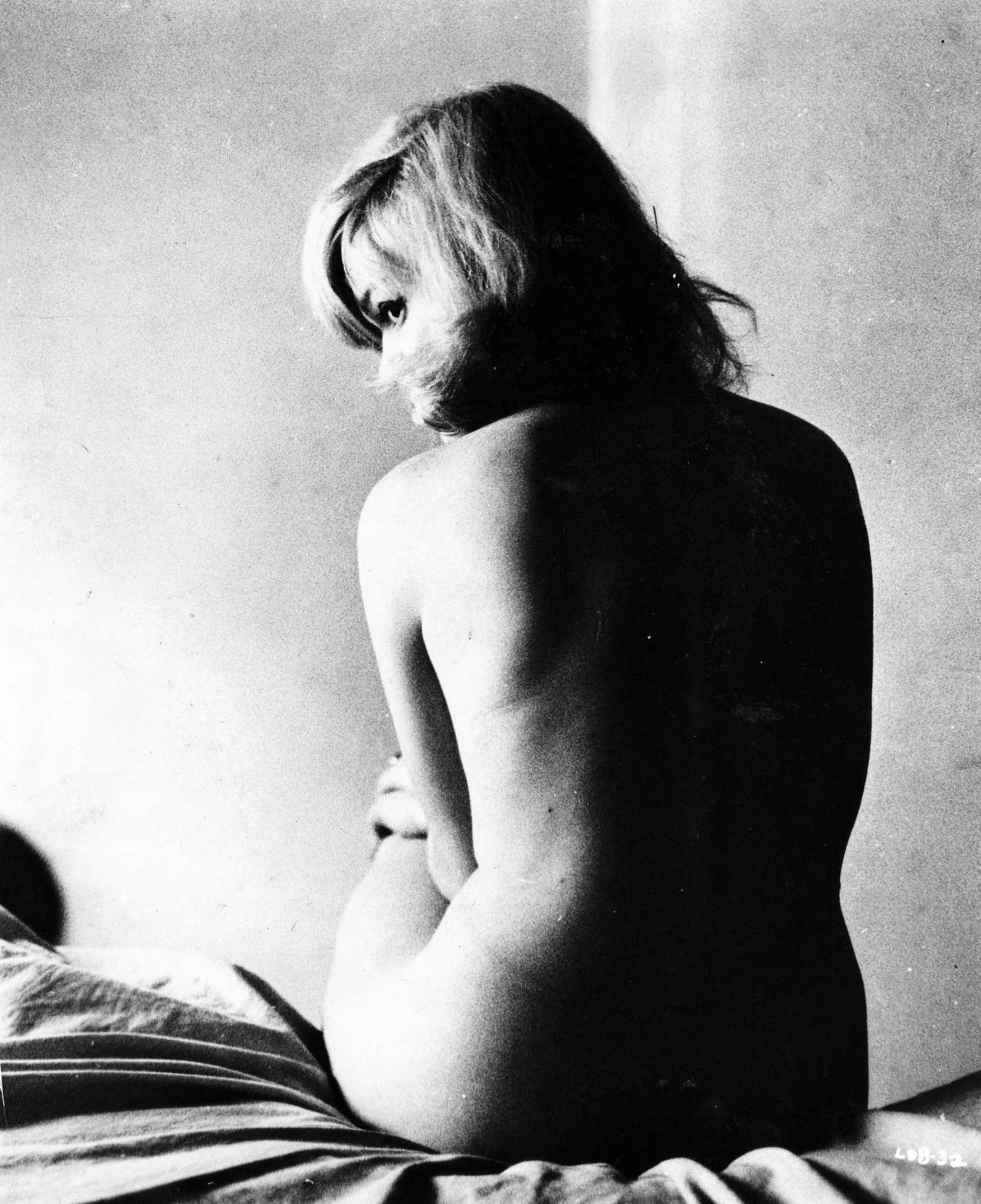
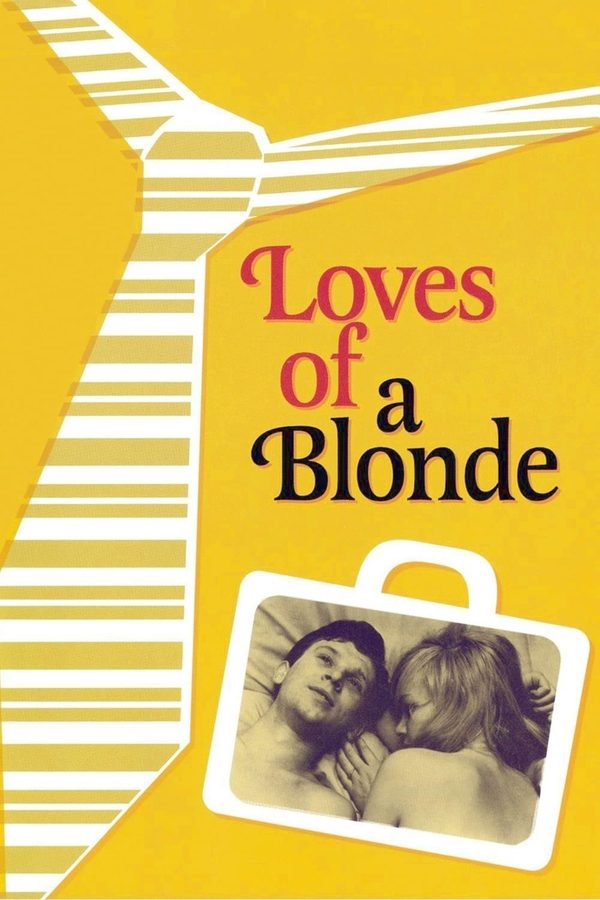
A factory supervisor in provincial Czechoslovakia wants men for his young female workers, so he persuades the army to stage maneuvers near the town and sponsors a dance. The girls hope to meet young soldiers; the recruits who come are reservists, many of them middle-aged and married. Three of them make a mess of the evening, one sending wine to the wrong table, another dropping a wedding ring he is trying to hide. Andula, who wears a ring from her boyfriend Tonda, is unimpressed by the soldiers until she meets Milda, the band's pianist from Prague. He reads her palm and teaches her a kick in the shins for men who pester her, and after the party the two spend the night together.
Cast


Did you know?!Facts and trivia about The Loves of a Blonde (1965)
Can contain spoilers, watch the movie first.
- One of the nonprofessional actresses, a blonde factory worker, had an affair with a crew technician who hid that he was married with a child and promised to send for her in Prague. Spurned when she went, she became a prostitute, went to jail, attempted suicide and finally emigrated to Australia.
- Miloš Forman built the story on a real encounter: driving around Prague at night he picked up a young woman with a heavy suitcase who had come from Varnsdorf, been seduced by a young engineer who gave her a phony address in Žižkov, and he interviewed her for much of the night before putting her on a train home.
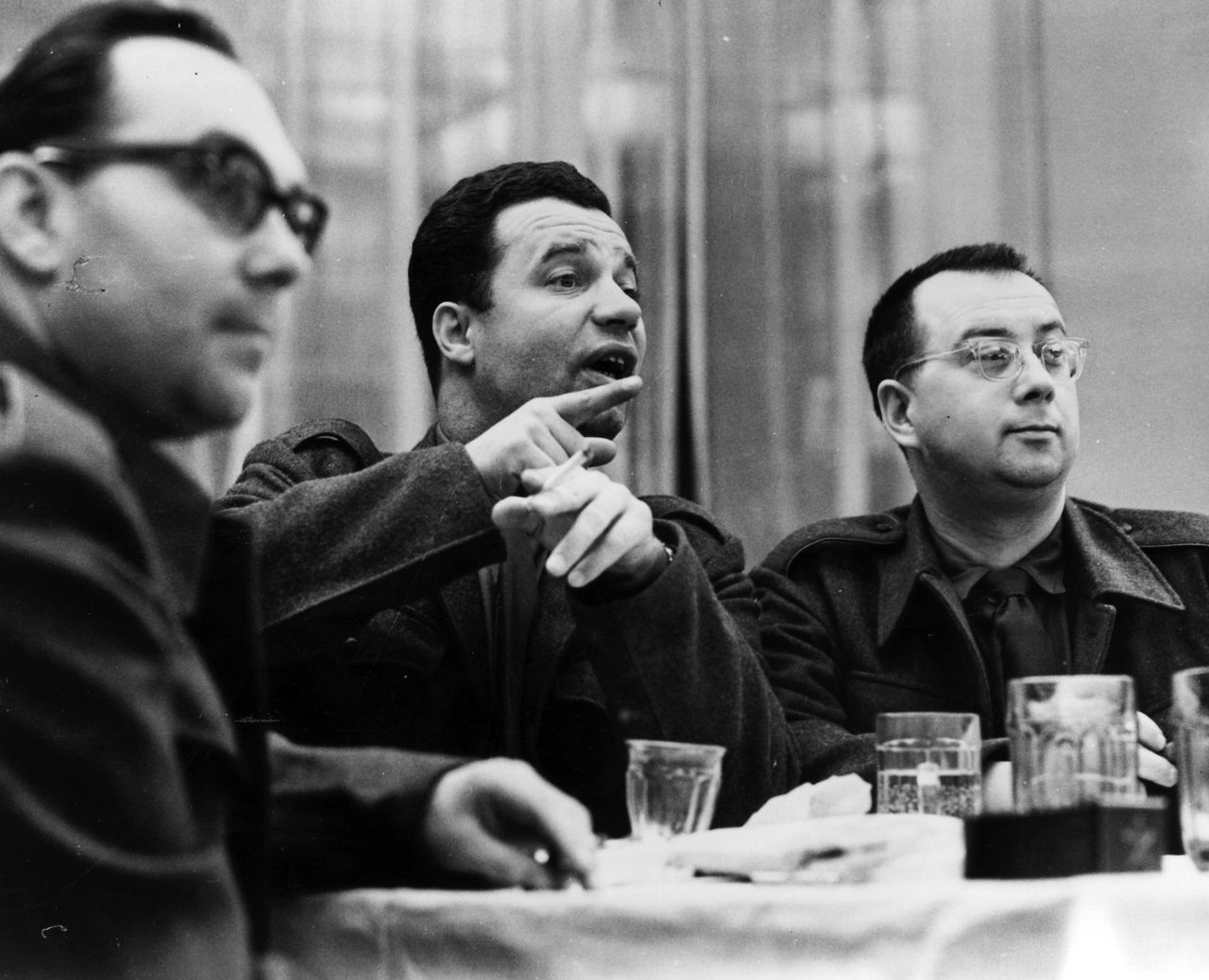
- Forman wanted non-professionals for the trio of reservists, including the writer Josef Škvorecký, but replaced Škvorecký with the professional actor Vladimír Menšík after telling him he looked too intelligent to play the role.
- Seeking an international distributor, Forman was told the film was too short for American audiences and had too little nudity, so he was coerced into shooting extra scenes never shown in Czechoslovakia. One had Milda the pianist tricked into the wrong bedroom of a Prague apartment building.
- The film won Czechoslovakia's Order of Klement Gottwald, an award for exemplary works "for building of socialist homeland". Forman called it an embarrassment, useful only for the fat envelope containing 20 000 CZK, nearly a year's salary.
- The Zruč nad Sázavou shoe factory that hosted the shoot felt betrayed by its comic portrait, but the film worked as a "great big classified ad": hundreds of Czech boys camped in the woods hoping to meet the factory women, who sneaked out of their dorms at night.
- British director Lindsay Anderson visited the set and was so impressed by cinematographer Miroslav Ondříček that he took him to England to shoot The White Bus and if...., saying he had found "a new pair of eyes".
- Czech critics attacked the film's portrayal of social and political conditions, and for that reason it was never distributed at all in the Soviet Union.