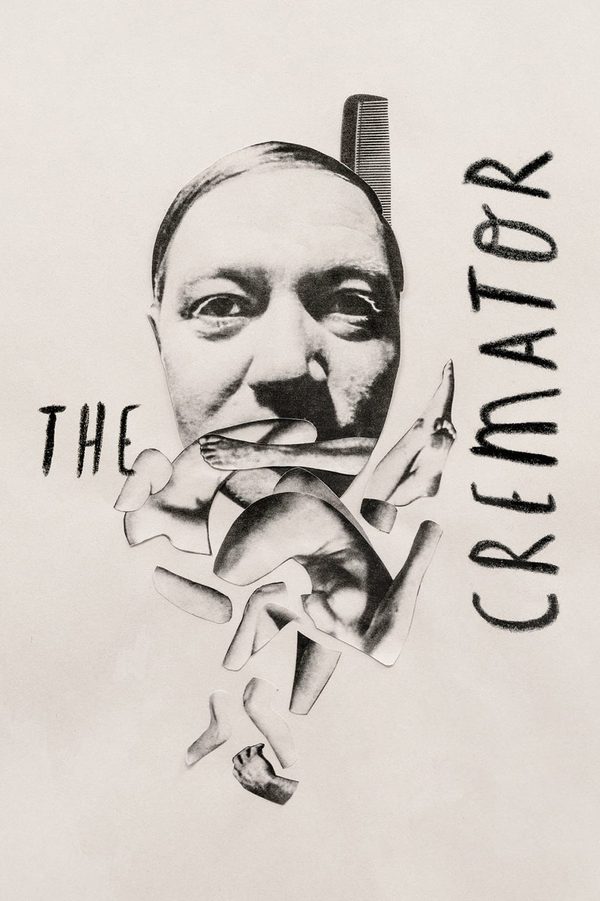
The Cremator (1969) on Netflix
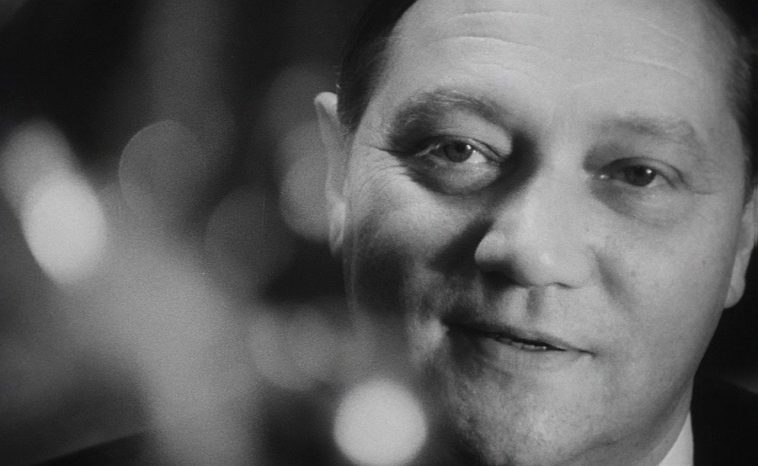
Karel Kopfrkingl works at a crematorium in Prague and believes cremation relieves earthly suffering. At a gathering he meets Reinke, a wartime comrade urging him to claim his German heritage.
- Netflix4.2/5
- IMDb8.0/1013,221 votes
- Rotten Tomatoes89%
Trailer

Plot summary
In late 1930s Prague, Karel Kopfrkingl tends the crematorium he calls his Temple of Death. Burning the dead, he believes, frees their souls from earthly pain, and he reads and quotes a book on Tibetan mysticism. He lives with his wife Lakmé, whom he met at the zoo's leopard cage seventeen years earlier, and their children Mili and Zina. At a gathering of elderly guests and people interested in funeral arrangements, he meets Strauss, a businessman he wants as an agent, and Reinke, an old army comrade from the First World War who supports Adolf Hitler. Reinke urges Kopfrkingl to claim his German heritage, and Kopfrkingl enrolls his timid son in a German school. He insists he has only one drop of German blood.
Cast


Did you know?!Facts and trivia about The Cremator (1969)
Can contain spoilers, watch the movie first.
- The Cremator was withdrawn from circulation in 1973 and remained unseen until 1990, after the collapse of the communist system in Czechoslovakia in 1989.
- The film's original ending was deleted in post-production and is assumed lost; it showed two former crematorium employees chatting at a coffee shop while Soviet tanks roll by, recalling Kopfrkingl as a nice man who always practiced abstinence.
SPOILER
Cinematographer Stanislav Milota sarcastically told his wife, actress Vlasta Chramostová, that the bathroom scene in which Kopfrkingl hangs her would be 'your last shot'; it proved prophetic, as she was barred from acting after August 1968 and his Czech film career also ended.- Composer Zdenek Liska bet cameraman Stanislav Milota a box of champagne that the film would neither be successful nor stick to the script, and was forced to buy Milota the wine once it was finished.
- For the crematorium scenes the cast always finished by 3 PM because they did not want to be around the coffins with dead bodies inside, and filming in July and August heat left the bodies starting to smell.
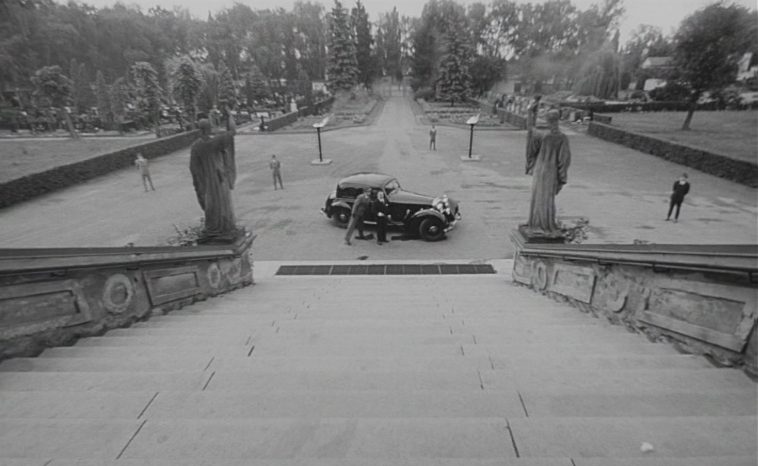
- The crematorium in Pardubice used in the film was declared a National Cultural Monument by the Czech government because of its appearance in The Cremator and its impact on Czech culture.
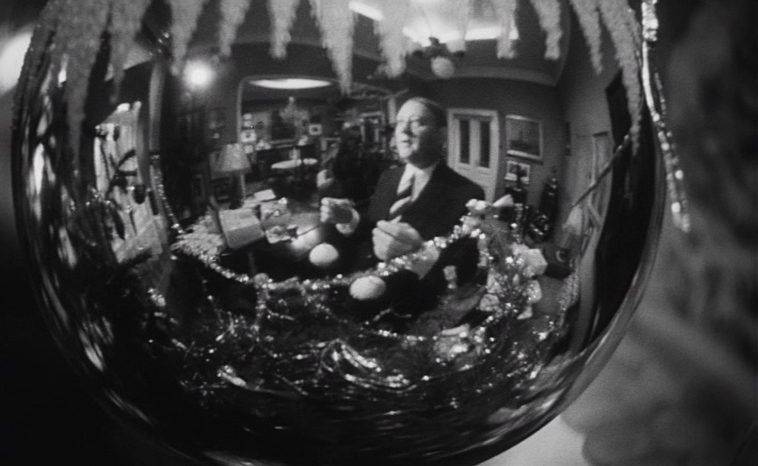
- Cinematographer Stanislav Milota used a fisheye lens to distort Rudolf Hrušínský's appearance and make it seem more grotesque; because the lens was not widely available in Czechoslovakia, he had to go to France to get one.