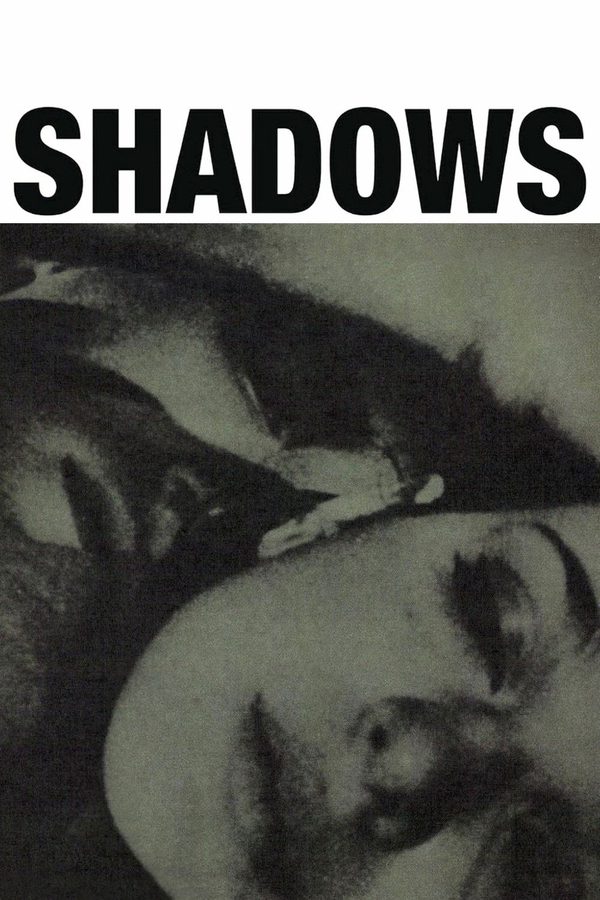
Shadows (1960) on Netflix
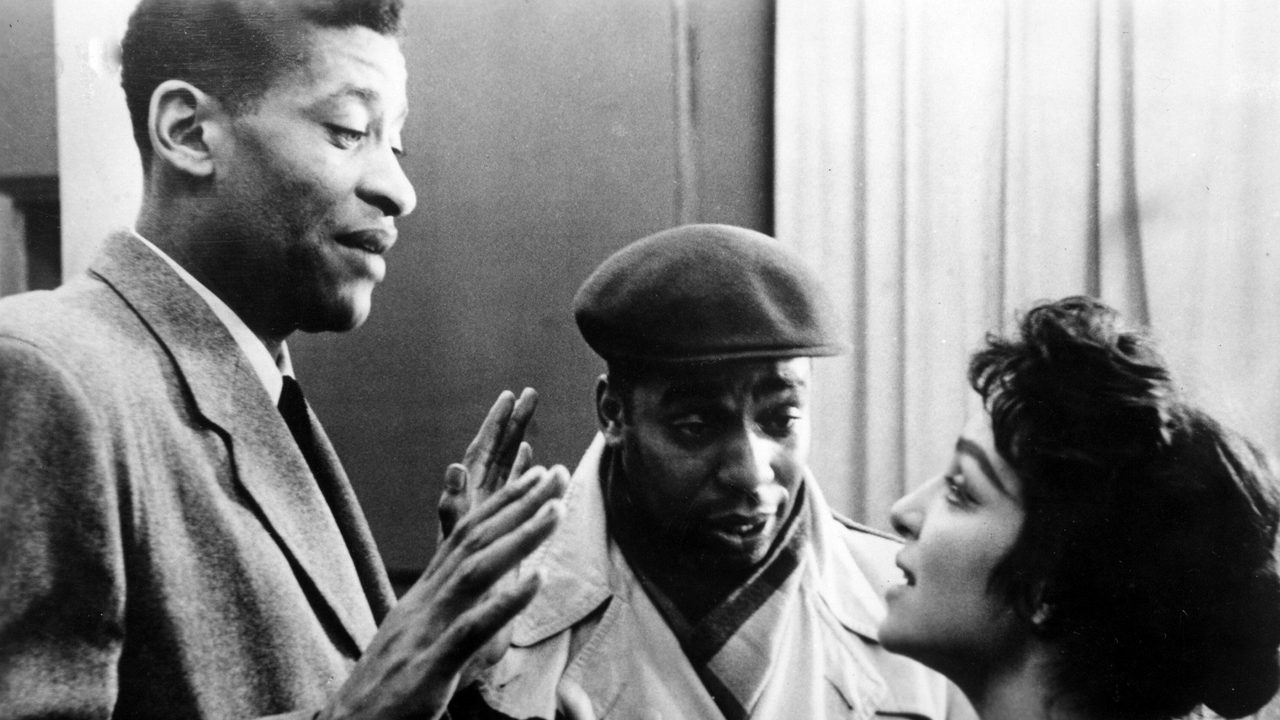
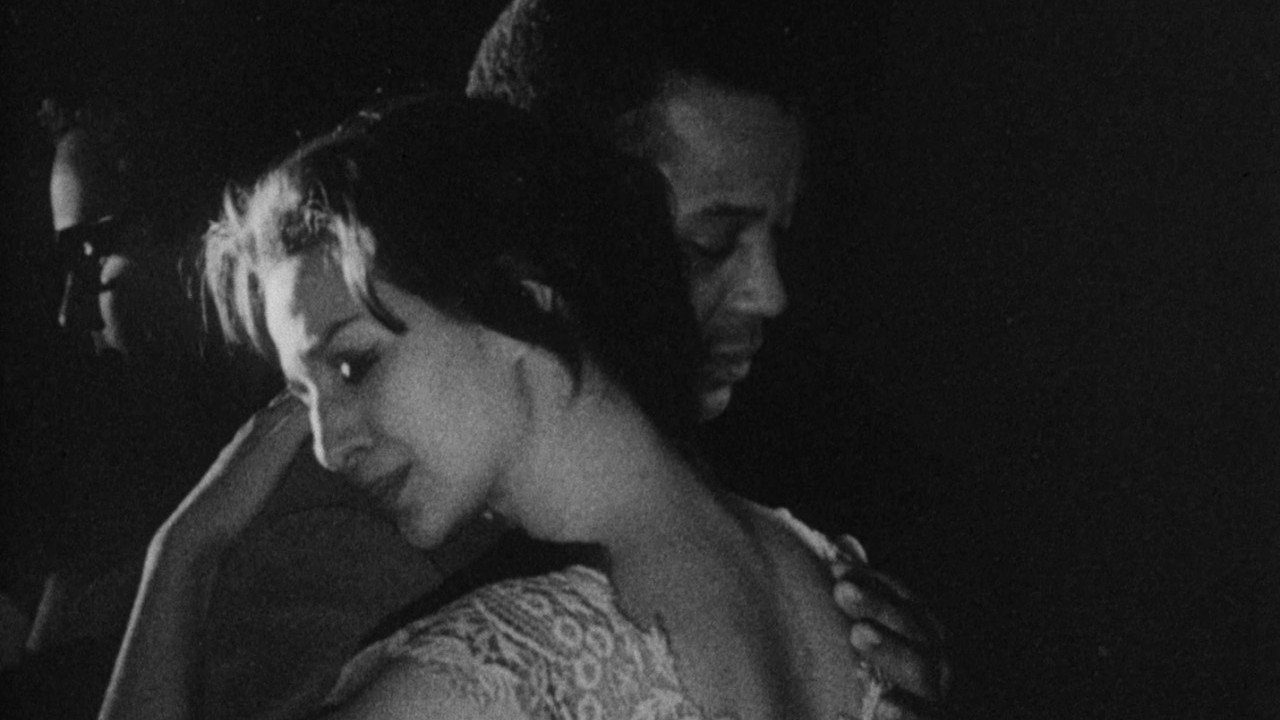
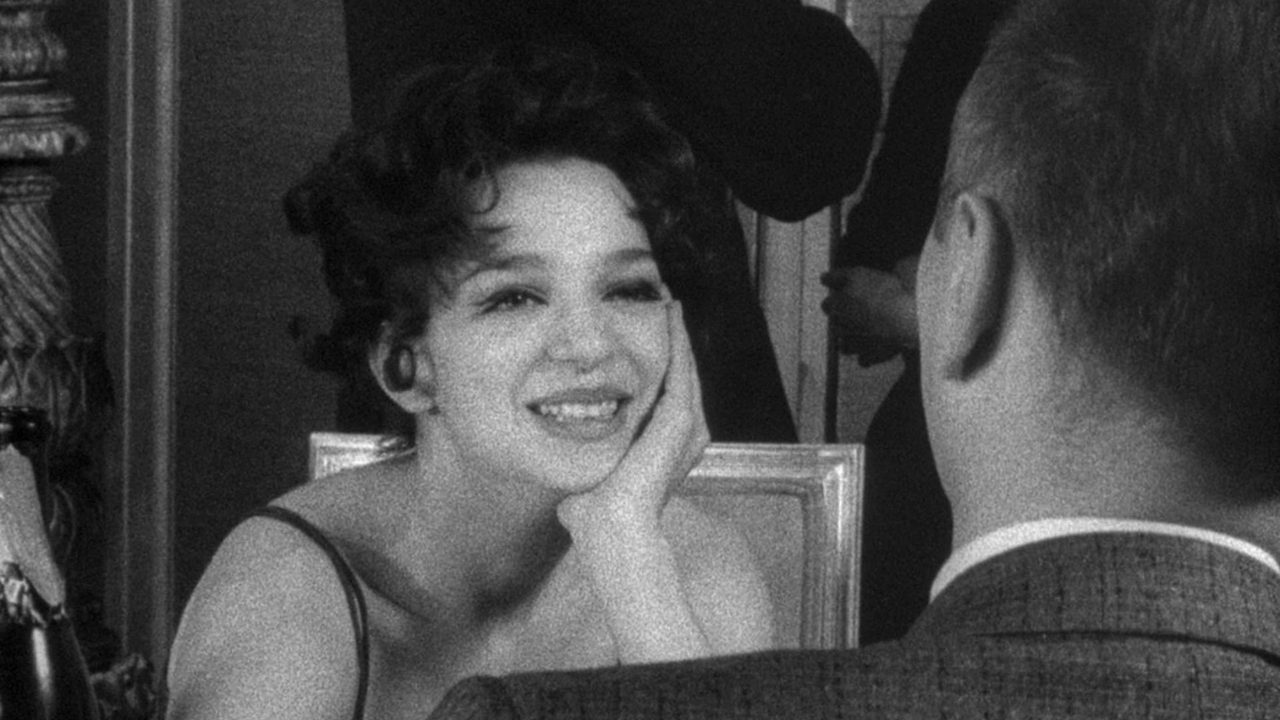
Lelia, a light-skinned black woman, lives with her brothers Hugh and Ben. At a party she leaves her older boyfriend David for Tony, a white man unaware her family is black.
- Netflix4.3/5
- IMDb7.2/1013,719 votes
- Rotten Tomatoes100%
Trailer
Plot summary
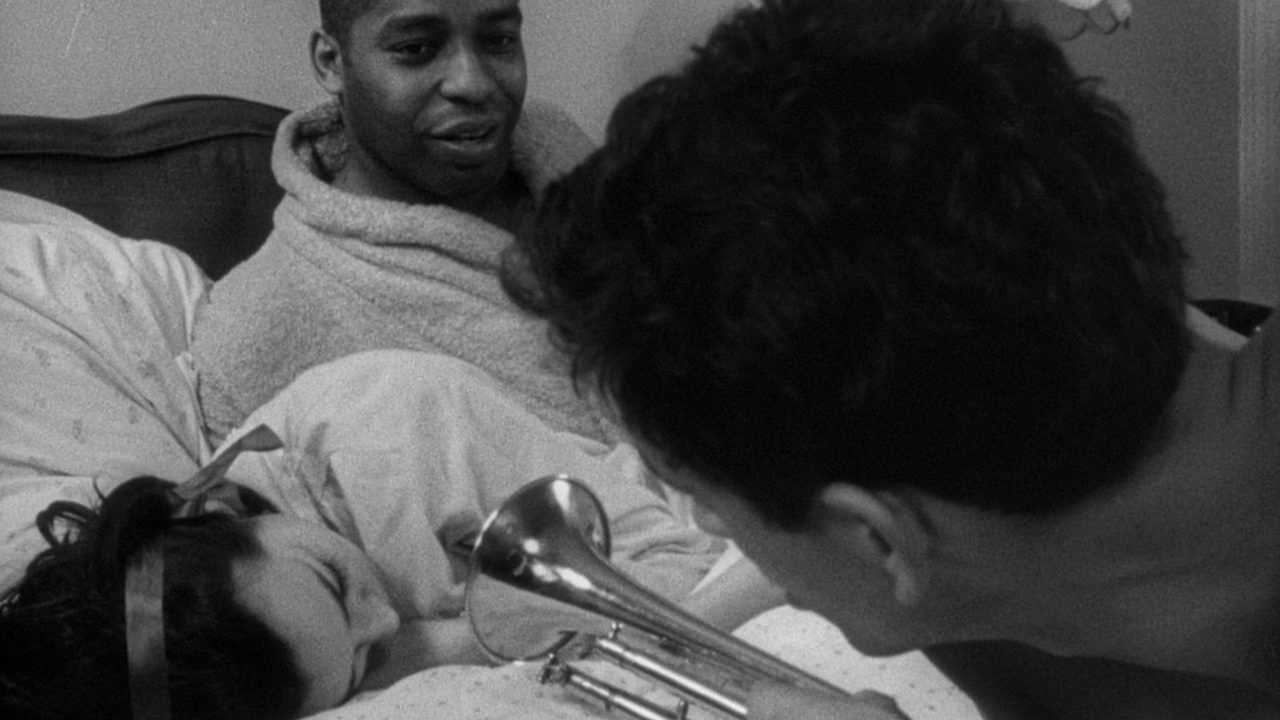
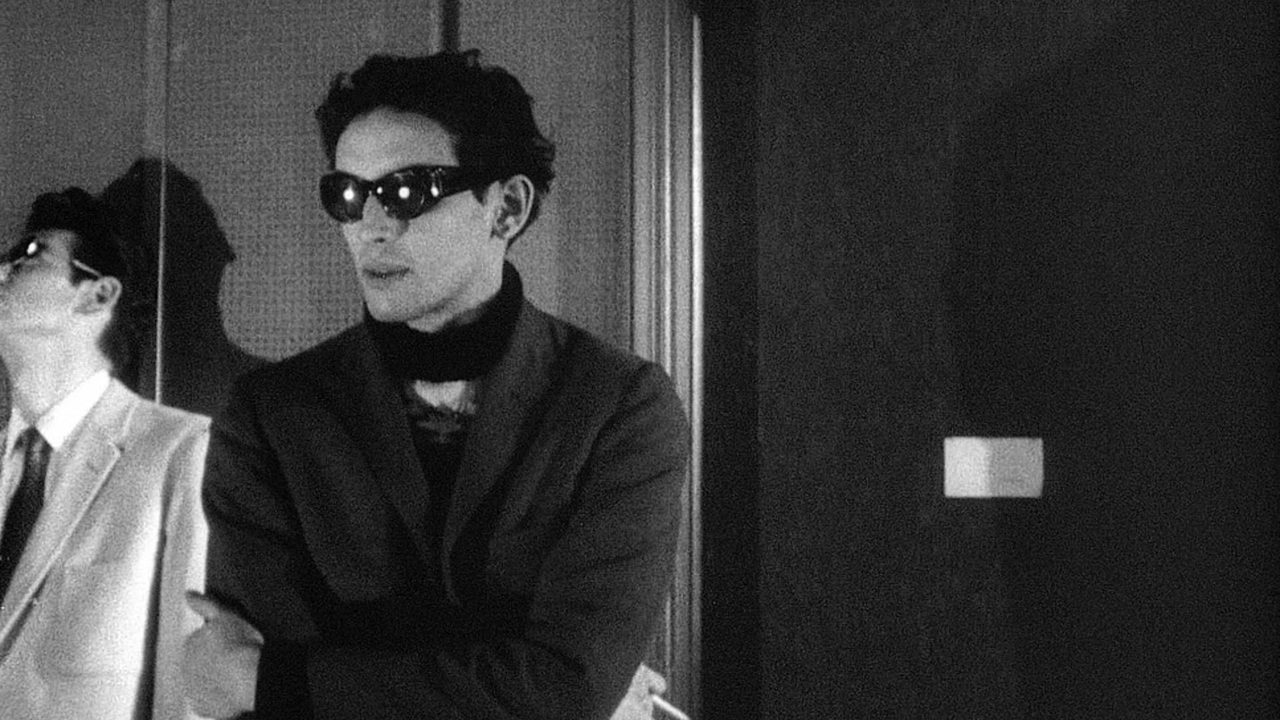
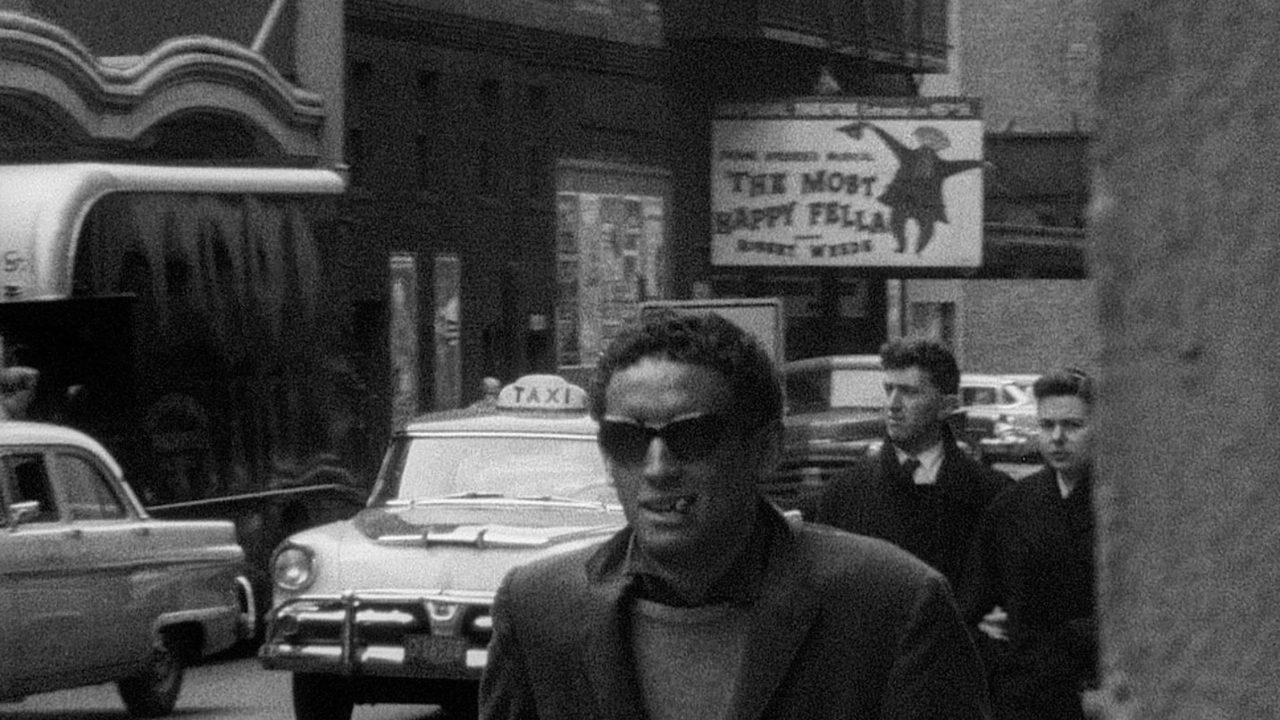
Lelia is a light-skinned black woman in New York who hopes to make art. Her older boyfriend, David, an intellectual, reads what she writes and offers criticism. She shares a place with her brothers: Hugh, a jazz singer whose dated vocal style keeps him short of work, and Ben, who dreams of playing jazz trumpet but passes his days drinking with Dennis and Tom. At a party Lelia drops David for Tony, a younger white man, and goes with him to his apartment, where he tells her he loves her. She has doubts about the night with Tony, but they agree to go on dating. When he walks her home, he sees that her family is black.
Cast
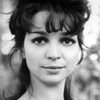
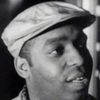
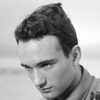



Did you know?!Facts and trivia about Shadows (1960)
Can contain spoilers, watch the movie first.
- The only print of the 1958 version of Shadows was left on a New York City subway train, sold with a box of unclaimed goods to a second-hand shop owner who stored it in a Florida attic, and in November 2003 was handed to film professor Ray Carney, who had hunted for it since the 1980s.
- John Cassavetes wanted Charles Mingus to score Shadows, and three hours of Mingus and his band were recorded and used in the 1958 version, but almost all of it was cut in the 1959 reworking; two of the Mingus pieces later appeared on the 1959 album Jazz Portraits: Mingus in Wonderland.
- Cassavetes threw out the first three weeks of shooting of Shadows, one for technical problems and two because he felt the actors were talking too much, and then made them perform a critical romantic scene more than 50 times before he was satisfied.
- Shadows turned the "concept of race upside down" for late-1950s audiences: Lelia Goldoni, who played Lelia, was born in the U.S. to Sicilian parents, Ben Carruthers was one-sixteenth black and used a sunlamp to darken his skin for the 1957 shooting, though not for the 1959 scenes.
- After Shadows was honored at the Venice Film Festival, the international publicity helped it become the first American film to see success outside of the Hollywood system, and it joined Pull My Daisy and Shirley Clarke's The Connection in establishing a new wave of American independent films.
- With no notes kept during shooting and sound recorded "wild" on tape rather than synchronized, editing Shadows was difficult; when the microphone missed dialogue, lip-readers watched the footage and wrote down what had been said so the actors could re-record it.