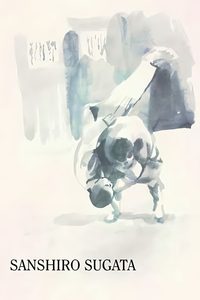
No Regrets for Our Youth (1946) on Netflix
Kyoto, 1933: Professor Yagihara loses his university post over his anti-fascist views. Two of his students, the fiery radical Noge and the moderate Itokawa, court his daughter Yukie.
- Netflix4.3/5
- IMDb7.1/104,552 votes
- Rotten Tomatoes100%
Trailer

Plot summary
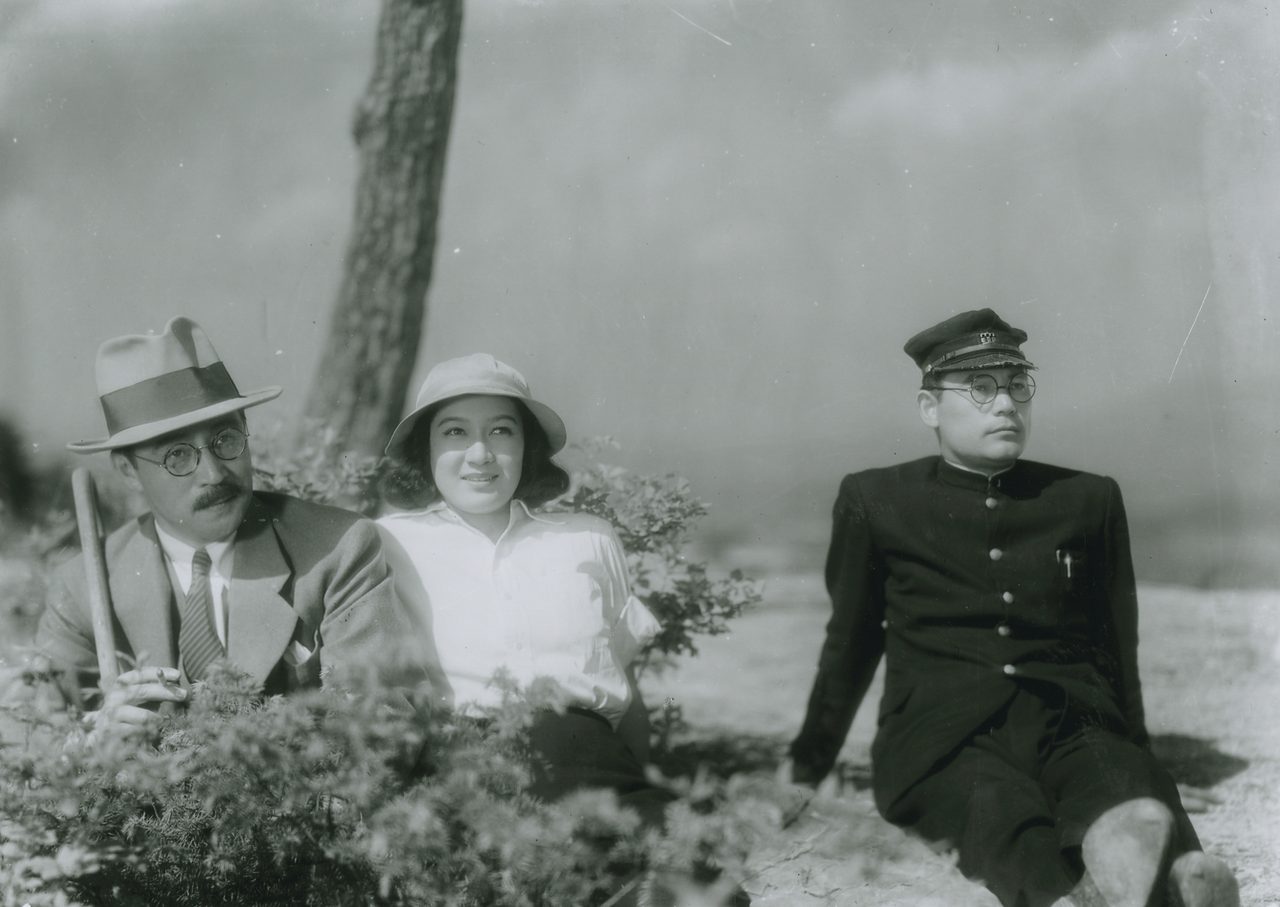
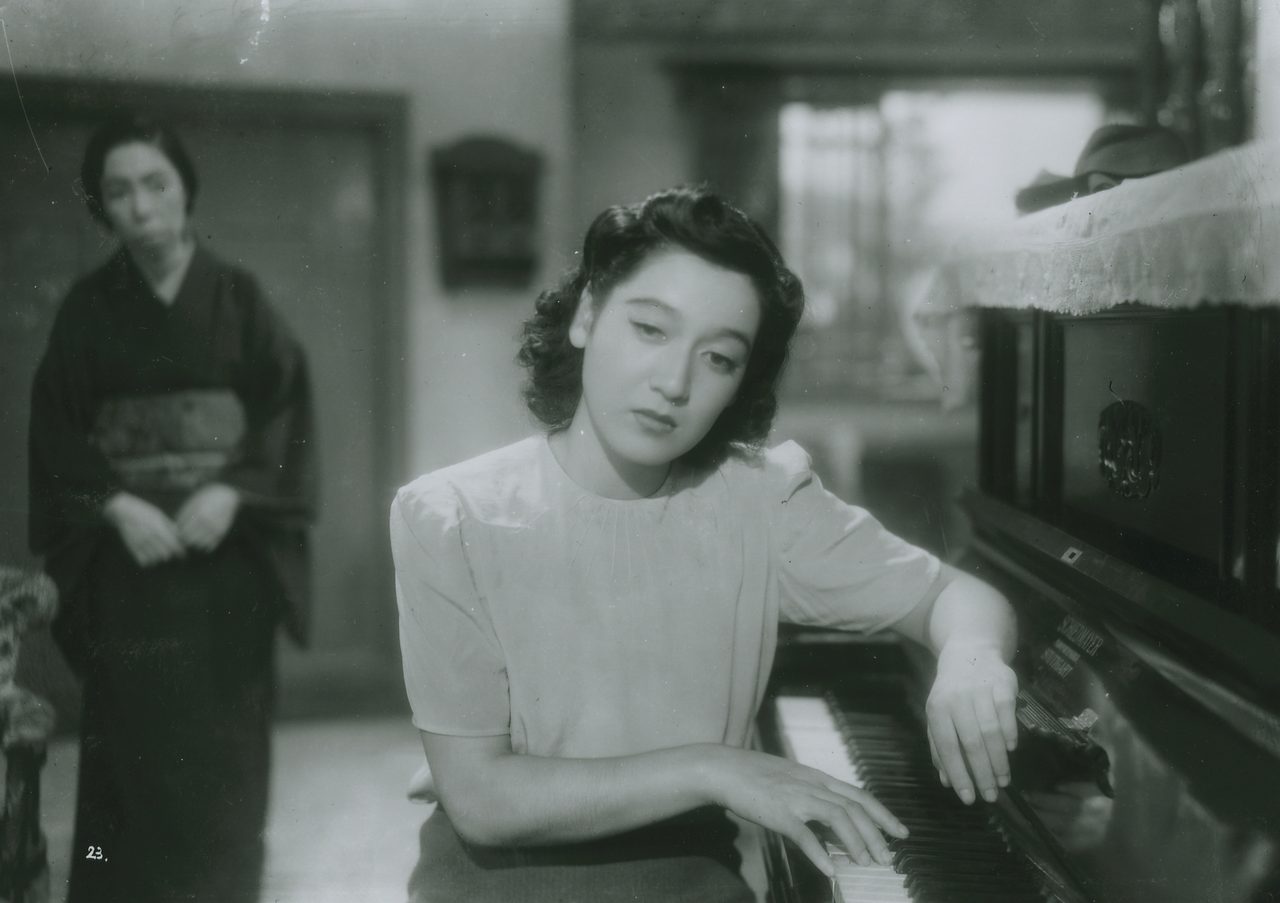
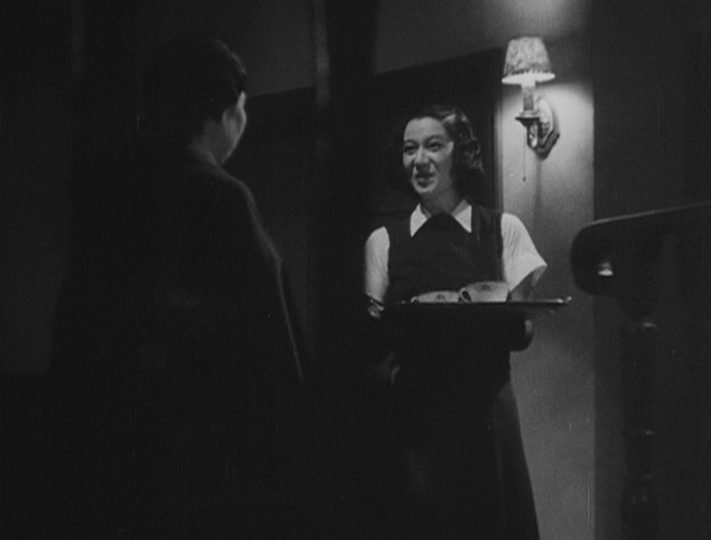
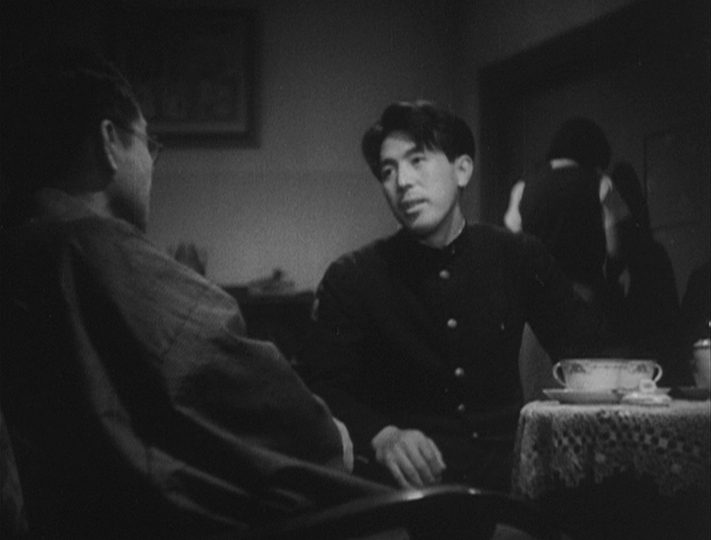
At Kyoto Imperial University in 1933, students demonstrate against Japan's invasion of Manchuria, and Professor Yagihara loses his teaching post over his opposition to fascism. Two of his pupils compete for the attention of his daughter Yukie. Ryukichi Noge is a fiery leftist radical; Itokawa is even-tempered and moderate. Yukie argues with Noge but finds herself drawn to him. Noge then disappears after an anti-militarist student protest, arrested and imprisoned for four years. By the time Itokawa, now a government prosecutor, tells her where Noge is, Noge has already been out of prison for a year. Itokawa warns her that Noge is not the man she remembers and brings him to the Yagihara house.
Cast








- Kazu Hikarias Detective


Did you know?!Facts and trivia about No Regrets for Our Youth (1946)
Can contain spoilers, watch the movie first.
- Toho's labor union production committee forced Akira Kurosawa to rewrite the second half of the film, judging his script too similar to a script by newcomer Kiyoshi Kusuda that was also about Hotsumi Ozaki; Kurosawa was indignant when the committee recanted after the film was finished.
- The film's opening titles originally named former Education Minister Ichirō Hatoyama as responsible for the Takigawa incident; Kurosawa later explained that Toho made him delete the name because it would have been upsetting.
- Susumu Fujita's character was inspired by the real Hotsumi Ozaki, who assisted the Soviet spy Richard Sorge and became the only Japanese citizen to suffer the death penalty for treason during World War II.
- The film opened while the Toho labor union was on strike, and management decided to release it in Nikkatsu theatres over the protests of the filmmakers.