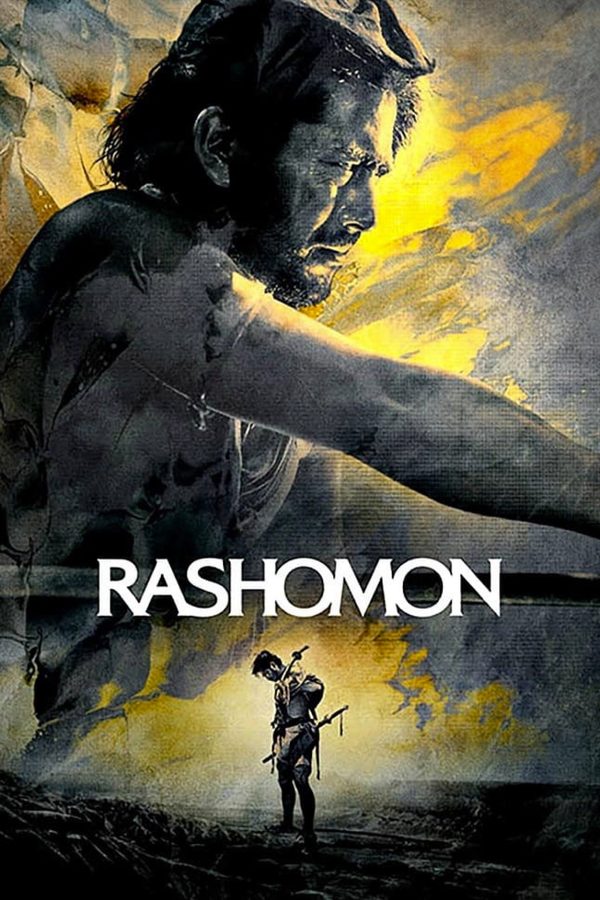
Rashomon (1950) on Netflix
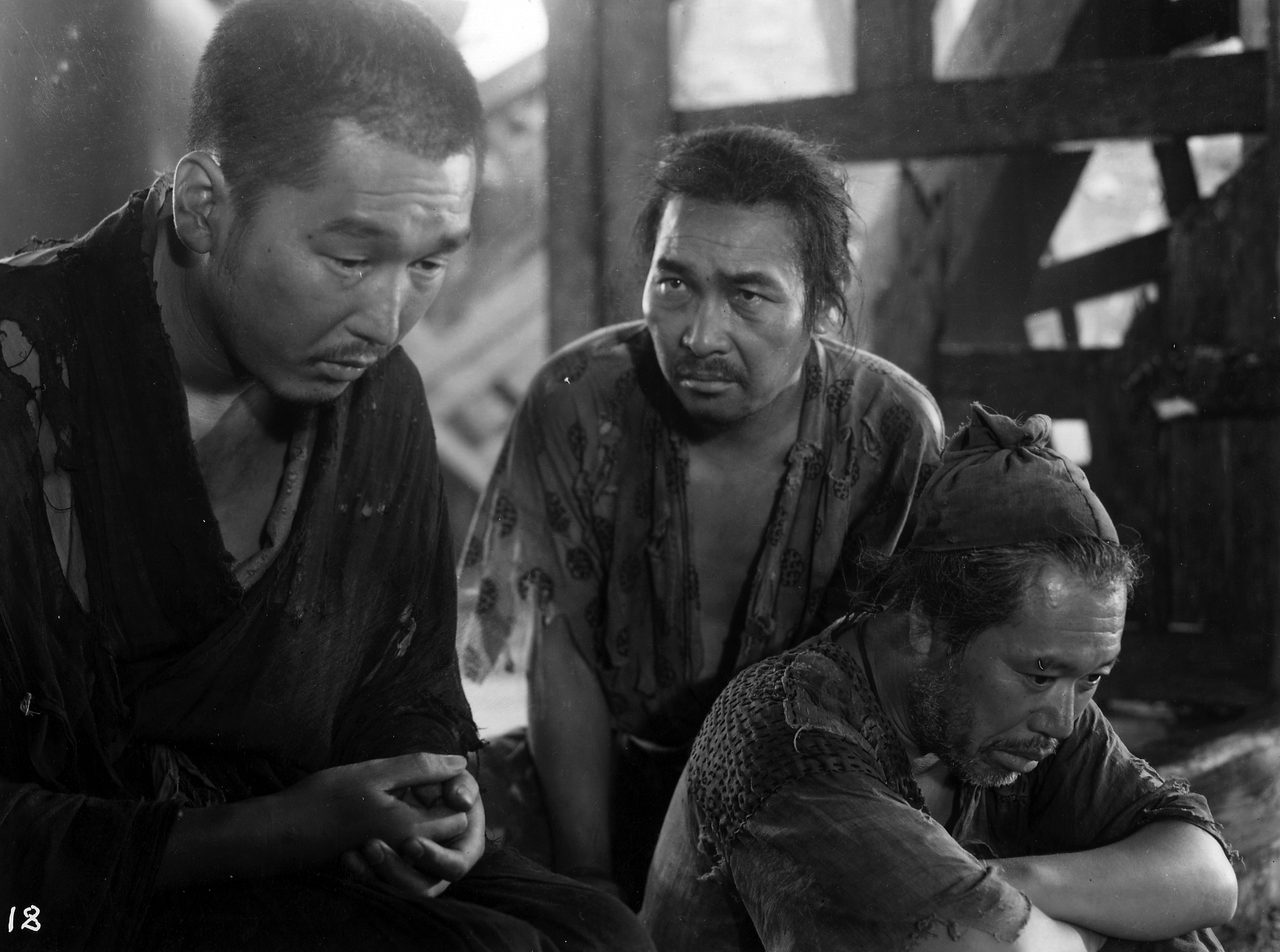
A woodcutter, a priest and a commoner shelter from a downpour and discuss a murder trial. A bandit, a samurai's wife and a dead man's voice each tell a different story.
- Netflix3.8/5
- IMDb8.1/10198,791 votes
- Rotten Tomatoes98%
Trailer

Plot summary
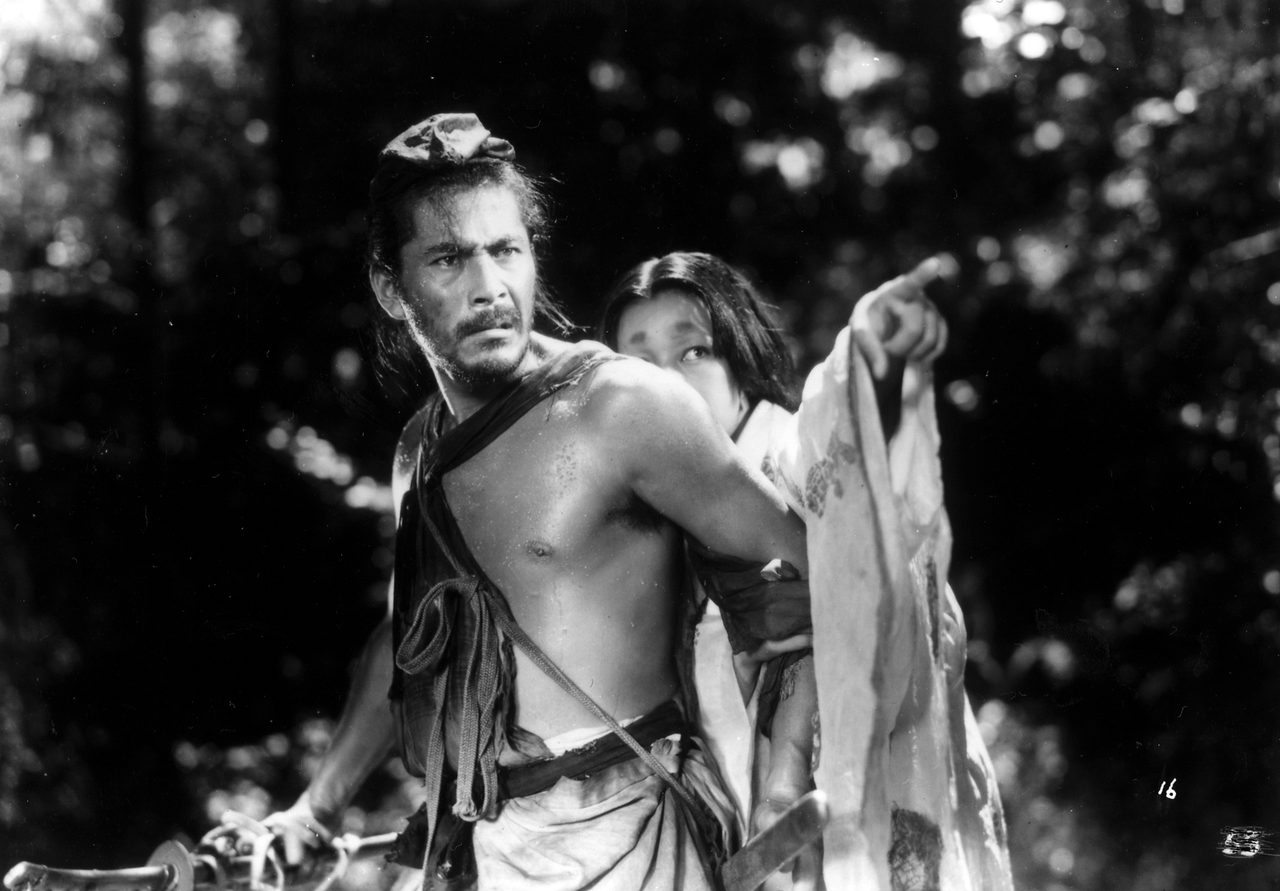
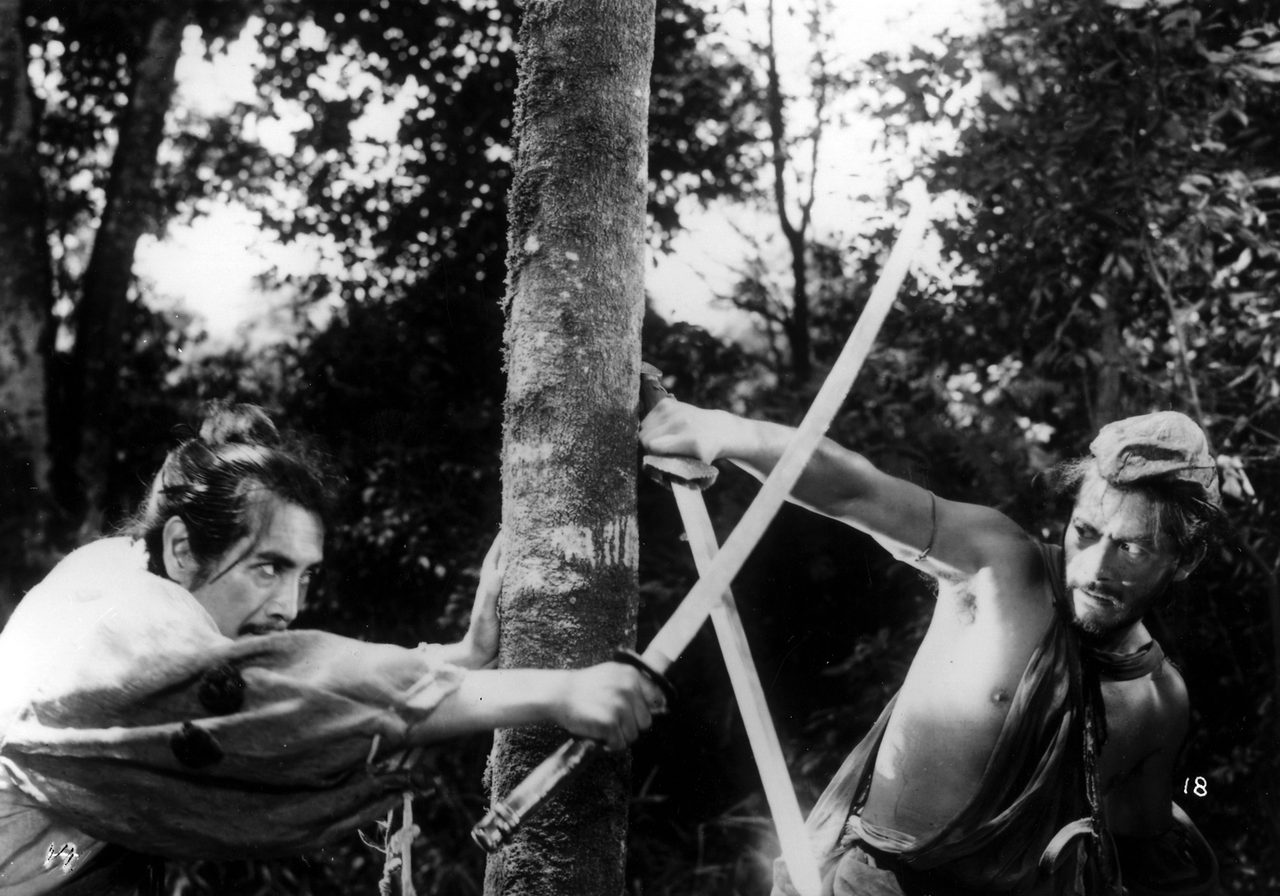
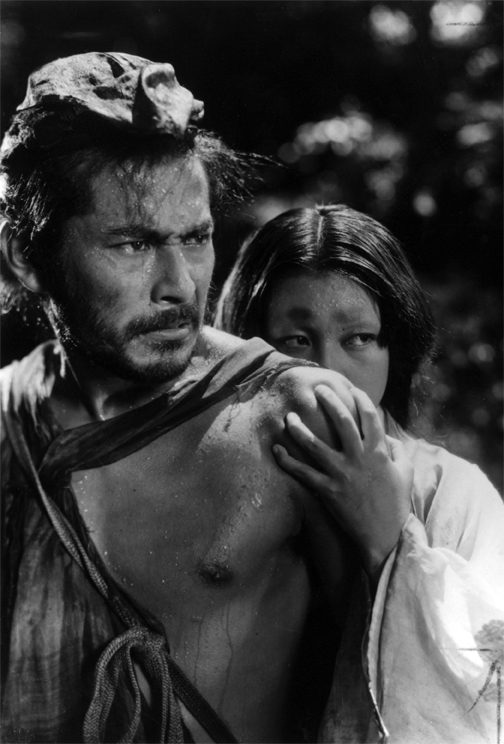
In Heian-era Kyoto, three men wait out a rainstorm in the ruins of the Rashômon gate: a woodcutter, a priest and a commoner who joins them. The woodcutter and the priest have just given evidence at a murder inquiry and cannot reconcile what they heard. The woodcutter found a samurai's body in a grove three days earlier, near a rope, two hats and an amulet; the priest had passed the samurai and his wife on the road. A captured bandit named Tajômaru, the wife, and the samurai himself speaking through a medium each describe what happened in the grove, and their accounts contradict one another.
Cast


Did you know?!Facts and trivia about Rashomon (1950)
Can contain spoilers, watch the movie first.
- Rashomon's score drew accusations of plagiarism for its resemblance to Maurice Ravel's Boléro; Ravel's publisher sent the composer Fumio Hayasaka a letter of protest after the French release, and in late 1950 the film was vetoed from Japan's selection list for the 4th Cannes Film Festival over copyright concerns.
- Rashomon won the Golden Lion at the 12th Venice International Film Festival and became the first Japanese film to attain significant international reception, earning roughly $800,000 abroad.
- Kurosawa's regular studio Toho cancelled Rashomon because it was seen as a financial risk; two years later Sōjirō Motoki pitched it to Daiei, which turned it down before finally agreeing to produce it.
- Rashomon pioneered the Rashomon effect, a plot device in which various characters give subjective, alternative and contradictory versions of the same incident.
- The rain in the scenes at the Rashomon gate had to be tinted with black ink, because camera lenses could not capture the water that was pumped through hoses.
- Kurosawa wanted Setsuko Hara, the lead of his No Regrets for Our Youth, for the wife, but she was not cast because her brother-in-law, filmmaker Hisatora Kumagai, opposed it; she instead appeared in his next film, The Idiot.
- Daiei executives recommended Machiko Kyō for the wife because they thought she would make the film easier to market, and Kurosawa cast her after she shaved her eyebrows before a make-up test.
- For the unlit forest scenes, cinematographer Kazuo Miyagawa used eight mirrors to bounce natural sunlight, and stretched a baseball net covered in leaves above the actors, adjusting it with a bamboo pole so leaf shadows fell on their faces.