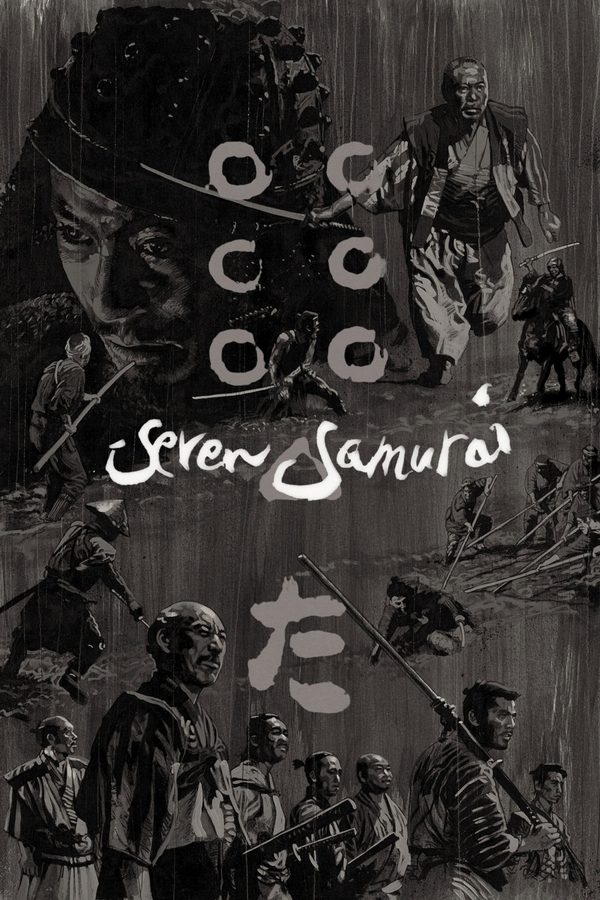
Trailer

Plot summary
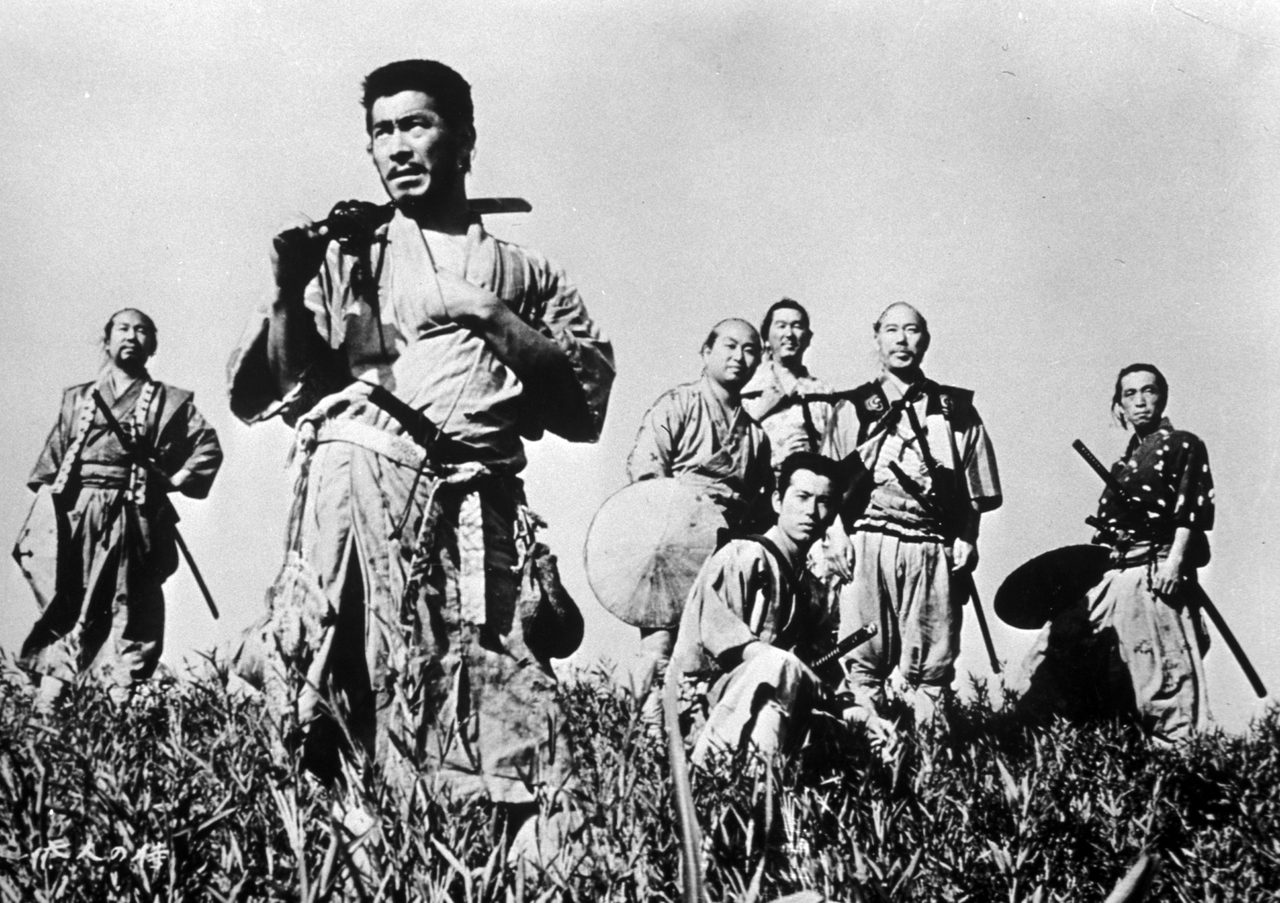
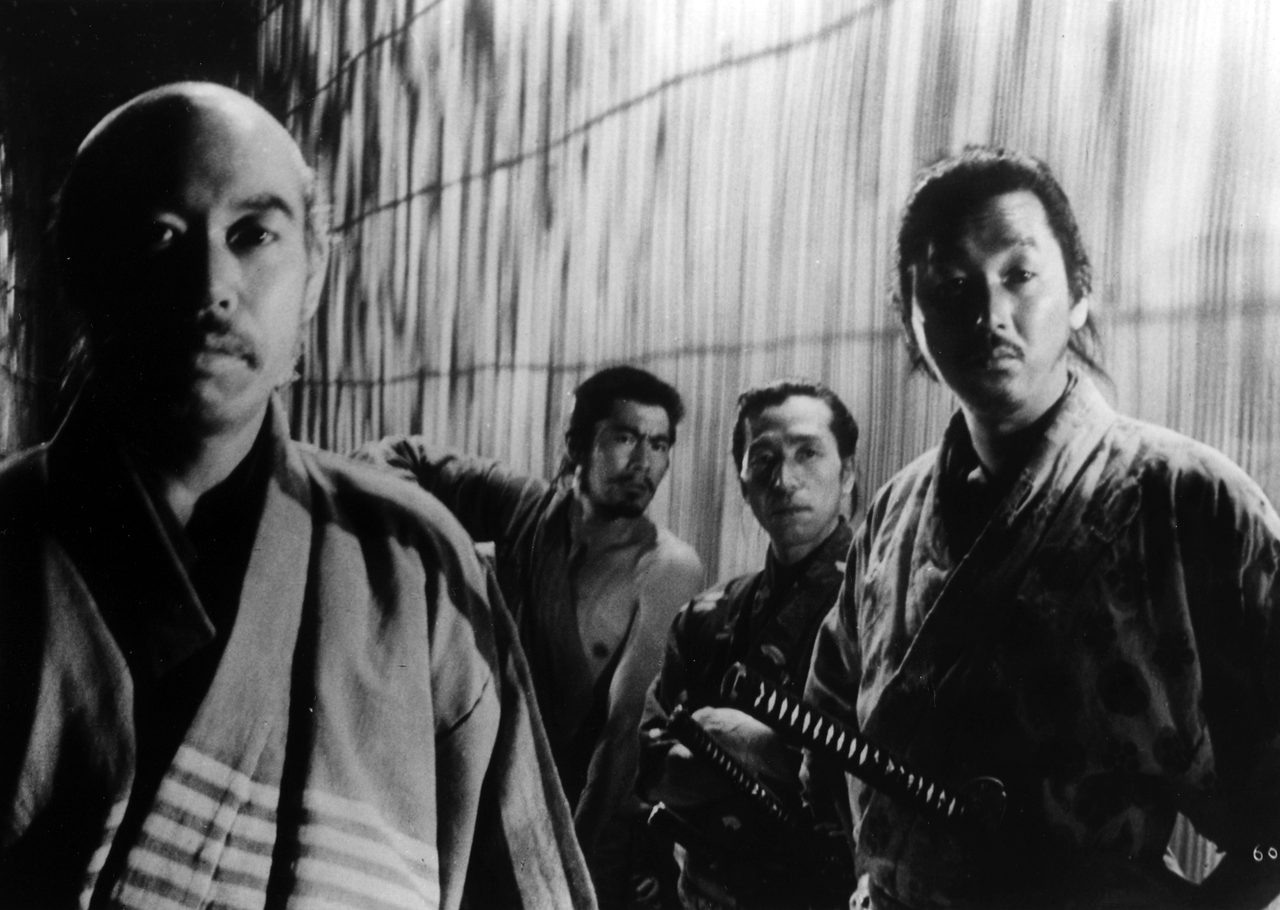
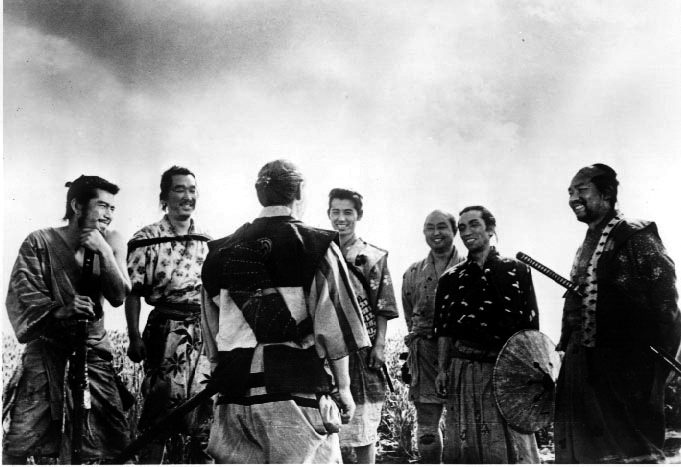
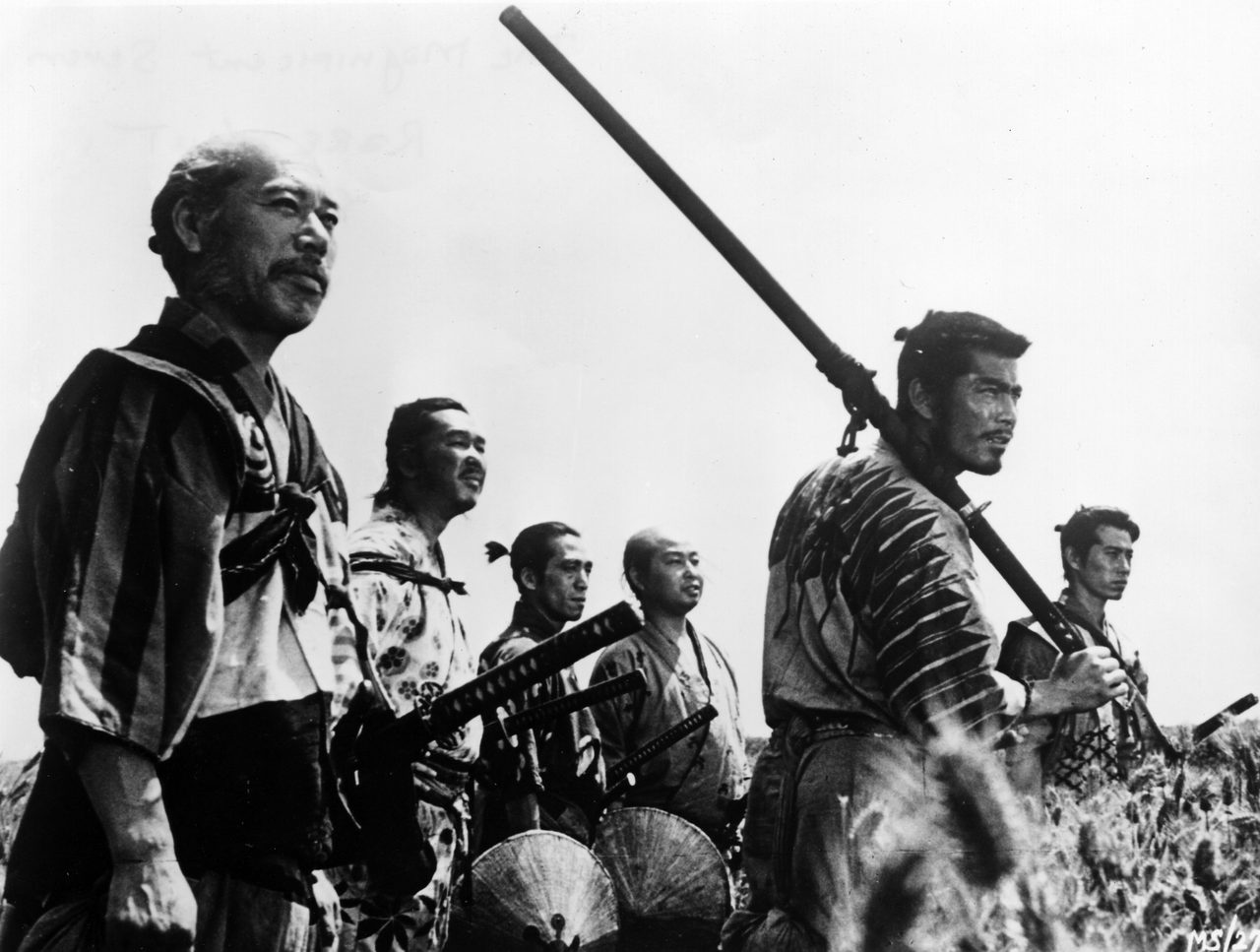
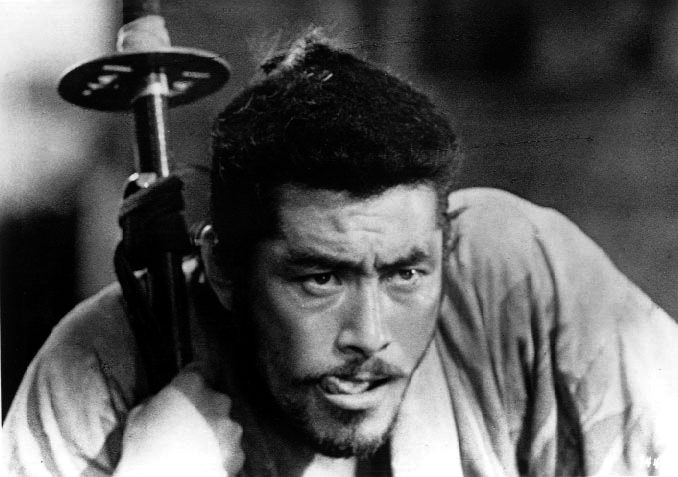
In a mountain village in sixteenth-century Japan, farmers learn that a bandit gang intends to raid them once the barley is harvested. On the advice of the village elder Gisaku, they go to a nearby town to find samurai who will work for food alone. There they approach Kambei Shimada, an experienced rōnin who agrees to help and recruits others to his side. Gorobei Katayama becomes his second; Shichirōji, Heihachi and the swordsman Kyūzō join them, and Kikuchiyo, a wild man who calls himself a samurai, attaches himself to the group. The villagers receive the seven coldly at first, but the samurai survey the land around the village and begin drilling the peasants for the fight ahead.
Cast
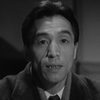
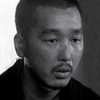
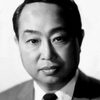
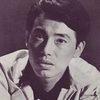




Did you know?!Facts and trivia about Seven Samurai (1954)
Can contain spoilers, watch the movie first.
- Midway through production, Seven Samurai ran out of money and shooting was suspended in September 1953. Kurosawa, confident that Toho would back his direction, spent the break fishing, and the studio resumed financing the film on October 3.
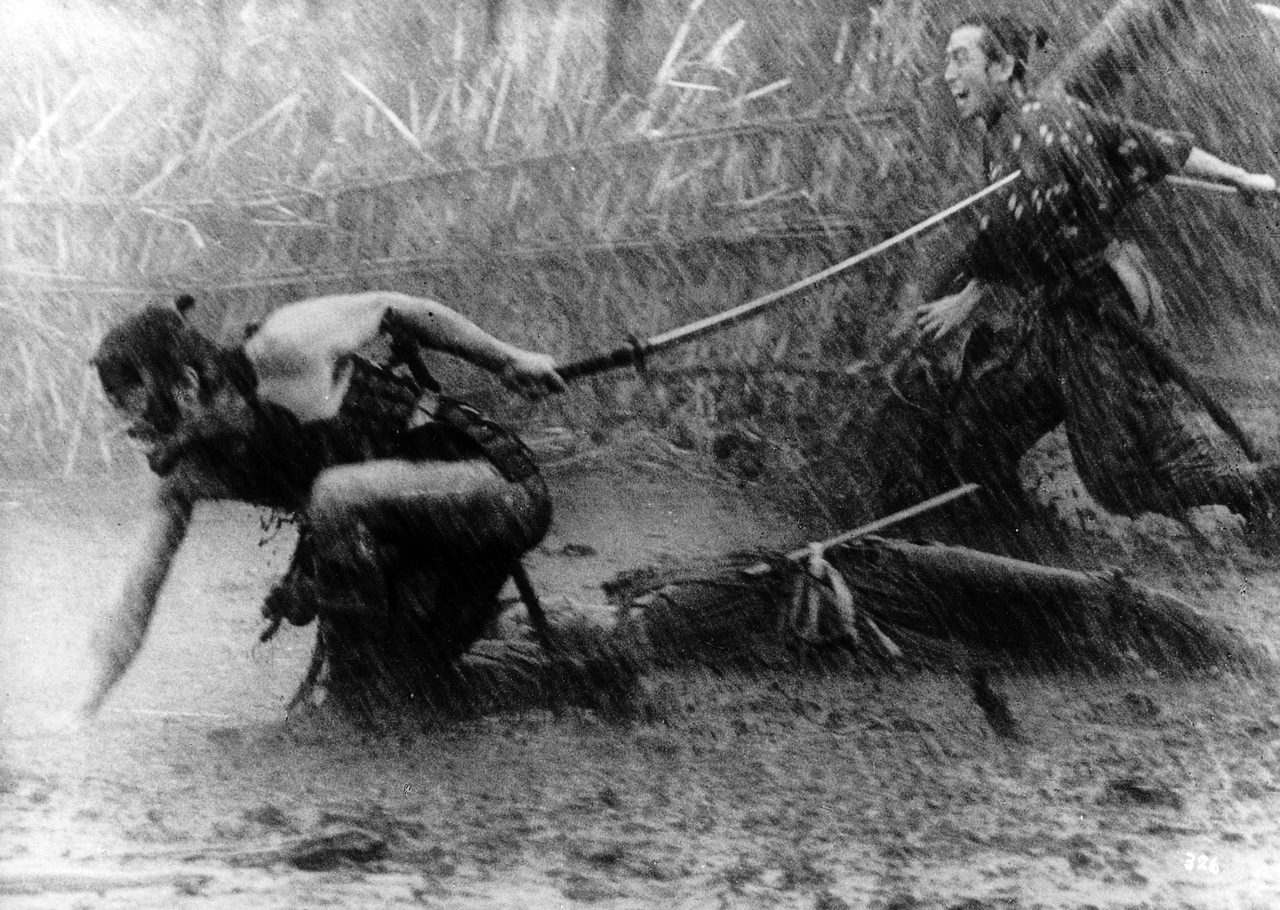
- Kurosawa saved the final battle for last, shooting it in midwinter, because he believed the studio would have forced him to stop production had he filmed it earlier. He, Hashimoto and Oguni kept the battle's contents secret from the cast and crew.
- Forty horses were brought in for the film, but getting them to the five different village locations proved logistically impossible, so the production used local horses that were painted to look the same.
- Yoshio Tsuchiya, who played the villager Rikichi and was still an acting student when hired, asked for a ten-day holiday after three months on set. Kurosawa refused, but fearing the actor would leave, invited him to live with his family, which he did for two years.
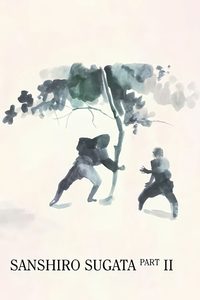
- The expert swordsman Kyuzo was a part originally intended for Mifune before Kikuchiyo was written, and went instead to Seiji Miyaguchi, a stage actor who had worked with Kurosawa since Sanshiro Sugata (1943).
- Kurosawa, Oguni and Hashimoto sued Toho to reclaim compensation and rights after re-releases of Seven Samurai and the three sequels to the American Magnificent Seven. In 1978 the Tokyo District Court ruled they had licensed only a single remake and faulted MGM and United Artists.
- Composer Fumio Hayasaka, suffering from tuberculosis and using an oxygen tank while discussing the work with arranger Masaru Satō, turned down other offers and wrote 300 orchestral sketches for Seven Samurai in about two months.
- For the climactic battle, Kurosawa used a multi-camera setup, placing three cameras at differing angles and using telephoto lenses so the footage would capture the momentum of large numbers of fighters and adjust the audience's perception of the action.