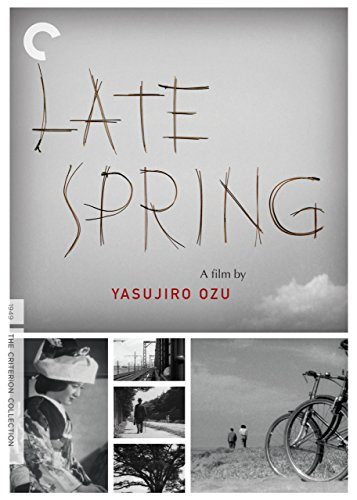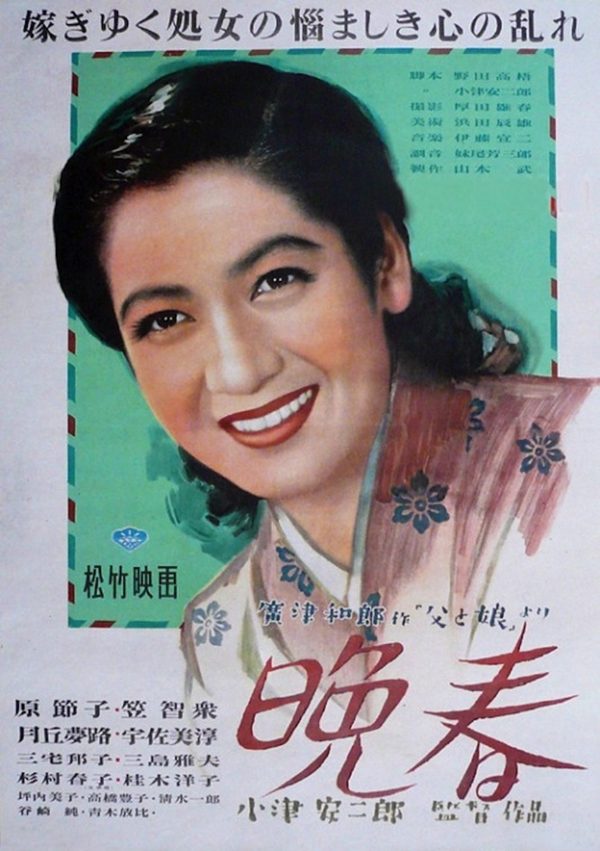
Late Spring (1949) on Netflix
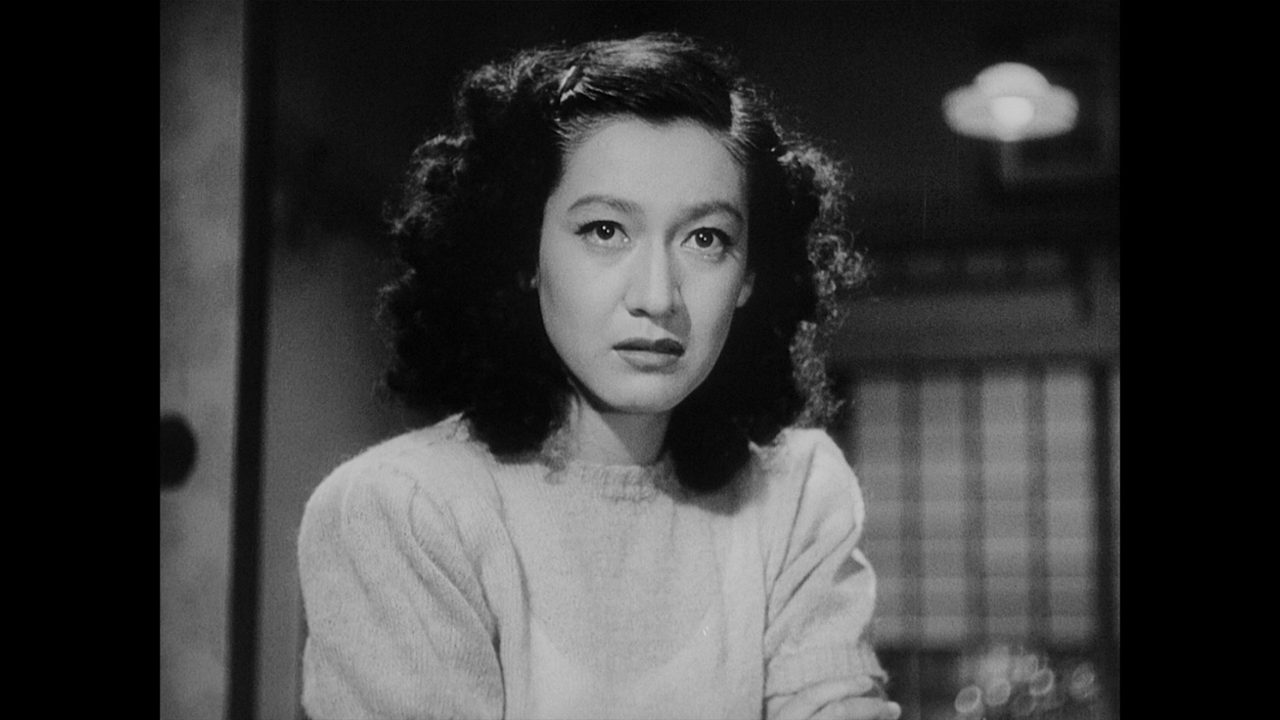
Noriko Somiya, twenty-seven, looks after her widowed father, Shukichi Somiya, in postwar Tokyo. She will not marry and leave him, and her aunt Masa Taguchi presses her to meet a suitor.
- Netflix4.6/5
- IMDb8.2/1021,971 votes
- Rotten Tomatoes100%
Featurette

Plot summary
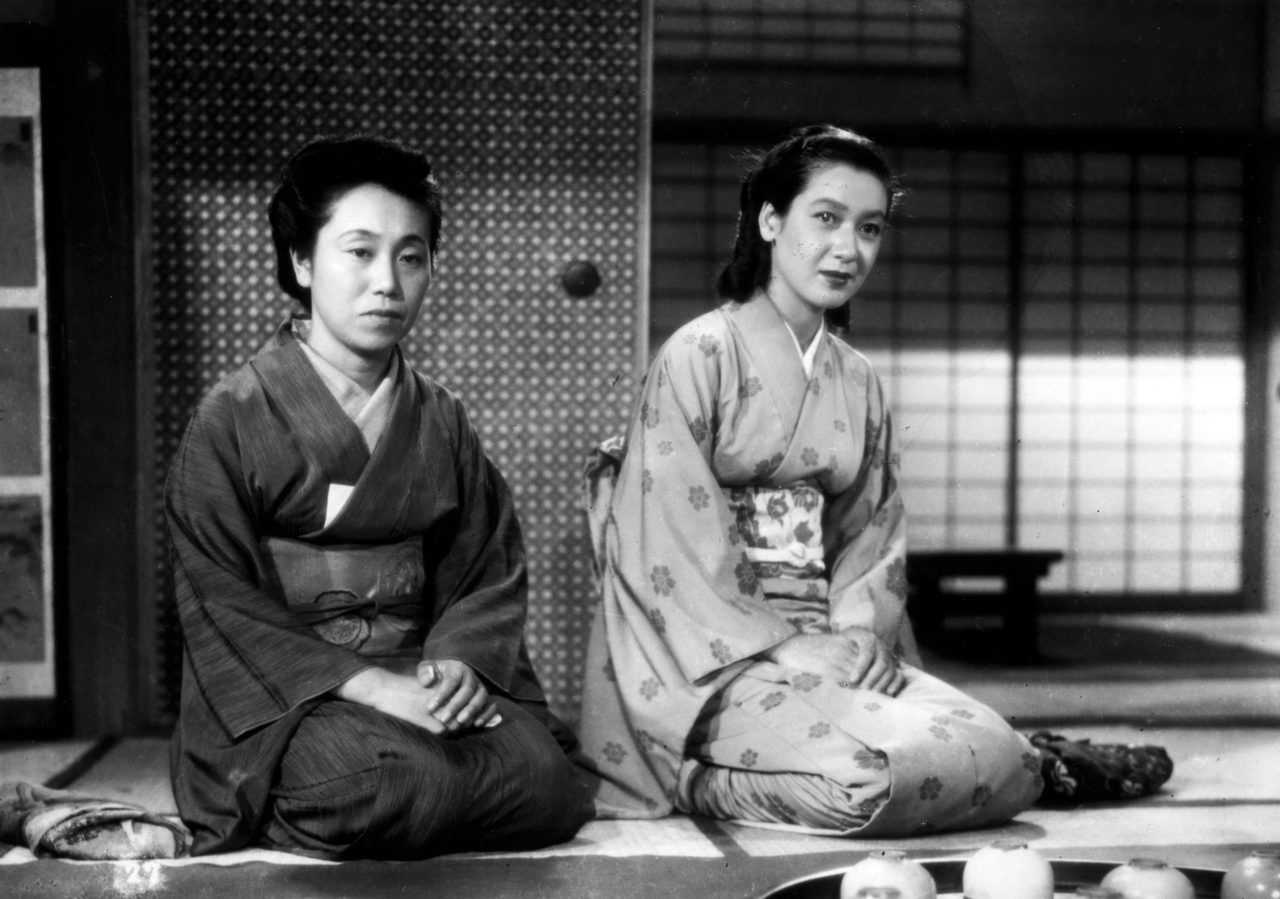
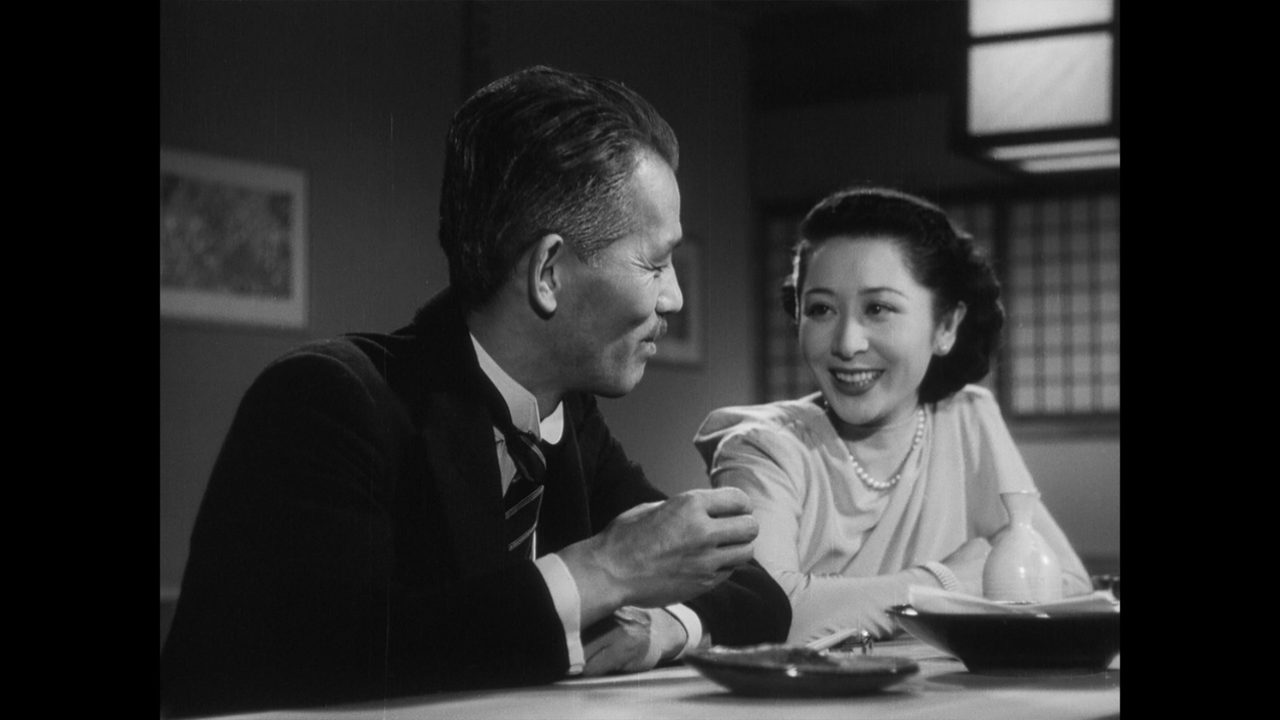
In postwar Japan, Noriko Somiya, twenty-seven, keeps house for her widowed father, Professor Shukichi Somiya, and has no wish to marry. On a shopping trip to Tokyo she meets his friend Jo Onodera, who has remarried, and tells him she finds the idea distasteful. Her aunt Masa Taguchi tells Shukichi that his daughter must be married off soon, and suggests his assistant Hattori, whom Noriko laughs off because he is already engaged. Masa then proposes a meeting with Satake, a Tokyo University graduate, and Noriko refuses, unwilling to leave her father on his own. Masa answers that she is arranging a match between Shukichi and Mrs. Miwa, a young widow.
Cast

- Hôhi Aokias Katsuyoshi


- Jun Tanizakias Seizô Hayashi


Did you know?!Facts and trivia about Late Spring (1949)
Can contain spoilers, watch the movie first.
- Under Allied Occupation censorship, officials demanded that Aunt Masa, who finds a lost change purse and keeps it as a good-luck totem for the wedding, be shown handing it to the police. Ozu turned this into a running gag in which Professor Shukichi repeatedly and futilely urges his sister to turn the purse in.
- To keep his signature static compositions while characters walk or ride, Ozu moved the camera on a dolly at exactly their speed, driving cameraman Yuharu Atsuta to tears by insisting actors and technicians count their steps precisely during tracking shots.
SPOILER
In Kazuo Hirotsu's novel the father's announcement that he plans to remarry is only initially a ruse and he does marry again. Ozu and co-writer Kogo Noda deliberately rejected that "witty" ending so Professor Somiya would be left alone and inconsolable at the end.- The Occupation censors deleted a script line in which Professor Shukichi tells Onodera's wife in Kyoto that her city is nice, unlike Tokyo with all its ruins, reading it as an implied critique of the Allies. The finished film calls Tokyo "hokorippoi" ("dusty") instead.
- The Occupation censors first automatically deleted a script reference to Hollywood star Gary Cooper, then reinstated it once they saw the comparison was to Noriko's unseen suitor Satake, described as attractive, and so flattering to the American actor.
- By 1949 Ozu had not worked with his old friend Kogo Noda for fourteen years. Their reunion on Late Spring was so harmonious and successful that Ozu wrote exclusively with Noda for the rest of his career.
- In 1950 Late Spring became the fifth Ozu film overall, and the first of his postwar works, to top the Kinema Junpo poll as Japanese critics' Best Film of 1949. It also won four Mainichi Film Awards that year: Best Film, Best Director, Best Screenplay and Best Actress for Setsuko Hara.
- When actress Haruko Sugimura, who played Aunt Masa, asked Ozu what her character was supposed to be feeling at a given moment, he told her, "You are not supposed to feel, you are supposed to do."