Trailer

Plot summary
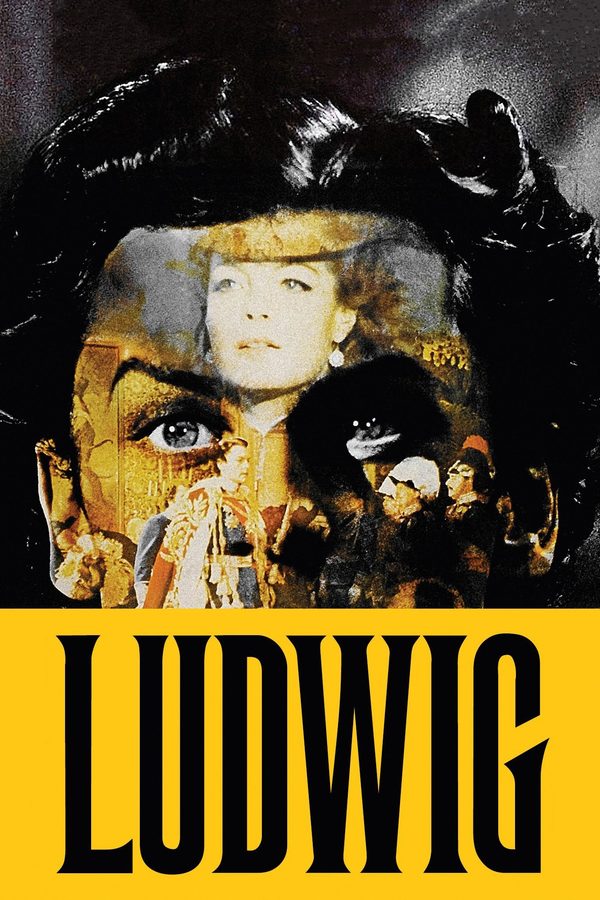
Munich, 1864. Ludwig II, eighteen years old, takes the Bavarian throne. His first royal act is generous funding for Richard Wagner, an inspired composer deep in debt, who moves to Munich at the king's request. The cabinet is baffled by this devotion to the arts and angry at the composer's costly way of living. Ludwig hopes for a loyal friend in Wagner. His cousin, the Empress Elisabeth of Austria, is independent and charismatic; the two meet with other aristocratic families at Bad Ischl, draw close and share a kiss, yet Elisabeth is more interested in arranging a match between Ludwig and her cultivated sister Sophie, and the king ignores Sophie. Disappointed in Wagner and in Elisabeth, Ludwig withdraws from public life into dream worlds. Count Dürckheim, his close confidant, advises him to marry so as to avoid loneliness.
Cast





- Izabella Telezynskaas Queen Mother







Did you know?!Facts and trivia about Ludwig (1973)
Can contain spoilers, watch the movie first.
- The depiction of Ludwig's homosexuality caused controversy in Bavaria, where the king was admired by many Conservatives; among the critics was Franz Josef Strauß, who attended the premiere, after which the distributors cut another 55 minutes without Visconti's consent, reducing the film to two hours.
- During the last stages of production, on July 27, 1972, Visconti suffered a stroke; screenwriter Enrico Medioli claimed the illness was caused by the sudden transition from the cold of the Austrian countryside to the heat of the Cinecittà soundstages.
- Luchino Visconti was himself a distant relative of Ludwig II, through Margarete von Bayern and Federico I Gonzaga, and saw the loner and esthete monarch as "the last absolutist ruler who preferred to rule with art rather than politics".
- The film was restored to its four-hour length by its editor Ruggero Mastroianni and screenwriter Suso Cecchi d'Amico in 1980, four years after Visconti's death, and had its premiere at the Venice Film Festival.