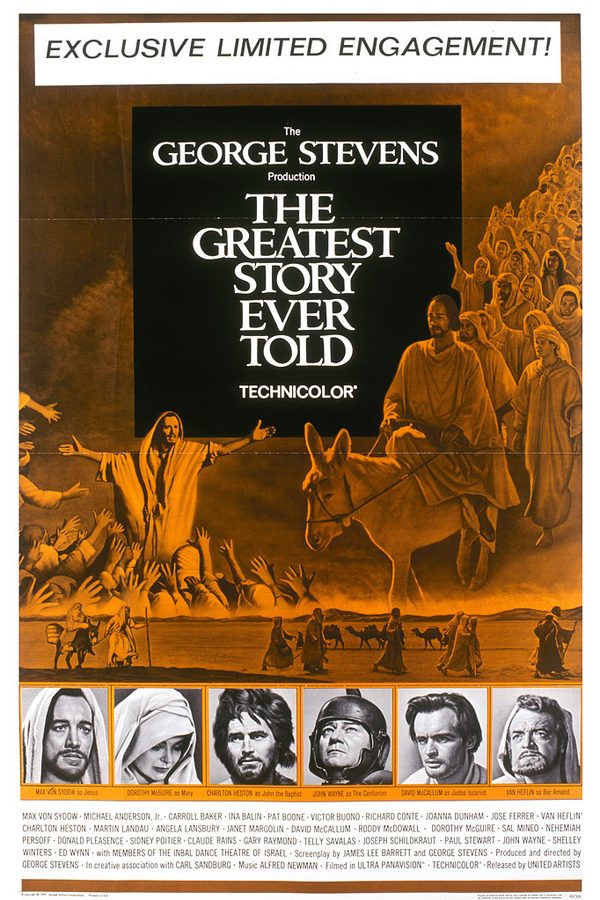
The Greatest Story Ever Told (1965) on Netflix
G19653h 19mBiographyDramaHistory
Three Wise Men follow a star to Jerusalem and tell King Herod of a Messiah foretold in Bethlehem. Warned by an angel, Mary and Joseph escape with their infant son, Jesus.
- Netflix3.7/5
- IMDb6.6/1013,601 votes
- Rotten Tomatoes42%
Trailer

Plot summary
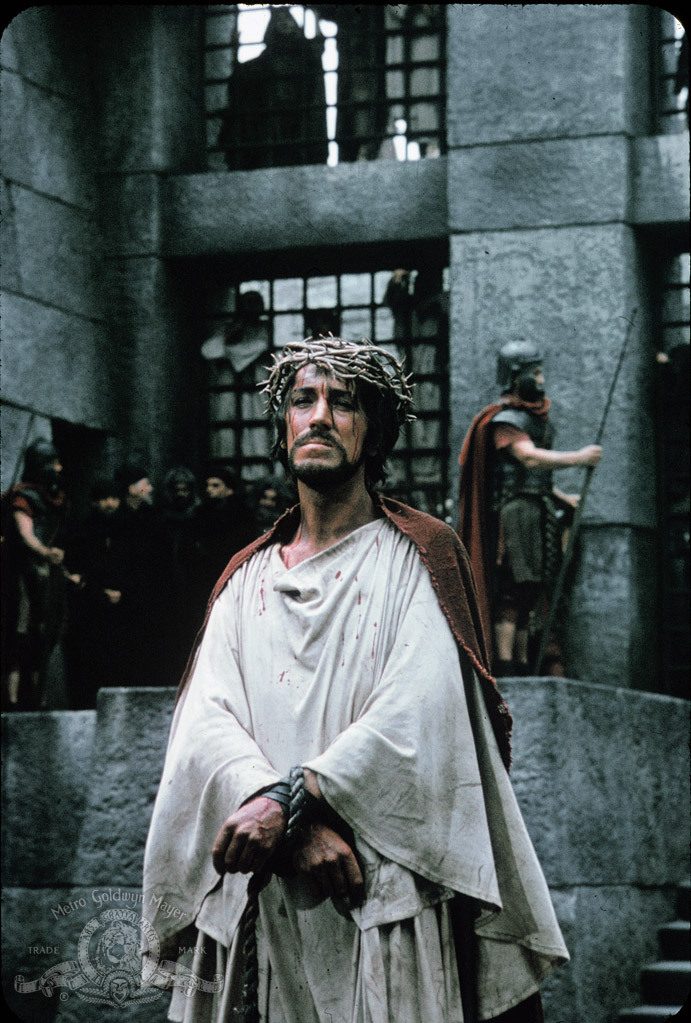
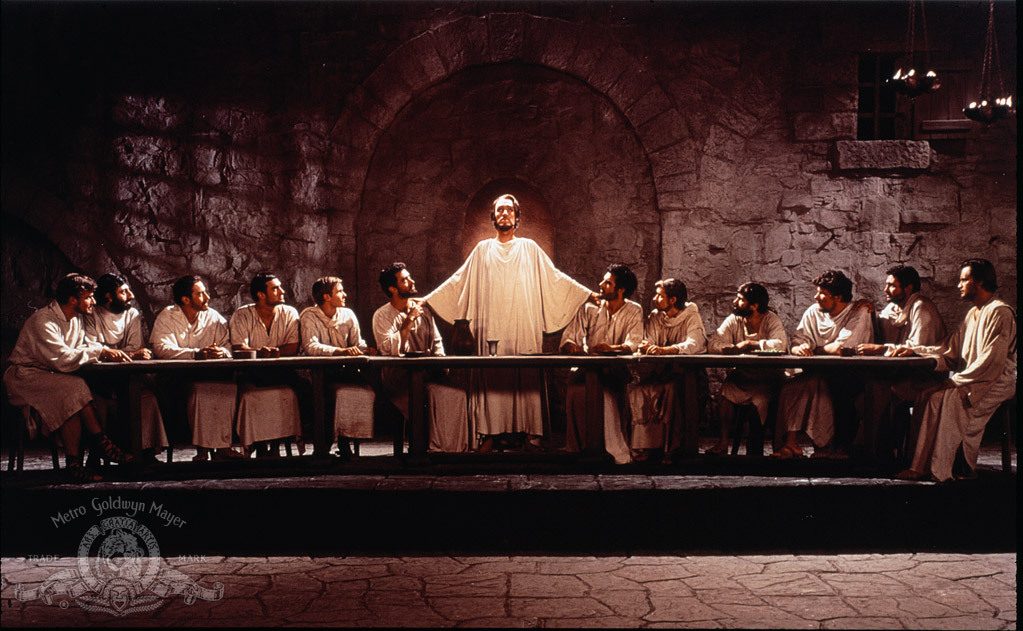
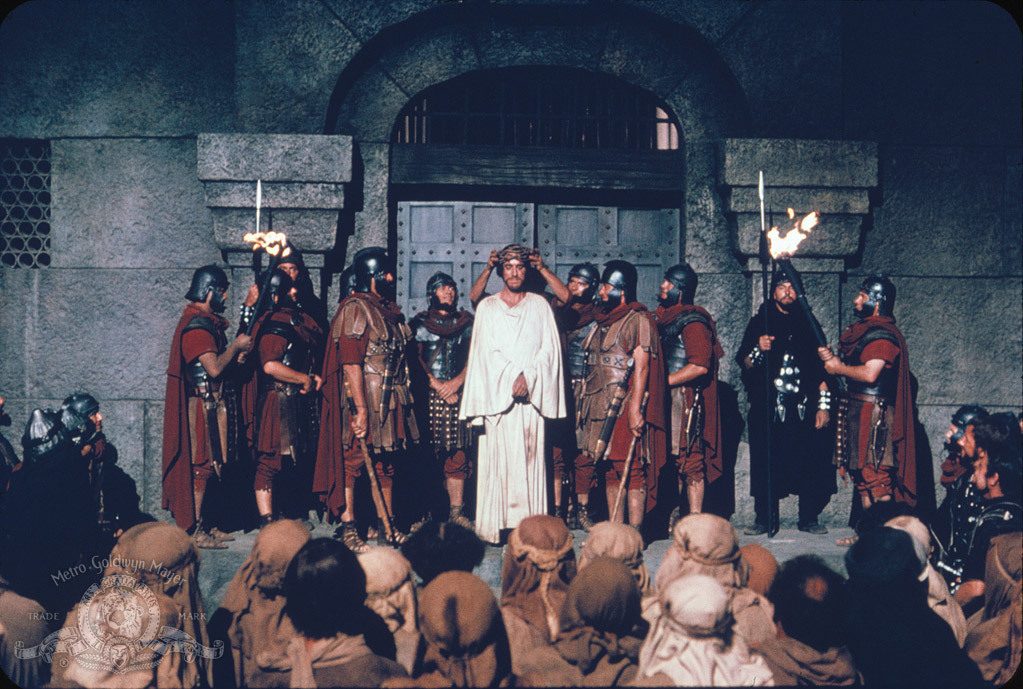
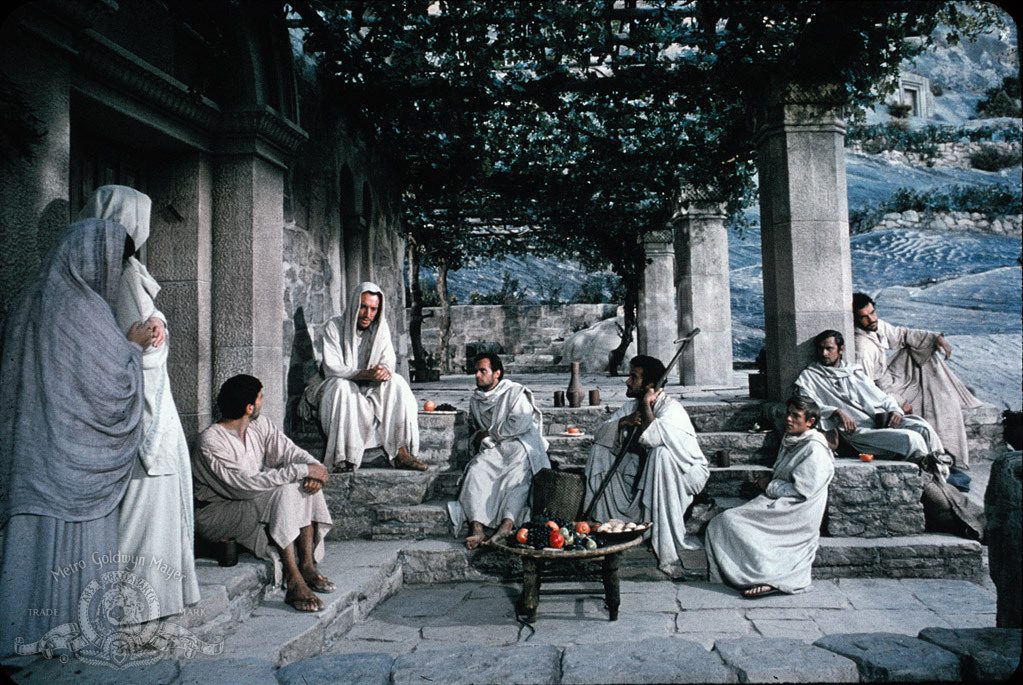
Wise Men arrive in Jerusalem after following a star, and King Herod learns that a Messiah is foretold in Bethlehem. Herod has spies follow the child in secret. The visitors find Mary and Joseph in a stable and give the infant Jesus their gifts. An angel warns the family, and they escape to Egypt before Herod orders the killing of Bethlehem's male infants. After Herod dies, they return and settle in Nazareth. Judea is under Roman rule years later. John the Baptist calls people to repent at the Jordan River, and Jesus comes to be baptized by him. He then goes into the wilderness, where a mysterious Dark Hermit offers three temptations that he resists. In Galilee he gathers disciples, among them the fishermen Peter, Andrew and John and the skeptical Judas Iscariot.
Cast


Did you know?!Facts and trivia about The Greatest Story Ever Told (1965)
Can contain spoilers, watch the movie first.
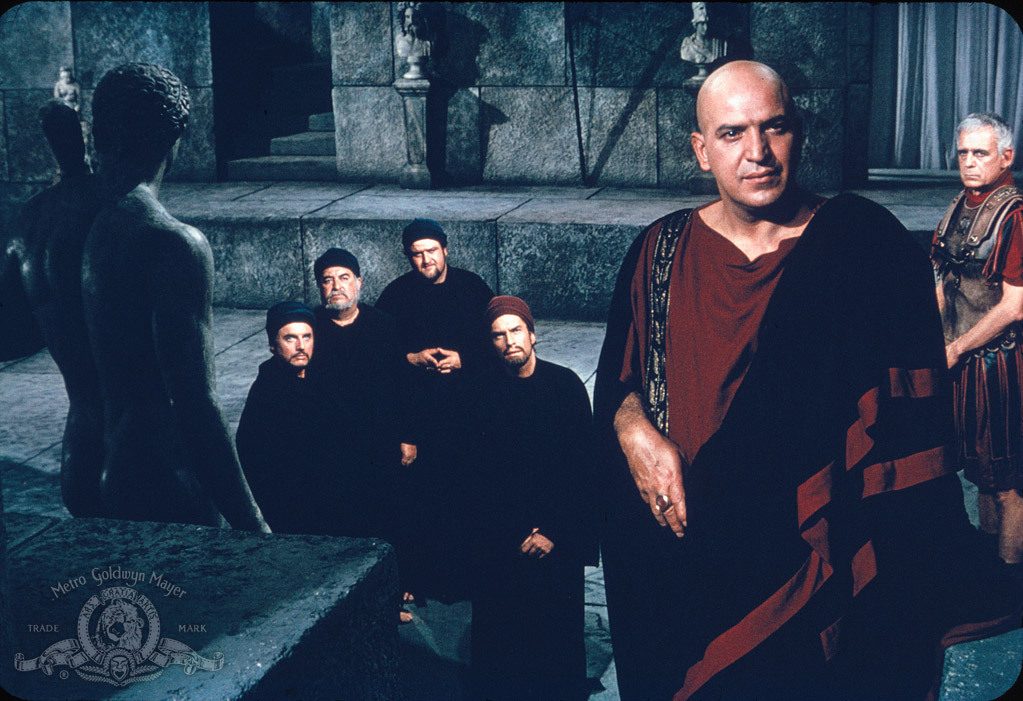
- At George Stevens's request, Telly Savalas shaved his head to play Pontius Pilate in the film, and he kept shaving his head for the rest of his life.
- Stevens cast Swedish actor Max von Sydow as Jesus in February 1961, wanting someone unknown to international audiences; von Sydow had never appeared in an English-language film and was known for Ingmar Bergman's dramas.
- A severe blizzard dumped snow on the Colorado River set in December 1962; Stevens refused to postpone until spring, grabbed a shovel to clear the snow himself and ordered the cast and crew to do the same.
- The production shot more than six million feet of Ultra Panavision 70 film, and its final budget of nearly $20 million made it the most expensive film shot in the United States.
- Alfred Newman's elaborate choral finales for the film's two act climaxes were replaced by Stevens with the Hallelujah Chorus from Handel's Messiah, a substitution critics widely ridiculed.
- Fred Zinnemann recruited David Lean to shoot second-unit sequences; Lean accepted, declined the Nativity scenes Stevens suggested, directed the Herod the Great scenes instead and cast Claude Rains as Herod.
- Stevens spent six weeks scouting Europe and the Middle East but chose the American Southwest instead, saying the Holy Land's landscapes had been worn down and that Colorado and Utah could be romanticized better.
- Cinematographer William C. Mellor died of a heart attack during production in 1963 and was replaced by Loyal Griggs, an Oscar winner for shooting Stevens's 1953 Western Shane.