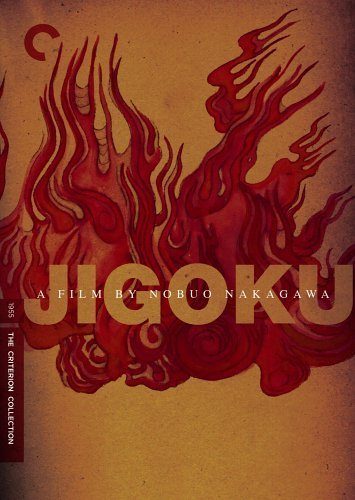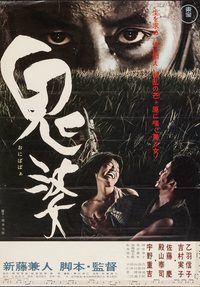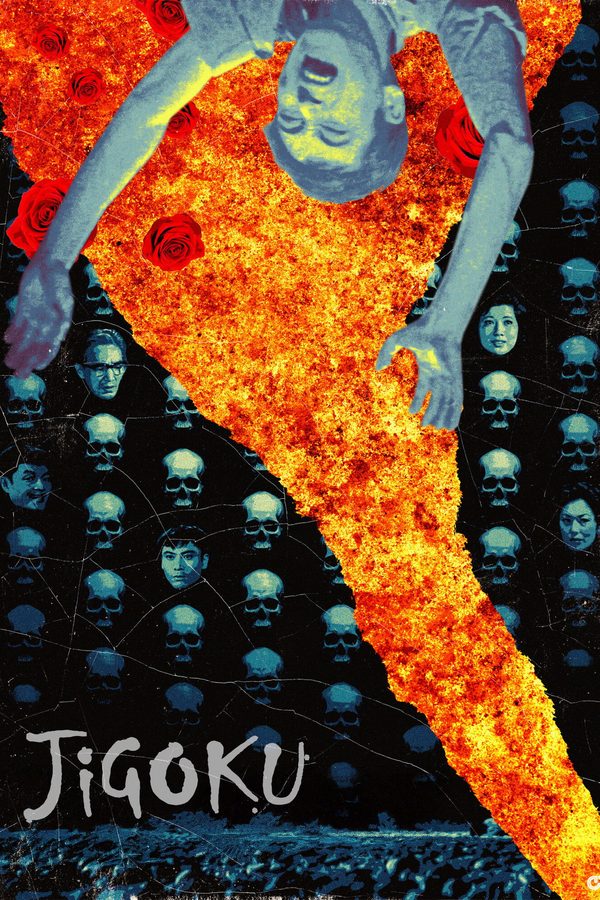
Jigoku (1960) on Netflix
Shirō Shimizu is engaged to Yukiko, his professor's daughter. Driving home, his colleague Tamura hits a yakuza leader on a side street and does not stop. A witness vows to find them.
- Netflix3.4/5
- IMDb6.7/105,115 votes
- Rotten TomatoesNot available
Trailer

Plot summary
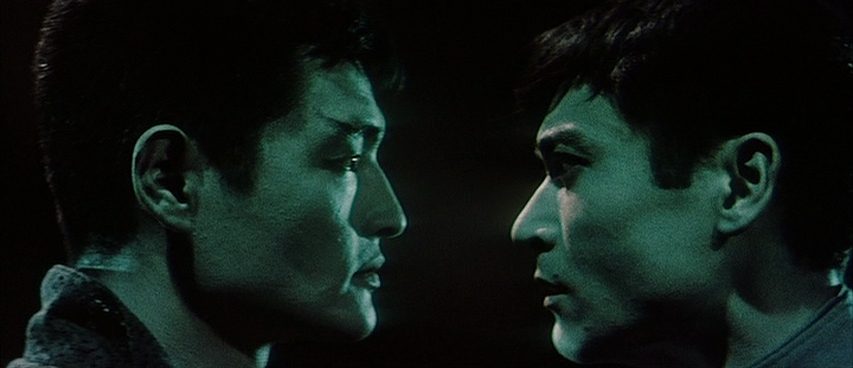
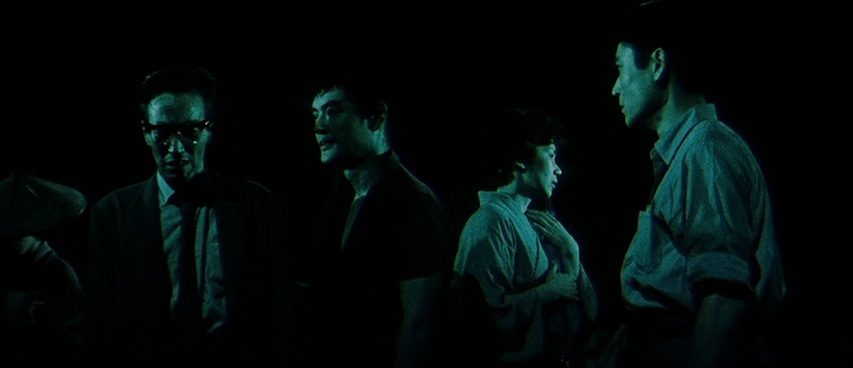
After announcing his engagement to Yukiko, whose father is his professor Mr. Yajima, student Shirō Shimizu rides home with his colleague Tamura. Tamura turns down a side street, strikes a yakuza gang leader, Kyōichi, and drives on. Kyōichi's mother sees the car and vows to find the men inside it. Tamura feels no guilt, while Shirō tries to go to the police. Word comes that his mother, Ito, is dying, so he visits the retirement community his father, Gōzō, runs. There he meets Ensai, a painter at work on a portrait of Hell, and Sachiko, a nurse who resembles Yukiko closely. Gōzō openly keeps a mistress, Kinuko.
Cast

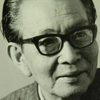
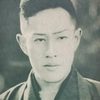
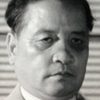
- Akiko Yamashitaas Kinuko
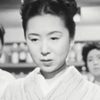

- Akira Nakamuraas Professor Yajima
- Kimie Tokudaijias Ito Shimizu
- Akiko Onoas Yoko


Did you know?!Facts and trivia about Jigoku (1960)
Can contain spoilers, watch the movie first.
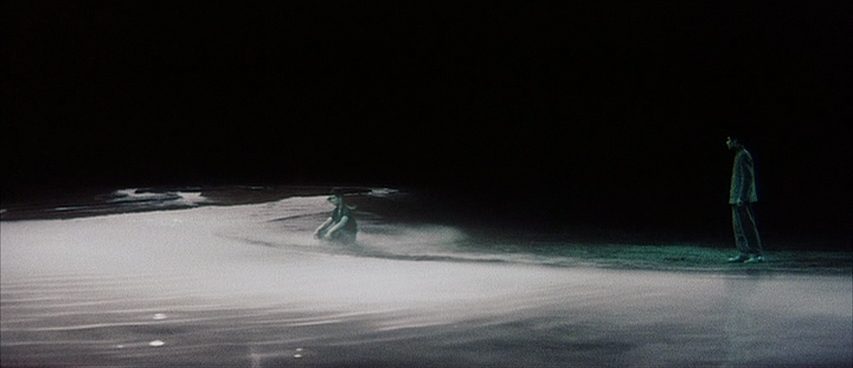
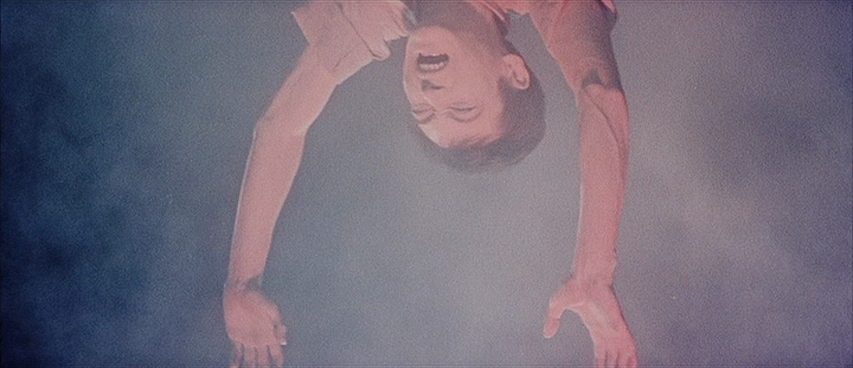
- For the Hell scenes, the cast and crew covered Shintoho's largest soundstage with dirt; a crew member recalled that while normally only the crew built the sets, on this, Shintoho's last production, all the extras helped.
- Ichirō Miyagawa's script drew on Faust, the Plank of Carneades thought experiment and a report about a fisherman selling poisoned fish; producer Mitsugu Okura read it and angrily said "Heaven is nowhere to be seen in this script!", with Miyagawa joking he would write about Heaven in the sequel.
- Jigoku was made in a hurry and became the last production of Shintoho, the studio then regarded as a maker of low-budget, gory films rather than a source of hits.
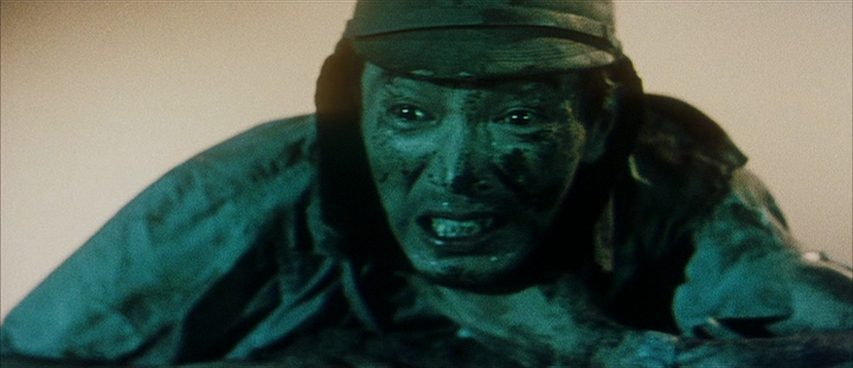
- Yōichi Numata said Nobuo Nakagawa told him his role of Tamura was, "just like Goethe's Faust, it was about the outside and inside of a person"; puzzled, Numata decided to act as he felt, and found Nakagawa simply observed him silently during filming.