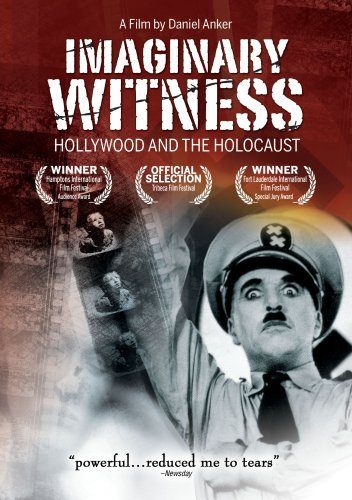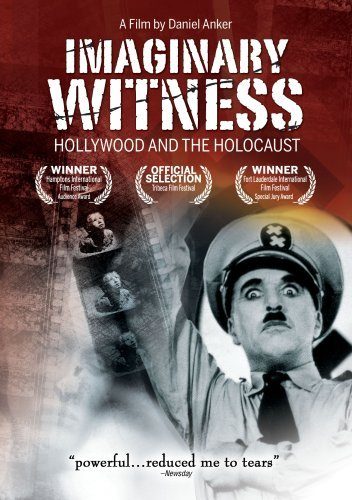
Imaginary Witness: Hollywood and the Holocaust (2004) on Netflix
NR20041h 32mDocumentaryHistory
For sixty years, Hollywood weighed Nazi Germany against a profitable German market. Filmmakers, survivors and historians trace what the studios showed of the Holocaust, and what they withheld.
- Netflix3.8/5
- IMDb7.5/10676 votes
- Rotten Tomatoes88%
Trailer
Plot summary
Drawing on excerpts from more than forty features and newsreels and on interviews with historians, filmmakers, producers and Holocaust survivors, the documentary traces how the American film industry portrayed Nazi Germany and the Holocaust across six decades. It opens with the studios' hesitation in the 1930s, when the industry's self-policing code discouraged unflattering portraits of other nations and the German market was worth protecting. Wartime pictures addressed the conflict but rarely the camps. Army film units documented the liberation of the camps; their footage was screened for American audiences and then largely put away. The film also follows the debate over whether the atrocities can be shown faithfully on screen at all, and what responsibility filmmakers bear for the way audiences remember them.
Cast


Did you know?!Facts and trivia about Imaginary Witness: Hollywood and the Holocaust (2004)
Can contain spoilers, watch the movie first.
- When Playhouse 90 produced the television play "Judgment at Nuremberg", later adapted to film, the sponsor, the American Gas Company, required that the word "gas" never be mentioned.
- Eisenhower wrote to Chief of Staff George Marshall that he had personally visited Ohrdruf concentration camp to be able to give first hand evidence of these things if anyone ever charged the allegations merely to propaganda, and he sent invitations to journalists, photographers and film makers from the United States and England.
- Director Daniel Anker's father was a refugee from Germany, and many of his relatives, including his great-grandfather, uncle and cousin, were murdered in the Holocaust, but he had not considered making a film on the subject until AMC approached him with the idea.