DuckTales the Movie: Treasure of the Lost Lamp (1990) on Netflix
G19901h 14mAdventureAnimationComedy
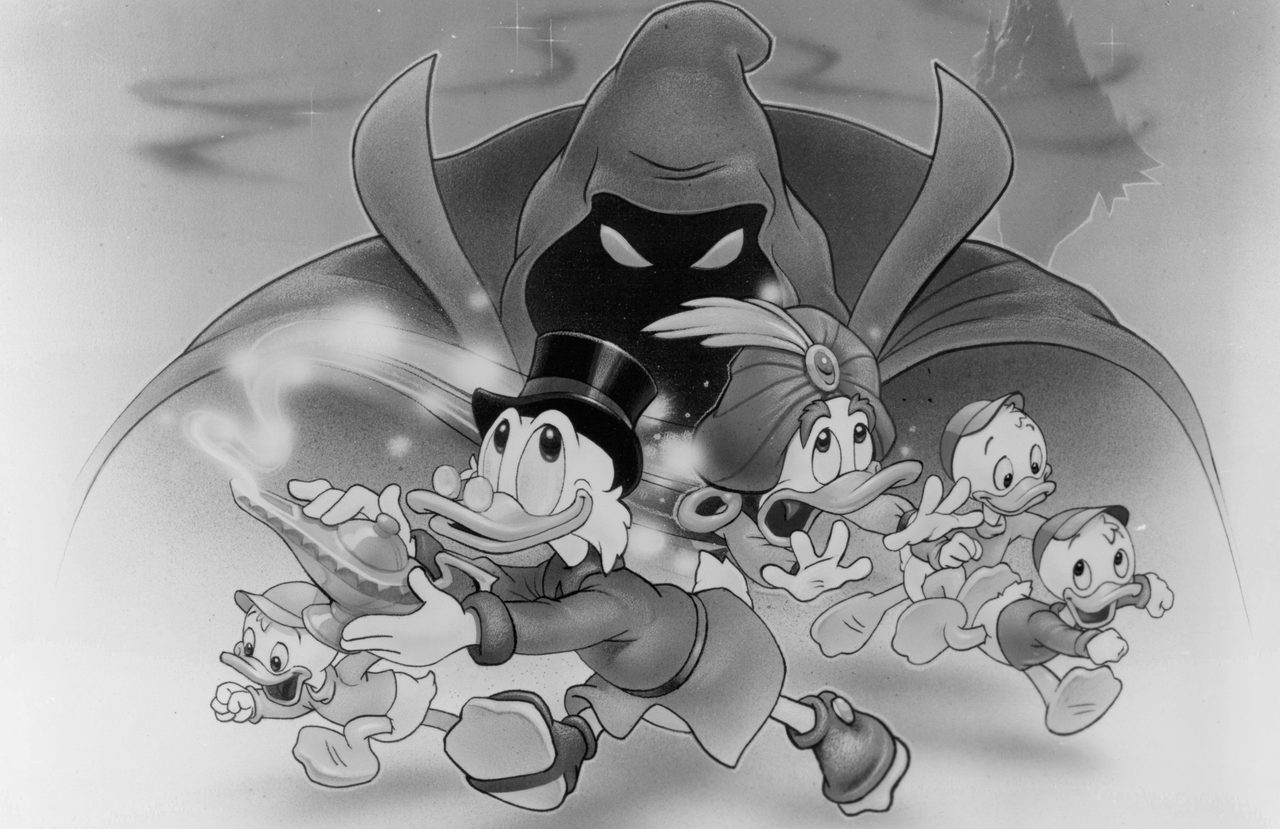
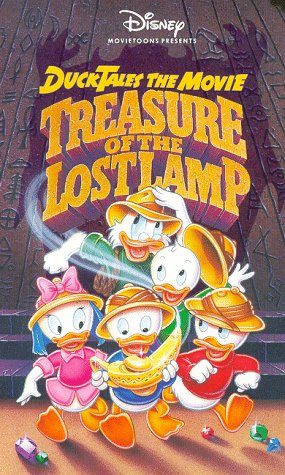
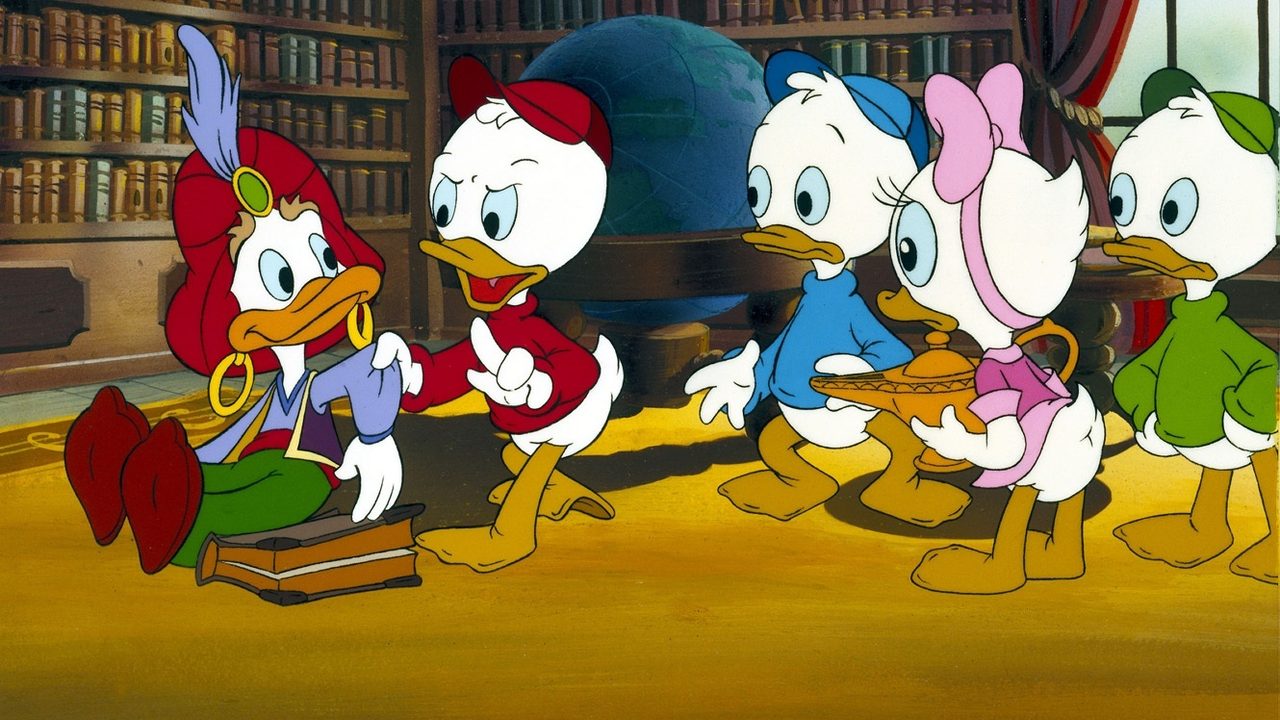
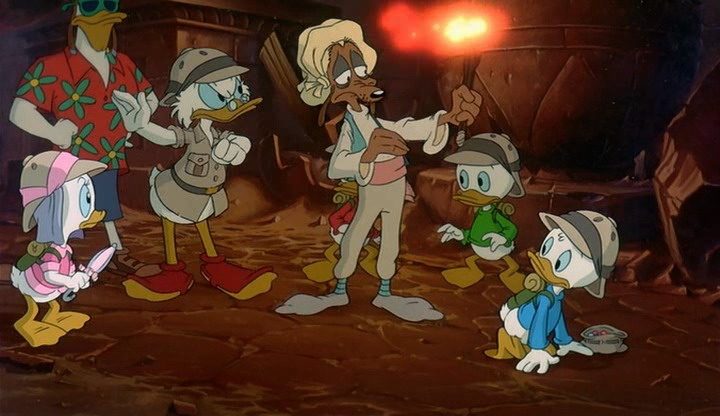
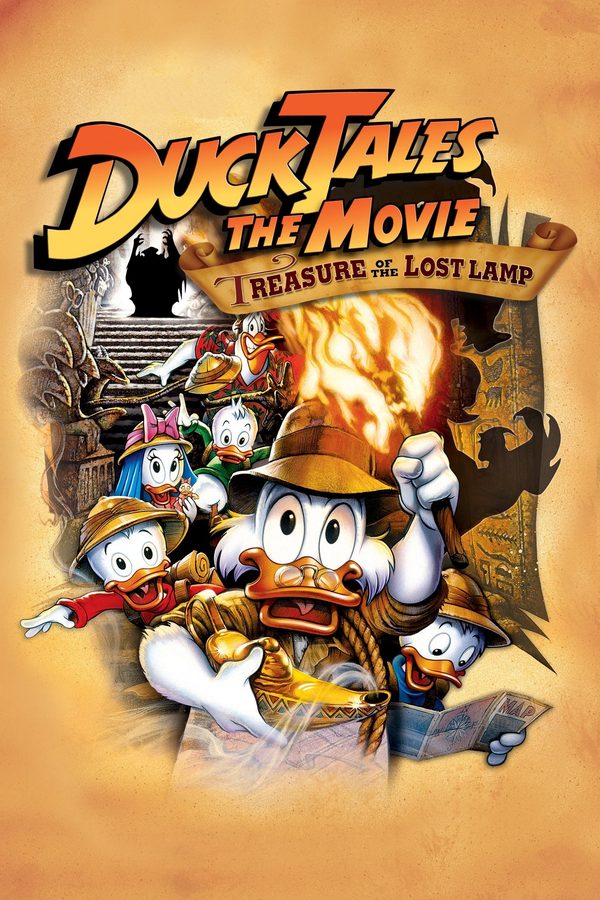
Scrooge McDuck and his nephews Huey, Dewey, and Louie, with Webby Vanderquack, hunt Collie Baba's treasure in the Middle East. Thief Dijon guides them to a pyramid where Webby finds a lamp.
- Netflix3.9/5
- IMDb6.8/1030,687 votes
- Rotten Tomatoes100%
Trailer

Plot summary
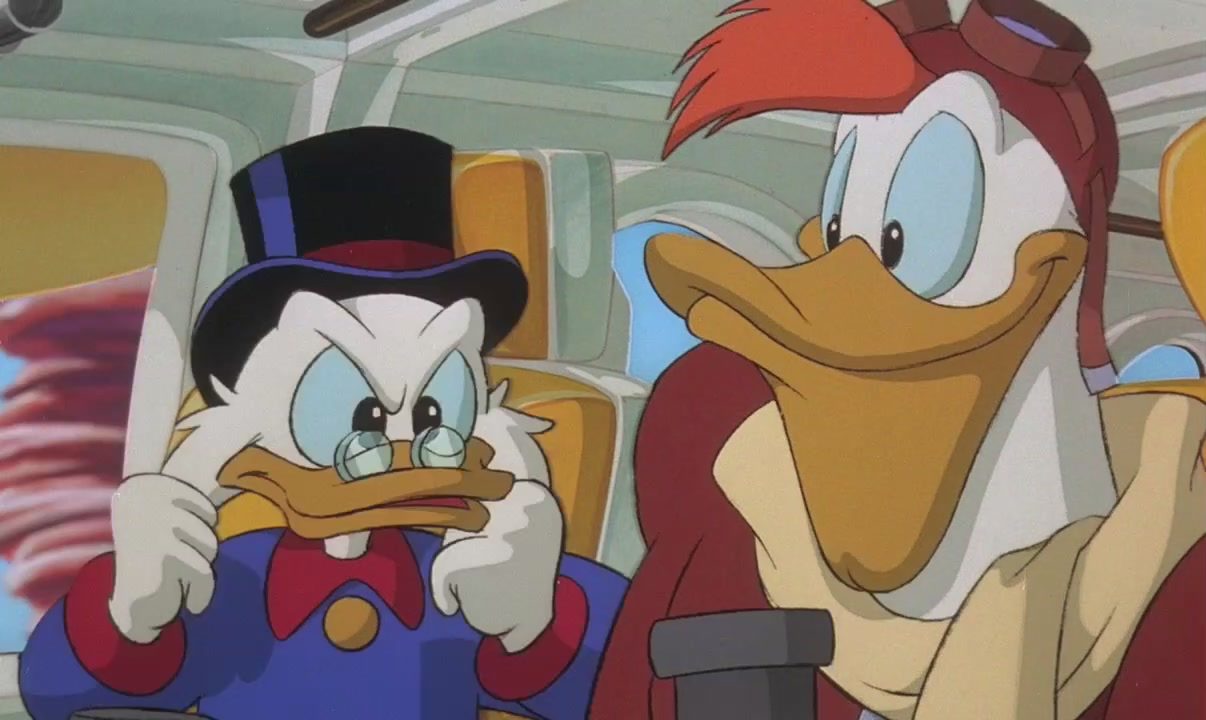
Scrooge McDuck travels to the Middle East with Huey, Dewey, Louie, Webby Vanderquack, and Launchpad McQuack to inspect a chest he believes holds the treasure of the thief Collie Baba. The chest contains only old clothes, but a treasure map turns up in a robe pocket. Guided by the thief Dijon, the group sets out to find the lost treasure. They locate it in a sand-covered pyramid, where Webby spots a lamp. Scrooge lets her keep it because it appears to have no value. The sorcerer Merlock, meanwhile, desires something Collie Baba once owned, and he is searching for it.
Cast










- Steve Bulenas Additional Voices (voice)


Did you know?!Facts and trivia about DuckTales the Movie: Treasure of the Lost Lamp (1990)
Can contain spoilers, watch the movie first.
- After the success of Who Framed Roger Rabbit several animators were stationed at Disney's newly founded London studio, with another location established in Paris. Burbank designed the characters and storyboards and sent the materials to Europe, while ink, paint and camera work was done in China and additional work in Spain.
- Director-producer Bob Hathcock said the film began as a five-part episode for the TV series: “Our first idea was to see if there was a way to release that as a feature.” An initial treatment centerd on the Philosopher's stone, but that idea was later dropped.
- Rip Taylor spent three six-hour stints by himself recording new lines, and at one point phoned some of them in: he was in Atlantic City when the call came for dialogue changes, found a phone in a radio studio and read six or seven pages, seven times over, because they kept changing the dialogue.
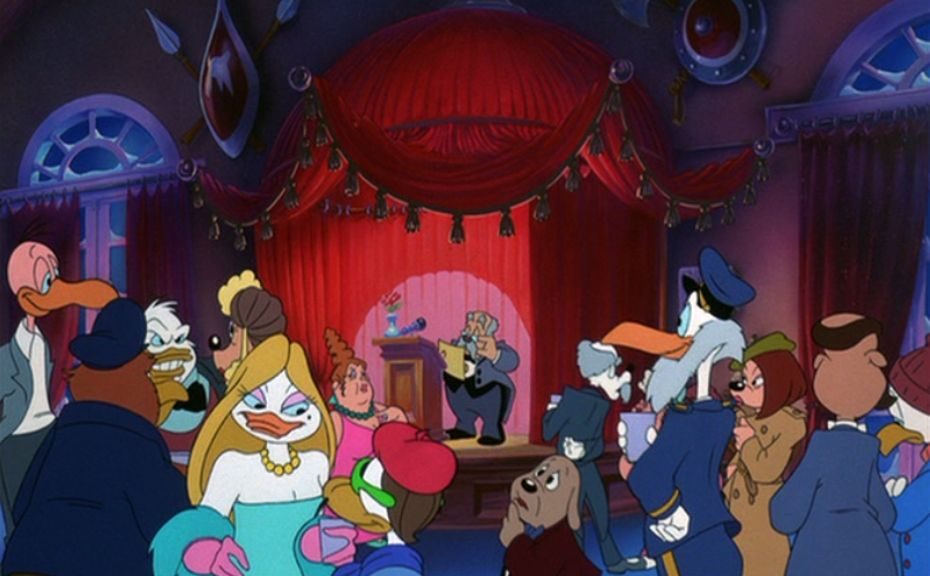
- The opening credits use a typeface similar to that of the Indiana Jones films, and someone looking like Indiana Jones appears briefly when Scrooge and Genie visit the Explorer's Club. Both were thanks to Gary Krisel, then president of Disney Television Animation, who had an “obsessive fascination” with the series.
- Animator Larry Ruppel was the sole American working at the Paris studio, alongside creative artists hailing mostly from France, Denmark, Australia and Italy, and often had to explain to supervisors and other animators exactly what the American slang phrases in the script meant.
- The film holds an odd technical place in the studio's history: it was the last Disney feature to use cel animation, and at the same time one of the first to make use of computer animation.