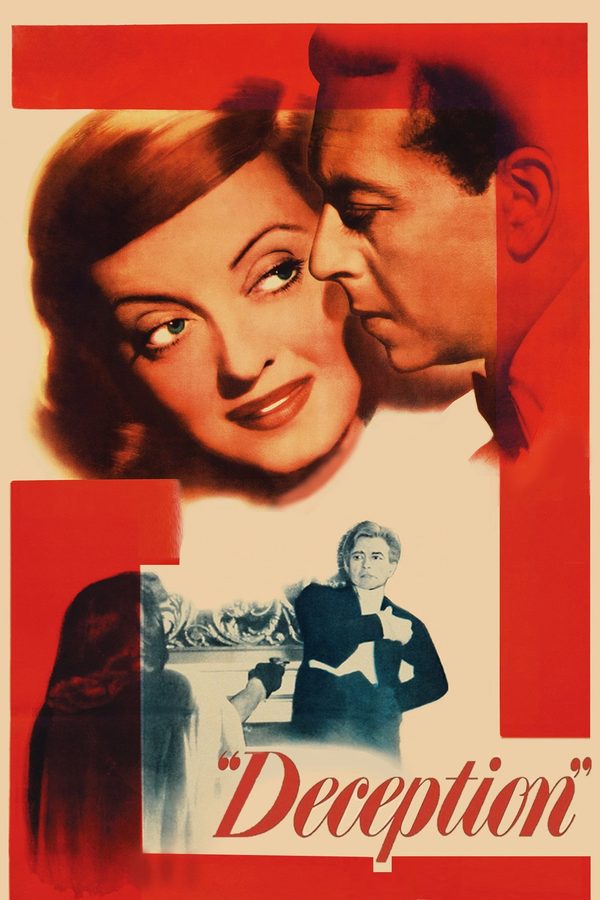
Deception (1946) on Netflix
Christine Radcliffe believed Karel Novak had died in the war. He comes back as a cellist and marries her, but Alexander Hollenius, a wealthy composer, is besotted with her.
- Netflix3.6/5
- IMDb7.1/104,661 votes
- Rotten TomatoesNot available
Trailer
Plot summary
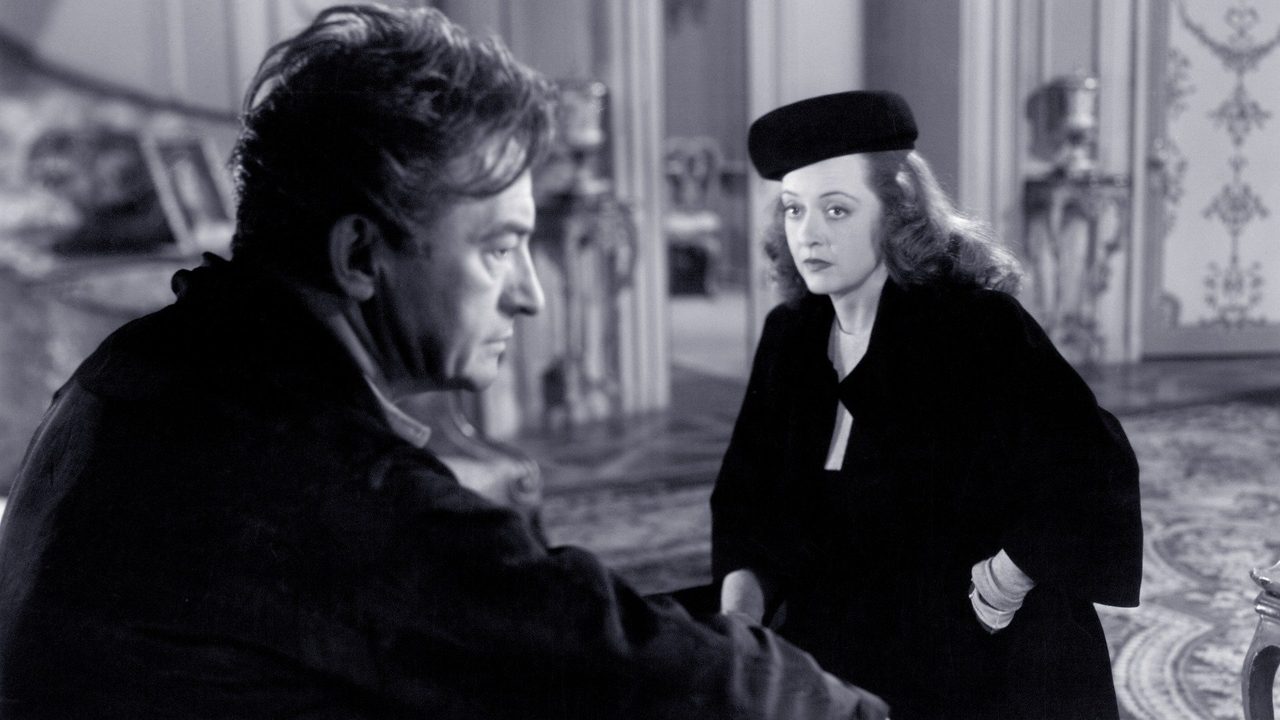
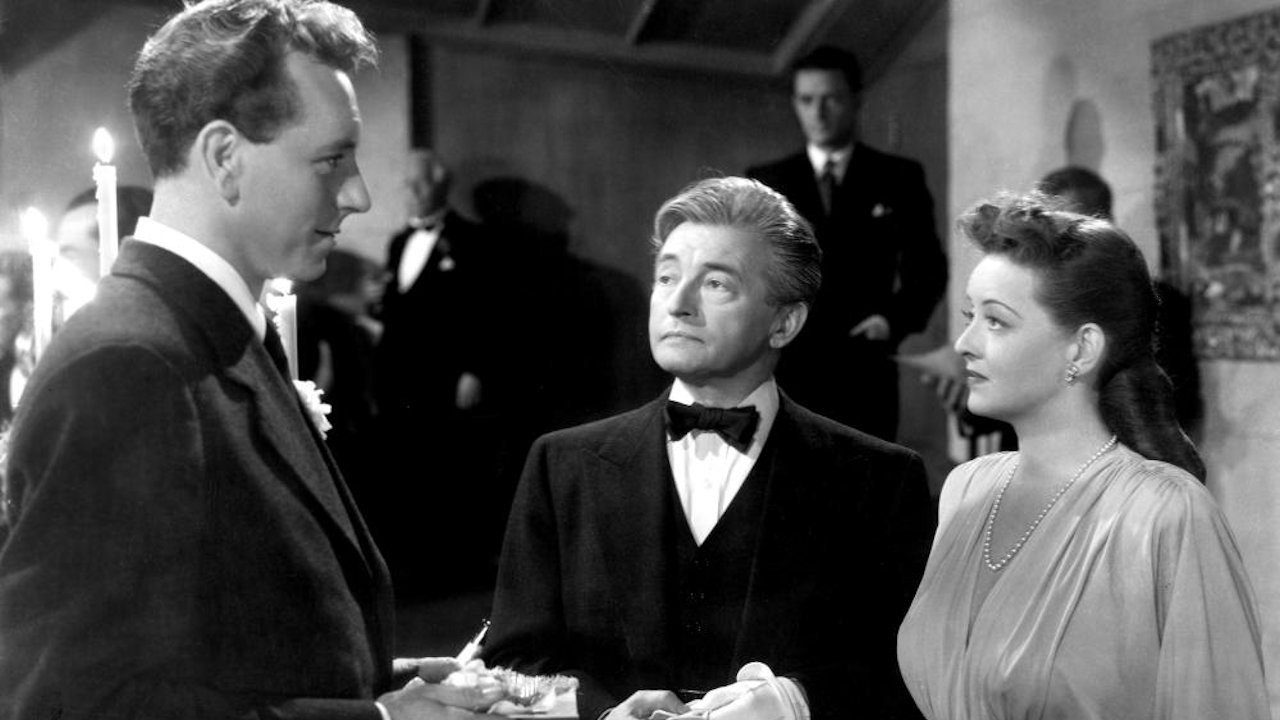
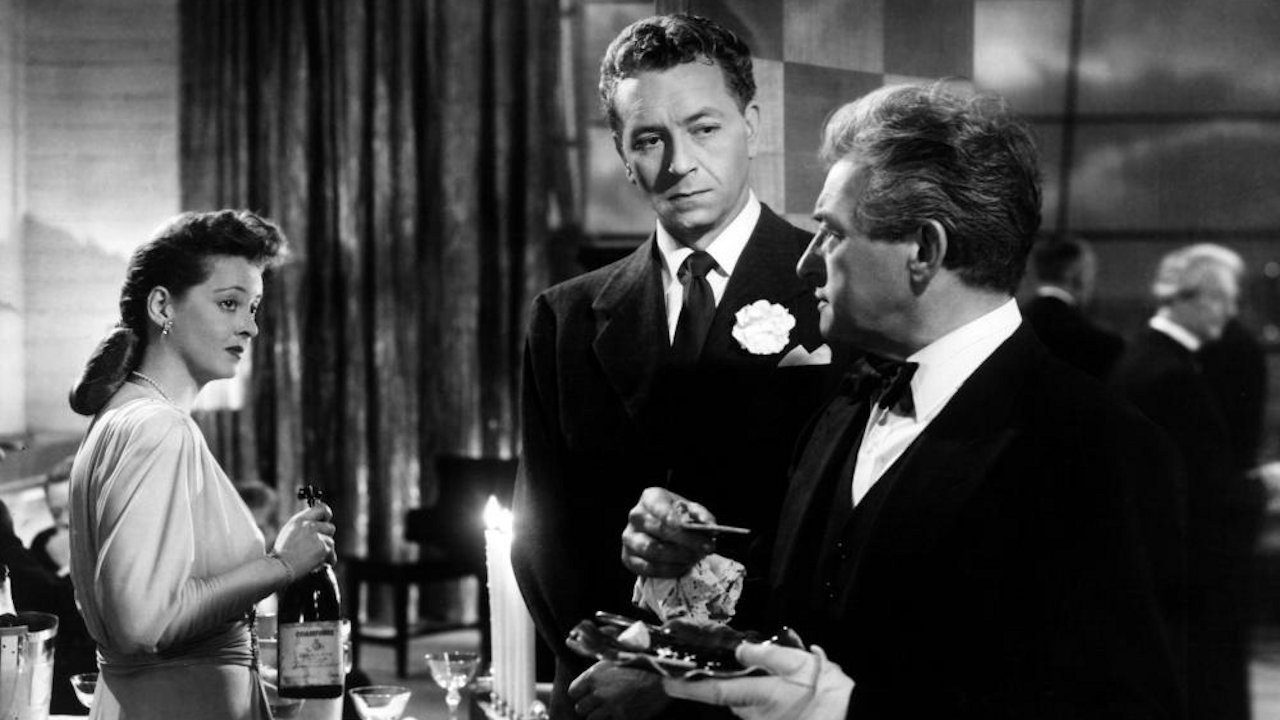
Christine Radcliffe, a pianist, had given up Karel Novak for dead during the war. At a concert she sees him on stage, playing the cello, and afterward they meet in his dressing room and embrace. She takes him to her apartment, where furs and paintings sit oddly beside the poor life she claims. The two marry. Alexander Hollenius, a wealthy composer who wants Christine for himself, appears at their wedding reception and later hands Novak the score of a concerto he has written for him to premiere.
Cast



![Benson Fong as The Manservant [Jimmy]](/img/avatar-100/394c8cc909c45daftm68c36c.jpg)






![Benson Fong as The Manservant [Jimmy]](/img/avatar-100/394c8cc909c45daftm68c36c.webp)


Did you know?!Facts and trivia about Deception (1946)
Can contain spoilers, watch the movie first.
- Paul Henreid's cello playing in Deception was dubbed by the cellist Eleanor Aller, who was pregnant with her son Frederick Zlotkin, later a noted cellist, and her father Gregory Aller coached Henreid's bowing. For some scenes Henreid's arms were tied behind his back and two cellists put their arms through the sleeves of a specially designed coat.
- The concerto written for the composer Hollenius in the film was in fact composed by Erich Wolfgang Korngold, whose own signature appears on the score glimpsed on screen. Korngold later expanded the material and published it as his own cello concerto.
- For Bette Davis's onscreen piano playing, Shura Cherkassky recorded Beethoven's Appassionata Sonata, and Davis, a lifelong pianist, rehearsed it three hours a day hoping to play it live on camera. Director Irving Rapper asked, "Why bother?", yet she achieved perfect synchronization with the recording.
- Warner Bros. originally purchased the play that became Deception as a vehicle for Barbara Stanwyck and Paul Henreid, rather than for the stars who ended up in it.
- Paul Henreid said he enjoyed working with Bette Davis again on Deception, but he and director Irving Rapper did not get along and the two men barely spoke to each other.
- Despite generally positive reviews and the earlier success of Davis, Henreid, Rains and director Rapper, Deception became the first Bette Davis film to lose money for Warner Bros., thanks to high production costs and modest cinema patronage.