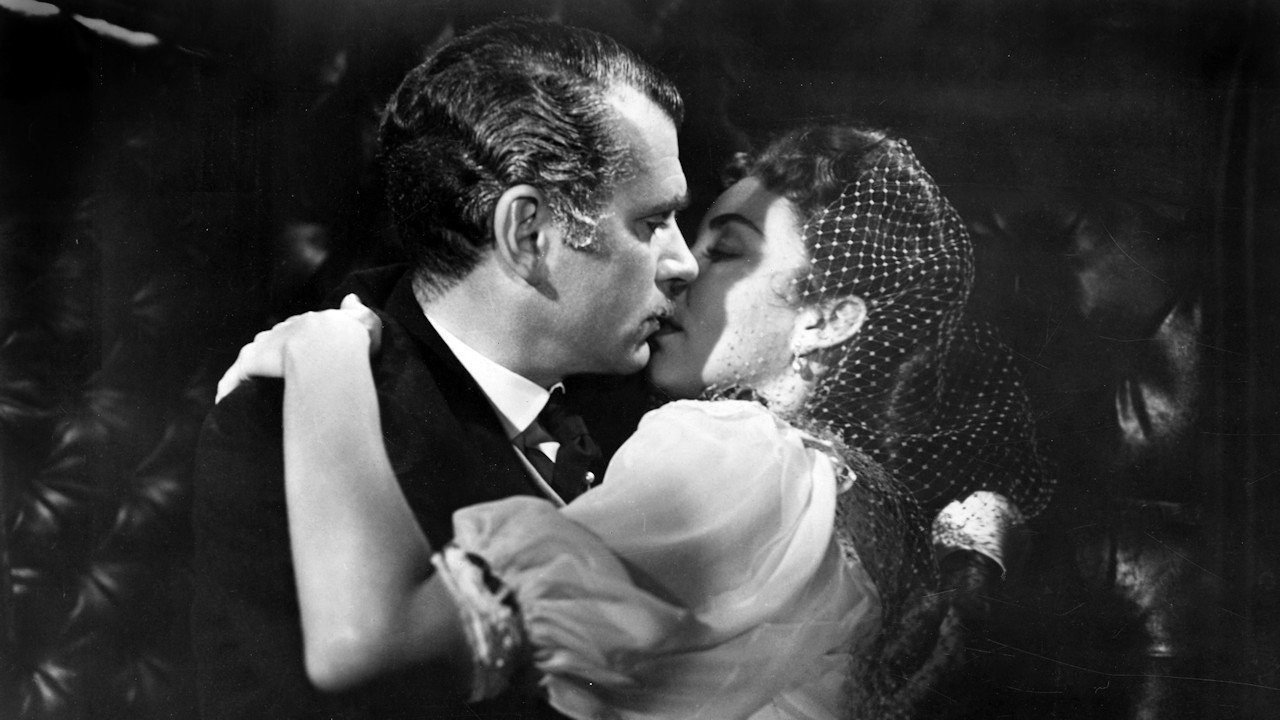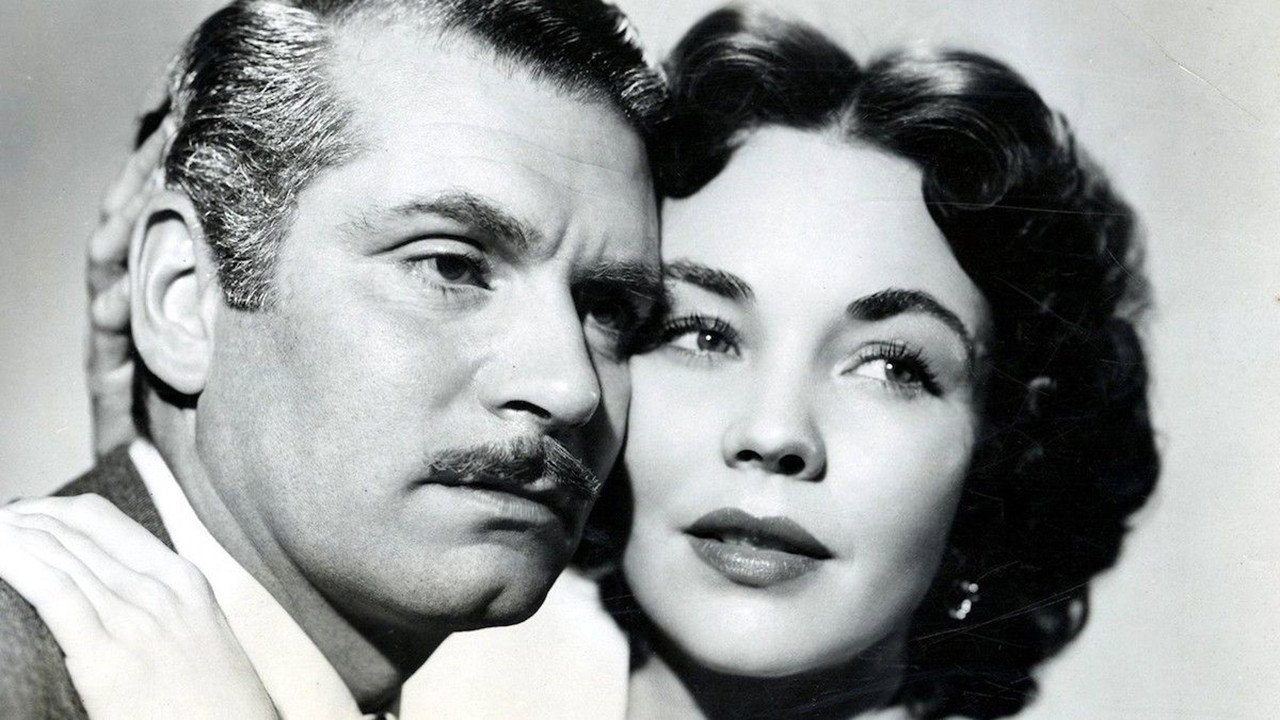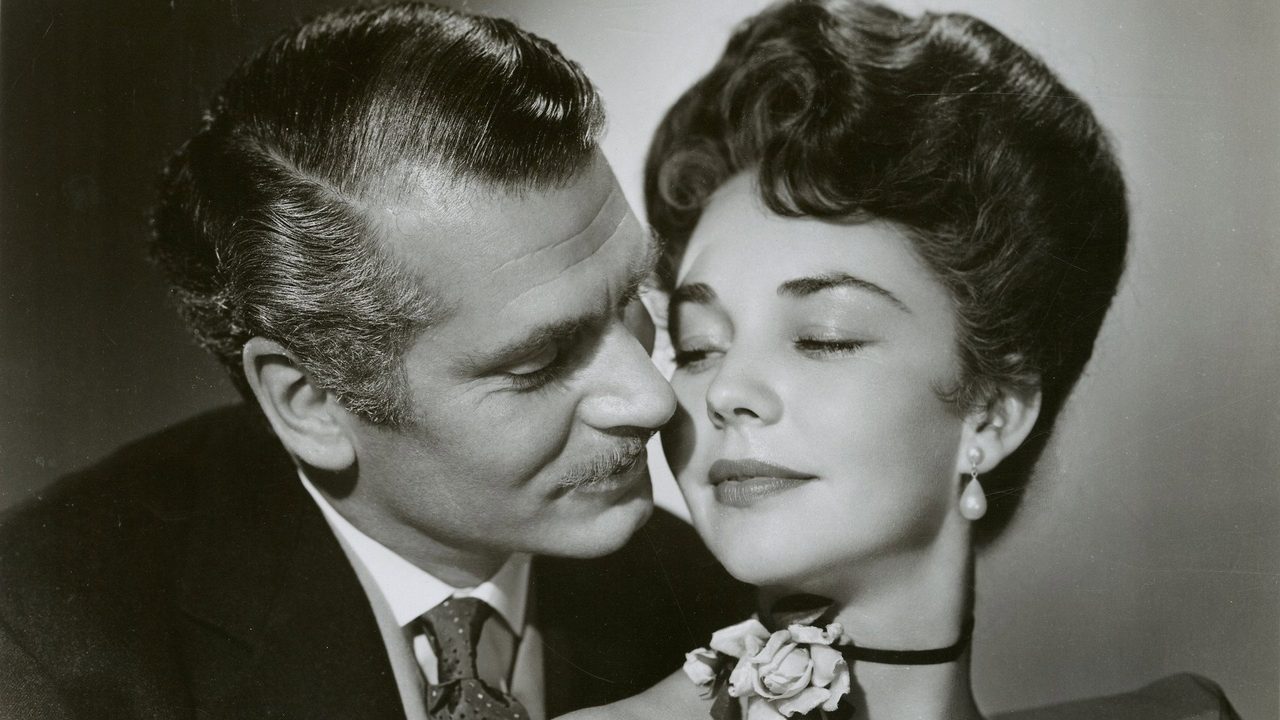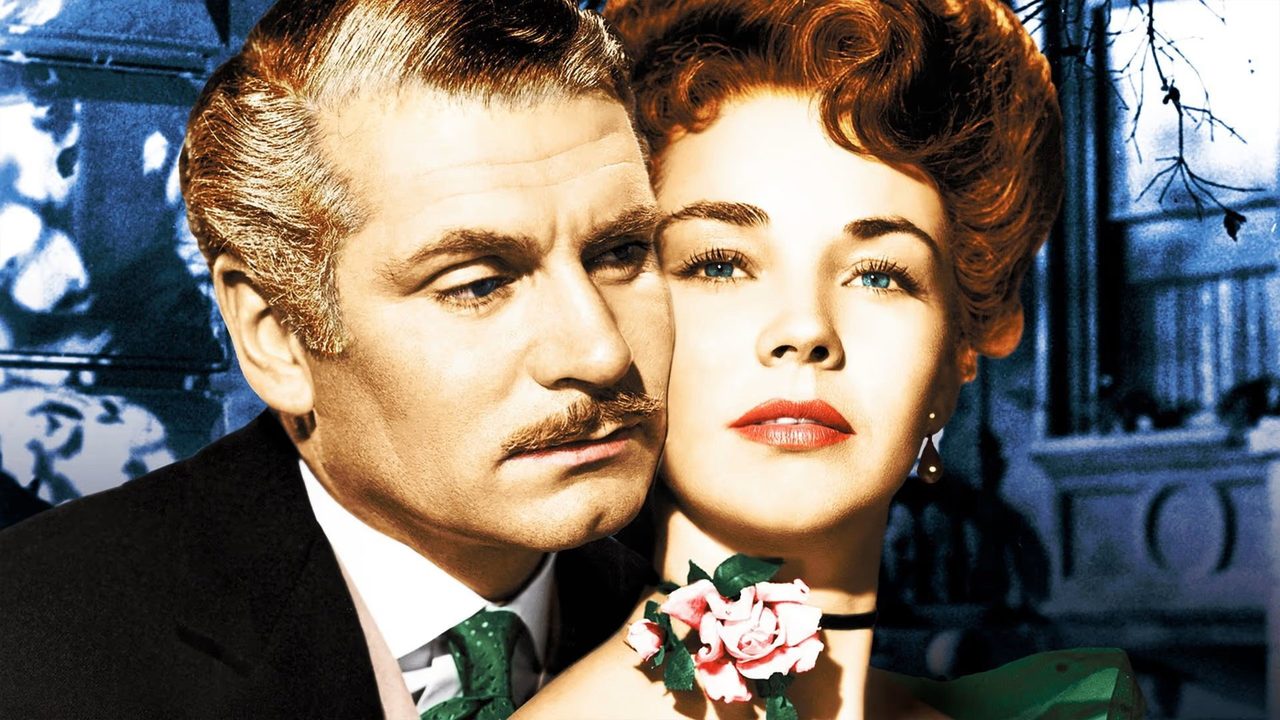
Carrie (1952) on Netflix
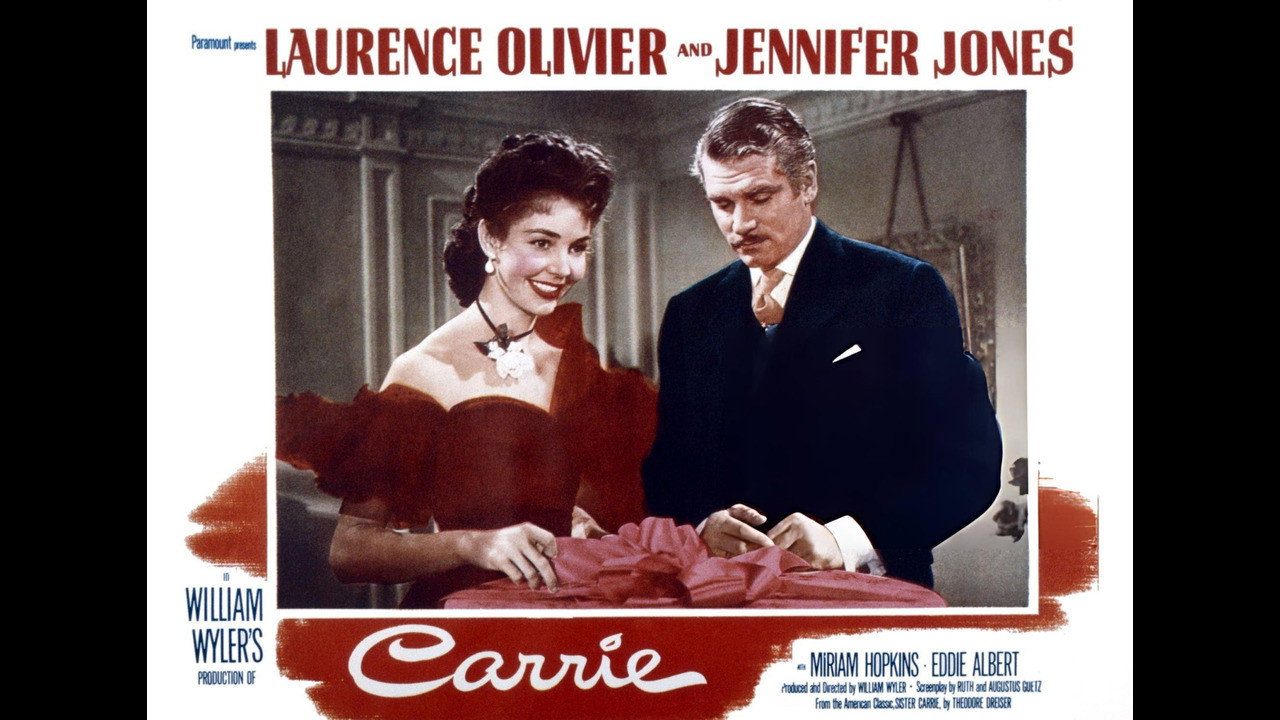
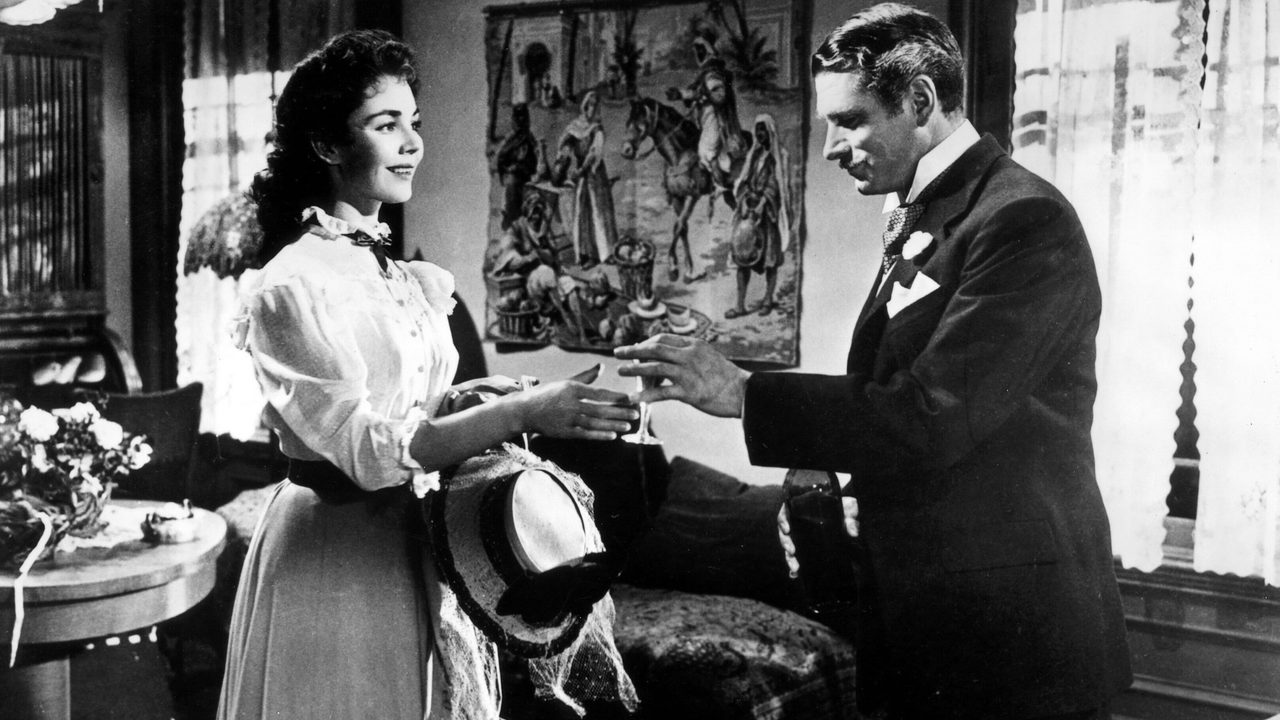
Carrie Meeber leaves her home for Chicago and stays with her sister. On the train she met traveling salesman Charles Drouet. At Fitzgerald's restaurant she meets its manager, George Hurstwood.
- Netflix3.7/5
- IMDb7.3/103,151 votes
- Rotten Tomatoes75%
Trailer
Plot summary
Carrie Meeber comes to Chicago from a small rural town and moves in with her sister and her sister's husband, Sven. Work in a sweatshop ends when she injures her hand. She had met Charles Drouet, a traveling salesman, on the train, and she reaches out to him. He takes her to supper at Fitzgerald's and gives her ten dollars, which she returns, meeting the restaurant's manager, George Hurstwood, who is taken with her at once. She moves in with Drouet, and the neighbors' gossip pushes her to press him for marriage. Drouet invites Hurstwood to their home, and while Drouet is away on business, Hurstwood takes Carrie to the theater.
Cast













Did you know?!Facts and trivia about Carrie (1952)
Can contain spoilers, watch the movie first.
- Theodore Dreiser's novel Sister Carrie was controversial from its publication in 1900, and when Paramount Pictures sought Motion Picture Production Code approval in 1935 the book was rejected; Warner Bros., Columbia and RKO Radio Pictures also tried and failed to win approval.
SPOILER
The Breen Office demanded that the suicide of Hurstwood be excised from the script, but director William Wyler refused to remove it.- The production was troubled: Jones was pregnant, Wyler was grieving the loss of his infant son, and Olivier was in pain and hated working with Jones.
- Wyler offered the part to Cary Grant before interesting Olivier in it; the role marked Olivier's return to Hollywood, where he had not appeared in a film since That Hamilton Woman (1941).
- Wyler first tried to recruit Elizabeth Taylor for the female lead, but MGM refused, and Ava Gardner and Jeanne Crain were also considered.
SPOILER
Paramount was reluctant to release the film in the political climate of the early 1950s and won Wyler's consent to re-edit it, presenting the characters in a more positive light and removing the suicide scene.