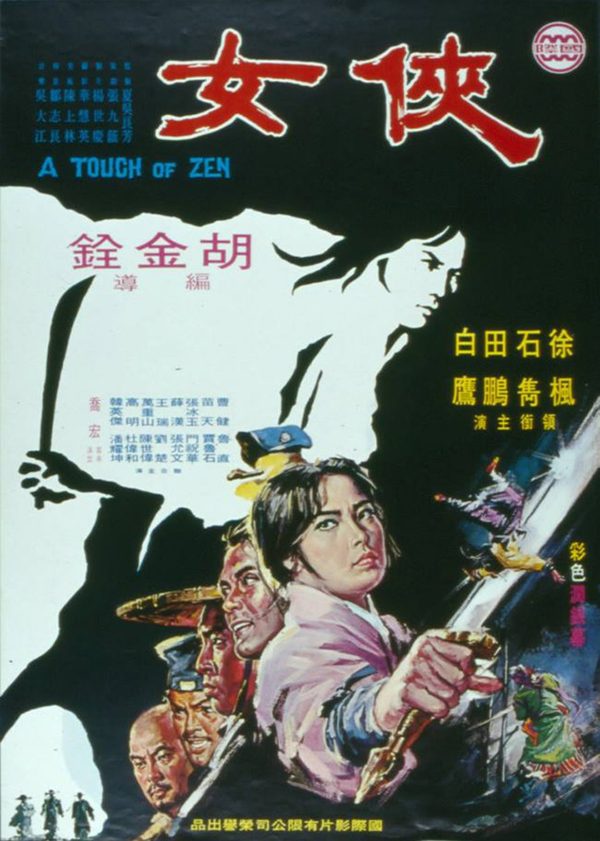
Trailer

Plot summary
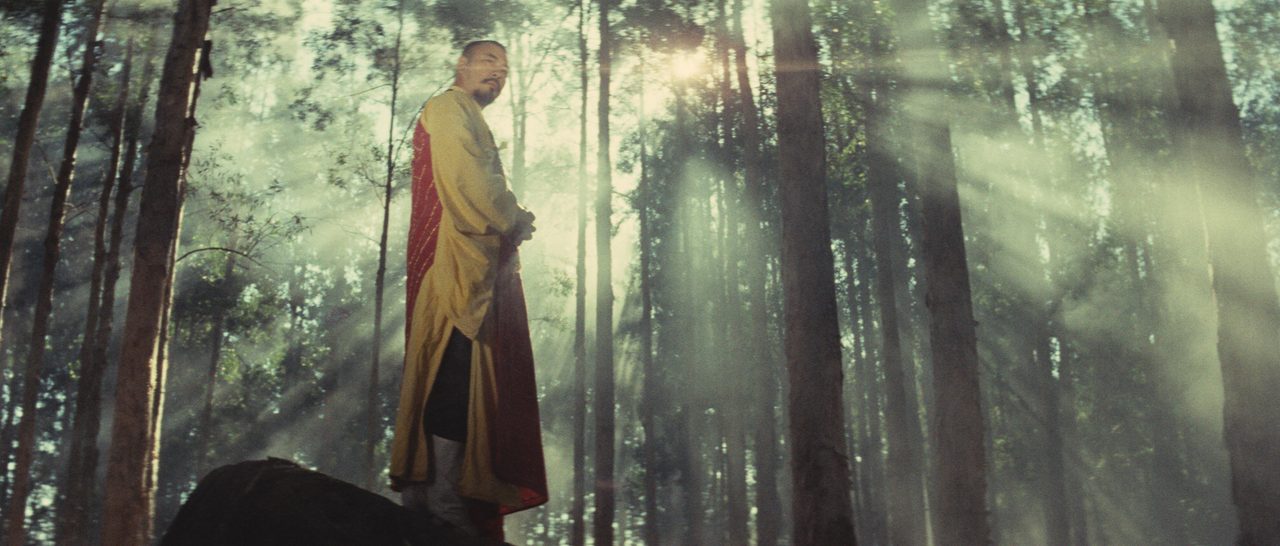
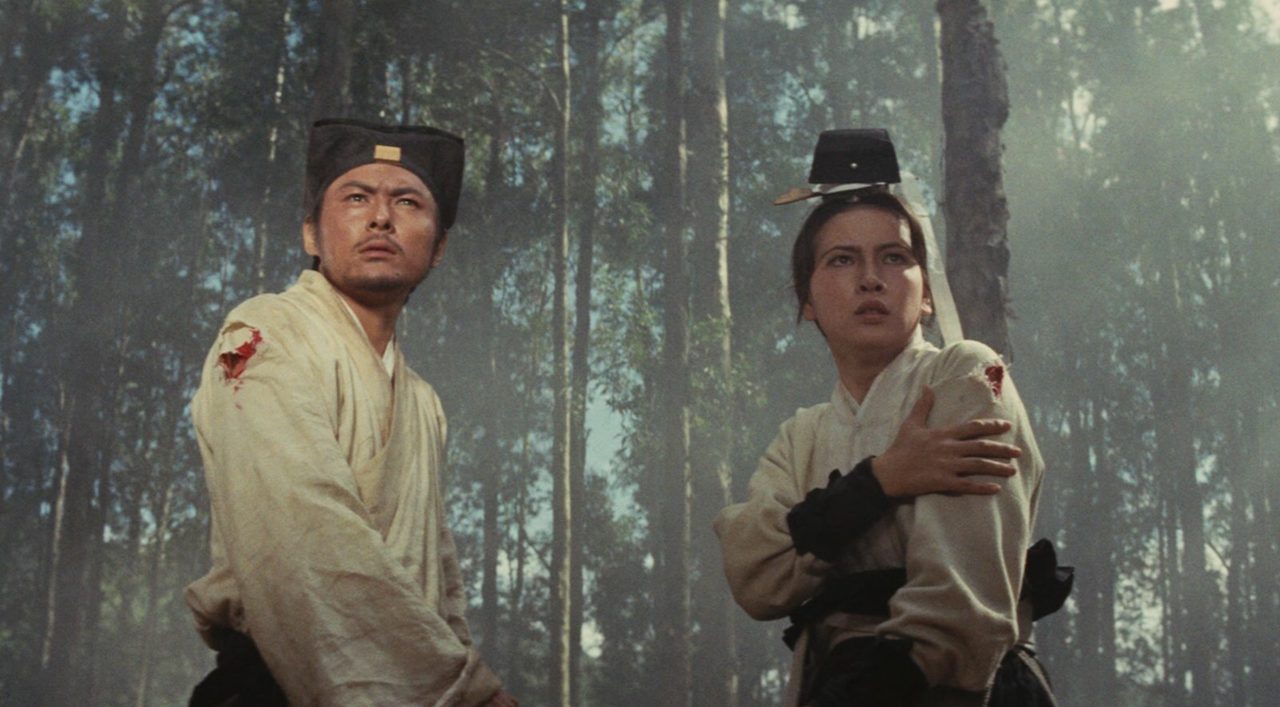
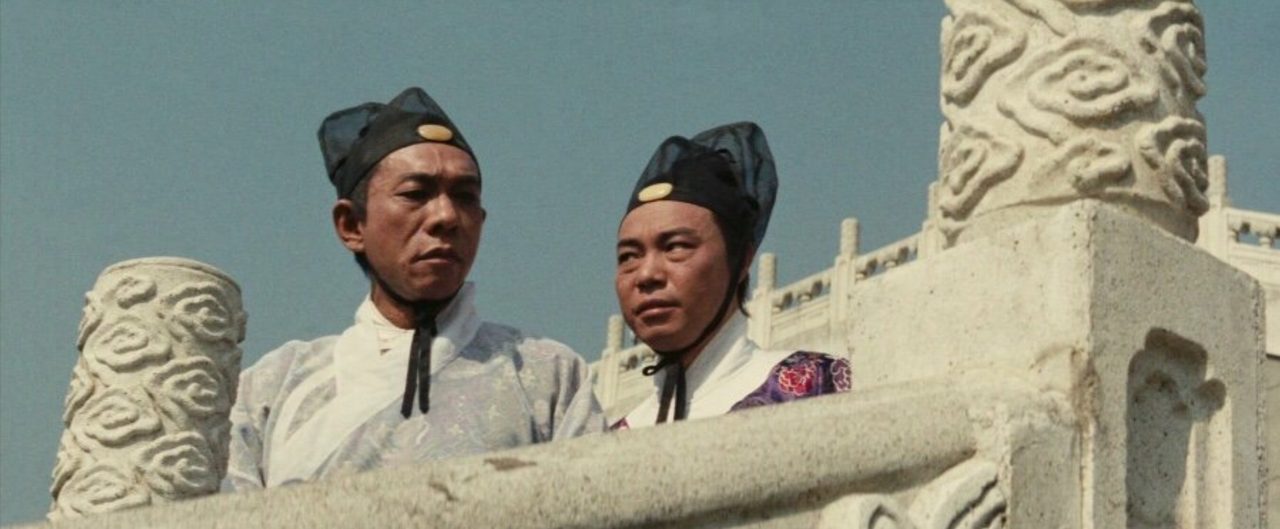
Yang Hui-zhen is a fugitive hiding in an abandoned fort, hunted by agents of the eunuch Wei Zhongxian, who wants her family destroyed because her father, Yang Lian, tried to warn the emperor about him. Two officers loyal to her father, Shi Wen-qiao and Lu Ding-an, protect her, and the Chan monk Hui Yuan shelters them at his monastery. In the village, a painter named Gu Sheng-zhai lives with his mother and takes a commission from a stranger, Ouyang Nian. Gu and Yang become friends, then lovers, and Gu, a scholar with little ambition, is drawn into her conflict with the Eastern Depot.
Cast










- Chang Ping-Yuas Gu Sheng-zhai's Mother


Did you know?!Facts and trivia about A Touch of Zen (1971)
Can contain spoilers, watch the movie first.
- At the 1975 Cannes Film Festival, King Hu's A Touch of Zen won the Technical Grand Prize and was nominated for the Palme d'Or; it was the second Chinese-language film to win an award at Cannes and the first wuxia film to win at an international film festival.
- Principal photography on King Hu's A Touch of Zen took just over three years, because of the director's perfectionist approach.
- Many scenes were shot out of sequence because the seasons in the script did not match the seasons during filming, and King Hu ran short of money and was forced by the publishing house to split A Touch of Zen into two parts.
- The first part of A Touch of Zen was in Taiwanese cinemas in 1970 while King Hu was still shooting it, and the bamboo forest sequence that ends Part 1 was replayed at the start of Part 2.
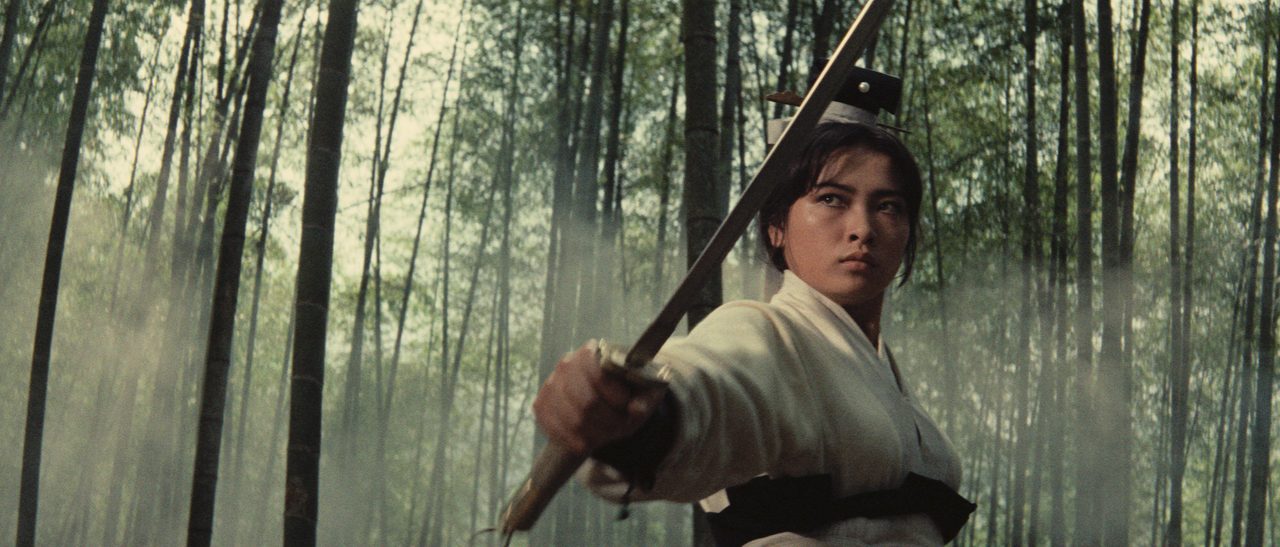
- The bamboo forest sword fight in A Touch of Zen was not staged as one continuous realistic event: rapid cutting, shifting viewpoints and fragmented movement create a stylized sense of speed and weightlessness.
- King Hu wanted entirely authentic sets, props and costumes for A Touch of Zen, and took a large role in the set design himself because the set designers did not completely understand his vision.
- King Hu had been a filmmaker at the Shaw Brothers Studio in Hong Kong before moving to Taiwan, and A Touch of Zen's emergence established the international visibility of the Hong Kong New Wave.