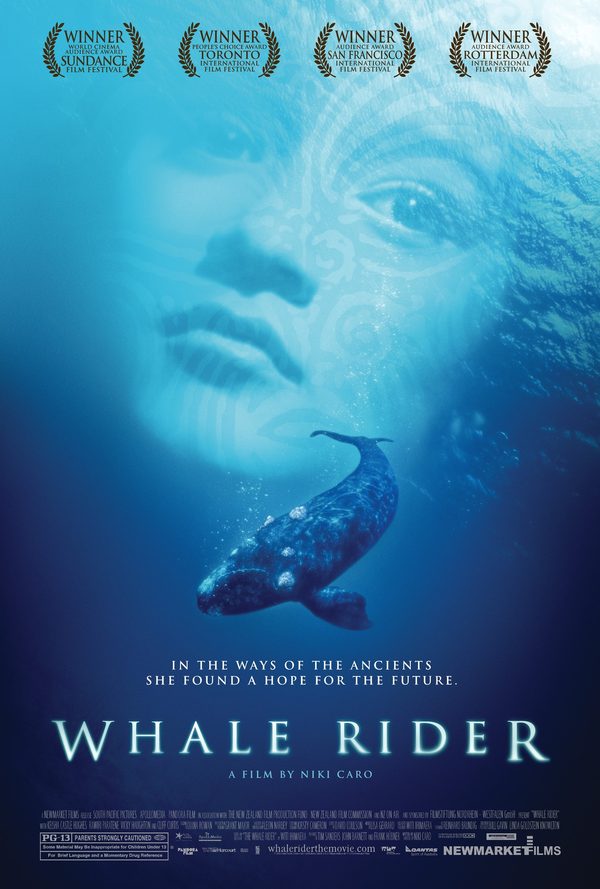
Whale Rider (2002) on Netflix
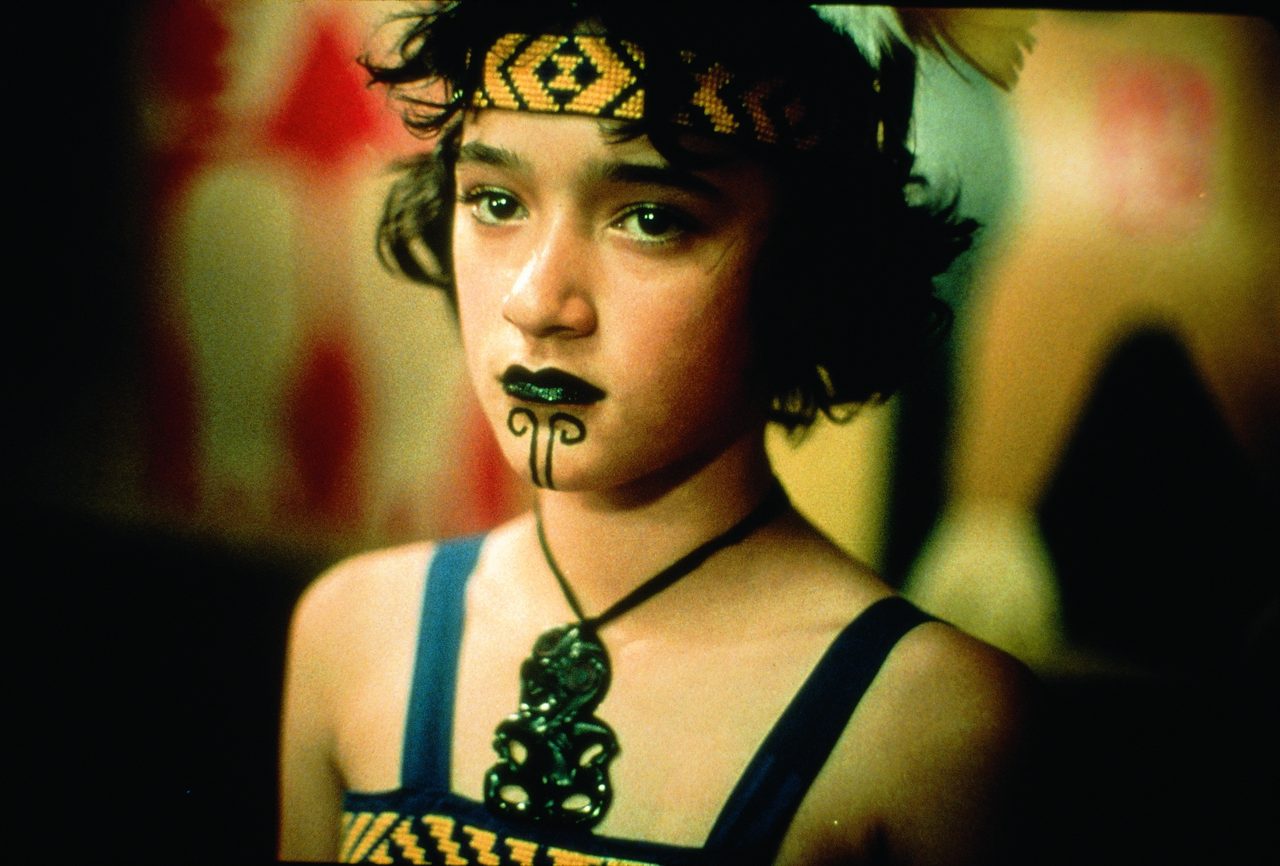
Paikea Apirana is the only child in her tribe's chiefly line, but the role belongs to first-born sons. Her grandfather Koro leads the tribe and trains the village boys to succeed him.
- Netflix4.2/5
- IMDb7.5/1044,554 votes
- Rotten Tomatoes91%
Trailer

Plot summary
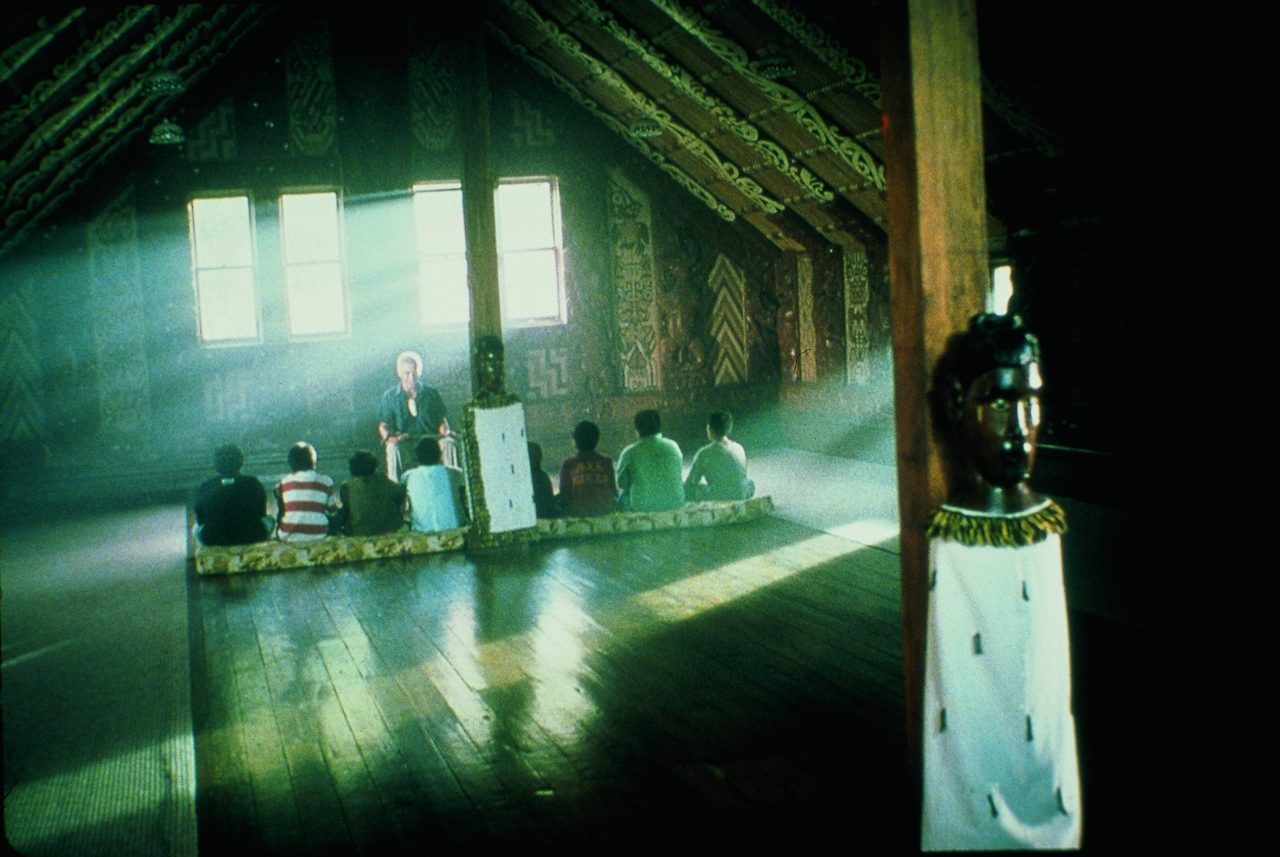
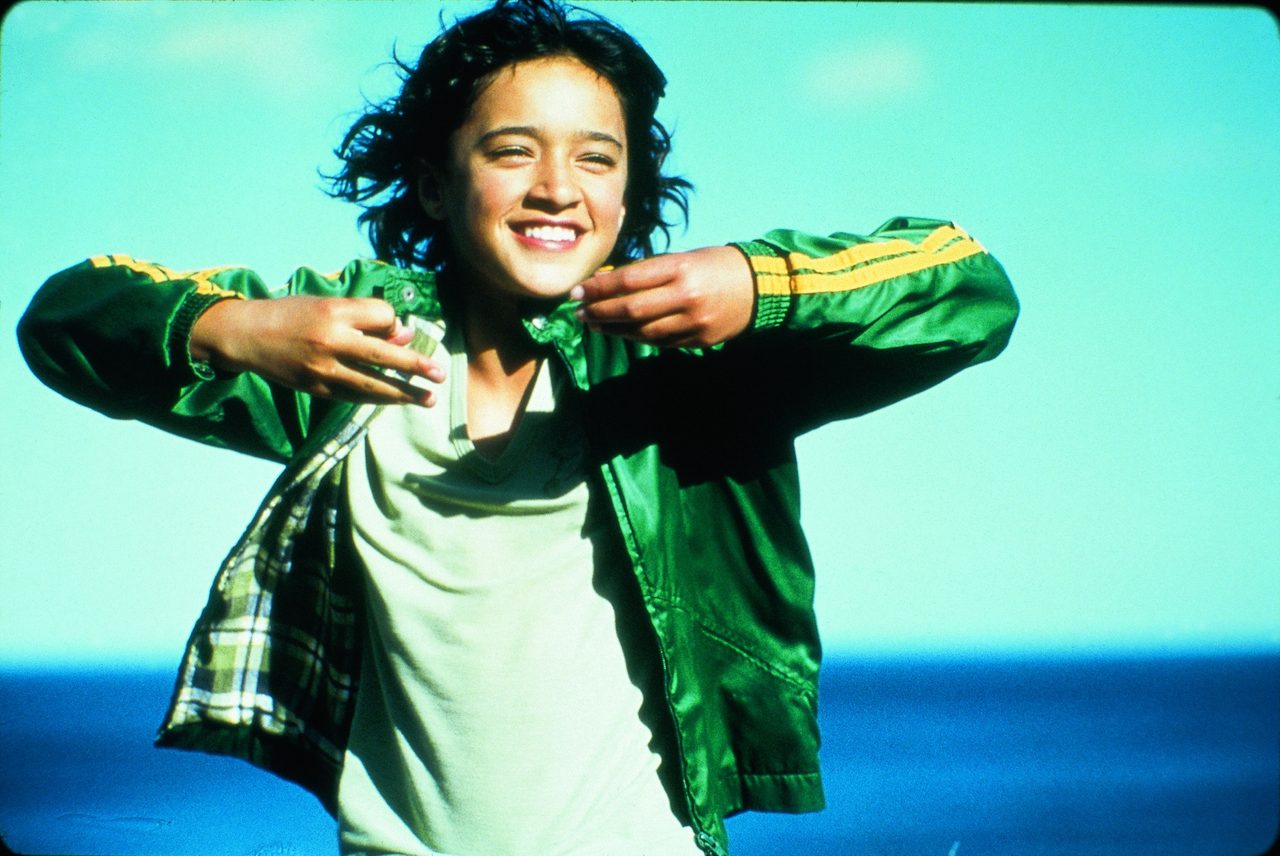
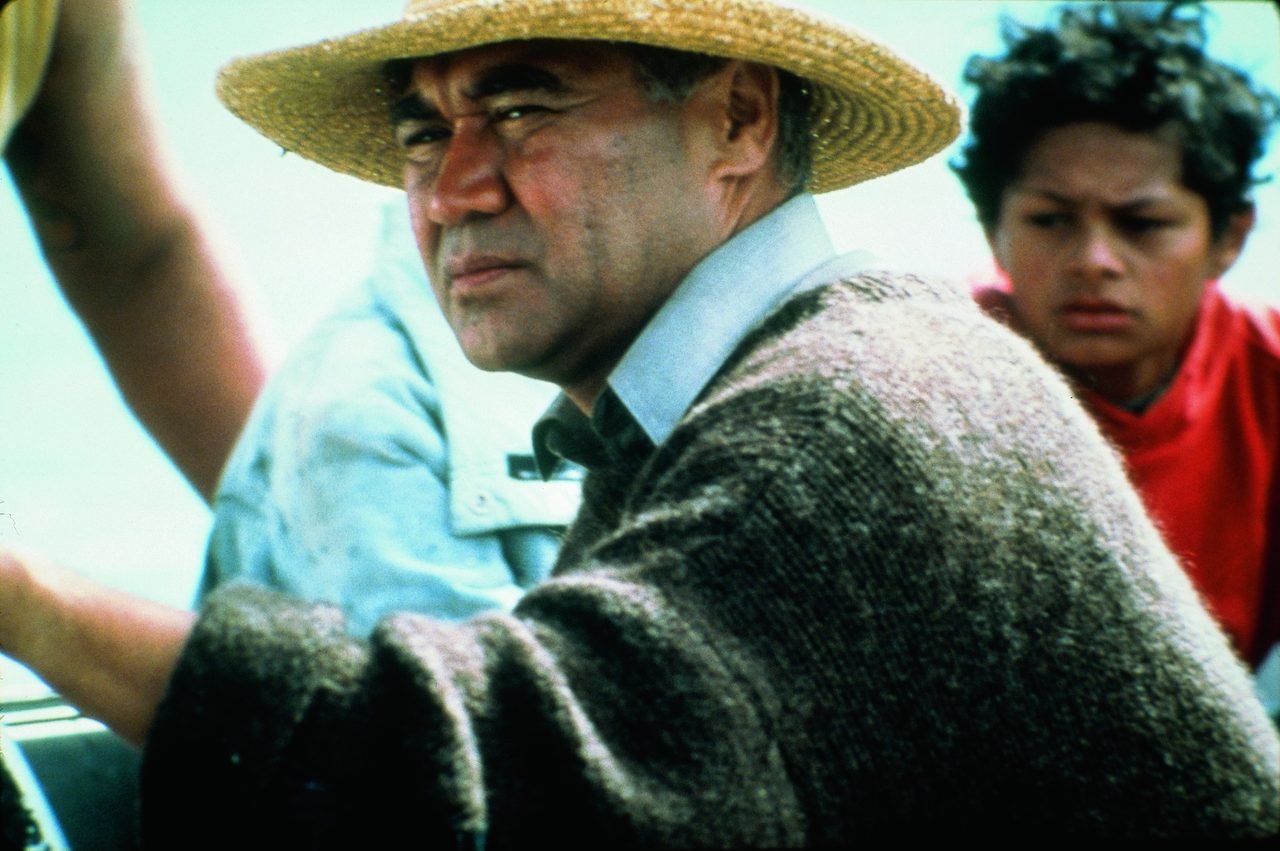
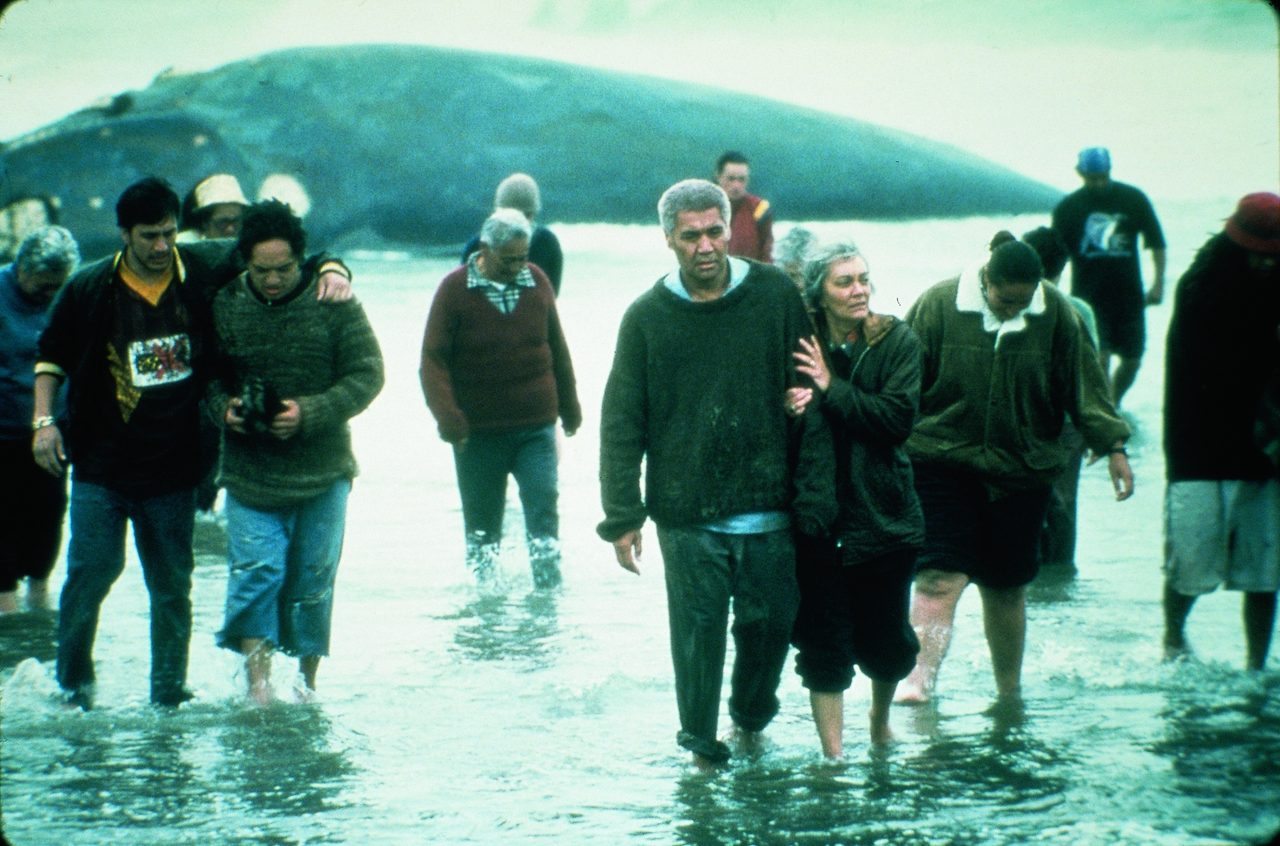
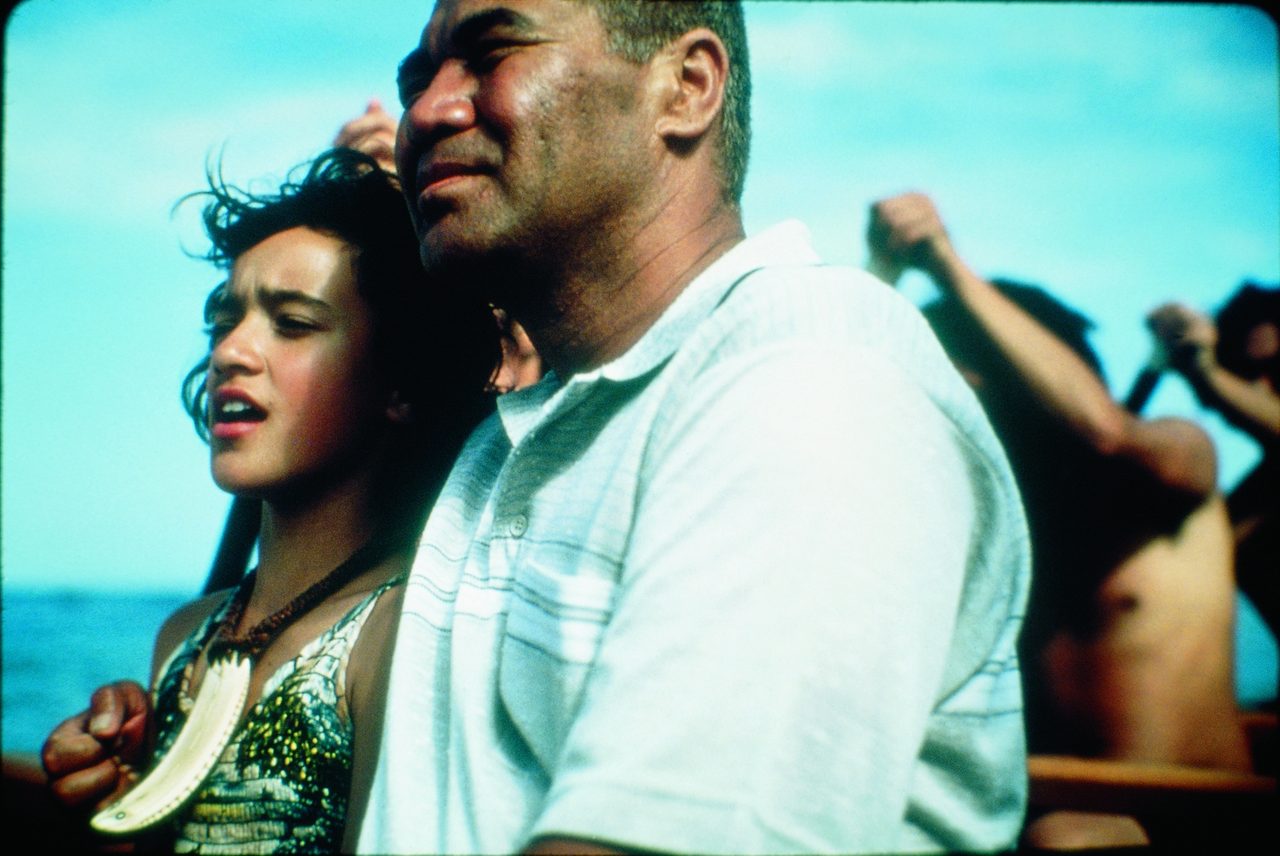
On New Zealand's east coast, the Whangara people trace their line to Paikea, who reached shore on a whale's back after his canoe capsized. Their chiefs have always been first-born sons, direct descendants of Paikea. Paikea Apirana, called Pai, is twelve and the only living child in that line: her twin brother and her mother died when she was born. Her grandfather Koro leads the tribe. Pai's father Porourangi refuses the role and moves to Germany as an artist. Pai learns the tribe's songs and dances and believes she can lead, though no woman ever has. Koro gathers the village's first-born boys into a cultural school to find a new leader and teaches them the taiaha, the fighting stick. Pai's grandmother tells her that an uncle once won a taiaha tournament, and Pai learns the moves in secret.
Cast


Did you know?!Facts and trivia about Whale Rider (2002)
Can contain spoilers, watch the movie first.
- At 13, Keisha Castle-Hughes became the youngest person ever nominated for the Academy Award for Best Actress, breaking a record held by Isabelle Adjani, and she kept that record until nine-year-old Quvenzhané Wallis was nominated in 2012 for Beasts of the Southern Wild.
- Casting director Diana Rowan visited numerous schools to find an actress to play Pai. 10,000 children were auditioned before the field was narrowed to 12, and Castle-Hughes impressed Caro in the resulting workshop and was cast as Pai.
- Producer John Barnett insisted on shooting in Whangara, the actual town the novel is set in, saying it would have been "heresy" to fake its bay, meeting houses and whale-shaped island elsewhere.
- The whale beaching was depicted using full-scale models created by Auckland-based Glasshammer Visual Effects, and the 60 ft-long waka seen at the end of the film was made in two halves in Auckland, transported to Whangara and given to the Whangara community after filming.