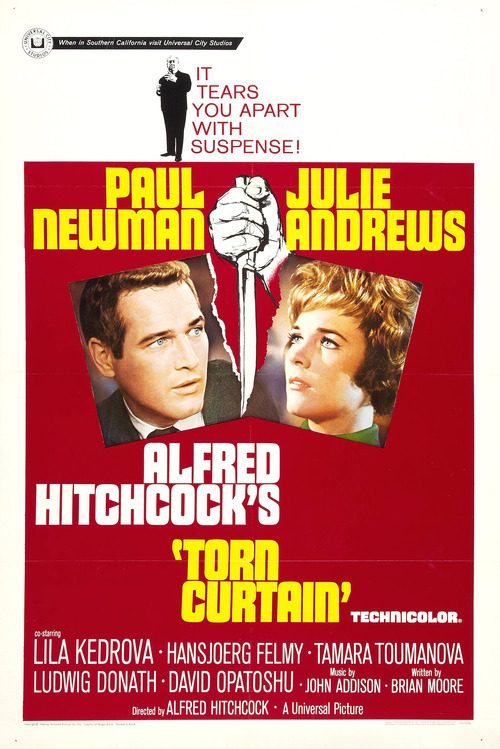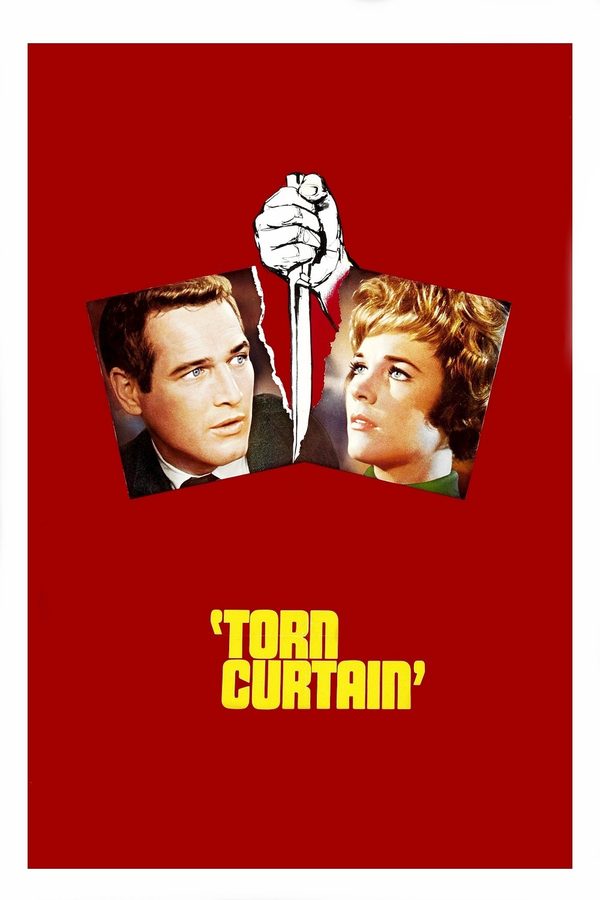
Torn Curtain (1966) on Netflix
PG19662h 8mDramaRomanceThriller
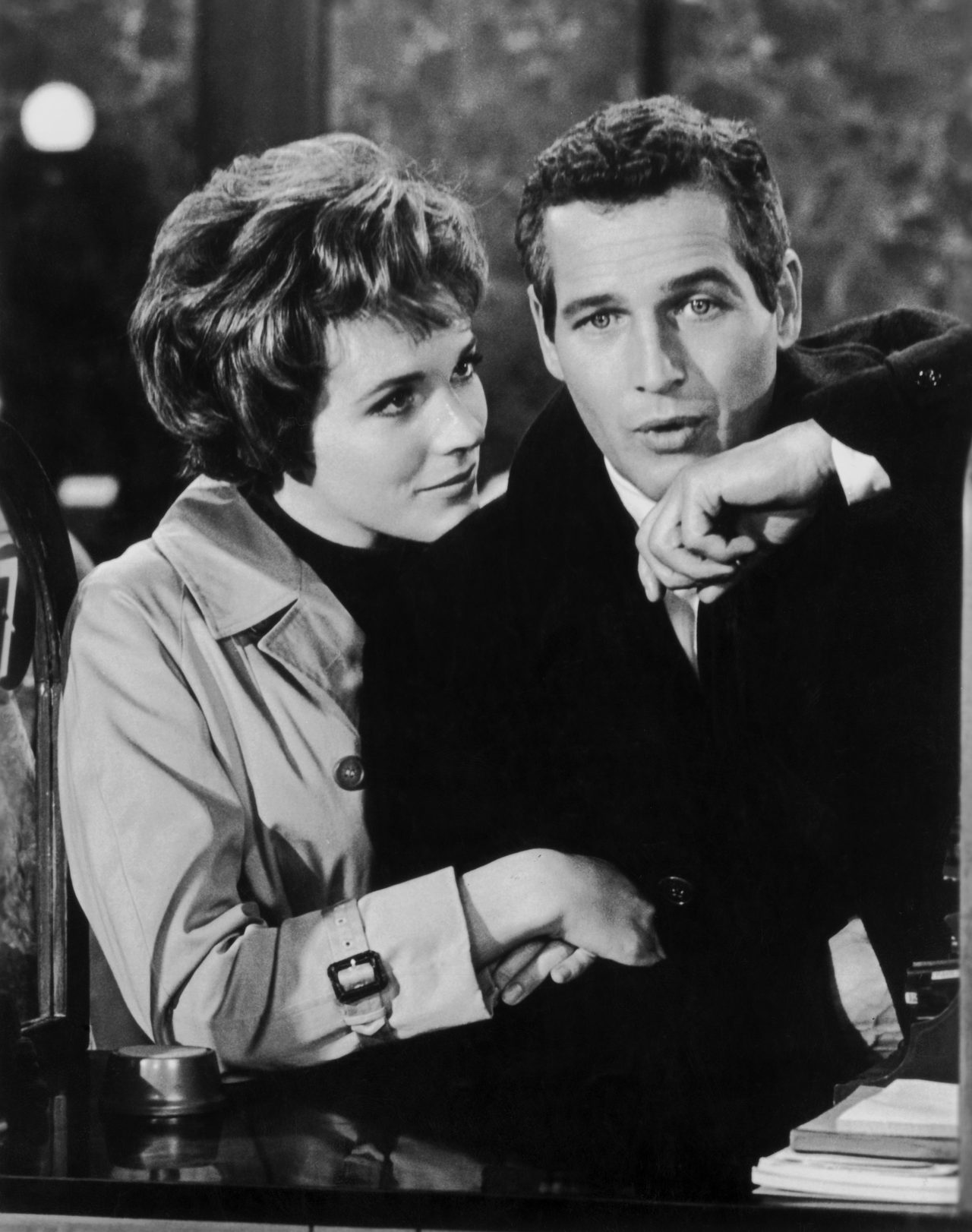
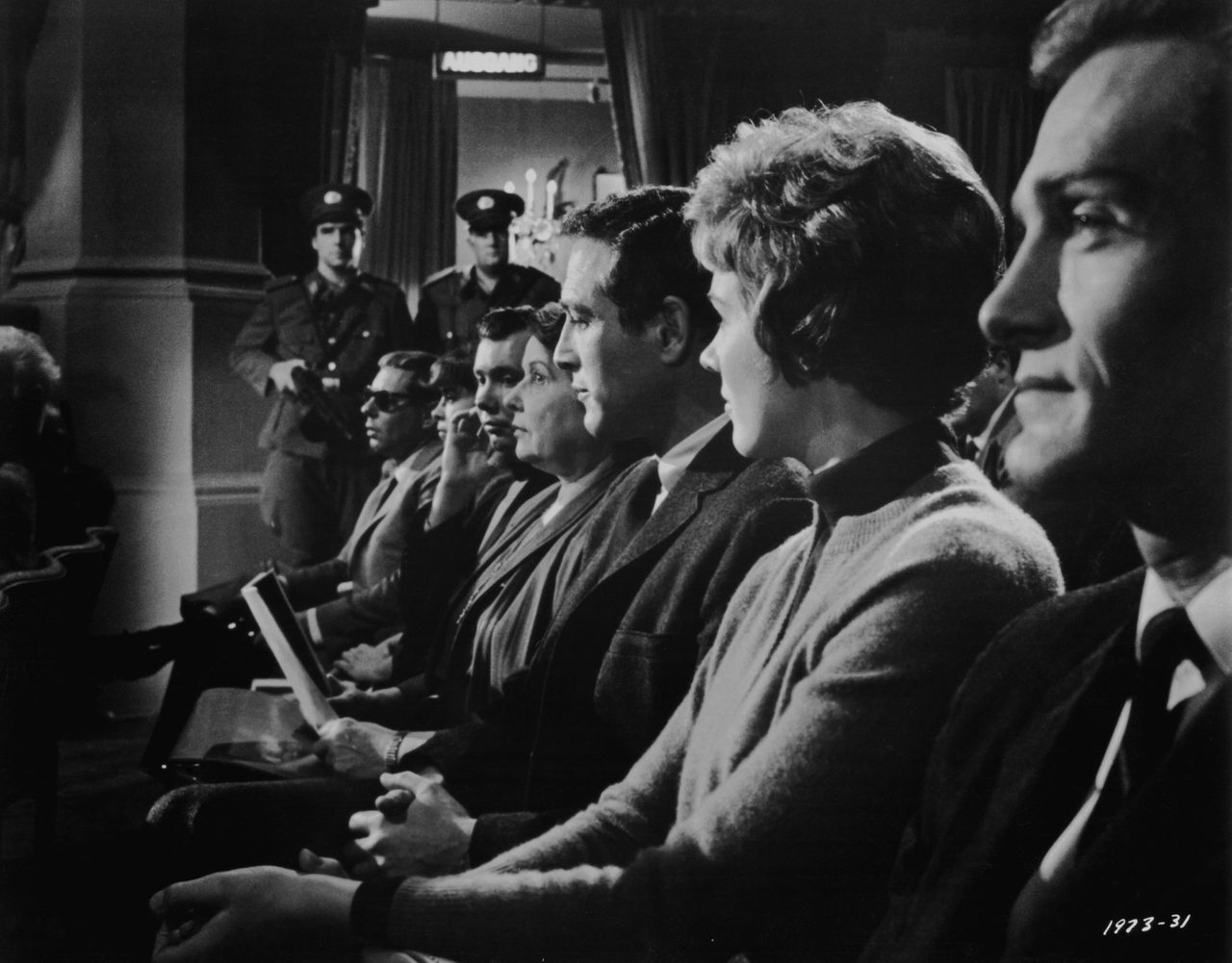
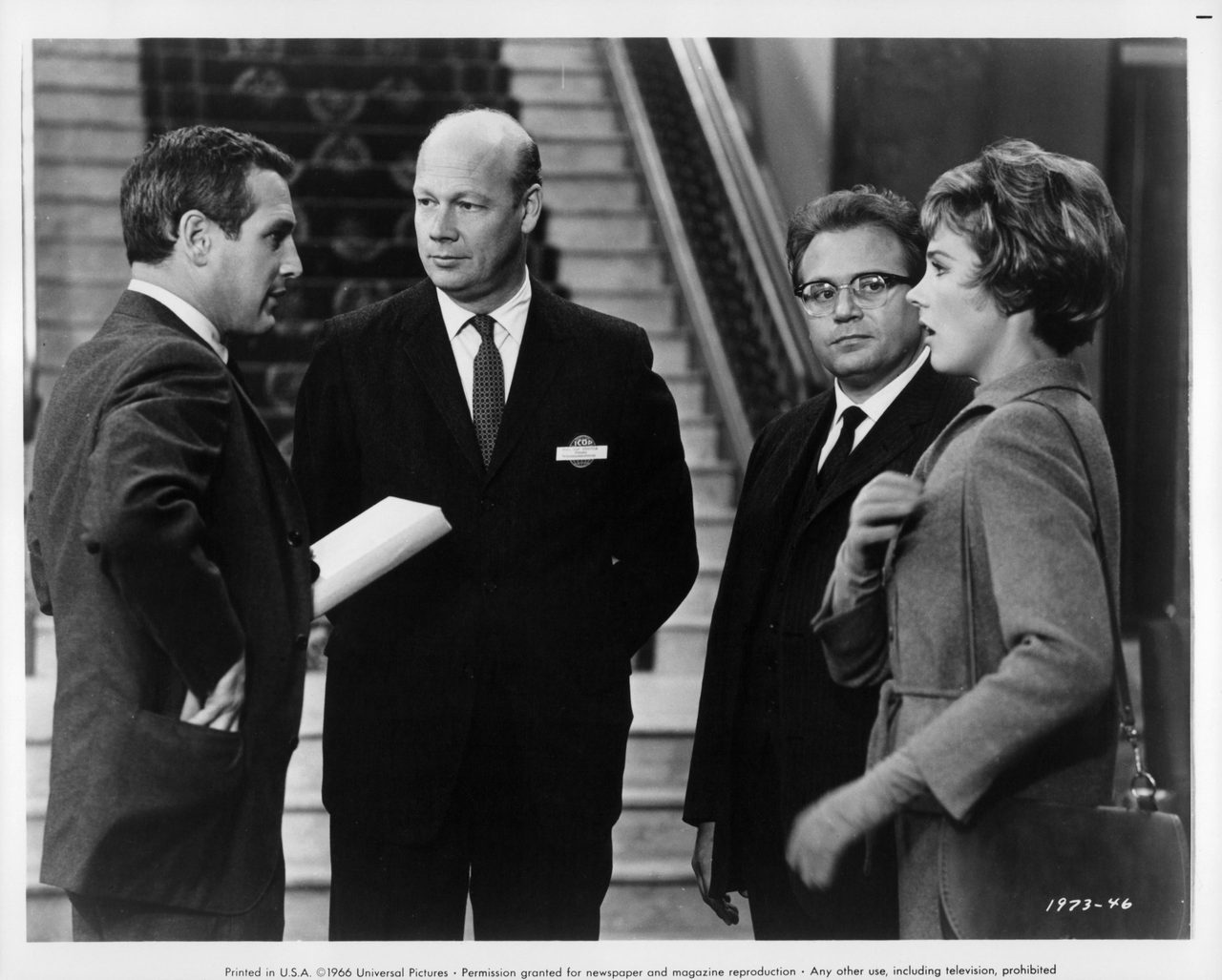
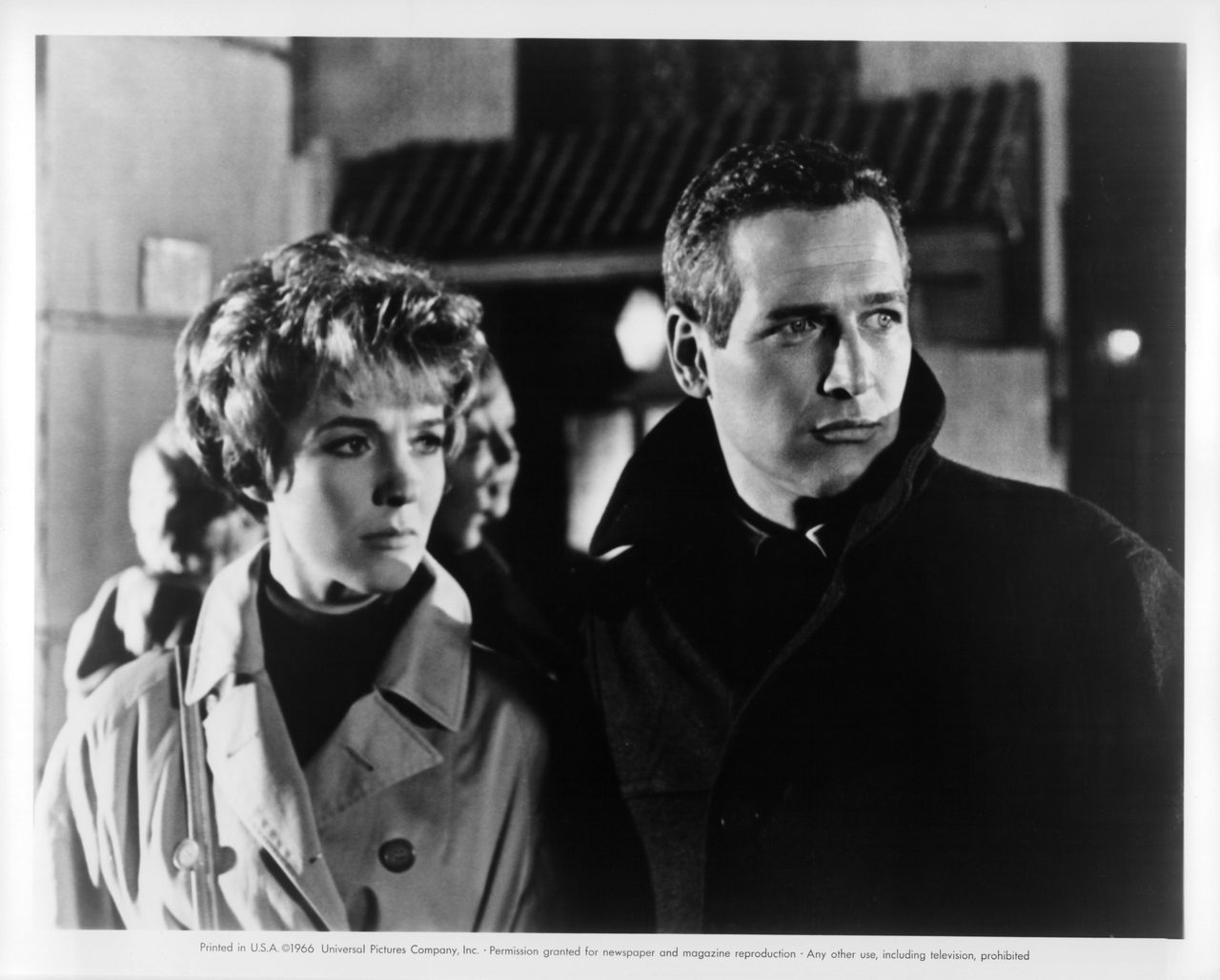
Michael Armstrong tells his assistant and fiancée Sarah Sherman he is going to Stockholm. She learns his flight is bound for East Berlin and follows him. East German officials welcome him.
- Netflix3.4/5
- IMDb6.6/1031,970 votes
- Rotten Tomatoes63%
Trailer

Plot summary
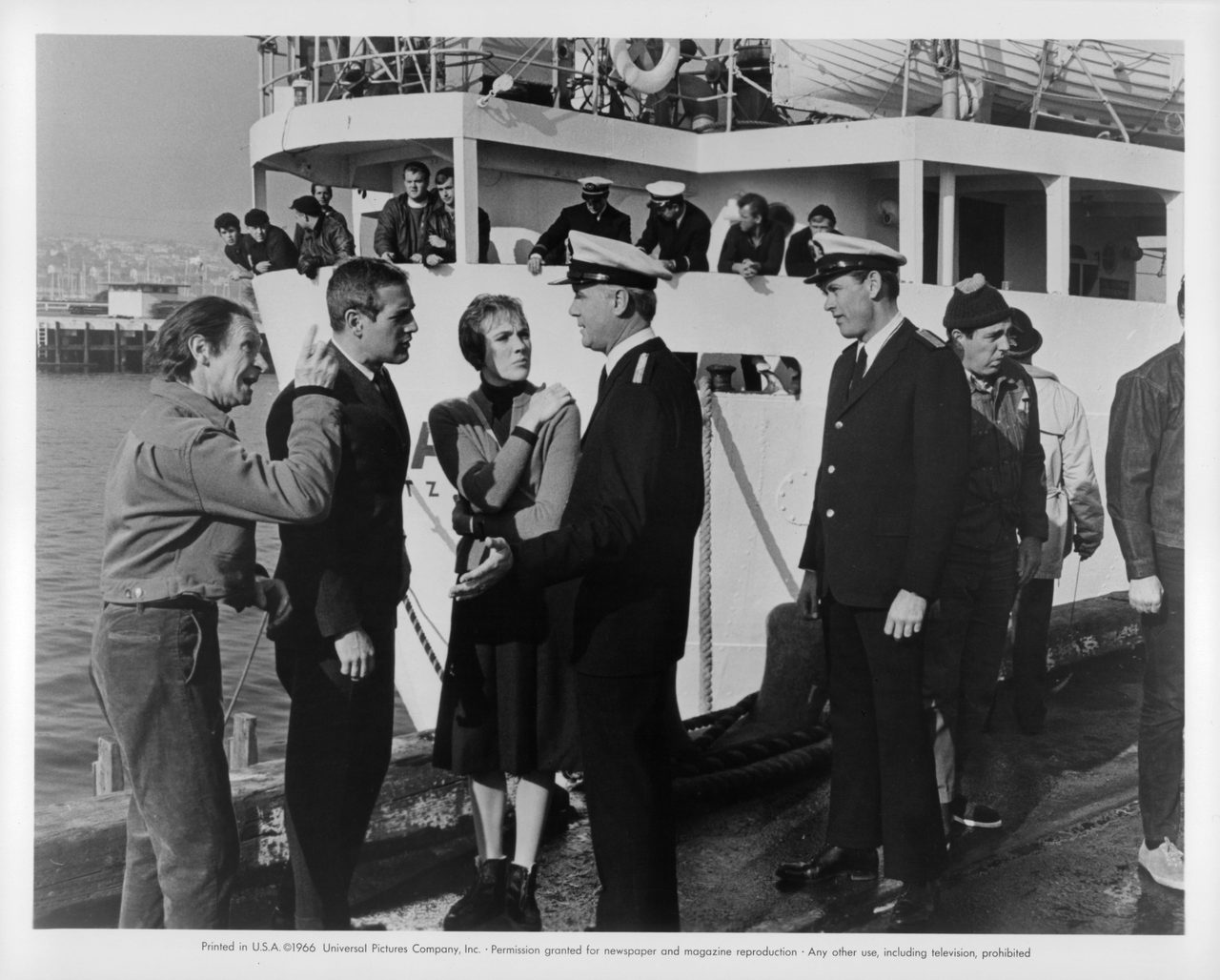
Michael Armstrong, a physicist and rocket scientist from the United States, sails to Copenhagen for a scientific conference with Sarah Sherman, his assistant and fiancée. In the city he is to collect a book, and a message inside it tells him to make contact in an emergency. He says he is continuing to Stockholm, but Sarah learns his plane is bound for East Berlin and follows him. Representatives of the East German government welcome him when he lands, and Professor Karl Manfred, who helped arrange the defection, stays at their side. The authorities also give him a security officer, Hermann Gromek, to accompany him. Sarah fears that if he stays, she will never see her family or her home again.
Cast


- Carolyn Conwellas Farmer's Wife


Show all 20 cast
- Gloria Govrinas Fräulein Mann (as Gloria Gorvin)


Did you know?!Facts and trivia about Torn Curtain (1966)
Can contain spoilers, watch the movie first.
- The idea came from the defection of British diplomats Guy Burgess and Donald Maclean to the Soviet Union in 1951. Hitchcock was particularly intrigued about Maclean's life there and about his wife Melinda Marling, who followed her husband behind the Iron Curtain a year later with their three children.
- In autumn 1964 Hitchcock offered the script to Vladimir Nabokov, the author of Lolita, who had successfully helped adapt his own novel to a well-regarded film directed by Stanley Kubrick in 1962; although intrigued, Nabokov declined, feeling he knew very little about political thrillers.
- The production occurred during the 1965 Watts race riots, leaving Kieling disgusted with American society; after the film was released he defected to East Germany in real life, calling the United States "the most dangerous enemy of humanity in the world today".
- Paul Newman and Julie Andrews were imposed on Hitchcock by studio president Lew Wasserman rather than being his personal choices; the director felt the stars were ill-suited to their roles, while their salaries of $750,000 took a big part of the film's $5 million budget.
- Newman questioned Hitchcock about the script and the characterization throughout filming, and Hitchcock said he found Newman's manner and approach unacceptable and disrespectful; when Newman, a Method actor, consulted him about his character's motivations, the director replied: "Motivation is your salary."
- Moore complained that Hitchcock had "no concept of character" and "a profound ignorance of human motivation"; Brian Moore's own dissatisfaction with the project was reflected in his novel Fergus (1970), which features Bernard Boweri, an unsympathetic character based on Hitchcock.
- Hitchcock and Universal asked his frequent collaborator Bernard Herrmann for a pop and jazz-influenced soundtrack, even hoping for a song for Julie Andrews; the score Herrmann provided was not what they wanted, their long-time collaboration ended, and John Addison was approached to write a new score.
- Steven Spielberg told James Lipton on Inside the Actors Studio that as a young man he sneaked onto the soundstage to observe the filming and remained there for 45 minutes before an assistant producer asked him to leave.