Trailer
Plot summary
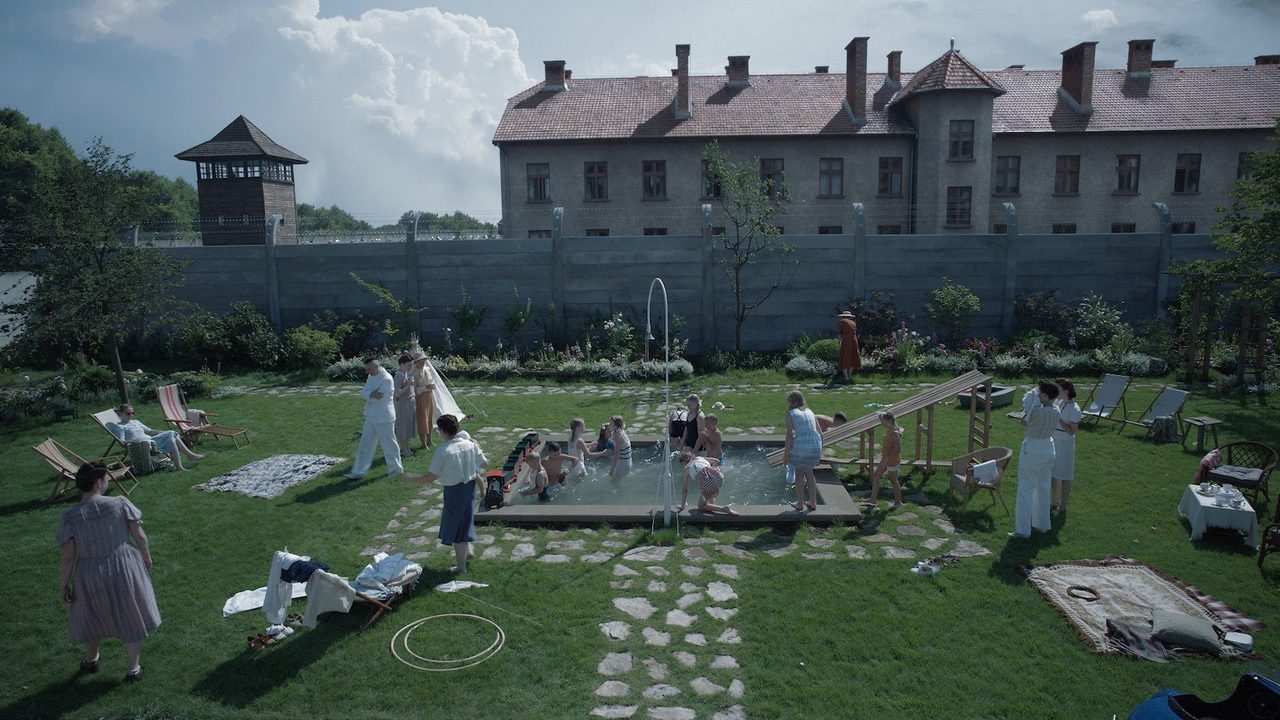
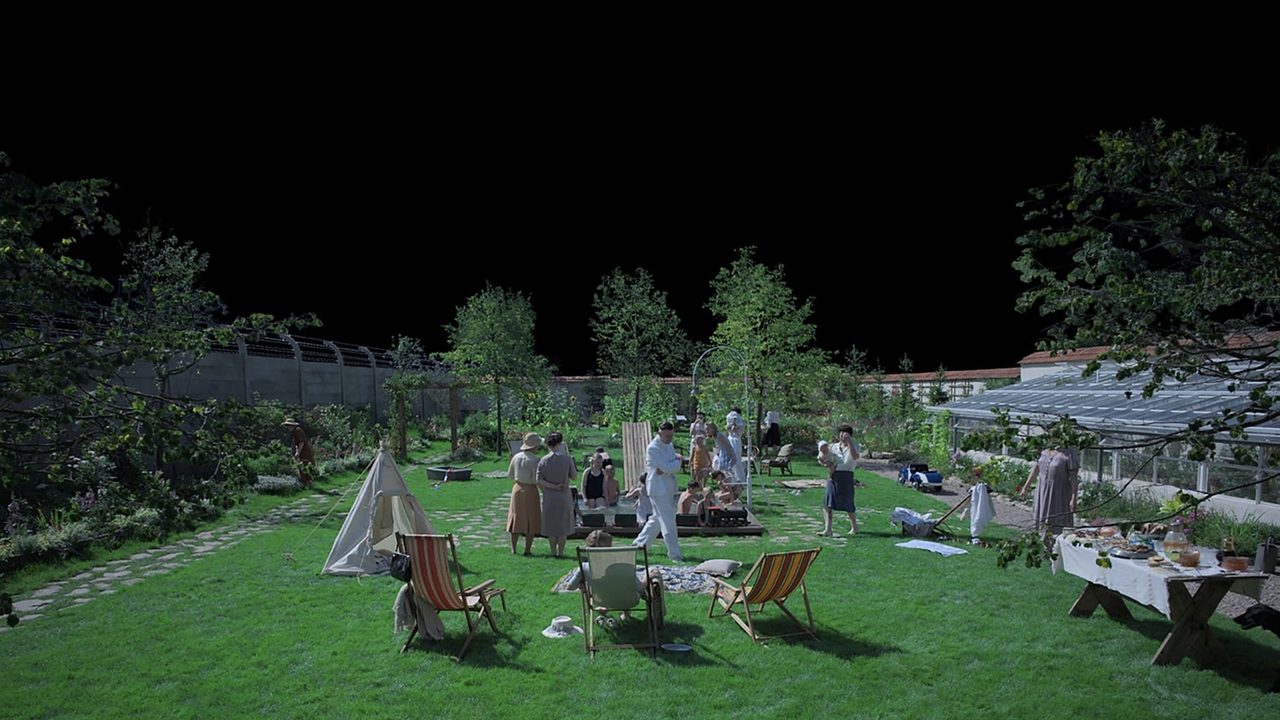
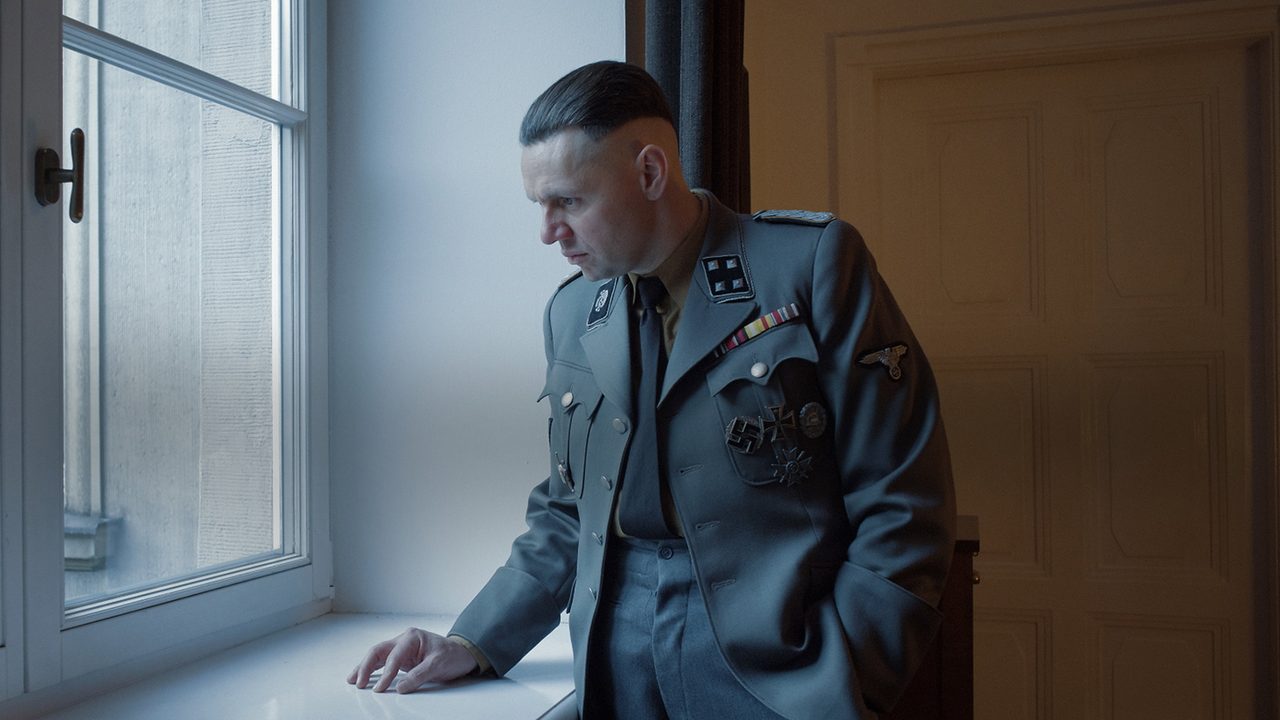
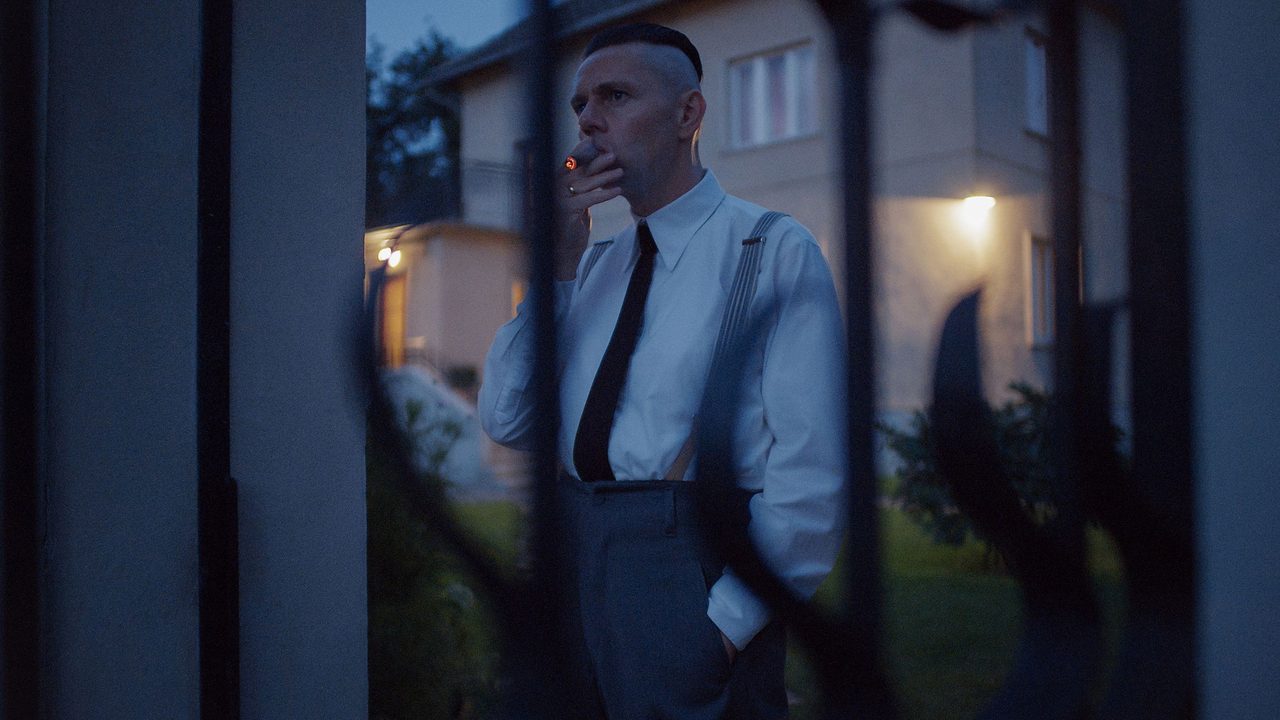
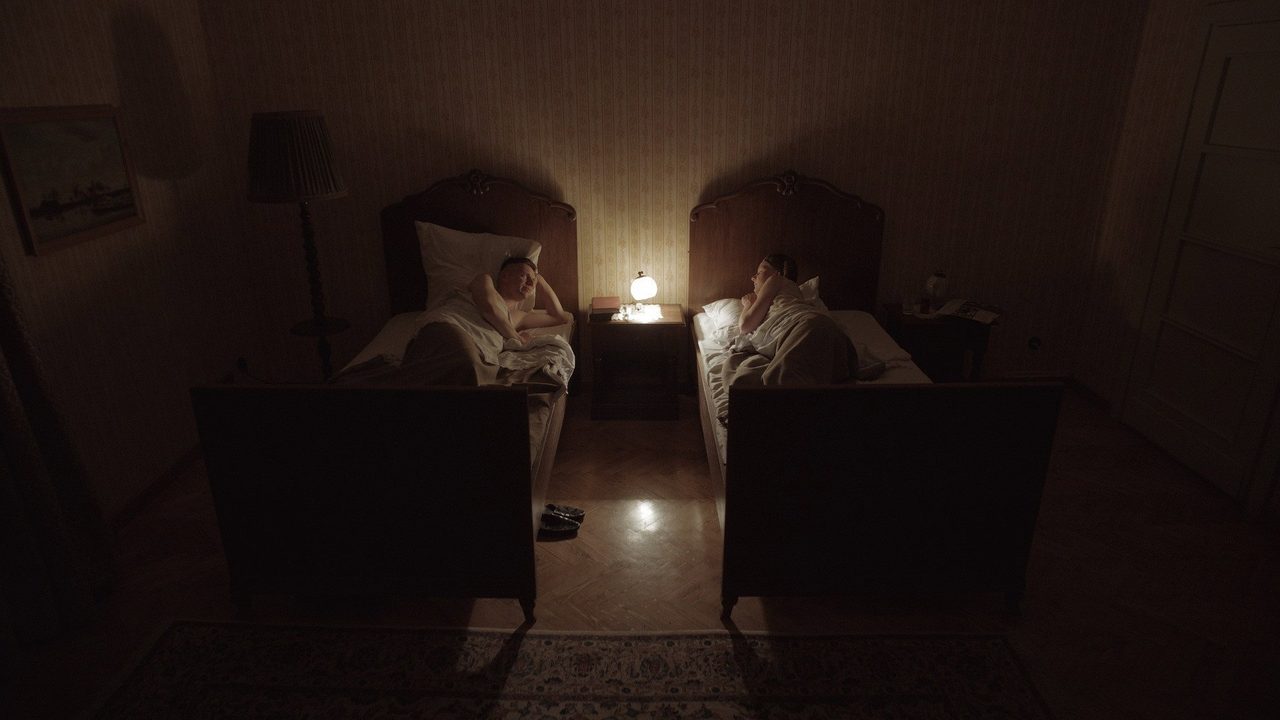
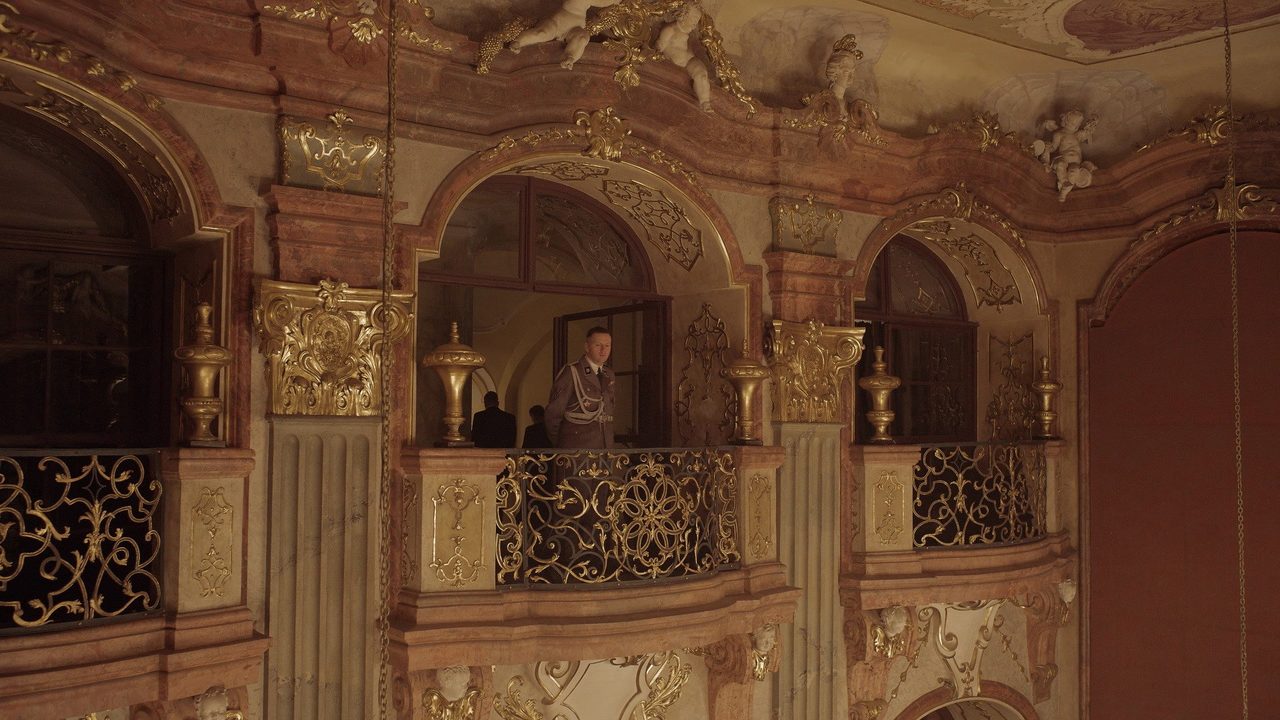
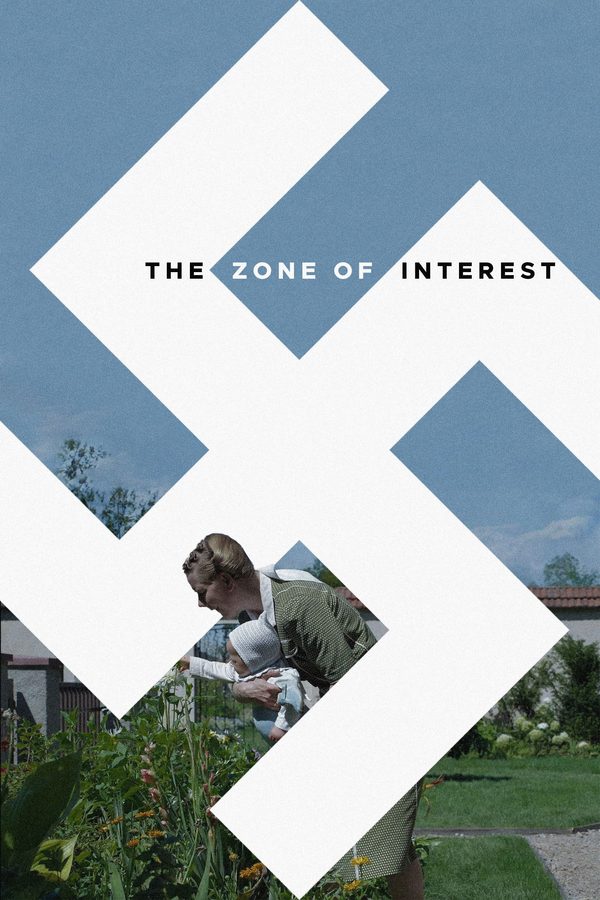
Rudolf Höss runs the Auschwitz concentration camp. He lives with his wife Hedwig and their five children in a home beside it, with a garden Hedwig tends. Non-Jewish inmates do the household chores, and items that belonged to murdered Jews are given to the family. Gunshots, screams, trains and furnaces can be heard past the garden wall. Höss approves a new crematorium designed by Topf and Sons. At night a Polish girl leaves food where prisoners work.
Cast











Did you know?!Facts and trivia about The Zone of Interest (2023)
Can contain spoilers, watch the movie first.
- Accepting an Oscar at the 96th Academy Awards in March 2024, director Jonathan Glazer said The Zone of Interest shows where dehumanisation leads at its worst, and criticized both the dehumanisation of the victims of October 7 in Israel and the ongoing attack on Gaza, telling the audience he and others refuted their Jewishness and the Holocaust being hijacked by an occupation.
- An open letter calling Glazer's speech blood libel was signed by over 1,000 Jewish creatives, executives and Hollywood professionals, among them Amy Pascal, Julianna Margulies, Eli Roth and Michael Rapaport. A second letter defending him drew more than 450 signatories, including Joel Coen, Joaquin Phoenix, Wallace Shawn and composer Mica Levi.
- The Polish girl who leaves food for prisoners was inspired by Aleksandra Bystroń-Kołodziejczyk, whom Jonathan Glazer met while researching; at 16 she was a member of the Polish Home Army who cycled to Auschwitz to leave apples for starving prisoners, and she discovered music written by a prisoner, Joseph Wulf, who worked at Auschwitz III-Monowitz.
- Jonathan Glazer and cinematographer Łukasz Żal embedded up to 10 cameras in and around the house, running at once with no crew on set, while the crew watched from a container beyond the wall and each take lasted 10 minutes. Glazer called the method "Big Brother in the Nazi house".
- Sound designer Johnnie Burn built a 600-page document of events at Auschwitz, witness testimonies and a map of the camp so the distance and echoes of the sounds could be worked out, and spent a year assembling a library of machinery, crematoria, boots and gunfire. Because many new arrivals were French, he took their voices from 2022 protests in Paris.
- Sandra Hüller was first sent only an excerpt of the script, an argument between Rudolf and Hedwig presented out of context, before learning the project was a film about the Holocaust. She had resolved never to play a Nazi but was convinced after reading the full script and meeting Glazer.
- The original Höss house has been a private residence since the war, so production designer Chris Oddy converted a derelict post-war building a few hundred yards away into a replica, spending several months on it and planting the garden in April 2021 so it would be in bloom when filming began.
- Only practical and natural light was used in the film, and the nighttime scenes with the Polish girl were shot on a thermal imaging camera provided by the Polish military; the low-resolution thermal imagery was later upscaled using AI in post-production.