The World of Apu (1959) on Netflix
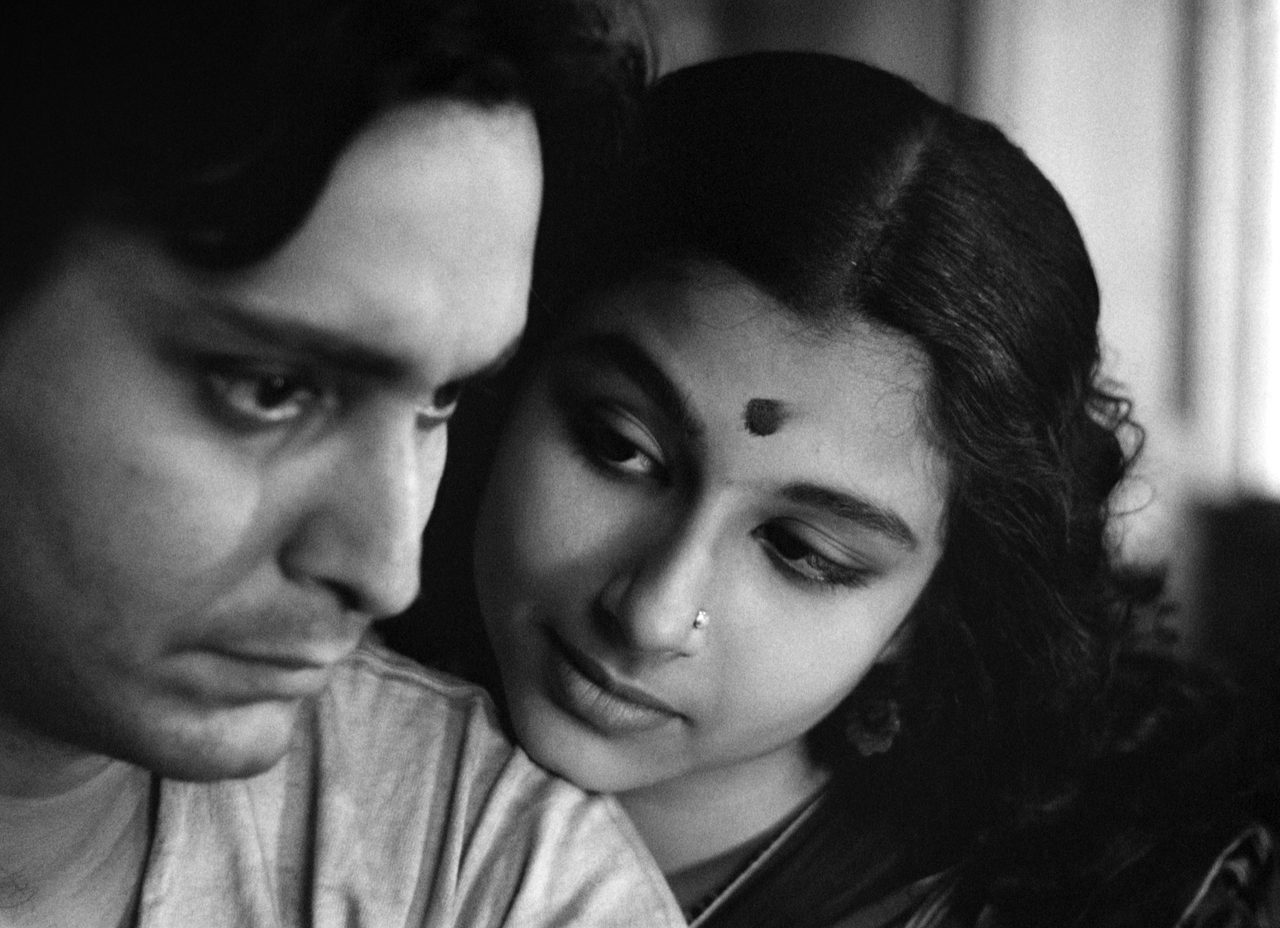
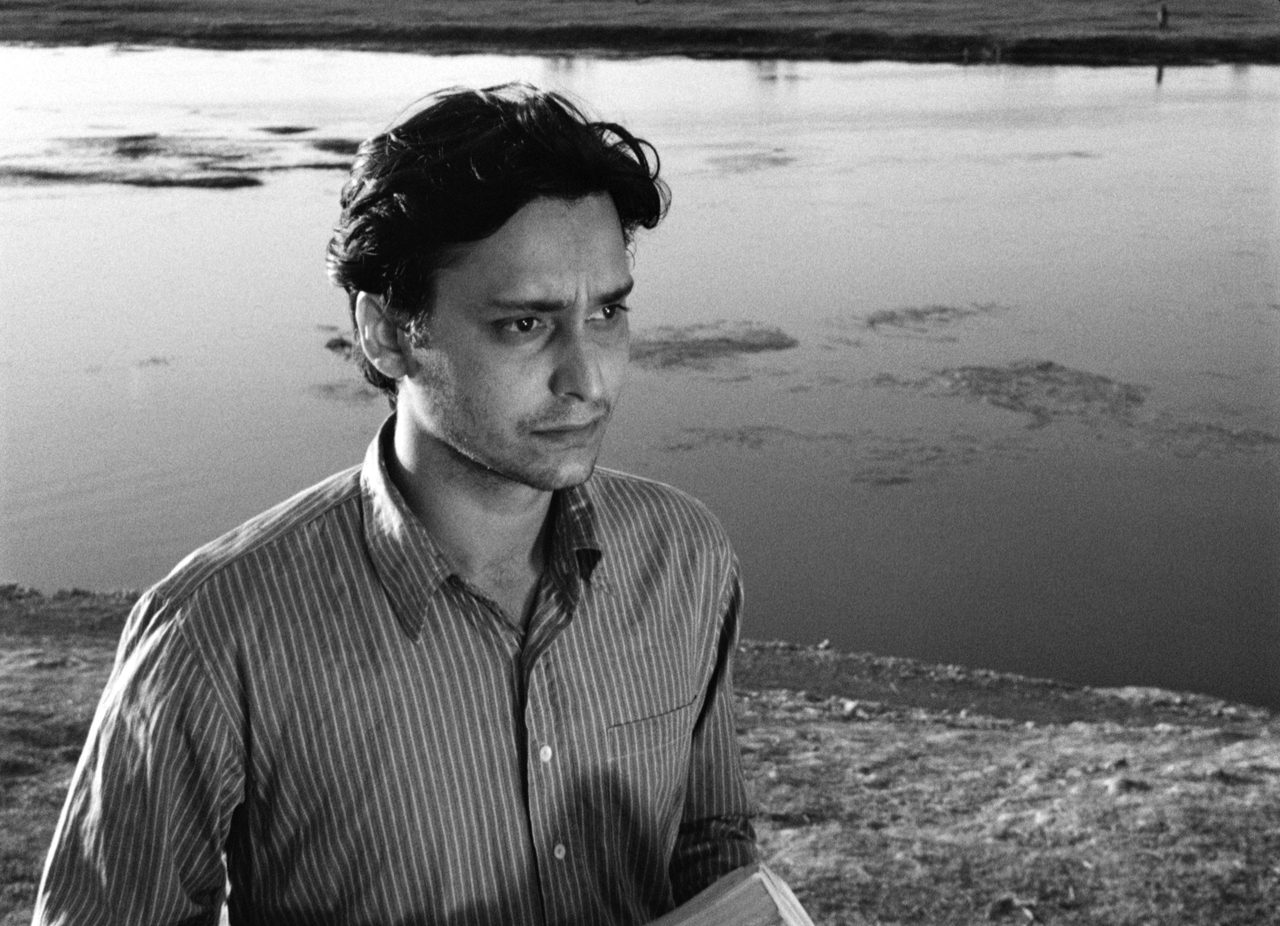
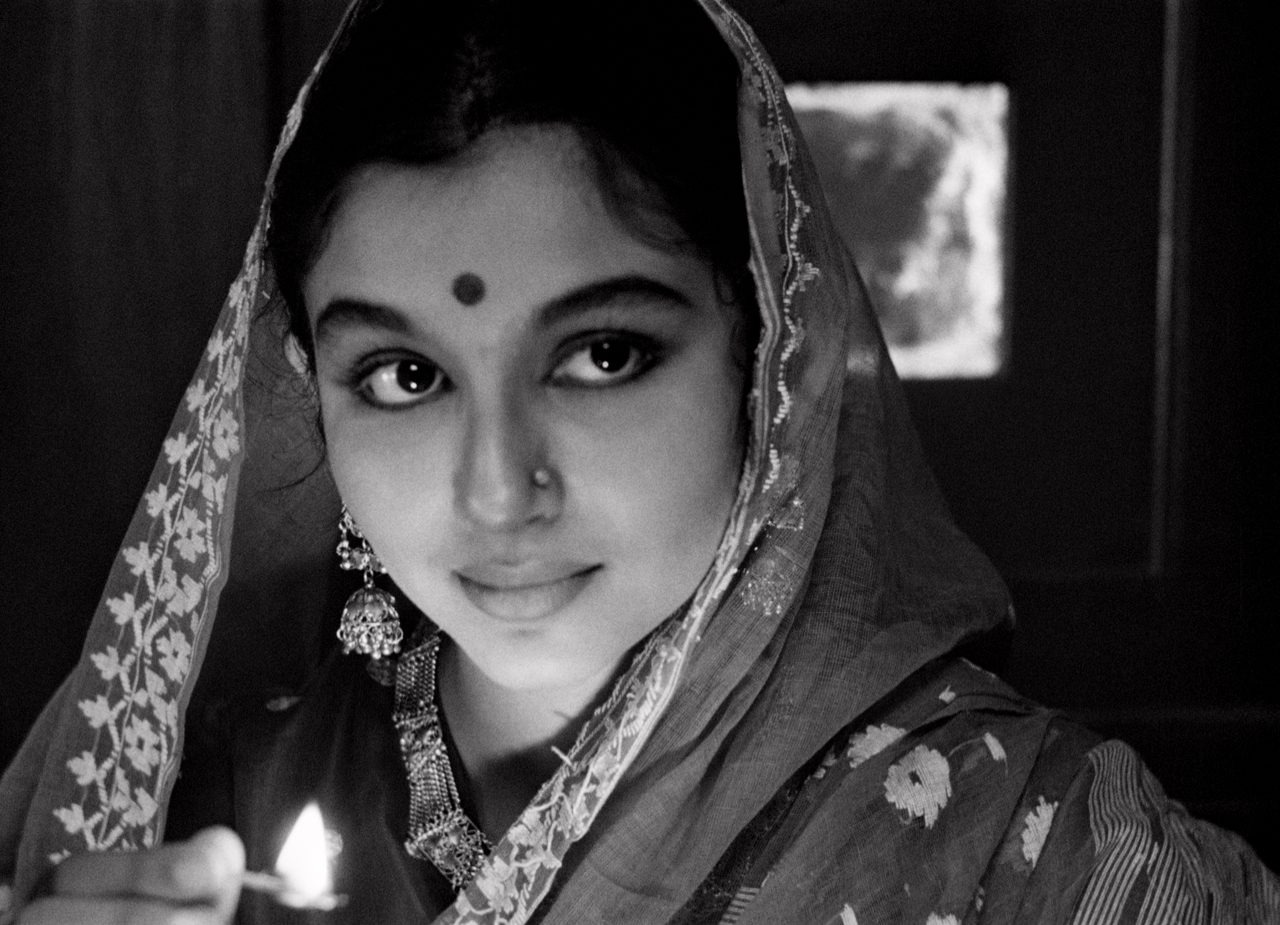
Apu, an unemployed graduate in Calcutta, tutors privately while writing a novel. His friend Pulu talks him into a trip to Khulna for the wedding of Pulu's cousin Aparna.
- Netflix4.5/5
- IMDb8.4/1020,706 votes
- Rotten Tomatoes97%
Trailer

Plot summary
In the early 1930s, Apurba Roy, called Apu, lives in a rented room in Tala, Calcutta, an unemployed graduate who cannot afford to continue his studies and gets by on private tutoring. His ambition is to finish the semi-autobiographical novel he is writing and see it published. His school friend Pulu arrives and persuades him to come along to Pulu's village in Khulna for the wedding of Pulu's cousin Aparna. On the wedding day the family learns that the bridegroom suffers from a serious mental disorder, and Aparna's mother calls the marriage off. The villagers hold that a bride must be wedded in the appointed auspicious hour or remain unmarried for life, so Pulu and others turn to Apu.
Cast



- Swapan Mukherjeeas Pulu
- Sefalika Devias Shashinarayan's wife
- Dhiresh Majumdaras Shashinarayan
- Dhiren Ghoshas Landlord
- Belarani Devias Apu's Neighbor
- Asha Devi
- Shanti Bhattacherjeeas Office Associate

- Bechu Singha


Did you know?!Facts and trivia about The World of Apu (1959)
Can contain spoilers, watch the movie first.
- Soumitra Chatterjee had auditioned for the adolescent Apu in Aparajito, but Satyajit Ray judged him too old for that part. Two years later Ray remembered him and cast him as the adult Apu, revealing the choice on the set of Jalsaghar by introducing him to actor Chhabi Biswas as the lead of Apur Sansar.
- Ray had a hard time finding an actress for Aparna. An advertisement in a local daily asking for photographs from girls aged 15 to 17 brought in over a thousand responses, none of which he considered worth auditioning, before he learned of Sharmila Tagore and cast her.
- Soumitra Chatterjee was unsure about acting and did not consider himself photogenic, but on 9 August 1958 the first shot of the film was approved in a single take, and he realized he had found his vocation.
- The original negatives of the Apu Trilogy, including Apur Sansar, were severely damaged by a fire in London in 1993. The surviving film cans and fragments were sent to the Motion Picture Academy and lay unseen for two decades before the Criterion Collection began restoring them in 2013.
- Gregory Nava duplicated the final scene of Apur Sansar in his 1995 film My Family, an example of the influence Satyajit Ray's film has had around the world.